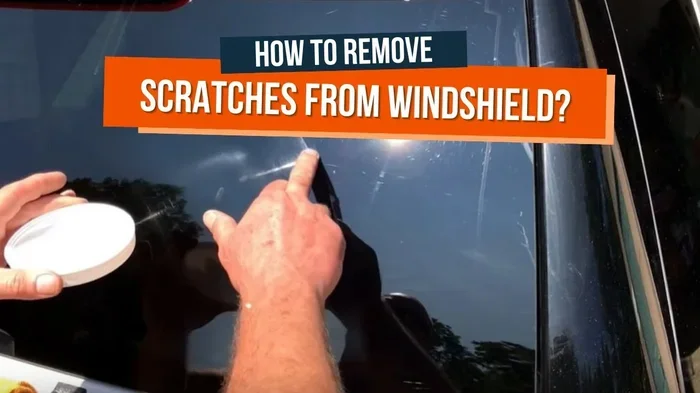
How to Remove Wiper Scratches From Car Glass Easily
Wiper scratches on your car glass can ruin visibility and look terrible, but the good news is you can fix them at home. This guide walks you through easy DIY methods using household items and professional-grade products. Whether the scratches are light or deep, you will find the right how to remove wiper scratches from car glass technique that works for you. We also share prevention tips to keep your windshield looking brand new for years to come.
Nothing is more frustrating than looking at your windshield and seeing streaks and scratches every time you drive. Wiper scratches from car glass are a common problem that many car owners face, especially after years of use. These marks can reduce visibility, especially at night or in heavy rain, and they make your car look older than it really is.
The great news is that how to remove wiper scratches from car glass is something you can do yourself without spending a fortune. Whether the scratches are shallow surface marks or deeper grooves, there is a solution that fits your skill level and budget. In this guide, we will walk you through every method, tool, and tip you need to restore your windshield to crystal-clear condition.
We have tested and reviewed the most popular scratch removal techniques so you do not have to guess. From simple household remedies to professional-grade polishing kits, this article covers it all. By the end, you will know exactly which approach works best for your specific type of windscreen damage. Let us get started.
Key Takeaways
- Identify scratch depth first: Knowing whether scratches are surface-level or deep helps you choose the right removal method.
- DIY methods work for light scratches: Toothpaste, baking soda, and cerium oxide are affordable and effective options.
- Professional tools give better results: A glass polishing kit with a buffer pad handles stubborn scratches more reliably.
- Prevention is the best fix: Replacing worn wiper blades and using a windshield cover stops new scratches from forming.
- Deep scratches need expert help: If the scratch reaches the inner glass layer, a professional windshield repair service is the safest choice.
- Regular maintenance saves money: Simple habits like cleaning your windshield properly extend its life and clarity.
📑 Table of Contents
Understanding Wiper Scratches on Car Glass
Before you start fixing scratches, it helps to understand what caused them and how deep they go. Not all scratches are the same, and treating a deep scratch like a surface mark can waste your time and money. The first step in any DIY scratch repair is identifying the type and severity of the damage.
What Causes Wiper Scratches?
Wiper scratches happen for several reasons. Over time, the rubber on your wiper blades wears down and becomes hard or cracked. When worn rubber moves across your windshield, it no longer glides smoothly. Instead, it drags dirt and debris across the glass, creating fine scratches. Here are the most common causes:
- Dust and dirt buildup: When you use your wipers on a dirty windshield, tiny particles act like sandpaper and scratch the surface.
- Aged wiper blades: Old, cracked rubber loses its flexibility and starts to leave marks on the glass.
- Improper wiper use: Running wipers on a dry windshield without cleaning it first causes friction and scratches.
- Low-quality wiper blades: Cheap wipers often have hard rubber compounds that damage your windscreen over time.
- Ice and frost buildup: Scraping ice with wipers turned on can grind debris into the glass surface.
How to Tell if a Scratch Is Surface-Level or Deep
This is a crucial step that many people skip. A simple fingernail test works well for this. Run your fingernail across the scratch. If your nail does not catch, the scratch is likely a surface-level clear coat scratch. If your nail catches and feels like a groove, the scratch goes deeper and may need professional attention.
You can also try the water test. Spray a small amount of water on the scratch and look at it from different angles. Surface scratches often become less visible when wet, while deeper scratches remain noticeable. Understanding the glass scratch depth helps you pick the right scratch remover and approach.
Types of Glass Damage From Wiipers
Wiper damage usually falls into three categories. The first is surface hazing, which looks like a cloudy film across the glass. This is the mildest form and the easiest to fix. The second is fine scratching, which shows up as a network of thin lines that scatter light. The third is deep grooving, where visible channels form in the glass itself. Deep grooving is rare but serious and usually requires a full windshield replacement.
What You Need for DIY Scratch Removal
Having the right tools makes a huge difference in the results you get. You do not need expensive equipment for light scratches, but deeper marks benefit from a proper glass polishing kit. Here is what you should gather before you begin.
Basic Household Items for Light Scratches
For minor scratches and surface hazing, you probably already have these items in your kitchen or bathroom:
- White toothpaste: A non-gel, whitening toothpaste works as a mild abrasive that buffs out surface scratches.
- Baking soda: Mixed with water, it forms a gentle polishing paste that is safe for glass.
- Vinegar and water solution: A 50/50 mix can help clean the surface and prepare it for polishing.
- Microfiber cloths: These are essential for buffing without adding new scratches to the glass.
- Cotton balls or soft rags: Useful for applying polishing compounds in tight areas.
Professional-Grade Tools for Stubborn Scratches
For more serious windshield repair needs, investing in a proper kit pays off. Here are the tools that deliver professional-level results at home:
- Cerium oxide powder: This is the gold standard for glass scratch removal. It is a fine polishing compound specifically designed for automotive glass.
- Glass polishing kit: A quality kit includes polishing pads, a hand or rotary buffer, and compound. Look for kits rated for automotive use.
- Sandpaper for glass: Wet-dry sandpaper in grades 600, 800, and 1000 grit is used for deeper scratches that need gradual leveling.
- Rubbing compound: A less aggressive alternative to cerium oxide that works well for light to moderate scratches.
- UV flashlight: This helps you see scratches more clearly by making them fluoresce under the light.
Safety Gear You Should Not Skip
Working on your car glass involves dust and chemicals, so safety matters. Wear safety glasses to protect your eyes from polishing dust. Use nitrile gloves when handling cerium oxide or rubbing compounds. Work in a well-ventilated area, preferably outdoors or in a garage with open doors. Cover the car paint around the windshield with painter’s tape to prevent accidental damage.
Step-by-Step Guide to Remove Wiper Scratches
Now that you understand your scratches and have your tools ready, it is time to get to work. Follow these steps carefully for the best results. Each method is listed from easiest to most involved so you can start simple and move to more advanced techniques if needed.
Method 1: The Toothpaste Technique
This is the simplest and most accessible method. It works well for light surface scratches that do not catch your fingernail.
- Clean your windshield thoroughly with a glass cleaner and a microfiber cloth. Make sure no dirt or debris remains on the surface.
- Squeeze a small amount of white toothpaste onto a damp microfiber cloth. Use a non-gel, whitening formula for best results.
- Rub the toothpaste onto the scratched area using small circular motions. Apply gentle pressure and keep the cloth damp.
- Continue buffing for two to three minutes. You should see the scratch gradually fading as the mild abrasive works.
- Wipe away the toothpaste residue with a clean, damp cloth.
- Inspect the area. If the scratch is still visible, repeat the process one or two more times.
Method 2: Baking Soda Paste
Baking soda is a natural abrasive that is slightly stronger than toothpaste. It works well for light to moderate car windshield scratches.
- Mix two tablespoons of baking soda with one tablespoon of water to form a thick paste.
- Clean the windshield and make sure it is completely dry before applying the paste.
- Apply the paste directly to the scratched area using your fingertip or a soft cloth.
- Rub in circular motions with gentle to moderate pressure for three to five minutes.
- Rinse the area with clean water and dry it with a microfiber cloth.
- Repeat if necessary for stubborn scratches.
Method 3: Cerium Oxide Polishing
This is the most effective method for how to remove wiper scratches from car glass that go beyond surface level. Cerium oxide is a professional-grade polishing compound used by auto detailers worldwide.
- Mix cerium oxide powder with water to create a smooth, spreadable paste. Follow the ratio instructions on your product packaging.
- Apply the paste to the scratched area using a foam applicator pad or a soft cloth.
- Use a handheld buffer or a drill with a soft buffer pad set to low speed. Apply the compound in overlapping circular motions.
- Work the area for five to ten minutes, keeping the surface damp by adding water as needed.
- Wipe away the residue with a clean microfiber cloth.
- Inspect the results. For deeper scratches, you may need to repeat the process with a finer grade of cerium oxide.
Method 4: Wet Sanding for Deep Scratches
Wet sanding is the most aggressive method and should only be used for deep scratches that other methods cannot fix. This technique removes a thin layer of glass to level out the scratch.
- Start with 600-grit wet-dry sandpaper. Soak it in water for a few minutes before use.
- Apply a generous amount of water to the scratched area. Keep the surface wet at all times to avoid creating new scratches.
- Sand the scratch gently using light, even pressure and long strokes along the scratch direction.
- Progress to 800-grit sandpaper and repeat the process. Then move to 1000-grit for a final smoothing pass.
- After sanding, apply cerium oxide or a rubbing compound to restore the glass clarity.
- Buff the area with a clean microfiber cloth until it is smooth and clear.
Quick Tip: Always sand in the direction of the scratch, not across it. Sanding perpendicular can create a cross-hatch pattern that is harder to remove. This is one of the most common common mistakes people make when attempting DIY glass repair.
Comparing Scratch Removal Methods
Not every method works the same way for every type of scratch. The table below helps you choose the right approach based on scratch depth, effort level, and cost.
| Method | Best For | Cost | Difficulty | Results |
|---|---|---|---|---|
| Toothpaste | Surface-level hazing | Very Low | Easy | Mild improvement |
| Baking Soda Paste | Light to moderate scratches | Very Low | Easy | Good improvement |
| Cerium Oxide Polishing | Moderate to deep scratches | Moderate | Medium | Excellent results |
| Wet Sanding | Deep grooves and heavy scratching | Low to Moderate | Hard | Professional-level results |
| Professional Service | Severe or deep structural damage | High | None | Guaranteed results |
Preventing Future Wiper Scratches
Once you have restored your windshield, the last thing you want is to repeat the process. Prevention is the best long-term strategy for maintaining windscreen clarity and avoiding costly repairs. Here are the most effective habits you can build today.
Replace Your Wiper Blades Regularly
Most car owners forget about their wiper blades until they start leaving streaks. Wiper blades should be replaced every six to twelve months, depending on your climate and usage. Signs that your blades need replacing include chattering, skipping, visible cracks in the rubber, and streaks after wiping. Investing in high-quality wiper blades made from premium rubber makes a noticeable difference in how gently they glide across the glass.
Clean Your Windshield Before Using Wipers
Never use your wipers on a dirty windshield. Dust, pollen, sand, and bird droppings act as abrasive agents that scratch the glass. Always rinse your windshield with water or use a waterless car wash spray before turning on the wipers. Keep a spray bottle of glass cleaner and a microfiber cloth in your trunk for quick cleanups on the road.
Use a Windshield Cover in Harsh Weather
If you live in an area with heavy rain, snow, or dust storms, a protective windshield cover is a smart investment. It shields the glass from debris and reduces the buildup of grime that your wipers have to push through. A cover also prevents ice from forming directly on the windshield, which means you can avoid using wipers during frosty mornings.
Use Proper Wiper Technique
How you use your wipers matters more than most people realize. Lift the wiper arms away from the glass when parking in freezing conditions to prevent the rubber from freezing onto the windshield. Never use wipers to scrape ice off the glass; use an ice scraper instead. When cleaning your windshield, lift the wipers away from the glass to clean the blade rubber and the windshield base properly.
Schedule Regular Windshield Maintenance
Treat your windshield like you treat your car paint. A quick wipe-down with a glass cleaner every time you wash your car goes a long way. Apply a rain-repellent coating or a ceramic glass coating every few months. These coatings create a hydrophobic barrier that causes water to bead and roll off, reducing the need for heavy wiper use and keeping your glass clearer for longer.
When to Seek Professional Help
While DIY methods work wonders for light to moderate scratches, there are times when professional help is the better choice. Knowing when to stop DIY and call an expert saves you time, money, and the risk of making the damage worse.
Signs Your Scratch Needs a Professional
You should consider professional windshield repair if any of the following apply. The scratch is deep enough that your fingernail catches when you run it across the glass. The scratch is located in the driver’s direct line of sight and affects your visibility even after polishing. You have tried multiple DIY methods and the scratch remains clearly visible. The scratch was caused by a rock impact or collision and may have compromised the structural integrity of the glass. In these cases, a professional auto glass technician has the tools and expertise to assess whether a repair or a full replacement is needed.
What Professional Repair Involves
Professional technicians use industrial-grade automotive polish and precision equipment that goes far beyond what is available for home use. They can assess the glass scratch depth with specialized tools and determine whether the damage affects the outer clear coat or the inner glass layer. For deep structural damage, they can perform a full windshield replacement using OEM-quality glass that meets safety standards. Most professional repairs take less than an hour and come with a warranty, giving you peace of mind.
Key Takeaways
- Identify scratch depth first: Knowing whether scratches are surface-level or deep helps you choose the right removal method.
- DIY methods work for light scratches: Toothpaste, baking soda, and cerium oxide are affordable and effective options.
- Professional tools give better results: A glass polishing kit with a buffer pad handles stubborn scratches more reliably.
- Prevention is the best fix: Replacing worn wiper blades and using a windshield cover stops new scratches from forming.
- Deep scratches need expert help: If the scratch reaches the inner glass layer, a professional windshield repair service is the safest choice.
- Regular maintenance saves money: Simple habits like cleaning your windshield properly extend its life and clarity.
Conclusion
How to remove wiper scratches from car glass is a skill every car owner should have in their toolkit. Whether you are dealing with light surface hazing or deeper grooves left by worn wiper blades, the methods in this guide give you practical, affordable solutions. Start with the simplest approach like toothpaste or baking soda for light marks, and work your way up to cerium oxide polishing or wet sanding for more stubborn damage.
Remember that prevention plays a huge role in keeping your windshield scratch-free. Replace your wiper blades on schedule, clean the glass before using wipers, and consider a protective cover for harsh weather. These small habits add up and save you from repeat repairs. If your scratches are too deep for DIY methods, do not hesitate to visit a professional auto glass service. Your safety and visibility on the road depend on a clear, scratch-free windshield.
Take action today. Pick the method that matches your scratch type, gather your supplies, and spend an hour restoring your windshield. You will be amazed at the difference a clear, scratch-free view makes every time you drive. Your car glass deserves the best care you can give it.
Frequently Asked Questions
Can wiper scratches be completely removed from car glass?
Light and moderate scratches can often be removed completely using DIY methods like cerium oxide polishing or wet sanding. However, deep scratches that reach the inner glass layer may not be fully removable and might require a professional windshield replacement. The key is identifying the scratch depth early and choosing the right method.
Is it safe to use toothpaste on a car windshield?
Yes, white non-gel toothpaste is safe for car windshields and works as a mild abrasive for surface-level scratches. Avoid using toothpaste with added granules or harsh whitening chemicals, as these can be too aggressive for automotive glass. Always use a soft microfiber cloth and gentle pressure when applying toothpaste to the glass.
How much does professional windshield scratch repair cost?
The cost varies depending on the severity of the scratches and your location. Light scratch removal typically costs between $50 and $150, while deep scratch repair or full windshield replacement can range from $150 to $400 or more. Many auto glass shops offer free estimates, so it is worth getting a professional assessment before committing to a repair.
How often should I replace my wiper blades to prevent scratches?
Wiper blades should be replaced every six to twelve months, or sooner if you notice streaking, chattering, or visible rubber damage. Driving in harsh conditions like extreme heat, cold, or dusty environments can wear blades faster. Regular replacement is one of the simplest and most effective ways to prevent wiper scratches on your windshield.
Can a cracked windshield be repaired instead of replaced?
Small cracks and chips can often be repaired using a resin injection method that fills and seals the damage. However, cracks that are longer than three inches, located in the driver’s line of sight, or that have spread into the inner glass layer usually require a full replacement. A professional technician can assess the damage and recommend the best course of action.
What is the best scratch remover for car glass?
Cerium oxide is widely regarded as the best scratch remover for car glass because it is specifically formulated for automotive windshields. It works on a range of scratch depths and delivers professional-quality results when used with a polishing pad and buffer. For lighter scratches, a quality rubbing compound or even a baking soda paste can also produce excellent results.