How to Get a Key Fob Replacement Without Breaking the Bank
A broken or lost key fob can leave you stuck, but a key fob replacement doesn’t have to drain your wallet. Whether your fob stopped working after a battery die or you lost it entirely, this guide walks you through every affordable option. From DIY battery swaps to locksmith services and aftermarket fobs, you’ll find the best path for your budget and your car.
Your car key fob stopped working. Maybe the buttons just gave out, or maybe you dropped it in a puddle and now it won’t do anything at all. Whatever the reason, the first thing most people think is, “How much is this going to cost?” The truth is, a key fob replacement doesn’t have to be expensive. There are plenty of ways to get this sorted without spending a fortune.
In this guide, we’ll walk you through every option available. You’ll learn how to diagnose the problem, when to DIY, when to call a pro, and how to pick the right fob for your car. By the end, you’ll feel confident making the best choice for your budget and your vehicle.
Key Takeaways
- DIY battery replacement is the cheapest fix: Many key fob issues come from a dead battery that costs under $5 to replace.
- Aftermarket key fobs save big money: You can save 50-70% compared to dealer pricing by choosing a quality aftermarket fob.
- Mobile locksmiths offer convenience and value: They come to you and often charge less than dealerships for programming.
- Key fob programming varies by vehicle: Some cars let you program a new fob yourself, while others need a professional.
- Always check your warranty first: Some newer vehicles cover key fob replacement under bumper-to-bumper or roadside assistance.
- Buy from reputable sellers: Cheap knockoff fobs often fail quickly and may not program correctly.
📑 Table of Contents
- Understanding Your Key Fob and Why It Stops Working
- How to Diagnose the Problem Before Replacing
- Your Key Fob Replacement Options
- Key Fob Cost Breakdown: What to Expect
- How to Program a New Key Fob
- Preventing Key Fob Problems in the Future
- Quick Tips for Saving Money on Key Fob Replacement
- Common Mistakes People Make With Key Fob Replacement
- Expert Insights: What Locksmiths Want You to Know
- Frequently Asked Questions
- Conclusion
Understanding Your Key Fob and Why It Stops Working
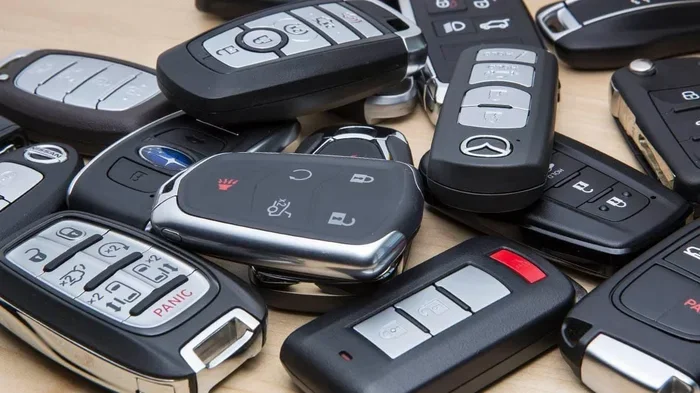
Before you jump into replacement options, it helps to understand what your key fob actually does and why it might fail. Most modern cars use a remote key fob that sends a signal to the car’s computer. This signal locks the doors, unlocks them, and sometimes starts the engine. When that signal breaks, you’re left holding a plastic brick.
Common Reasons Key Fobs Fail
Key fobs are small electronic devices that take a beating. They get dropped, sat on, and exposed to moisture daily. Here are the most common reasons a fob stops working:
- Dead battery: This is the number one culprit. A key fob battery typically lasts 2 to 4 years. When it dies, the signal weakens or disappears entirely.
- Water damage: Rain, spills, or even sweat from a pocket can short out the internal circuit board.
- Broken casing: A cracked housing can expose the electronics to dust and debris, causing intermittent issues.
- Signal interference: Sometimes the problem isn’t the fob itself but a nearby device causing key fob signal disruption.
If your fob suddenly stops responding, don’t panic. Start with the simplest fix before assuming the worst.
How to Diagnose the Problem Before Replacing
Not every key fob issue requires a full replacement. In fact, many people spend money on a new fob when all they needed was a fresh battery. Here’s how to troubleshoot before you buy anything.
Step 1: Check the Battery
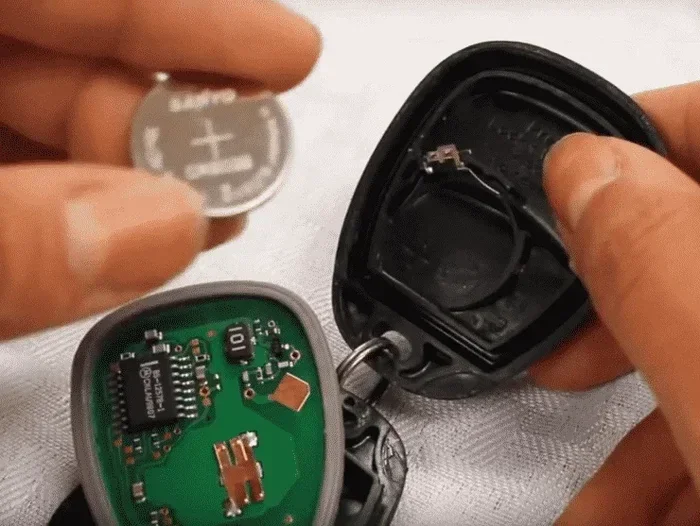
Open the fob casing and look at the battery. Most car key fobs use a small CR2025 or CR2032 coin cell battery. You can pick one up at any drugstore or grocery store for under $5. Pop the old one out, drop in the new one, and test the fob right away.
Pro tip: If the fob works but only from very close range, the battery is likely dying. A key fob battery replacement takes about two minutes and costs almost nothing.
Step 2: Inspect for Physical Damage
Look at the fob closely. Are there cracks? Is any water visible inside? Press each button gently and feel for any that stick or feel mushy. Sometimes you can clean the internal contacts with a cotton swab dipped in rubbing alcohol.
Step 3: Test with a Spare Fob
If you have a spare key fob, try it. If the spare works fine, you know the problem is isolated to one fob. If neither fob works, the issue might be with the car’s receiver or a broader electrical problem.
Step 4: Check for Interference
Move away from tall buildings, large metal structures, and other electronics. Sometimes a key fob troubleshooting session just means finding a clearer signal path.
If none of these steps fix the problem, it’s time to explore replacement options.
Your Key Fob Replacement Options
Once you’ve confirmed the fob itself is the problem, you have several paths forward. Each comes with different costs, timelines, and levels of convenience.
Option 1: The Car Dealership
The dealership is the most straightforward route, but it’s also the most expensive. Dealers have access to OEM (original equipment manufacturer) fobs and the proprietary programming tools for your specific vehicle. You walk in with a broken fob and walk out with a brand-new one that’s perfectly programmed.
However, the key fob cost at a dealership can range from $200 to $600 or more, depending on your car’s make and model. Luxury vehicles and newer models with advanced features like push-button start and remote start tend to cost more. Plus, you’ll pay for the labor to program the fob, which can add another $50 to $100.
Dealerships do have one big advantage: warranty coverage. If your car is still under warranty, the fob replacement might be free or heavily discounted. Always call and ask before you pay anything out of pocket.
Option 2: An Independent Locksmith
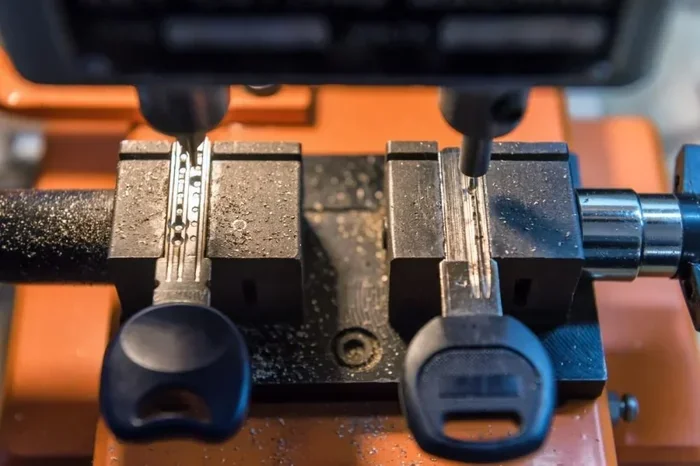
A mobile locksmith is often the sweet spot between cost and quality. Locksmiths can handle most key fob replacement jobs on the spot. Many offer mobile services, meaning they’ll come to your home or office and program the new fob for you.
The cost typically runs between $75 and $250, which is significantly less than a dealership. A good locksmith will also cut a traditional mechanical key if your fob includes one, saving you a separate trip to a key-cutting shop.
When choosing a locksmith, look for one that specializes in automotive work. Check online reviews, ask about their experience with your car brand, and confirm they can program the specific fob you need.
Option 3: Buy Online and Program Yourself
The DIY route is where the real savings live. You can buy a replacement aftermarket key fob online for anywhere from $15 to $80, depending on the brand and features. Sites like Amazon, eBay, and specialized auto parts retailers carry a wide selection.
The catch is programming. Some vehicles allow you to program a new fob yourself using a simple sequence of button presses. Others require specialized diagnostic equipment that only a dealer or locksmith has access to.
Before buying an aftermarket fob, do your research. Check your car’s year, make, and model to find the exact compatible fob. Read reviews carefully, and buy from sellers with solid return policies in case the fob doesn’t work with your vehicle.
Option 4: Auto Parts Stores
Stores like AutoZone, O’Reilly, and Advance Auto Parts sometimes carry replacement fobs in stock. They can also help with basic programming in many cases. The prices are usually somewhere between aftermarket online prices and dealership costs.
One advantage of buying from a local store is that you can return the fob if it doesn’t work. Online purchases can be trickier to return, especially if the packaging is opened.
Key Fob Cost Breakdown: What to Expect
Understanding the key fob cost helps you set realistic expectations and avoid surprises. Prices vary widely based on your vehicle, the type of fob, and where you get it replaced.
| Replacement Method | Estimated Cost Range | Programming Included? |
|---|---|---|
| Dealership (OEM fob) | $200 – $600+ | Yes |
| Mobile Locksmith | $75 – $250 | Yes |
| Aftermarket Fob (DIY) | $15 – $80 | Varies |
| Auto Parts Store | $40 – $150 | Sometimes |
| Battery Replacement Only | $2 – $10 | N/A |
As you can see, the cheapest option is always a dead battery. If that’s not the issue, an aftermarket fob with self-programming offers the best value for most drivers.
Factors That Affect the Price
Several things influence how much you’ll pay for a fob replacement:
- Car brand and model: Luxury brands and newer models use more complex fobs with more features, which drives up the cost.
- Fob type: A basic remote fob with lock and unlock buttons costs less than a smart key fob with proximity sensing and push-button start.
- Where you buy: Dealers charge a premium for convenience and OEM assurance. Third-party options save money but may come with trade-offs.
- Programming complexity: Vehicles that require dealer-level diagnostic tools for programming will cost more to service.
How to Program a New Key Fob
If you’ve chosen to go the DIY route or bought a fob from a locksmith who programmed it for you, you might still want to understand how the process works. This knowledge comes in handy if you ever need to program a spare fob on the road.
Self-Programming Steps (Common Method)
While every car is different, here’s a general idea of how self-programming works for many vehicles:
- Sit in the driver’s seat and close all doors.
- Turn the ignition to the “On” position without starting the engine.
- Press and hold the lock button on the new fob.
- Turn the ignition off, then back to “On” within a specific time window.
- Release the lock button and test the fob.
Again, these steps vary significantly by vehicle. Always check your owner’s manual or look up the specific procedure for your car online before attempting it.
When You Need Professional Programming
Some vehicles simply won’t let you program a new fob without the right equipment. This is especially true for transponder key systems and smart key fobs used in newer cars. If the self-programming method doesn’t work, don’t force it. Take the fob to a locksmith or dealer who has the proper tools.
Attempting to program a fob incorrectly can sometimes lock you out of the programming mode entirely, which makes the problem worse. When in doubt, hire a professional.
Preventing Key Fob Problems in the Future
Once you’ve got your new key fob replacement working, you’ll want to keep it in good shape. A little preventive care goes a long way toward avoiding another replacement down the road.
Simple Habits That Extend Fob Life
- Replace the battery on schedule: Don’t wait for the fob to die. Change the battery every 2 to 3 years as a preventive measure.
- Keep the fob dry: Avoid exposing it to water. If it gets wet, open the casing and let it dry completely before reassembling.
- Handle with care: Key fobs aren’t built to survive being sat on or dropped from waist height repeatedly. Treat them gently.
- Store away from strong signals: Keeping your fob near your phone or other electronic devices can sometimes cause signal interference over time.
- Clean the contacts: A quick wipe of the battery contacts with a dry cloth keeps the connection strong.
When to Consider a Spare Fob
Having a spare key fob is one of the best investments you can make. If your primary fob dies or gets lost, a spare means you’re not stranded. Many locksmiths and online retailers sell fobs in pairs, which often saves money compared to buying two separately.
Store your spare fob in a safe place at home, not in the car. If you ever lose your only fob, you’ll be grateful you had a backup ready to go.
Quick Tips for Saving Money on Key Fob Replacement
Saving money on a key fob replacement is easier than most people think. Here are some quick tips that can help you cut costs:
- Always check warranty coverage first: Many newer cars include a fob replacement in the roadside assistance or maintenance package.
- Get multiple quotes: Call your dealer, a local locksmith, and check online prices before committing. The spread can be hundreds of dollars.
- Buy aftermarket wisely: A quality aftermarket fob from a reputable brand works just as well as an OEM fob at a fraction of the cost.
- Learn basic programming: Spending 10 minutes watching a YouTube tutorial for your specific car model could save you a service call fee.
- Keep your owner’s manual handy: It often contains the exact programming steps for your vehicle, saving you time and guesswork.
- Avoid cheap no-name brands: The fob might work initially but could fail within months. Stick with well-reviewed sellers and brands.
Common Mistakes People Make With Key Fob Replacement
Even with the best intentions, people make avoidable mistakes when replacing a key fob. Here are the ones to watch out for:
- Assuming it’s the fob when it’s the car: A dead car battery or a faulty receiver can mimic fob failure. Always rule out the vehicle first.
- Buying the wrong fob: Key fobs vary by year, trim level, and option package. A fob that fits one Honda Civic might not work for another.
- Skipping the programming step: A new fob out of the box is useless until it’s programmed to your car. Don’t forget this step.
- Ignoring the spare: If your spare fob works, you might be able to use it temporarily while you sort out the broken one. This buys you time to find the best deal.
- Not checking return policies: If you buy online and the fob doesn’t work, you need to be able to return it without losing your money.
Expert Insights: What Locksmiths Want You to Know
We talked to several experienced automotive locksmiths to get their take on the key fob replacement process. Here’s what they had to say:
“The biggest mistake we see is people rushing to the dealership without checking other options first,” says Mike Torres, a mobile locksmith with over 12 years of experience. “A quality aftermarket fob programmed by a skilled locksmith costs a fraction of what the dealer charges, and it works just as well.”
Another expert, Sarah Lin, adds that key fob battery issues account for nearly half of the calls they receive. “Nine times out of ten, it’s just a dead battery. We always tell customers to try that first before spending a dime on a replacement.”
The consensus among professionals is clear: explore all your options, do a little homework, and don’t let a dealership pressure you into paying more than necessary.
Frequently Asked Questions
How much does a key fob replacement cost on average?
The average cost ranges from $50 to $400 depending on your vehicle and where you get the replacement done. Aftermarket fobs programmed by a locksmith tend to be the most affordable option, while dealership replacements for luxury vehicles can exceed $500.
Can I replace my key fob battery myself?
Yes, in most cases you can. Opening the fob casing and swapping the battery takes just a few minutes. You’ll need a small flathead screwdriver and a replacement CR2025 or CR2032 battery, both of which cost under $10 at any convenience store.
How long does a key fob replacement take?
If you buy an aftermarket fob and program it yourself, the entire process can take less than 30 minutes. Locksmiths can usually handle the job in about an hour, including programming. Dealerships may take a day or two if they need to order the fob first.
Will a new key fob work with any car?
No, key fobs are programmed specifically for individual vehicles. You need to match the fob to your car’s year, make, model, and trim level. Always double-check compatibility before purchasing a replacement fob.
What should I do if I lost my only key fob?
Contact a mobile locksmith as soon as possible. They can come to your location, cut a new key, and program a replacement fob on the spot. Having your vehicle identification number (VIN) handy will speed up the process.
Are aftermarket key fobs as reliable as OEM fobs?
Quality aftermarket fobs from reputable brands are highly reliable and work just as well as OEM fobs. The key is to buy from a trusted seller, read customer reviews, and avoid the cheapest no-name options that may fail quickly.
Conclusion
A key fob replacement doesn’t have to be a stressful or expensive experience. Whether your fob died from a dead battery, water damage, or simple wear and tear, you now have a clear roadmap to get it fixed. Start with the simplest solutions like a battery swap, then work your way up to aftermarket fobs, locksmiths, or dealerships as needed.
The most important takeaway is this: always explore your options before committing to the first price you’re given. A little research can save you hundreds of dollars and get you back on the road faster. Keep a spare fob when you can, replace batteries proactively, and treat your key fob with care. These small habits will keep your car key fob working smoothly for years to come.
Now that you know exactly how to handle a key fob replacement, you’re prepared for whatever comes next. Don’t let a dead fob ruin your day. Take action, pick the option that fits your budget, and get back to driving with confidence.