How to Determine the Actual Cash Value of Your Car
Knowing the actual cash value of your car is essential whether you are selling, trading in, or filing an insurance claim. The actual cash value reflects what your car is truly worth today, accounting for depreciation, condition, and market trends. This guide walks you through every method, tool, and factor you need to calculate your car’s value with confidence. You will learn how insurance companies decide your car’s worth and how to negotiate a better outcome.
Have you ever wondered what your car is truly worth? Maybe you are thinking about selling it. Perhaps your insurance company just told you it is a total loss. Or you simply want to know if your trade-in offer is fair. Whatever the reason, understanding the actual cash value of your car is one of the most important things you can do as a vehicle owner.
The actual cash value is not the same as what you paid at the dealership. It is not even close to what you still owe on your loan. Instead, it reflects what your car would sell for today in the current market. That number is shaped by many factors, including your car’s age, mileage, condition, and local demand.
This guide will walk you through the entire process step by step. You will learn what actual cash value means, how insurance companies calculate it, which tools give the most accurate estimates, and how to get the best deal for your vehicle. By the end, you will feel confident walking into any negotiation with knowledge on your side.
Key Takeaways
- Actual cash value is not the same as replacement cost. It accounts for depreciation, which means older cars are worth less than what you originally paid.
- Multiple free tools can help you estimate your car’s value. Resources like Kelley Blue Book, Edmunds, and NADA Guides are reliable starting points.
- Insurance companies use specific formulas. Understanding how they calculate actual cash value helps you advocate for a fair payout.
- Your car’s condition plays a huge role. Maintenance records, interior wear, and exterior damage all impact the final number.
- Market demand shifts your car’s worth. Seasonal trends and regional preferences can raise or lower your vehicle’s value.
- You can negotiate. Never accept the first offer without comparing it to independent estimates and comparable sales data.
📑 Table of Contents
- What Is the Actual Cash Value of a Car?
- Why Knowing Your Car’s Actual Cash Value Matters
- How Insurance Companies Calculate the Actual Cash Value
- Top Tools to Estimate the Actual Cash Value of Your Car
- Key Factors That Affect Your Car’s Actual Cash Value
- Tips to Get the Best Actual Cash Value for Your Vehicle
- Conclusion
What Is the Actual Cash Value of a Car?
The actual cash value, often called ACV, is the fair market price a car would sell for in its current condition. Think of it as the real-world dollar amount a buyer would pay for your vehicle today. It is not what you paid when you bought it. It is not what it would cost to buy a brand-new version of the same model. It is what the market says it is worth right now.
Here is a simple way to think about it. When you buy a new car, it starts losing value the moment you drive it off the lot. This loss is called car depreciation. A new car can lose about 20% of its value in the first year and roughly 15% more each year after that. Over five years, many cars lose 50% or more of their original price. The actual cash value is the number that reflects all of that depreciation.
It is also different from fair market value in some contexts, though the two terms are often used interchangeably. Fair market value usually refers to the price a willing buyer and seller agree on without pressure. Actual cash value is the term most insurance companies use when determining how much they will pay after a claim. Both numbers try to capture the same idea: what is this car worth today?
Why Depreciation Matters So Much
Depreciation is the silent thief of your car’s value. Every single day, your vehicle is worth a little less than it was yesterday. Several things speed up this process. High mileage is a big one. A car with 150,000 miles is worth significantly less than one with 60,000 miles. Accidents and damage also accelerate car depreciation, even after repairs are made. And the age of the vehicle itself plays a role. Older cars simply have fewer years of useful life left.
Understanding car depreciation helps you set realistic expectations. If you bought your car for $30,000 five years ago, do not expect it to be worth $25,000 today. The actual cash value is likely much lower. Knowing this ahead of time prevents disappointment when you go to sell or file a claim.
Why Knowing Your Car’s Actual Cash Value Matters
You might be thinking, “Why do I need to know this?” The answer is simple. Knowledge gives you power. When you understand your car’s actual cash value, you can make smarter decisions in several important situations.
Selling your car. If you list your vehicle without knowing its actual cash value, you risk pricing it too high or too low. A price that is too high means your car sits on the lot for months. A price that is too low means you leave money on the table. Knowing the right number helps you list confidently and negotiate effectively.
Filing an insurance claim. If your car is stolen or totaled in an accident, your insurer will offer you the actual cash value at the time of the loss. Many homeowners and car owners are shocked by how low that number is. Understanding how actual cash value is calculated before a claim happens puts you in a much stronger position to dispute a low offer.
Trading in your car. Dealers use trade-in value as the starting point for your deal. If you know your car’s actual cash value from independent sources, you can tell whether the dealer’s offer is fair or not.
Buying a used car. The same knowledge works in reverse. If you are purchasing a used car, understanding actual cash value helps you avoid overpaying. You can compare the asking price to independent estimates and walk away if the number does not make sense.
The Difference Between Actual Cash Value and Replacement Cost
This is a distinction that trips up many people. Actual cash value is what your car is worth today, minus depreciation. Replacement cost is what it would cost to buy a similar new car today. Insurance policies sometimes offer replacement cost coverage, but most standard policies only pay actual cash value. That difference can be thousands of dollars, so it is worth understanding before you buy a policy.
How Insurance Companies Calculate the Actual Cash Value
Insurance companies do not pull numbers out of thin air. They follow a structured process to determine the actual cash value of your vehicle. Understanding this process helps you know what to expect and how to prepare if you ever need to file a claim.
The Role of Independent Databases
Most insurers rely on independent valuation databases. The three most commonly used are Kelley Blue Book, Edmunds, and the NADA Guides. These services collect data from thousands of real transactions every month. They look at what similar cars sold for in your area, adjusted for mileage, condition, and options.
When you file a claim, the insurance adjuster pulls data from these databases. They combine the numbers to arrive at an actual cash value estimate. This estimate forms the basis of their offer to you. However, the adjuster’s job is to keep costs low for the insurance company. Their first offer is often lower than what your car is truly worth.
How Adjusters Assess Your Vehicle’s Condition
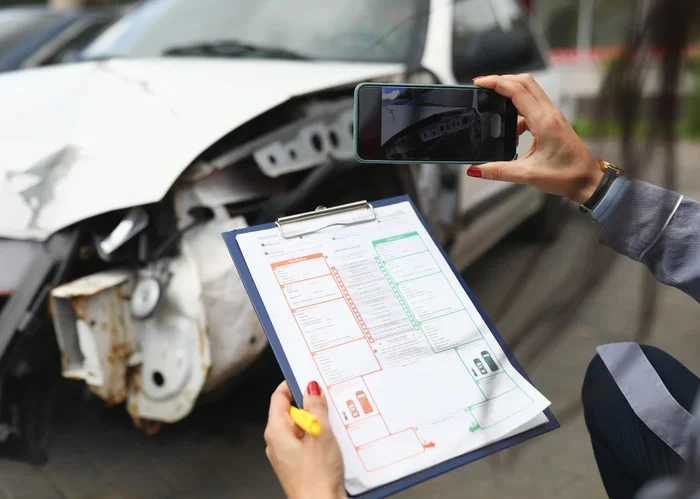
The adjuster will also evaluate the physical condition of your car. They look at the exterior and interior. They check the mechanical systems. They review your maintenance history. Every scratch, dent, and worn-out tire factors into the final number.
This is why keeping good records matters. If you have receipts for recent oil changes, new tires, or repairs, provide them to the adjuster. These documents support your claim that your car is in better shape than the average vehicle of the same age and mileage.
The Comparable Sales Method
Insurance companies also use something called the comparable sales method. This means they look at what similar vehicles sold for recently in your local market. If three cars just like yours sold in your zip code last month for $12,000, $12,500, and $13,000, your actual cash value will likely fall somewhere in that range.
The adjuster will compare your car’s specific details against those sold vehicles. Differences in mileage, condition, and features cause small adjustments. This is why two identical cars can have different actual cash values based on their individual history and condition.
Top Tools to Estimate the Actual Cash Value of Your Car
You do not need to wait for an insurance adjuster to find out what your car is worth. Several free and easy-to-use tools give you a solid estimate right now. Using multiple tools together gives you the most accurate picture.
Kelley Blue Book (KBB)
Kelley Blue Book is one of the most trusted names in car valuation. Their website and app let you enter your car’s details and receive an estimated actual cash value in seconds. KBB provides several numbers, including the trade-in value, the private party value, and the trade-in value at a dealer.
The private party value is usually the highest number. The trade-in value is the lowest. The actual cash value typically falls somewhere in between. KBB is an excellent starting point, but remember it is an estimate, not a guarantee.
Edmunds
Edmunds offers a similar tool with its own proprietary algorithm. What sets Edmunds apart is its detailed breakdown of how they arrive at their estimate. They show you the base value and then list adjustments for mileage, condition, and features. This transparency helps you understand exactly where your number comes from.
Edmunds also provides a True Market Value range, which shows what other buyers and sellers in your area are actually transacting at. This is incredibly useful for setting a realistic price or evaluating an offer from a dealer.
NADA Guides
The NADA Guides are published by the National Automobile Dealers Association. They are widely used by lenders and financial institutions when determining the value of a vehicle for a loan. NADA values tend to run slightly higher than KBB or Edmunds because they are based on dealer transactions rather than private sales.
If you are refinancing a car loan or trying to understand what a lender might offer, checking the NADA value is a smart move. Just remember that dealer-oriented values do not always reflect what a private buyer would pay.
Other Helpful Resources
Beyond the big three, several other resources can help you refine your estimate:
- CARFAX and AutoCheck provide vehicle history reports that can justify a higher value if your car has a clean record.
- Black Book is popular in certain regions and focuses on wholesale and retail pricing data.
- Local classifieds like Facebook Marketplace, Craigslist, and Autotrader let you see what sellers in your area are actually asking for similar cars.
- Recent auction data from platforms like Manheim can give insight into wholesale prices that dealers pay.
Quick Tips for Using Valuation Tools
- Always enter accurate mileage. Even 5,000 miles off can change your estimate significantly.
- Be honest about your car’s condition. Exaggerating will only lead to disappointment later.
- Use at least two tools and compare the results. If they are close, you have a reliable range.
- Check values from multiple months. Car values can shift with the seasons and economic conditions.
Key Factors That Affect Your Car’s Actual Cash Value
No two cars are exactly alike. Even vehicles of the same make, model, and year can have very different actual cash values. Understanding the factors that drive these differences helps you position your car for the best possible value.
Mileage
Mileage is one of the biggest factors in determining actual cash value. The average driver puts about 12,000 to 15,000 miles on a car each year. A car with below-average mileage for its age will be worth more. A car with above-average mileage will be worth less. This is simple wear-and-tear math. More miles mean more engine cycles, more brake wear, and more suspension degradation.
Vehicle Condition
Condition covers both the exterior and interior of your car. A well-maintained vehicle with clean paint, intact upholstery, and no rust will command a higher price. Conversely, a car with dents, stains, cracked dashboards, and mechanical issues will be valued lower.
Maintenance records are your best friend here. A full service history proves that you took care of the vehicle. It tells a buyer or an insurance adjuster that the car has been properly maintained, which justifies a higher actual cash value.
Accident History
Even a minor accident can reduce your car’s value significantly. Structural damage, airbag deployment, or frame repairs all lower the actual cash value. This is true even if the repairs were done professionally. The car’s history is permanently affected, and most buyers and insurers factor that in.
Using a vehicle history report from CARFAX or AutoCheck can reveal past accidents. If your car has a clean history, that is a major advantage when determining its value.
Market Demand and Seasonal Trends
Car values are not static. They shift based on supply and demand. Convertibles are worth more in the summer. Trucks and SUVs see higher demand in rural areas and during winter months. Electric vehicles are gaining value as fuel prices rise and more charging infrastructure is built.
Regional demand also plays a role. A car that is popular in one state might not be in demand in another. All-wheel-drive vehicles, for example, command higher prices in snowy regions. Understanding your local market helps you set accurate expectations for your car’s actual cash value.
Options and Features
Extra features add value to your car. Leather seats, a sunroof, navigation systems, heated seats, and advanced safety features all contribute to a higher actual cash value. On the other hand, missing features or outdated technology can lower the value.
When using valuation tools, make sure you accurately report all options. Even small details like a backup camera or Bluetooth connectivity can affect the final number.
Color and Popularity
Believe it or not, your car’s color matters. Neutral colors like white, black, silver, and gray tend to hold their value better than bold or unusual colors. Popular models and trim levels also retain value more effectively than niche or discontinued vehicles.
Tips to Get the Best Actual Cash Value for Your Vehicle
Now that you understand how actual cash value works and what affects it, let’s talk about how to maximize it. Whether you are selling, trading in, or waiting for an insurance payout, these strategies can help you get the most money for your car.
1. Clean and Detail Your Car
First impressions matter enormously. A clean, well-detailed car looks better and feels more valuable. Get a professional detailing job if you can. Wash the exterior, vacuum the interior, and clean the windows. Small cosmetic fixes like fixing a cracked mirror or replacing a worn floor mat can make a big difference.
2. Gather Your Maintenance Records
As mentioned earlier, maintenance records are powerful evidence of a well-cared-for vehicle. Gather every receipt and service record you have. Organize them by date and service type. Present them clearly to any buyer or adjuster. This documentation can justify a higher actual cash value and build trust with the other party.
3. Know Your Numbers Before You Negotiate
Never walk into a negotiation without knowing your car’s actual cash value from multiple sources. If a dealer or insurance company offers you less than what your research shows, be ready to present your evidence. Print out the estimates from KBB, Edmunds, and local listings. A well-prepared argument is hard to ignore.
4. Consider Selling Privately
Selling your car privately almost always gets you more money than trading it in or selling it to a dealer. The trade-in value is the lowest number you will see. A private sale lets you capture the private party value, which is typically 10% to 15% higher.
The trade-off is that private sales take more time and effort. You handle the listing, the inquiries, the test drives, and the paperwork. But for most sellers, the extra money is worth it.
5. Time Your Sale Strategically
Timing affects your car’s value. Sell during peak demand seasons for your vehicle type. Convertibles sell best in spring and summer. Trucks and SUVs sell well in fall and winter. Avoid selling during periods when supply is high and demand is low, as that drives prices down.
Common Mistakes to Avoid
- Overvaluing your car. Emotional attachment makes us think our car is worth more than it is. Base your price on data, not feelings.
- Ignoring minor repairs. A $200 fix can increase your car’s value by $1,000 or more. Do not skip small repairs before selling.
- Accepting the first offer. The first offer from a dealer or insurer is rarely their best offer. Always negotiate.
- Skipping the vehicle history report. Buyers and insurers want to see a clean history. A vehicle history report builds confidence and supports your asking price.
Expert Insights
Industry professionals consistently advise that the best approach is preparation. Get your actual cash value estimate weeks or months before you plan to sell or file a claim. This gives you time to address any issues, gather documentation, and position your car for the best possible value. Patience and research pay off at the negotiation table.
Another expert tip is to understand the difference between book value and market value. Book value comes from databases like KBB and Edmunds. Market value is what real buyers are actually paying in your specific area. Always lean toward market value when setting expectations or negotiating a deal.
Key Takeaways
- Actual cash value reflects what your car is worth today, not what you paid for it. Depreciation reduces value every year.
- Use multiple valuation tools like Kelley Blue Book, Edmunds, and NADA Guides to get a reliable estimate.
- Insurance companies use databases, condition assessments, and comparable sales to calculate the actual cash value for claims.
- Factors like mileage, condition, accident history, and market demand all shape your car’s final value.
- You can and should negotiate. Never accept a low offer without comparing it to independent estimates and recent sales data.
- Private sales typically yield the highest return. Trade-in values from dealers are usually the lowest option available.
- Preparation is everything. Gather records, detail your car, and know your numbers before any negotiation begins.
Conclusion
Determining the actual cash value of your car does not have to be confusing or intimidating. With the right tools, a clear understanding of the factors involved, and a bit of preparation, you can find an accurate and fair value for your vehicle. Whether you are selling, trading in, or dealing with an insurance claim, knowledge is your greatest asset.
Start by using trusted resources like Kelley Blue Book, Edmunds, and NADA Guides. Compare your results with local market listings. Gather your maintenance records and be honest about your car’s condition. When you have solid data on your side, you can negotiate confidently and get the best possible outcome.
The actual cash value is not just a number on a screen. It represents the real-world market value of your vehicle at this moment in time. Treat it with the respect it deserves, and it will work in your favor when it matters most.
Take action today. Look up your car’s value, understand what drives it, and use that knowledge to make smarter decisions. Your future self will thank you when you walk away with a fair deal and a full wallet.
Frequently Asked Questions
How is actual cash value different from book value?
Book value comes from published guides like Kelley Blue Book or Edmunds. It is a standardized estimate based on broad data. Actual cash value is the specific amount your car is worth in your local market at this moment. Insurance companies often use book value as a starting point but adjust it for local conditions and your car’s individual history.
Can I dispute an insurance company’s actual cash value offer?
Yes, you absolutely can. If you believe the offer is too low, gather your own independent estimates from multiple valuation tools. Provide maintenance records, receipts for recent repairs, and photos of your car’s condition. Present comparable local sales data to support your case. Many insurers will adjust their offer when presented with strong evidence.
Does car color really affect the actual cash value?
It can, but the effect is usually small. Neutral colors like white, black, silver, and gray tend to sell faster and hold value slightly better than bold or unusual colors. The impact is more noticeable in certain markets and vehicle types. Overall, color is just one of many factors that influence actual cash value.
How often should I check my car’s actual cash value?
It is a good idea to check your car’s value at least once a year. Values shift with market conditions, mileage changes, and seasonal demand. If you are planning to sell or trade in your vehicle, check the value a few months ahead of time so you can set a realistic price and prepare your car accordingly.
What is the difference between actual cash value and fair market value?
The terms are closely related and often used interchangeably. Fair market value refers to the price a willing buyer and seller would agree on in a normal transaction. Actual cash value is the term insurance companies prefer. Both aim to capture the same concept: what is this car worth today in the current market? The practical difference is mainly in terminology, not in the underlying calculation.
Will aftermarket modifications increase my car’s actual cash value?
Sometimes, but not always. Performance upgrades, quality audio systems, and practical add-ons like roof racks can add value. However, some modifications may actually decrease value if they are unpopular or poorly installed. Keep all receipts for aftermarket work and be prepared to explain the benefits to potential buyers or adjusters.