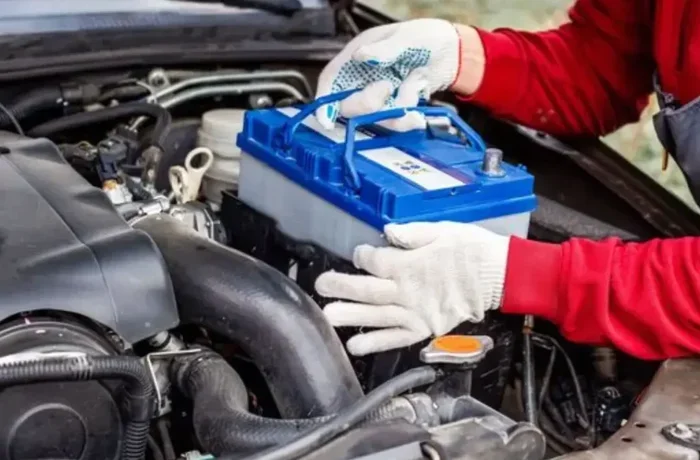
How Much Should a Battery Cost for Your Everyday Drive
How much should a battery cost depends on the type, brand, and vehicle you drive. A standard car battery price ranges from $50 to $250, while premium AGM batteries can go higher. This guide breaks down every factor so you never overpay for your auto battery again.
Let’s talk about something every driver deals with eventually. Your car battery dies. Maybe it happened on a cold morning. Maybe it just refused to turn over one afternoon. Either way, you are standing in an auto parts store or browsing online, staring at price tags and wondering, “How much should a battery cost?”
The answer is not as simple as picking a number. Battery prices swing wildly based on type, brand, vehicle model, and where you buy. A basic car battery price might start around fifty dollars. But a premium setup for a luxury SUV could hit three hundred or more. This guide walks you through every factor that shapes the cost. You will learn what you should pay, why prices differ, and how to avoid getting ripped off. Let us dive in.
Key Takeaways
- Battery prices vary widely: Expect to pay between $50 and $250 for most standard vehicles.
- Battery type matters a lot: Lead-acid, AGM, and EFB batteries all carry different price tags.
- Vehicle type affects cost: Luxury and hybrid vehicles often need pricier, specialized batteries.
- Brand reputation plays a role: Top brands like Interstate and DieHard cost more but offer better warranty.
- Installation fees add up: Some shops charge $20 to $50 extra for professional battery installation.
- Maintenance extends battery life: Simple habits can add years to your battery’s lifespan.
- Timing your purchase saves money: Shop during seasonal sales and compare prices across stores.
📑 Table of Contents
- Understanding Battery Types and Their Prices
- What Affects Battery Cost
- Average Battery Prices by Vehicle Type
- When Should You Replace Your Battery
- How to Get the Best Deal on a Battery
- Battery Maintenance Tips to Extend Life
- Common Mistakes People Make When Buying a Battery
- Expert Insights on Battery Pricing
- Key Takeaways
- Conclusion
Understanding Battery Types and Their Prices
Not all batteries are created equal. Before you shop, you need to know which type fits your vehicle. Each battery type comes with its own price range and performance level. Let us break them down.
Lead-Acid Batteries
The lead-acid battery is the most common type on the road today. It has been around for over a century and powers most standard vehicles. These batteries use a chemical reaction between lead plates and sulfuric acid to create electrical energy. They are reliable, affordable, and widely available.
You can expect to pay between fifty and one hundred dollars for a standard lead-acid unit. They work well for everyday commuting and short trips. However, they require occasional maintenance. You may need to check the electrolyte levels and clean the battery terminals every few months. Overall, they offer solid value for the money.
AGM Batteries
Absorbent Glass Mat, or AGM, batteries are a step up. They use a special glass mat separator that holds the electrolyte in place. This design makes them spill-proof and vibration-resistant. They also handle deep cycling better than traditional lead-acid batteries.
AGM battery cost typically ranges from one hundred to two hundred and fifty dollars. They are ideal for vehicles with start-stop technology or heavy electrical demands. If you drive a modern car with lots of electronic features, an AGM unit might be worth the extra money. They also last longer, often reaching five to seven years of battery life expectancy.
EFB Batteries
Enhanced Flooded Batteries, or EFB, sit between standard lead-acid and AGM batteries. They offer improved cycling capability and durability. EFB batteries cost roughly seventy to one hundred and fifty dollars. They are common in European vehicles with moderate electrical demands. If your owner’s manual recommends an EFB, do not downgrade to a standard unit.
What Affects Battery Cost
Several factors influence the final battery replacement cost. Understanding these helps you make a smart purchase. Let us look at the biggest players.
Battery Group Size
Every vehicle requires a specific battery group size. This refers to the physical dimensions, terminal placement, and capacity. A group 24 battery costs differently than a group 35 or group 65. Using the wrong size can damage your electrical system. Always check your owner’s manual or consult a trusted mechanic before buying.
Cold Cranking Amps
Cold cranking amps, or CCA, measure a battery’s ability to start an engine in cold weather. The higher the CCA rating, the more power the battery delivers in freezing temperatures. Batteries with higher CCA ratings cost more. If you live in a cold climate, investing in a higher CCA battery pays off. It prevents those frustrating morning failures when temperatures drop.
Brand Reputation
Brand name matters in the battery world. Trusted brands like Interstate, DieHard, Optima, and Odyssey command higher prices. But they also offer better battery warranty coverage and longer lifespan. Budget brands may save you money upfront but could fail faster. Think of it as a long-term investment rather than a short-term bargain.
Warranty Coverage
A strong battery warranty gives you peace of mind. Most quality batteries come with a three- to five-year warranty. Some premium brands offer prorated replacement programs. This means you get partial credit if the battery fails after the full replacement period ends. Always read the warranty terms before you buy. A longer warranty often signals a better-quality product.
Retail Location and Markup
Where you buy affects the price significantly. Auto parts chains like AutoZone and O’Reilly often run promotions. Online retailers sometimes offer lower prices but add shipping costs. Dealerships tend to charge the most for battery installation. Warehouse clubs like Costco and Sam’s Club occasionally sell batteries below market rate. Shopping around can save you twenty to fifty dollars easily.
Average Battery Prices by Vehicle Type
Now let us get specific. Different vehicles need different batteries, and the car battery price reflects that. Here is a general breakdown to give you a realistic expectation.
Compact and Economy Cars
Small cars like the Honda Civic, Toyota Corolla, or Ford Focus use standard group 24 or group 35 batteries. These vehicles have modest electrical demands. A quality auto battery for an economy car typically costs between fifty and ninety dollars installed. You can find budget options for around forty dollars, but they may not last as long.
Mid-Size Sedans and SUVs
Mid-size vehicles like the Toyota Camry, Honda Accord, or Ford Explorer need group 34 or group 48 batteries. These units carry more capacity and often higher CCA ratings. The battery replacement cost for these vehicles ranges from seventy-five to one hundred and fifty dollars installed. If your vehicle has start-stop technology, expect to pay closer to the higher end or consider an AGM upgrade.
Luxury and Performance Vehicles
Luxury cars like BMWs, Mercedes, and Audis require specialized batteries. These vehicles have complex electrical systems and advanced features. The battery price for a luxury vehicle can range from one hundred and fifty to three hundred dollars or more. Some German models use proprietary battery designs that cost even more. Always check with a dealer or specialist for the correct part number.
Hybrid and Electric Vehicles
Hybrid vehicles use a separate 12-volt auxiliary battery alongside the high-voltage traction battery. The 12-volt battery is similar in cost to a standard unit, usually fifty to one hundred dollars. However, replacing the high-voltage battery pack is an entirely different story. Those replacements can cost thousands of dollars. The good news is high-voltage packs rarely need replacement during normal ownership.
When Should You Replace Your Battery
Timing your battery replacement matters. Replacing too early wastes money. Waiting too long leaves you stranded. Here is how to know when the time has come.
Signs Your Battery Is Failing
Watch for these warning signs. A slow engine crank when you turn the key is a red flag. Dimming headlights, especially at idle, signal weakening power. A swollen or bloated battery case means internal damage. If you see battery corrosion around the terminals, that can restrict current flow. A clicking sound without the engine starting often means the battery is dead or nearly dead.
Age and Testing
Most batteries last between three and five years. If yours is approaching four years old, consider getting a battery load test done. Many auto parts stores offer free testing. The test measures your battery’s actual capacity against its rated capacity. If it drops below eighty percent, replacement is wise. Do not wait for a dead battery to test it. Proactive testing saves you from unexpected breakdowns.
Seasonal Considerations
Extreme heat and extreme cold both shorten battery life. Summer heat causes fluid evaporation and internal corrosion. Winter cold reduces the battery’s ability to hold a charge. If you live in a region with harsh winters, replace your battery before the cold season hits. Fall is the ideal time for a battery check and replacement if needed.
How to Get the Best Deal on a Battery
Saving money on a battery purchase is entirely doable with a little strategy. You do not have to accept the first price you see. Here are proven ways to keep more money in your pocket.
Compare Prices Across Multiple Stores
Never buy the first battery you find. Check prices at local auto parts stores, online retailers, and warehouse clubs. Price differences of twenty to forty dollars are common for the same battery model. Online platforms often let you read battery reviews from real owners, helping you choose a reliable option.
Look for Core Charges and Recycling Programs
Many stores charge a core charge when you buy a new battery. This is a refundable deposit for returning your old battery. The core charge typically ranges from five to twenty dollars. You get it back when you return the old unit. Most stores also offer battery recycling programs, which is better for the environment and often required by law.
Ask About Installation Costs
Some retailers include free installation with your battery purchase. Others charge a separate fee. Ask upfront about the total cost including installation. If you feel comfortable doing it yourself, you can save the installation fee entirely. Just remember to disconnect the negative terminal first and wear safety gloves. Battery acid is corrosive, so handle with care.
Check for Manufacturer Rebates and Coupons
Battery manufacturers often run rebates through their websites or partner stores. Check the Interstate, DieHard, or Optima websites for current promotions. Stack coupons when possible. Some credit cards also offer cashback on auto parts purchases. A little research can knock ten to thirty dollars off your total bill.
Consider the Total Cost of Ownership
The cheapest battery is not always the best deal. A fifty-dollar battery that dies after two years costs more than an eighty-dollar battery that lasts five years. Factor in the battery life expectancy, warranty length, and your local climate. A slightly higher upfront cost often delivers better long-term value.
Battery Maintenance Tips to Extend Life
A good battery deserves proper care. Simple maintenance habits can add years to your battery lifespan and save you money in the long run. Here is what you should do.
Keep the Terminals Clean
Corrosion on battery terminals creates resistance and weakens performance. Mix baking soda with water and scrub the terminals with an old toothbrush. Rinse with clean water and dry thoroughly. Doing this twice a year keeps connections strong and reliable.
Secure the Battery Properly
A loose battery vibrates and can cause internal damage. Make sure the hold-down clamp is tight. Check it during every oil change or tire rotation. Vibration is one of the leading causes of premature battery failure.
Avoid Short Trips When Possible
Short trips do not give the alternator enough time to fully recharge the battery. If you only drive five minutes to the store, the battery never gets a full charge. Combine errands into longer trips when you can. Or consider a jump starter or battery maintainer for vehicles that sit idle frequently.
Turn Off Electronics Before Shutting Down
Headlights, interior lights, and audio systems draw power even when the engine is off. Make it a habit to turn everything off before you shut the engine down. This small habit reduces strain on the battery every single time.
Get Regular Load Tests
As mentioned earlier, a battery load test reveals your battery’s true condition before it fails completely. Many shops do this for free. Get one done annually after your battery reaches its third year. Early detection prevents surprises and gives you time to plan your replacement.
Common Mistakes People Make When Buying a Battery
Avoid these common pitfalls that cost drivers extra money and frustration.
Buying the cheapest option without checking compatibility. A bargain battery that does not fit your vehicle is useless. Always match the group size and CCA rating to your owner’s manual specifications.
Ignoring the warranty terms. Some batteries have short warranties that only cover replacement, not prorated refunds. Read the fine print and understand what you are getting.
Forgetting to reset electronic systems. Some vehicles lose radio presets, clock settings, or adaptive learning data when the battery is disconnected. Have a code ready if your radio requires one.
Skipping the old battery return. Forgetting to return your old battery means losing your core charge refund. Always bring the old unit back to the store.
Underestimating the need for professional installation. While DIY installation is possible, improper cable connection can damage your vehicle’s electrical system. If you are unsure, pay for professional battery installation. It is worth the peace of mind.
Expert Insights on Battery Pricing
Industry professionals agree that the battery replacement cost should reflect quality and compatibility. According to automotive experts, the average driver should budget one hundred to one hundred and fifty dollars for a standard replacement. This covers the battery unit and basic installation.
Certified mechanics also emphasize the importance of matching the battery to your driving habits. If you take frequent short trips, you need a battery that recharges efficiently. If you live in a cold climate, prioritize CCA ratings over price. A battery that fails in January costs far more than a quality unit that prevents the failure in the first place.
Top battery reviewers consistently recommend spending a little more on reputable brands. The battery warranty and battery life expectancy from quality brands often outperform budget options by a significant margin. Your local mechanic can also advise on the best battery type for your specific vehicle and driving conditions.
Key Takeaways
- Battery prices vary widely: Expect to pay between $50 and $250 for most standard vehicles.
- Battery type matters a lot: Lead-acid, AGM, and EFB batteries all carry different price tags.
- Vehicle type affects cost: Luxury and hybrid vehicles often need pricier, specialized batteries.
- Brand reputation plays a role: Top brands like Interstate and DieHard cost more but offer better warranty.
- Installation fees add up: Some shops charge $20 to $50 extra for professional battery installation.
- Maintenance extends battery life: Simple habits can add years to your battery’s lifespan.
- Timing your purchase saves money: Shop during seasonal sales and compare prices across stores.
Conclusion
So, how much should a battery cost? The honest answer is it depends. A standard car battery price for a typical sedan falls between fifty and one hundred dollars. A premium AGM unit for a luxury vehicle can exceed two hundred dollars. The key is understanding your vehicle’s needs and choosing a battery that matches those needs without overpaying.
Always compare prices across stores. Check the battery warranty before you buy. And never ignore the warning signs of a failing battery. A little research and planning goes a long way toward saving money and avoiding the hassle of a dead battery on the side of the road.
Take the time to understand your options. Ask questions at the auto parts store. Read battery reviews from other drivers. And invest in a quality unit that will serve you reliably for years. Your wallet and your peace of mind will thank you.
Next time someone asks you, “How much should a battery cost?” you will have a clear, confident answer. Share what you have learned here with friends and family. A little knowledge goes a long way in the world of car maintenance and battery replacement.
Frequently Asked Questions
How much should a basic car battery cost?
A basic lead-acid car battery typically costs between fifty and one hundred dollars. This price includes the battery unit and standard installation at most auto parts stores. Premium brands or higher CCA ratings may push the cost closer to one hundred and fifty dollars.
Is it cheaper to replace a battery yourself or at a shop?
DIY replacement saves you the installation fee, which usually runs twenty to fifty dollars. However, if you are not comfortable working with battery terminals and electrical connections, professional installation is worth the extra cost. Improper handling can damage your vehicle’s electrical system.
How long should a car battery last?
Most auto batteries last between three and five years. Extreme temperatures, short trips, and heavy electrical usage can shorten that lifespan. Regular maintenance and battery load testing after the third year help you catch weakness before a failure occurs.
What is the difference between a lead-acid and AGM battery?
A lead-acid battery uses liquid electrolyte and requires occasional maintenance. An AGM battery uses a fiberglass mat to absorb the electrolyte, making it spill-proof and maintenance-free. AGM batteries cost more but offer better durability and performance for vehicles with start-stop systems.
Does battery size affect the cost?
Yes, battery group size directly affects the price. Larger batteries with higher capacity and CCA ratings cost more. Always match the group size to your vehicle’s specifications to ensure proper fit and performance.
Can I return an old battery for a refund?
Most retailers charge a core charge that is fully refundable when you return your old battery. Simply bring the used unit back to the store where you purchased the new one. This recycling program also supports proper battery recycling and environmental safety.