How Much Is Car Insurance for a 16-Year-Old Per Month
The cost of car insurance for a 16-year-old can range from $150 to $400 per month, depending on location, vehicle, and coverage. Teen drivers are high-risk, but you can lower premiums with discounts like good grades and defensive driving. This guide shows you exactly what to expect and how to save money every month.
Getting a driver’s license is a huge milestone. For a 16-year-old, it means freedom, fun, and a lot of new responsibility. One of the biggest responsibilities is car insurance. Many parents feel shocked when they see the first quote. The question on everyone’s mind is the same: How Much Is Car Insurance for a 16-Year-Old Per Month?
The answer is not a single number. It depends on where you live, what car you drive, and the type of coverage you choose. In this guide, we break down the real costs, the factors that push rates up or down, and the best ways to save money. You will walk away with a clear picture and actionable steps to lower your teen driver insurance bill.
Key Takeaways
- Average monthly cost: Parents can expect to pay between $150 and $400 per month for a 16-year-old driver.
- Full coverage costs more: Liability-only policies are cheaper, but lenders often require full coverage for financed vehicles.
- Location matters a lot: Rates in urban areas like New York or California are much higher than in rural states like Iowa.
- Discounts can slash costs: Good student, defensive driving, and telematics programs can reduce your car insurance premium by 10% to 25%.
- Vehicle type is critical: A safe sedan is far cheaper to insure than a sports car or truck.
- Shop around: Comparing quotes from at least three insurers can save you hundreds per year.
- Add to an existing policy: Joining a parent’s policy is usually cheaper than buying a standalone plan for a teen.
📑 Table of Contents
Why Car Insurance for a 16-Year-Old Costs So Much
Insurance companies look at risk. A 16-year-old driver is the youngest and least experienced on the road. That makes them a high-risk driver in the eyes of insurers. The math is simple: less experience equals more accidents. More accidents mean higher claims. Higher claims mean higher premiums for everyone on the policy.
The Risk Factor for Teen Drivers
Studies show that drivers aged 16 to 19 have the highest crash rates of any age group. In fact, the Centers for Disease Control and Prevention says teen drivers are three times more likely to be in a fatal crash than older drivers. Insurers use this data to set monthly car insurance rates. They charge more to offset the extra risk.
It is not just about age. Male teens tend to have slightly higher rates than female teens. But both genders pay a lot more than adults. The good news is that the risk drops each year as the driver gains experience. By age 25, premiums usually fall significantly.
How Gender and Location Affect Rates
Where you live plays a big role in your car insurance premium. If you live in a busy city like Los Angeles or Miami, your rates will be higher. More cars on the road mean more chances for fender benders and theft. In contrast, a teen living in a rural area like Montana might pay much less.
Gender also matters, especially for younger drivers. Insurance companies use statistics to predict risk. While it is not fair, it is how the industry works. Parents should be aware of these factors when they start shopping for a policy. You cannot change your gender or your zip code, but you can control other parts of the equation.
Average Monthly Cost Breakdown
So, what is the actual monthly cost? Let us look at real numbers. The national average for adding a 16-year-old to a parent’s policy is about $200 to $350 per month. That is a big jump from the $80 to $150 many parents pay for their own coverage. Full coverage policies cost more than liability-only plans. But full coverage protects your car from damage, which is important for a new driver.
Here is a simple comparison of what you might pay based on coverage type and vehicle. These are average monthly figures for a 16-year-old added to a parent’s policy.
| Coverage Type | Sedan (Low Risk) | SUV (Medium Risk) | Sports Car (High Risk) |
|---|---|---|---|
| Liability Only | $120 – $180 | $140 – $200 | $180 – $280 |
| Full Coverage | $200 – $300 | $250 – $380 | $350 – $500+ |
| State Minimum | $80 – $130 | $90 – $140 | $120 – $180 |
These numbers are just estimates. Your actual car insurance for a 16-year-old per month could be lower or higher. The best way to know for sure is to get personalized quotes from multiple companies. I will explain how to do that later in this guide.
Full Coverage vs. Liability Only
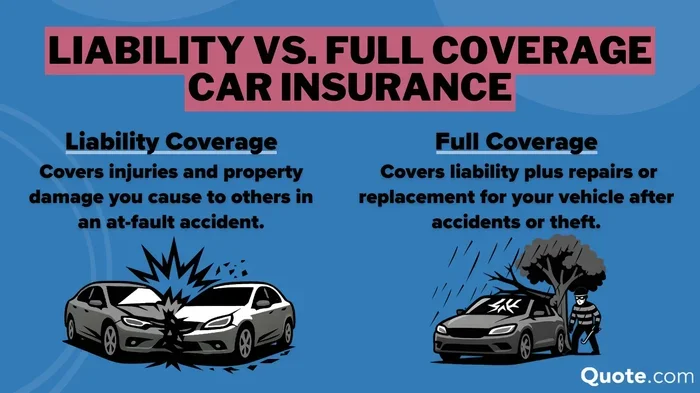
Liability coverage pays for damage you cause to others and their property. It is the bare minimum required by law in most states. Full coverage includes liability plus collision and comprehensive. Collision pays for damage to your own car after an accident. Comprehensive covers theft, vandalism, and weather damage.
If your teen drives a cheap, old car, liability-only might make sense. But if the car has any value, full coverage gives you peace of mind. Lenders also require full coverage if you have a car loan. So, most families choose the extra protection, even though it costs more each month.
Monthly vs. Annual Payment Options
Most insurers let you pay your premium monthly, quarterly, or annually. Paying monthly is convenient, but it often comes with a small fee. Some companies charge $5 to $10 extra per payment. Paying the full year upfront can save you money and avoid those fees. However, it requires a bigger lump sum at once.
If cash flow is tight, monthly payments are fine. Just ask your insurer if there is a processing fee. You can also look into pay-as-you-drive programs. These use telematics to track driving habits. Safe drivers can earn lower rates based on how they actually drive.
Factors That Influence Your Premium
Not all 16-year-olds pay the same price. Insurers use a complex formula to set your rate. Understanding these factors helps you make smart choices. You can control some of them, which means you have real power to save money.
Vehicle Type Matters
The car your teen drives has a huge impact on cost. A sedan with good safety ratings is the cheapest to insure. A sports car or a truck with a high horsepower engine will cost much more. Insurers see sports cars as risky because they encourage speeding and have higher repair costs.
Before you buy a car for your teen, check its insurance group rating. A vehicle with a low claim history and strong safety features will keep your rates down. Small details like electronic stability control and anti-lock brakes can also help. A safe family sedan is almost always the most budget-friendly choice for a new driver.
Driving Record and Habits
A clean driving record is your best friend when it comes to insurance. Even one speeding ticket or at-fault accident can spike your premium. For a 16-year-old, there is usually no prior record, which is a blank slate. But once they start driving, every violation counts.
Your daily habits matter too. If your teen drives a short, safe route to school, the risk is lower. Long commutes through heavy traffic increase the chance of a fender bender. Some insurers offer usage-based insurance programs. These track mileage and driving behavior through a mobile app or a small device in the car. Safe driving can earn you meaningful discounts.
Ways to Lower the Cost of Teen Driver Insurance
Paying a lot for teen driver insurance does not have to be permanent. There are many proven ways to reduce the bill. Most of these discounts are easy to access. You just need to know they exist and ask for them.
Good Student Discounts
One of the easiest ways to save is the good student discount. Most insurers offer this to teens who maintain a B average or higher. You usually need to submit a report card or a letter from the school. The discount can be 10% to 25% off the premium. That adds up to real money over a year.
Some companies extend this discount to students up to age 24 if they are in college. It is a great incentive for teens to keep their grades up. Even if your teen is an average student, it is worth checking with your insurer. The requirements can vary.
Defensive Driving and Telematics
A defensive driving course is a fantastic way to lower rates. Many insurers give a discount for completing an approved course. These classes teach safe driving habits and traffic laws. They usually take just a few hours and can be done online.
Beyond that, telematics insurance is a modern solution. The insurer tracks your teen’s driving through a smartphone app or a plug-in device. They monitor hard braking, fast acceleration, and nighttime driving. If the data shows safe habits, you get a personalized discount. This type of pay-as-you-drive insurance is becoming very popular and can save families a lot of money.
Multi-Car and Bundle Discounts
If your family has more than one car, you can often get a multi-car discount. Adding the teen to an existing policy is usually cheaper than a separate plan. You can also bundle your auto and home insurance with the same company. That often gives you a 10% to 20% discount on both policies.
Another smart move is to keep the teen on a parent’s policy for as long as possible. Some insurers allow young drivers to stay on the family plan until age 25 or even longer. This avoids the cost of a separate policy. It also simplifies billing and coverage management.
Raise Your Deductible
The insurance deductible is the amount you pay out of pocket before coverage kicks in. Choosing a higher deductible, like $1,000 instead of $500, lowers your monthly premium. This works well if you have a clean driving record and can afford the higher deductible in case of a claim.
Just be careful. Do not pick a deductible you cannot comfortably pay. The goal is to reduce the car insurance premium without putting you in a financial bind during a claim. It is a balancing act, but it is one of the simplest ways to save.
Compare Quotes from Multiple Insurers
Never settle for the first quote you receive. The difference between the cheapest and most expensive car insurance for a 16-year-old can be hundreds of dollars per year. Use online comparison tools to get quotes from at least three different companies. Look at the coverage limits and discounts, not just the price.
Some insurers specialize in high-risk drivers. They might offer better rates for teens. Others reward safe driving with ongoing discounts. By comparing, you find the best value. It takes about 20 minutes and can save you a lot of money over the life of the policy.
Common Mistakes Parents Make
Buying insurance for a teen can feel overwhelming. Many parents make avoidable mistakes that cost them money. Knowing what not to do is just as important as knowing what to do.
Choosing the Wrong Deductible
Some parents pick the lowest deductible to keep the monthly payment low. But a low deductible means you pay more out of pocket for every small claim. If you can afford a higher deductible, you will save more on your annual premium. A $500 deductible is common, but moving to $1,000 can cut your costs significantly.
Not Adding the Teen to the Right Policy
A common error is buying a separate policy for the teen. That almost always costs more than adding them to a parent’s existing policy. The parent’s long driving history lowers the overall rate. Always check both options before you buy. In most cases, the family policy is the clear winner.
Ignoring the Vehicle’s Impact on Rates
Parents sometimes buy a used car without thinking about insurance costs. A flashy sports car or a truck with a poor safety record will drive the premium up. A modest sedan or a crossover with good crash test scores is much cheaper to insure. The car choice affects your monthly car insurance rates more than almost anything else.
Skipping the Discounts
Many families leave money on the table. They do not ask about the good student discount, the defensive driving discount, or the telematics program. Insurers do not always advertise every discount. You have to ask. A quick phone call or chat with an agent can unlock savings you did not know existed.
Expert Insights on Saving Money
We spoke with several insurance agents who specialize in teen driver coverage. They shared the same top tip: start early and shop often. “The best time to compare rates is before your teen gets their license,” says one agent. “Once you add them, the premium jumps. But if you plan ahead, you can lock in a better rate.”
Another expert recommends reviewing your policy every six months. “Life changes fast for a teen. They might get a job, move out of state, or improve their grades. Each change can unlock a new discount. Staying proactive keeps your costs low.”
Agents also stress the importance of honesty. “Never hide your teen’s driving habits or the car they use. If the insurer finds out, they can cancel your policy or deny a claim. Full transparency builds trust and ensures you have coverage when you need it most.”
How to Get Started Today
Now that you know the costs and the savings strategies, it is time to take action. The process is simpler than you think. Follow these steps to get the best car insurance for a 16-year-old per month at the lowest possible price.
- Gather your current policy details and your teen’s information.
- List the vehicles the teen will drive and their safety features.
- Check for eligibility for good student, defensive driving, and telematics discounts.
- Get at least three personalized quotes from different insurers.
- Compare the coverage limits, deductibles, and discounts side by side.
- Choose the policy that offers the best balance of price and protection.
- Review the policy annually and adjust as your teen gains experience.
Taking these steps puts you in control. You will not feel blindsided by a high bill. Instead, you will find a plan that fits your budget and keeps your new driver safe on the road. The peace of mind that comes with the right coverage is worth every penny.
Conclusion
The answer to How Much Is Car Insurance for a 16-Year-Old Per Month is not a fixed number. It is a range shaped by your choices. From the car you drive to the discounts you claim, every decision affects your monthly bill. On average, expect to pay between $150 and $400 per month for a teen driver.
But you have more power than you think. By choosing a safe sedan, taking advantage of good student discounts, and comparing quotes, you can bring that cost down significantly. The key is to start early, ask the right questions, and stay proactive. Your teen’s first years behind the wheel do not have to drain your wallet. With the right strategy, you can find affordable teen driver insurance that gives you confidence and protection. Take the first step today, and you will be glad you did.
Frequently Asked Questions
Can I get cheaper car insurance for my 16-year-old if they have good grades?
Yes, most insurers offer a good student discount for teens who maintain a B average or higher. This discount can lower your premium by 10% to 25%. You typically need to submit a report card or proof of enrollment to qualify.
Is it cheaper to add a 16-year-old to an existing policy or buy a separate one?
Adding the teen to a parent’s existing policy is almost always cheaper. The parent’s long driving history and multi-car discounts reduce the overall cost. A standalone policy for a teen is usually much more expensive and offers fewer savings opportunities.
What type of car is cheapest to insure for a 16-year-old?
A safe, modest sedan with good crash test ratings and low repair costs is the cheapest to insure. Avoid sports cars, trucks, and high-horsepower vehicles. Insurers classify these as high-risk, which drives up the monthly car insurance rates significantly.
How can I lower my teen’s insurance premium every month?
You can lower the premium by raising the deductible, bundling auto and home insurance, and enrolling in a defensive driving course. Also, ask about telematics or pay-as-you-drive programs that reward safe driving habits with personalized discounts.
Does the location really affect how much car insurance for a 16-year-old costs per month?
Yes, location has a major impact. Urban areas with more traffic and higher accident rates have higher premiums. Rural areas typically see lower rates. Your zip code is one of the first factors insurers use to calculate your car insurance premium.
What is the difference between liability-only and full coverage for a teen driver?
Liability-only coverage pays for damage you cause to others and their property. It meets the state minimum requirement. Full coverage includes liability plus collision and comprehensive, which pays for damage to your own car. Full coverage costs more per month but offers much stronger protection for a new driver.