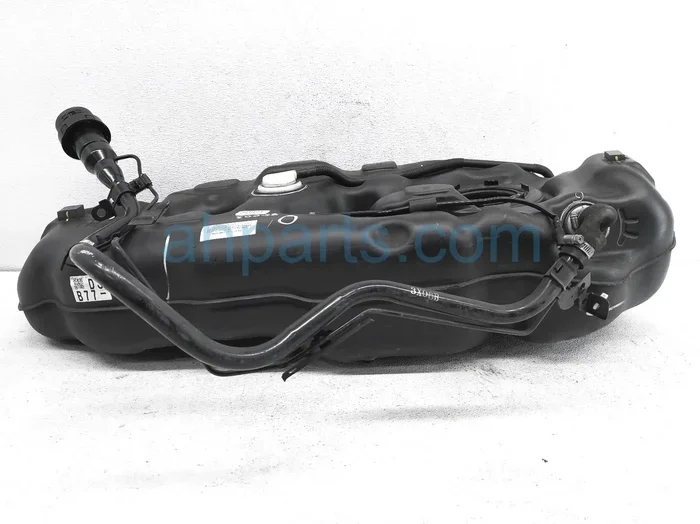
How Big Is the Gas Tank on a Nissan Rogue in Gallons
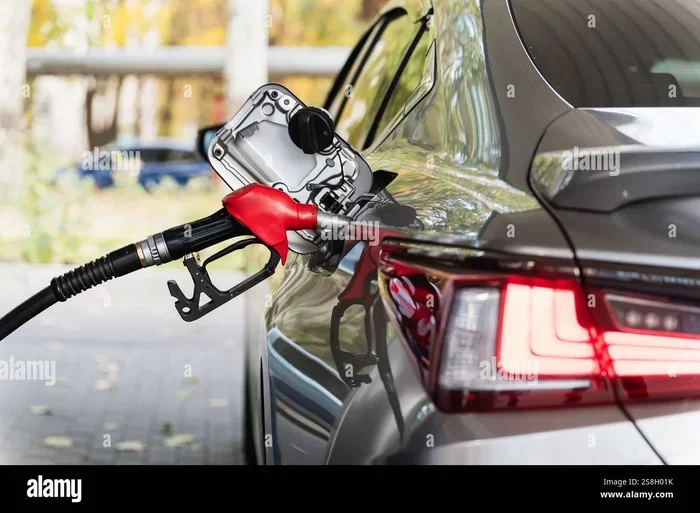
The Nissan Rogue holds approximately 14.5 gallons of fuel in its gas tank. This standard tank size gives drivers a solid driving range of around 400 to 500 miles on a single fill-up depending on driving conditions. Whether you own a Rogue SE, Rogue SL, or Rogue Platinum, the fuel tank capacity stays consistent across most trims and model years.
If you drive a Nissan Rogue or are thinking about buying one, you probably have asked yourself one simple question: how big is the gas tank? The answer matters more than most people think. Your fuel tank size directly affects your driving range, how often you stop to refuel, and even your overall cost of ownership.
The Nissan Rogue is one of the best-selling compact SUVs on the market. It offers a great balance of space, comfort, and fuel efficiency. But knowing the exact gas tank capacity helps you plan road trips, budget for fuel costs, and compare it against other SUVs in its class. In this guide, we break down everything you need to know about the Nissan Rogue fuel tank size in gallons.
We will cover the tank capacity across different model years, compare it with competitors, and share practical tips to get the most out of every gallon. Whether you are a current Rogue owner or shopping for your next vehicle, this article has you covered.
Key Takeaways
- Standard Tank Size: The Nissan Rogue gas tank holds 14.5 gallons across nearly all recent model years and trims.
- Driving Range: With an average fuel economy of 28-35 MPG, you can expect 400 to 500 miles per full tank.
- Consistent Across Trims: The Rogue SE, Rogue SV, Rogue SL, and Rogue Platinum all share the same 14.5-gallon fuel tank.
- Hybrid Version: The Rogue Hybrid also uses a 14.5-gallon tank but delivers better fuel economy thanks to its electric motor assist.
- Refueling Tips: Keeping your tank at least a quarter full helps protect the fuel pump and ensures you never run low unexpectedly.
- Model Year Consistency: The 14.5-gallon tank has remained the same from the 2021 through 2024 model years.
📑 Table of Contents
- Nissan Rogue Gas Tank Capacity: The Basics
- Fuel Economy and Driving Range on a Full Tank
- Gas Tank Size Across Model Years
- How to Maximize Your Fuel Efficiency
- Nissan Rogue Tank Size: How It Stacks Up Against Competitors
- Common Mistakes People Make About Fuel Tanks
- Expert Tips for Nissan Rogue Owners
- Key Takeaways
- Frequently Asked Questions
- Conclusion
Nissan Rogue Gas Tank Capacity: The Basics
The standard Nissan Rogue gas tank holds 14.5 gallons of fuel. This number has remained consistent across recent model years, including the 2021, 2022, 2023, and 2024 model ranges. No matter which trim level you choose, from the base Rogue S to the top-tier Rogue Platinum, the tank size stays the same at 14.5 gallons.
This is a well-designed capacity for a compact SUV. It strikes a nice balance between giving you enough fuel for long drives and keeping the vehicle lightweight. A larger tank would add weight and reduce fuel economy. A smaller tank would mean more frequent stops at the gas station. At 14.5 gallons, the Nissan Rogue hits a sweet spot that most drivers will appreciate.
How Does the Tank Size Compare to Other Nissan Models?
To put the 14.5-gallon tank into perspective, let us look at how it compares to other popular Nissan SUVs:
- Nissan Rogue: 14.5 gallons
- Nissan Altima: 16.2 gallons
- Nissan Pathfinder: 19.5 gallons
- Nissan Sentra: 12.2 gallons
As you can see, the Rogue sits in the middle of the pack. It holds more fuel than the compact Sentra but less than the larger Pathfinder. This makes sense given its position as a mid-size compact SUV. The 14.5-gallon tank is perfectly suited for its target audience of families and daily commuters.
Fuel Economy and Driving Range on a Full Tank
Knowing your tank size is only half the equation. The other half is understanding how far you can actually go on a full tank. That depends on your fuel economy, which varies based on driving conditions, trim level, and whether you drive the gas or hybrid version.
City vs Highway MPG for the Nissan Rogue
The Nissan Rogue delivers different fuel economy numbers depending on where you drive. Here is a general breakdown:
- City Driving: Around 26 to 28 MPG
- Highway Driving: Around 33 to 35 MPG
- Combined MPG: Around 29 to 31 MPG
City driving tends to use more fuel because of stop-and-go traffic. Highway driving allows the engine to run at a steady pace, which improves fuel economy. If you do a lot of highway miles, you will get more range out of that 14.5-gallon tank.
Calculating Your Driving Range
Here is a simple way to calculate your driving range on a full tank:
- Check your average MPG from your trip computer or a fuel tracking app.
- Multiply that number by 14.5 gallons.
- The result is your estimated range on a full tank.
For example, if your combined fuel economy is 30 MPG, you multiply 30 by 14.5. That gives you 435 miles of range. In real-world conditions, most Nissan Rogue owners report a range of 400 to 500 miles per full tank. This is more than enough for most daily commutes and weekend trips without needing to stop for gas.
Rogue Hybrid Fuel Tank and Range
The Nissan Rogue Hybrid also carries a 14.5-gallon fuel tank. However, the hybrid system delivers significantly better fuel economy. The Rogue Hybrid achieves around 32 to 34 MPG combined, which is noticeably better than the gas-only version.
This means the hybrid version can travel farther on a single tank. With 34 MPG and a 14.5-gallon tank, you get an estimated range of about 493 miles. That is a big advantage for anyone who frequently drives long distances or wants to minimize fuel stops.
Gas Tank Size Across Model Years
The Nissan Rogue has been on the market since 2007. Over the years, Nissan has made several updates to the vehicle. But has the fuel tank size changed? Let us take a closer look at how the tank capacity has evolved across different generations.
First Generation (2008-2013)
The original Nissan Rogue featured a slightly smaller fuel tank than the current model. The first-generation Rogue had a tank capacity of approximately 14.0 gallons. This was a minor difference but still provided a respectable driving range for its time.
Second Generation (2014-2020)
Nissan increased the tank size slightly in the second generation. From 2014 through 2020, the Rogue carried a 14.5-gallon fuel tank. This is the same capacity found in the current generation, which means the design proved effective and Nissan kept it unchanged.
Third Generation (2021-Present)
The current generation Nissan Rogue, introduced in 2021, continues with the 14.5-gallon tank. This includes the 2021, 2022, 2023, and 2024 model years. Whether you buy a Rogue S, Rogue SV, Rogue SL, or Rogue Platinum, the fuel tank capacity remains at 14.5 gallons.
Nissan has kept the tank size consistent across these recent years. This is good news for owners and buyers because it means parts, fuel planning, and comparisons remain straightforward across model years.
How to Maximize Your Fuel Efficiency
With a 14.5-gallon tank, every gallon counts. There are several things you can do to squeeze more miles out of each fill-up. These tips apply to all Nissan Rogue trims and model years.
Drive Smoothly and Avoid Aggressive Acceleration
Hard acceleration burns fuel quickly. Instead, ease off the gas pedal when starting from a stop. Gradual acceleration uses less fuel and is also safer on the road. Try to maintain a steady speed whenever possible. This is one of the simplest ways to improve your MPG.
Keep Your Tires Properly Inflated
Underinflated tires create more rolling resistance. This forces the engine to work harder and use more fuel. Check your tire pressure at least once a month. The recommended tire pressure for the Nissan Rogue is typically listed on a sticker inside the driver door jamb. Keeping tires at the correct pressure can improve fuel economy by up to 3 percent.
Reduce Excess Weight in Your Vehicle
Carrying heavy loads makes your engine work harder. Clean out your trunk and remove any unnecessary items from the cargo area. Every extra pound requires more fuel to move. A lighter vehicle simply gets better gas mileage.
Use Cruise Control on Highways
Cruise control helps maintain a constant speed on highways. This reduces unnecessary acceleration and deceleration, which wastes fuel. If you frequently drive long distances on the highway, using cruise control is an easy way to save gas.
Keep Up with Regular Maintenance
A well-maintained engine runs more efficiently. Change your oil on schedule, replace air filters when needed, and keep your spark plugs in good condition. These small maintenance tasks add up to better fuel economy over time. They also help extend the life of your vehicle.
Limit Idling Time
Idling burns fuel without moving the vehicle. If you expect to be stopped for more than a minute, turn off the engine. Modern Nissan Rogues have start-stop technology that does this automatically in some situations. But being mindful of idling time can still help you save fuel.
Nissan Rogue Tank Size: How It Stacks Up Against Competitors
When shopping for a compact SUV, it helps to compare the fuel tank size with rival models. Here is how the Nissan Rogue stacks up against some of its closest competitors:
Compact SUV Fuel Tank Comparison Table
The table below shows the fuel tank capacity for popular compact SUVs in the same class as the Nissan Rogue:
- Honda CR-V: 15.3 gallons
- Toyota RAV4: 14.5 gallons
- Ford Escape: 15.3 gallons
- Hyundai Tucson: 13.2 gallons
- Mazda CX-5: 13.2 gallons
- Subaru Forester: 15.3 gallons
The Nissan Rogue’s 14.5-gallon tank is right in line with the Toyota RAV4 and slightly below the Honda CR-V and Ford Escape. However, tank size alone does not tell the whole story. The Rogue Hybrid offers competitive fuel economy that can actually give it a longer driving range than some rivals with larger tanks.
When comparing vehicles, always consider both tank size and fuel economy. A smaller tank with better MPG can sometimes deliver more range than a larger tank with lower MPG. This is an important factor to keep in mind when evaluating the Nissan Rogue against competitors.
Common Mistakes People Make About Fuel Tanks
There are several common mistakes that Rogue owners make when it comes to their fuel tank. Avoiding these habits can save you money and keep your vehicle running smoothly.
Running the Tank Too Low
Many drivers wait until the fuel gauge hits empty before filling up. This is a bad habit. Running your tank very low can cause the fuel pump to overheat. The fuel pump relies on gasoline for cooling, and when the level gets too low, it has to work harder. Over time, this can lead to premature fuel pump failure. A good rule of thumb is to fill up when you hit a quarter tank.
Overfilling the Tank
Some people try to squeeze every last drop into the tank by topping it off after the pump clicks off. This can cause fuel to enter the charcoal canister, which is part of the emissions system. Over time, this can damage the canister and lead to expensive repairs. Let the pump do its job and stop when it clicks.
Ignoring the Fuel Cap
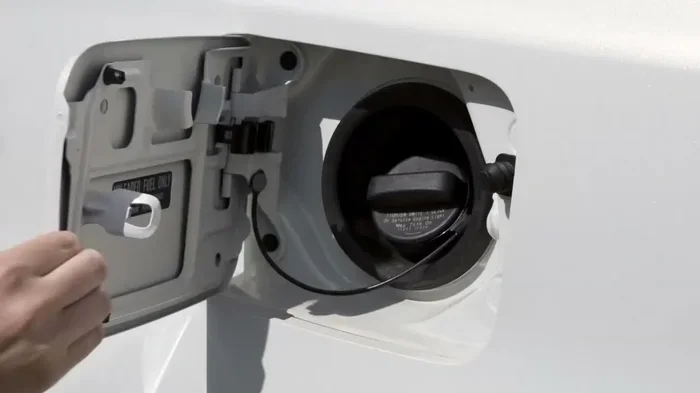
A loose or damaged fuel cap can cause fuel vapor to escape. This wastes fuel and triggers the check engine light in many vehicles. Make sure your fuel cap is tightened properly after every fill-up. If the cap is cracked or worn, replace it right away. A new fuel cap is inexpensive and easy to install.
Not Tracking Your Fuel Economy
Many people never pay attention to their actual fuel economy. They just fill up and go. But tracking your MPG over time can reveal important information about your vehicle’s health. If your fuel economy drops suddenly, it could signal a problem such as a clogged air filter, bad spark plugs, or a fuel system issue. Catching these problems early can save you from costly repairs down the road.
Expert Tips for Nissan Rogue Owners
Here are some extra tips from experienced Nissan Rogue owners and automotive experts:
- Use the recommended octane fuel: The Nissan Rogue runs well on regular unleaded gasoline. There is no need to pay extra for premium fuel unless your owner’s manual specifically recommends it.
- Plan fill-ups strategically: On long road trips, identify gas stations along your route before you leave. This prevents you from settling for overpriced fuel at highway rest stops.
- Keep a fuel log: Tracking your fill-ups, mileage, and MPG takes just a few minutes. Apps like GasBuddy or even a simple spreadsheet can help you spot trends and save money.
- Consider the Rogue Hybrid: If fuel economy is a top priority, the hybrid version delivers noticeably better MPG. The 14.5-gallon tank combined with hybrid efficiency gives you outstanding range.
- Store your vehicle in a garage when possible: Parking in a cooler environment reduces fuel evaporation and helps your engine start more efficiently in cold weather.
Key Takeaways
- Standard Tank Size: The Nissan Rogue gas tank holds 14.5 gallons across nearly all recent model years and trims.
- Driving Range: With an average fuel economy of 28-35 MPG, you can expect 400 to 500 miles per full tank.
- Consistent Across Trims: The Rogue SE, Rogue SV, Rogue SL, and Rogue Platinum all share the same 14.5-gallon fuel tank.
- Hybrid Version: The Rogue Hybrid also uses a 14.5-gallon tank but delivers better fuel economy thanks to its electric motor assist.
- Refueling Tips: Keeping your tank at least a quarter full helps protect the fuel pump and ensures you never run low unexpectedly.
- Model Year Consistency: The 14.5-gallon tank has remained the same from the 2021 through 2024 model years.
Frequently Asked Questions
How many gallons does a Nissan Rogue hold?
The Nissan Rogue holds 14.5 gallons of fuel in its gas tank. This capacity has been consistent across the 2021, 2022, 2023, and 2024 model years. All trims, including the Rogue S, Rogue SV, Rogue SL, and Rogue Platinum, share the same 14.5-gallon fuel tank capacity.
How far can a Nissan Rogue go on a full tank?
On a full tank of 14.5 gallons, a Nissan Rogue can travel approximately 400 to 500 miles depending on driving conditions. The gas-only version gets around 29 to 31 MPG combined, while the Rogue Hybrid achieves 32 to 34 MPG combined. Highway driving will give you more range than city driving.
Does the Nissan Rogue Hybrid have a different tank size?
No, the Nissan Rogue Hybrid uses the same 14.5-gallon fuel tank as the gas-only version. The difference is that the hybrid system delivers better fuel economy, which means you get more miles out of that same 14.5 gallons. The hybrid can achieve a range of nearly 500 miles on a full tank.
What type of fuel does the Nissan Rogue use?
The Nissan Rogue runs on regular unleaded gasoline with an octane rating of 87. There is no need for premium fuel. Using the recommended fuel type helps maintain engine performance and keeps fuel costs manageable for daily driving and commuting.
Is 14.5 gallons a good tank size for a compact SUV?
Yes, 14.5 gallons is a well-balanced tank size for a compact SUV like the Nissan Rogue. It provides a driving range of 400 to 500 miles on a full tank, which covers most weekly driving needs without frequent fill-ups. It also keeps the vehicle weight manageable, which supports good fuel economy.
Has the Nissan Rogue gas tank size changed over the years?
The tank size has remained at 14.5 gallons for the current generation (2021 and newer). The second-generation Rogue (2014-2020) also used a 14.5-gallon tank. The first-generation Rogue (2008-2013) had a slightly smaller tank of about 14.0 gallons. Overall, Nissan has kept the tank capacity stable in recent years.
Conclusion
The Nissan Rogue gas tank holds 14.5 gallons, and that single fact tells you a lot about this vehicle. It is a practical, well-thought-out design that balances capacity, weight, and fuel economy. Whether you commute to work every day or take weekend road trips, that 14.5-gallon tank gives you the range you need without unnecessary stops at the pump.
The fuel tank size stays the same across all trims and recent model years, which makes it easy to compare and plan. Add in the strong fuel economy of 29 to 31 MPG for the gas version and 32 to 34 MPG for the hybrid, and you get a vehicle that is efficient and practical in equal measure.
Understanding your Nissan Rogue fuel tank capacity helps you make smarter decisions about refueling, trip planning, and vehicle maintenance. Use the tips in this article to get the most out of every gallon. Keep your tank at least a quarter full, stay on top of maintenance, and drive smoothly. These small habits add up to big savings over time.
The Nissan Rogue continues to be one of the best choices in the compact SUV segment. Its 14.5-gallon tank is just one of the many reasons why so many drivers trust this vehicle for their daily transportation needs. Now that you know exactly how big the gas tank is, you can hit the road with confidence and a full tank of fuel.