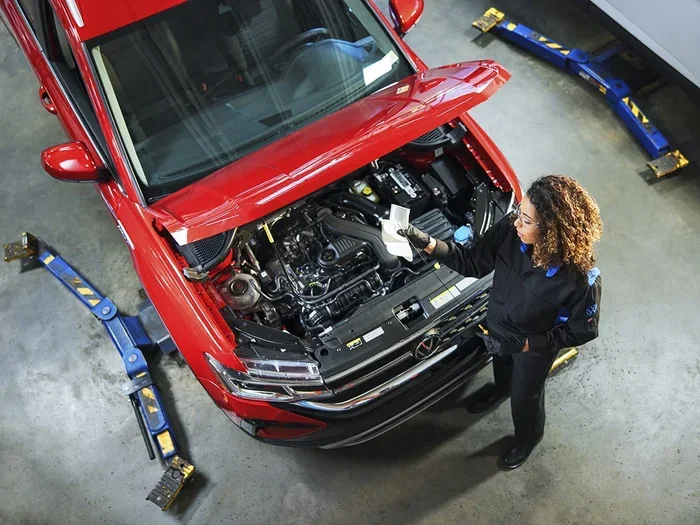
How Much Is an Oil Change at Volkswagen Dealership
How much is an oil change at a Volkswagen dealership? On average, you can expect to pay between $99 and $250, depending on your VW model, oil type, and location. Volkswagen oil change cost varies based on whether you use synthetic or conventional oil, your vehicle’s engine size, and any extra services included. VW dealership oil change packages often cover the oil filter, multi-point inspection, and manufacturer-recommended fluids. Knowing the breakdown helps you budget and avoid surprises at the service counter.
Let’s talk about something every Volkswagen owner deals with eventually: the oil change. Whether you just bought a new Jetta or you’ve been driving a Passat for years, staying on top of your oil change is one of the simplest ways to keep your car running strong. But here’s the question everyone asks — how much is an oil change at Volkswagen dealership? The answer isn’t always straightforward, and that’s exactly why we put this guide together.
In this article, we’ll walk you through the real Volkswagen oil change cost, what factors drive the price up or down, and what you actually get when you book a service at a VW dealership. We’ll also share practical tips to help you save money without cutting corners on quality. By the end, you’ll know exactly what to expect and how to plan your next service visit with confidence.
Key Takeaways
- Average cost: A Volkswagen oil change at a dealership typically runs $99 to $250.
- Oil type matters: Synthetic oil changes cost more than conventional but offer better protection for modern VW engines.
- What’s included: Most VW dealership oil changes cover the oil filter, drain plug, and a multi-point inspection.
- Interval guidance: Most VW models need an oil change every 10,000 miles or 12 months with synthetic oil.
- Saving tips: Look for VW service coupons, loyalty programs, and bundled maintenance deals to cut costs.
- Warranty impact: Sticking to the Volkswagen maintenance schedule at a dealership helps protect your new vehicle warranty.
- Model differences: Larger engines like the Tiguan or Passat may cost more to service than smaller ones like the Jetta.
📑 Table of Contents
- Average Volkswagen Oil Change Cost at a Dealership
- What’s Included in a Volkswagen Oil Change
- Oil Change Intervals for Volkswagen Vehicles
- Synthetic vs Conventional Oil for Volkswagen
- Dealership vs Independent Shop: Where Should You Get Your Oil Changed?
- Tips to Save Money on Your Volkswagen Oil Change
- Common Mistakes People Make With Volkswagen Oil Changes
- Expert Insights: What Volkswagen Service Advisors Want You to Know
- Key Takeaways
- Conclusion
Average Volkswagen Oil Change Cost at a Dealership
The VW oil change price at a dealership depends on several things. There’s no single flat rate that applies to every vehicle and every location. However, understanding the general price range helps you set a realistic budget.
For most Volkswagen models, a standard oil change at a dealership falls between $99 and $250. The lower end usually applies to smaller engines using conventional oil. The higher end comes into play when you opt for synthetic oil or drive a larger vehicle with a bigger engine.
Price Breakdown by Volkswagen Model
Different VW models have different engine sizes and oil capacities. Here’s a general idea of what you might pay:
- Volkswagen Jetta: $99 to $149 — one of the most affordable models to service.
- Volkswagen Golf: $109 to $159 — compact engine keeps costs moderate.
- Volkswagen Tiguan: $149 to $229 — larger engine and more oil capacity.
- Volkswagen Passat: $139 to $199 — mid-size sedan with a generous oil capacity.
- Volkswagen Atlas: $179 to $250 — the largest VW SUV needs the most oil.
These numbers reflect typical dealership pricing across the United States. Your local VW service center may vary slightly based on regional labor rates and the specific oil they use.
Why Prices Vary by Location
Dealerships in major cities often charge more than those in smaller towns. Labor rates differ from region to region. A dealership in New York City or Los Angeles will typically have higher operating costs, and that gets passed on to you. On the flip side, dealerships in suburban or rural areas may offer more competitive VW oil change price options.
Also, dealerships sometimes run seasonal promotions or oil change coupon events. These can knock $20 to $50 off the standard price. It’s always worth checking the service specials page on your local dealer’s website before you book.
What’s Included in a Volkswagen Oil Change
When you take your VW to a dealership for an oil change, you’re not just getting fresh oil poured in. A proper Volkswagen dealership service includes several steps designed to keep your vehicle in top shape.
Standard Services Included
Most Volkswagen oil change packages cover the following:
- Drain and refill of engine oil: Old oil is removed, and new oil matching your VW’s specifications is added.
- Oil filter replacement: A new OEM filter ensures clean oil flows through your engine.
- Multi-point inspection: Technicians check your brakes, tires, fluids, belts, and hoses.
- Tire pressure check: Proper inflation improves fuel economy and safety.
- Fluid top-off: Windshield washer fluid, coolant, and brake fluid levels are checked.
- Oil disposal: The old oil is recycled properly, which is better for the environment.
Some dealerships also include a complimentary car wash or vacuum as part of the service. It’s a small perk, but it adds value when you’re paying for a VW service special.
Additional Services That May Increase Cost
During your inspection, the technician might identify items that need attention. These could include:
- Air filter replacement
- Cabin filter replacement
- Brake pad inspection or replacement
- Spark plug replacement
- Transmission fluid service
These extras will bump up your total bill. Always ask for a detailed estimate before any additional work is done. A trustworthy VW service center will explain exactly what needs attention and why.
Oil Change Intervals for Volkswagen Vehicles
Knowing how often to change your oil is just as important as knowing the cost. Volkswagen has specific guidelines for each model, and following them keeps your engine healthy and your warranty intact.
Recommended Intervals by Oil Type
Most modern Volkswagen vehicles use synthetic oil and follow an extended drain interval. Here’s what the Volkswagen maintenance schedule generally looks like:
- Synthetic oil: Change every 10,000 miles or 12 months, whichever comes first.
- Conventional oil: Change every 5,000 to 7,500 miles or 6 months, whichever comes first.
These intervals apply to most VW sedans, SUVs, and hatchbacks sold in recent years. If you drive in severe conditions — like extreme heat, heavy traffic, or frequent short trips — you may want to shorten the interval by about 20 percent.
Why Sticking to the Schedule Matters
Skipping oil changes or going too long between services can cause serious engine damage. Old oil breaks down and loses its ability to lubricate moving parts. This leads to increased friction, heat buildup, and eventually premature wear on your engine.
For new Volkswagen vehicles, staying current with the Volkswagen maintenance schedule is also a warranty requirement. If you neglect oil changes and your engine suffers damage, the dealership could deny your warranty claim. That’s a costly mistake you definitely want to avoid.
Synthetic vs Conventional Oil for Volkswagen
The type of oil you choose has a big impact on both performance and Volkswagen oil change cost. Let’s break down the differences so you can make an informed decision.
Synthetic Oil
Synthetic oil is the standard recommendation for most Volkswagen models. It’s engineered in a lab to provide superior protection in a wide range of temperatures. Here’s why it’s worth the extra cost:
- Better thermal stability: Synthetic oil resists breaking down at high temperatures.
- Improved cold-weather flow: It circulates quickly even in freezing conditions, protecting your engine from the moment you start it.
- Longer drain intervals: You can go up to 10,000 miles between changes, which means fewer trips to the VW service center.
- Cleaner engine: Synthetic oil produces fewer deposits, keeping internals cleaner over time.
The price difference between synthetic and conventional oil at a dealership is usually around $30 to $60 more per change. Given the benefits, most VW owners find synthetic oil to be the better long-term investment.
Conventional Oil
Conventional oil is the traditional, mineral-based option. It works fine for older Volkswagen models or vehicles with simpler engines. However, it needs to be changed more frequently, which can add up over time.
Some drivers choose conventional oil for older VWs that are no longer under warranty. If your vehicle has high mileage and you’re not concerned about warranty coverage, conventional oil can be a budget-friendly choice. Just be prepared for more frequent service visits.
Which Oil Does Your VW Need?
The safest bet is to check your owner’s manual. Volkswagen specifies the exact oil type for VW engines, including the viscosity grade (like 0W-20 or 5W-40). Using the wrong oil can affect performance and may even void your warranty. When in doubt, ask the service advisor at your dealership.
Dealership vs Independent Shop: Where Should You Get Your Oil Changed?
This is a common debate among Volkswagen owners. Both options have pros and cons, and the right choice depends on your priorities.
Benefits of a Volkswagen Dealership
- OEM parts and oil: Dealerships use genuine Volkswagen parts and fluids that meet exact specifications.
- Trained technicians: VW-certified technicians know the ins and outs of your specific model.
- Warranty protection: Services performed at a dealership are documented and won’t void your warranty.
- Full service history: Every visit is recorded in the system, making future diagnostics easier.
- Access to recalls and updates: The dealership can address any open recalls or software updates while you’re there.
Benefits of an Independent Shop
- Lower cost: Independent shops often charge 20 to 40 percent less than dealerships.
- Convenience: There are usually more independent shops in your area, making scheduling easier.
- Faster service: Many independent shops offer same-day or walk-in appointments.
- Flexibility: You can choose your preferred oil brand and type without restrictions.
The Bottom Line
If your Volkswagen is still under warranty, sticking with the dealership for your VW oil change price is the smart move. Once the warranty expires, an independent shop can be a great way to save money — as long as they use quality parts and follow the manufacturer’s specifications.
Tips to Save Money on Your Volkswagen Oil Change
Nobody wants to overspend on car maintenance. The good news is there are several easy ways to reduce your Volkswagen oil change cost without sacrificing quality.
1. Look for Service Coupons
Volkswagen dealerships regularly offer oil change coupons, especially during seasonal transitions. Check the dealer’s website, sign up for their email list, or follow them on social media. A single coupon can save you $25 to $50 per visit.
2. Join the Volkswagen Loyalty Program
Many dealerships have loyalty or rewards programs for returning customers. These programs often include discounted service rates, free inspections, and priority scheduling. Signing up is usually free and takes just a couple of minutes.
3. Bundle Your Services
If your vehicle needs multiple services, consider bundling them into one visit. Dealerships often offer package deals when you combine an oil change with other maintenance tasks like tire rotation or brake inspection. This saves both time and money.
4. Keep Up With Regular Maintenance
It sounds counterintuitive, but staying current with your oil changes actually saves money in the long run. Fresh oil prevents engine wear, which means fewer expensive repairs down the road. Think of it as an investment in your vehicle’s longevity.
5. Ask About Certified Pre-Owned Benefits
If you bought a used Volkswagen that’s still certified pre-owned (CPO), you may have access to complimentary or discounted maintenance services. Check your CPO documentation or contact the dealership to see what’s included.
Quick Tips for Your Next Oil Change Visit
- Bring your owner’s manual so the service advisor can confirm your oil type and interval.
- Ask for a printed estimate before any work begins.
- Request to see the old oil filter — it gives you peace of mind that the service was actually performed.
- Note the next service due date and mileage on your receipt.
- Don’t feel pressured to approve extras you don’t need. It’s okay to ask questions.
Common Mistakes People Make With Volkswagen Oil Changes
Even the best-intentioned car owners sometimes make mistakes when it comes to oil changes. Here are a few to avoid.
Using the Wrong Oil
This is one of the most common errors. Not all oils are created equal, and Volkswagen engines are designed for specific formulations. Using the wrong oil type for VW can reduce engine efficiency and potentially cause damage over time.
Ignoring the Oil Change Light
Some drivers dismiss the oil change reminder and keep driving for thousands of extra miles. While modern synthetic oils are more durable, they still degrade over time. The oil change light exists for a reason — pay attention to it.
Skipping the Oil Filter
A cheap oil change that skips the filter isn’t really a full oil change. The filter traps contaminants and debris. Without a fresh filter, your new oil gets dirty faster, and your engine doesn’t get the full protection it needs.
Not Checking for Leaks After Service
After your oil change, take a quick look under the car before you drive off. If you see fresh oil drips or puddles, let the service advisor know right away. It could be a simple fix, like a loose drain plug, but catching it early prevents bigger problems.
Expert Insights: What Volkswagen Service Advisors Want You to Know
We spoke with several Volkswagen service advisors to get their honest perspective on oil changes. Here’s what they had to say.
“The biggest misconception we hear is that oil changes are just a money-making service,” says one senior advisor at a Midwest VW dealership. “The truth is, regular oil changes are the single most important thing you can do to extend your engine’s life. It’s cheap insurance.”
Another advisor shared this insight: “Customers often wait until the oil change light comes on, but we recommend planning ahead. Book your next appointment before you hit the due mileage. It keeps you on schedule and avoids that last-minute scramble.”
The consensus among VW professionals is clear: don’t skip oil changes, use the right oil, and build a relationship with your local dealership’s service team. It pays off in the long run.
Key Takeaways
- Average Volkswagen oil change cost: $99 to $250 at a dealership, depending on model and oil type.
- Synthetic oil is recommended for most modern VW vehicles and provides the best engine protection.
- Oil change intervals: Every 10,000 miles or 12 months for synthetic, and every 5,000 to 7,500 miles for conventional.
- A full VW dealership oil change includes oil, filter replacement, and a multi-point inspection.
- Dealership vs independent shop: Dealerships offer OEM parts and warranty protection; independent shops often cost less.
- Save money: Use coupons, join loyalty programs, and bundle services for the best value.
- Avoid common mistakes: Use the right oil, don’t ignore the reminder light, and always replace the filter.
Conclusion
So, how much is an oil change at Volkswagen dealership? The answer ranges from about $99 to $250, and the exact price depends on your specific model, the oil type you choose, and your local dealership’s pricing. While it might seem like a straightforward expense, understanding the breakdown helps you make smarter decisions about your vehicle’s care.
Staying current with your Volkswagen oil change cost isn’t just about keeping your car running. It’s about protecting your investment, maintaining your warranty, and avoiding expensive repairs down the road. A well-maintained Volkswagen can easily last well beyond 200,000 miles, and regular oil changes are a huge part of that equation.
Next time your VW is due for service, don’t hesitate to reach out to your local dealership. Compare the VW oil change price with your owner’s manual, ask questions, and take advantage of any available oil change coupon or service deal. Your car — and your wallet — will thank you in the long run.
Keep this guide bookmarked for future reference. And remember, the best time to schedule your next oil change is always today. Don’t wait for the light to come on. Your engine will perform better, last longer, and run smoother when you stay on top of this simple but essential maintenance task.
Frequently Asked Questions
How often should I get an oil change at a Volkswagen dealership?
Most modern Volkswagen models recommend an oil change every 10,000 miles or 12 months when using synthetic oil. Check your owner’s manual for the exact interval for your specific model and year.
Can I use my own oil for a Volkswagen oil change?
Yes, you can bring your own oil to a dealership, but it’s important to use the oil grade specified in your VW owner’s manual. Using the wrong oil may affect your warranty coverage.
Is it cheaper to get an oil change at a Volkswagen dealership or an independent shop?
Independent shops typically charge 20 to 40 percent less than dealerships. However, dealerships use OEM parts and certified technicians, which provides better warranty protection and peace of mind.
What oil does a Volkswagen need?
Most Volkswagen models require synthetic oil with a specific viscosity grade, usually 0W-20 or 5W-40. Always refer to your owner’s manual or ask the service advisor at your dealership.
Does Volkswagen offer oil change coupons?
Yes, many Volkswagen dealerships regularly offer oil change coupons and service specials. Check the dealership’s website, sign up for their email newsletter, or ask the service desk about current promotions.
Will getting an oil change at a dealership void my Volkswagen warranty?
No. In fact, getting your oil changed at a Volkswagen dealership helps protect your warranty. The service is documented, and using OEM parts ensures your vehicle meets manufacturer standards.