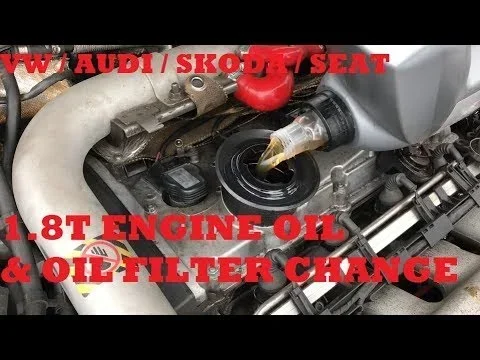
How Many Quarts Does a 18T Take to Fill Up the Tank
The 1.8T engine takes about 5.3 quarts of oil with a filter change and roughly 4.5 quarts without one. Knowing your fluid capacity helps you avoid overfilling and keeps your turbo engine running smoothly. This guide covers oil type, coolant capacity, and step-by-step fill instructions for VW and Audi 1.8T models.
If you own a VW or Audi with the 1.8T engine, you have probably asked yourself a simple but important question: how many quarts does a 1.8T take? Whether you are doing your first oil change or just trying to understand your engine specs, knowing the correct oil capacity is essential. The 1.8T is a popular turbocharged engine found in many Volkswagen and Audi models from the early 2000s through the mid-2010s. It is known for its strong performance and efficiency, but it also needs the right fluids to run at its best.
In this guide, we will walk you through everything you need to know about the 1.8T oil capacity. We will cover the exact number of quarts, the best oil type, other fluid capacities, and how to change your oil the right way. By the end, you will feel confident about maintaining your turbo engine without guessing or making costly mistakes.
Key Takeaways
- Oil Capacity: The 1.8T engine holds about 5.3 quarts with a new oil filter and 4.5 quarts without one.
- Recommended Oil Type: Use fully synthetic 5W-40 oil that meets VW 502.00 or 505.00 specifications for best performance.
- Coolant Capacity: The system holds roughly 1.3 gallons, which is about 5 quarts of coolant mixture.
- Common Mistakes: Overfilling oil or using the wrong viscosity can damage the turbo engine over time.
- Oil Change Interval: Most experts recommend changing oil every 5,000 to 7,500 miles for the 1.8T engine.
- Transmission Fluid: The DSG transmission in VW/Audi 1.8T models needs about 2.1 quarts of fluid.
- Regular Maintenance: Checking your oil level and fluid specs regularly extends the life of your turbo engine.
📑 Table of Contents
Understanding the 1.8T Engine and Its Oil Capacity
The 1.8T engine is a turbocharged four-cylinder engine made by Volkswagen. It was used in many popular cars, including the VW Golf, Jetta, Passat, Audi A4, and Audi TT. The “T” stands for turbocharged, which means a turbine forces extra air into the engine to create more power. This design gives the 1.8T a great balance of performance and fuel economy.
But with a turbo engine comes more responsibility when it comes to maintenance. The oil in your 1.8T does more than just lubricate moving parts. It also cools the turbo, cleans the engine internals, and prevents corrosion. That is why using the right oil capacity and the correct oil type matters so much.
What Is the 1.8T Engine?
The EA113 1.8T engine was a breakthrough for VW Group. It was one of the first small turbo engines that delivered real-world performance without guzzling fuel. The engine displaces 1.8 liters and produces between 150 and 180 horsepower depending on the tune. It was a favorite among car enthusiasts and daily drivers alike.
Because the 1.8T runs at higher temperatures than a naturally aspirated engine, the oil works harder. Heat breaks down oil over time, which is why regular oil changes are so important. And when you change the oil, you need to know exactly how many quarts to add. Too little oil and the engine starves for lubrication. Too much oil and you risk foaming, leaks, or even damage to the turbo seals.
Why Oil Capacity Matters for the 1.8T
Every engine has a specific oil capacity. This is the total volume of oil the engine can hold, including what sits in the oil pan, the galleries, and the filter. For the 1.8T engine, the oil capacity is well-documented, but it changes slightly depending on whether you are replacing the oil filter or not.
Getting the oil capacity right is not just about numbers on a spec sheet. It directly affects how well your engine runs. If the oil level is too low, the turbo bearings can overheat. If it is too high, the crankshaft can whip the oil into a froth, reducing lubrication. That is why understanding your 1.8T fill capacity is one of the most basic but important pieces of maintenance knowledge you can have.
How Many Quarts Does a 1.8T Take? The Full Breakdown
So, how many quarts does a 1.8T take? The answer depends on a few factors, but here is the most common breakdown for the VW/Audi 1.8T engine:
- Oil capacity with filter change: 5.3 quarts (5.0 liters)
- Oil capacity without filter change: 4.5 quarts (4.3 liters)
- Coolant capacity: 1.3 gallons (approximately 5 quarts)
- Transmission fluid (DSG): 2.1 quarts (2.0 liters)
These numbers apply to most 1.8T engines found in VW and Audi vehicles from 1999 to 2014. However, there can be slight variations depending on the specific model and year. Always check your owner’s manual for the exact fluid capacity for your car.
Oil Capacity With and Without Filter Change
When you do a full oil change, you replace both the oil and the filter. In this case, you need the full 5.3 quarts for the 1.8T engine. The oil filter holds about 0.8 quarts of oil, so when you drain the pan and remove the old filter, you lose both the old oil and the oil trapped in the filter.
If you are only topping off oil and not changing the filter, you need about 4.5 quarts to reach the full fill line. This is a good number to remember if you are just adding oil between changes. A quick check of the dipstick will tell you if you are low and how many quarts you need to add.
Other Fluid Capacities You Should Know
Oil is not the only fluid your 1.8T engine needs. The coolant system, transmission, and even the power steering all have their own fluid capacities. Here is a quick look at the other important fluids:
- Coolant: The 1.8T cooling system holds about 1.3 gallons. This is a mix of water and antifreeze, usually in a 50/50 ratio. The coolant capacity matters because the 1.8T turbo engine runs hot and relies on proper cooling to avoid overheating.
- Transmission Fluid: If your 1.8T car has a DSG automatic transmission, it needs about 2.1 quarts of transmission fluid. Manual transmission models use a different amount, typically around 2.6 quarts.
- Brake Fluid: The brake system holds about 1 quart. This is a small but critical fluid that should be checked regularly.
Best Oil Type for the 1.8T Engine
Not all engine oil is created equal. The 1.8T turbo engine has specific requirements that differ from a standard naturally aspirated engine. Using the wrong oil type can lead to poor performance, increased wear, and even engine damage over time.
Synthetic vs Conventional Oil
The 1.8T engine performs best with fully synthetic oil. Synthetic oil is engineered to handle high temperatures and extreme pressure, which is exactly what a turbo engine demands. Conventional oil, on the other hand, breaks down faster under heat and does not provide the same level of protection.
Synthetic oil also flows better in cold weather, which is important for the 1.8T. A cold start is when most engine wear occurs, and synthetic oil reaches the bearings faster than conventional oil. For a turbo engine that relies on precise oil flow to cool the turbocharger, this is a big deal.
VW Specifications to Look For
When shopping for engine oil for your 1.8T, look for oils that meet Volkswagen specifications. The two most important specs are VW 502.00 and VW 505.00. These are not just marketing terms. They mean the oil has been tested and approved by VW for use in their turbo engines.
Here is a quick comparison of the two specs:
- VW 502.00: This spec covers oils with a viscosity of 5W-40. It is the most common oil type for the 1.8T engine and is suitable for most driving conditions.
- VW 505.00: This spec covers low-SAPS oils, which are better for cars with diesel particulate filters. If you have a 1.8T with a DPF, look for this spec.
The most popular oil choice for the 1.8T is a 5W-40 synthetic oil that meets VW 502.00. Brands like Castrol Edge, Mobil 1, and Liqui Moly all make excellent options that meet this specification.
Step-by-Step Oil Change Guide for the 1.8T
Changing the oil in a 1.8T engine is a straightforward process that most car owners can do at home. Here is a step-by-step guide to help you get it done right.
What You Will Need
- 5.3 quarts of synthetic 5W-40 oil (VW 502.00 spec)
- 1 oil filter (VW/Audi part number 06E 145 299 or equivalent)
- Oil drain pan
- Socket wrench and 32mm socket
- Oil filter wrench
- Funnel
- Jack and jack stands or ramps
- Gloves and safety glasses
The Drain and Fill Process
First, warm up the engine for about 5 minutes. This thins the oil and helps it drain more completely. Then, park the car on a level surface and lift it with a jack or drive it onto ramps. Place the drain pan under the oil pan.
Next, remove the drain plug with the 32mm socket. Let the oil flow out completely. This takes about 10 to 15 minutes. While the oil is draining, remove the old oil filter using an oil filter wrench. Lightly coat the new filter’s gasket with a little fresh oil, then screw it on by hand until snug.
Once the oil has stopped draining, reinstall the drain plug and tighten it to about 25 foot-pounds. Place a funnel in the oil fill hole and pour in about 4.5 quarts of oil. Check the dipstick, then add the remaining oil slowly until the level is between the two marks on the dipstick. Start the engine, let it run for a minute, then check for leaks and recheck the oil level.
Always dispose of your old oil and filter properly. Most auto parts stores accept used oil for free recycling.
Common Mistakes When Filling the 1.8T
Even experienced car owners make mistakes when filling their 1.8T engine. Here are the most common errors and how to avoid them.
Overfilling the Oil
Overfilling is one of the most common mistakes. Adding too much oil causes the crankshaft to whip the excess oil into foam. Foam does not lubricate as well as liquid oil, and it can lead to increased engine wear. In severe cases, overfilled oil can even enter the combustion chamber and cause blue smoke from the exhaust.
Always add oil gradually. Pour in 4.5 quarts first, check the dipstick, and then add the remaining oil slowly. It is much easier to add oil than to remove it if you overfill.
Using the Wrong Oil Type
Using the wrong oil viscosity or a non-synthetic oil in the 1.8T can cause serious problems. The turbo engine operates at high temperatures and needs oil that can withstand that heat without breaking down. If you use a 10W-30 conventional oil instead of 5W-40 synthetic, you risk poor lubrication and premature turbo wear.
Stick with the manufacturer’s recommendations. The 1.8T was designed to run on 5W-40 synthetic oil that meets VW 502.00 specifications. Deviating from this can void your warranty and shorten the life of your engine.
Forgetting to Replace the Oil Filter
Some people reuse the old oil filter to save money, but this is a mistake. A clogged or worn filter cannot properly clean the oil, and dirty oil accelerates engine wear. Always install a new oil filter with every oil change. The cost of a new filter is minimal compared to the cost of engine repairs.
Maintenance Schedule and Tips for the 1.8T Engine
Keeping your 1.8T engine healthy goes beyond just knowing the oil capacity. A solid maintenance routine helps your turbo engine last for hundreds of thousands of miles.
Oil Change Intervals
Volkswagen recommends oil changes every 10,000 miles for the 1.8T engine under normal driving conditions. However, many experts and enthusiasts recommend changing oil every 5,000 to 7,500 miles. The 1.8T turbo engine runs hotter than a standard engine, and more frequent oil changes help compensate for the extra thermal stress.
If you drive in severe conditions, such as stop-and-go traffic, extreme heat, or towing, you should shorten your oil change interval even further. Synthetic oil helps here because it resists thermal breakdown better than conventional oil, but it still degrades over time.
Long-Term Engine Health Tips
Here are a few extra tips to keep your 1.8T engine in top shape:
- Check your oil level weekly: The 1.8T burns a small amount of oil, so checking regularly helps you catch any issues early.
- Watch for oil leaks: Common leak points on the 1.8T include the valve cover gasket, oil filter housing, and turbo coolant lines.
- Use quality parts: When replacing the oil filter or drain plug washer, use OEM or high-quality aftermarket parts.
- Monitor coolant levels: The 1.8T is water-cooled, and low coolant can lead to overheating, which is especially dangerous for the turbo.
- Follow the maintenance schedule: Stick to the recommended service intervals in your owner’s manual for the best long-term results.
The 1.8T engine is a fantastic powerplant that has earned a loyal following among car enthusiasts. With proper maintenance and the right fluids, it can deliver strong performance for many years. The key is to stay on top of your oil changes, use the correct oil capacity, and never skip fluid checks.
Final Thoughts
Knowing how many quarts does a 1.8T take is one of the simplest yet most valuable pieces of knowledge any 1.8T owner can have. The 1.8T engine takes about 5.3 quarts of oil with a filter change and 4.5 quarts without one. Using the right synthetic oil, staying on top of your oil change schedule, and avoiding common filling mistakes will keep your turbo engine running strong for years to come.
Take the time to learn your engine specs and fluid capacities. It is a small investment of time that pays off in better performance, fewer repairs, and peace of mind on the road. Whether you are a DIY mechanic or just want to understand what your shop is doing, this knowledge puts you in control of your car’s maintenance.
Frequently Asked Questions
How many quarts of oil does a 1.8T take with a filter change?
The 1.8T engine takes approximately 5.3 quarts of oil when you change both the oil and the filter. This is the standard fill capacity for most VW and Audi 1.8T models from 1999 to 2014.
Can I use 5W-30 oil instead of 5W-40 in my 1.8T?
While 5W-30 will not cause immediate damage, VW designed the 1.8T turbo engine to run best on 5W-40 synthetic oil. The 5W-40 viscosity provides better protection at the high temperatures a turbo engine produces. Stick with 5W-40 for optimal performance and engine longevity.
How often should I change the oil in my 1.8T engine?
Most experts recommend an oil change every 5,000 to 7,500 miles for the 1.8T engine. While VW states 10,000 miles under normal conditions, the turbo engine runs hotter, and more frequent changes help maintain engine health and performance over time.
What is the coolant capacity for the 1.8T engine?
The 1.8T cooling system holds approximately 1.3 gallons, which is about 5 quarts of coolant. Always use a 50/50 mix of coolant and distilled water for proper freeze protection and heat transfer in the turbo engine.
What happens if I overfill the oil in my 1.8T?
Overfilling causes the crankshaft to whip excess oil into foam, which reduces lubrication. This can lead to increased engine wear, oil leaks, and in severe cases, damage to the turbo seals. Always add oil gradually and check the dipstick frequently.
Do I need special tools to change the oil on a 1.8T?
A basic oil change on the 1.8T requires a 32mm socket for the drain plug, an oil filter wrench, and a jack or ramps. No special tools are needed beyond these standard items, making it an easy DIY project for most car owners.
=== CONCLUSION ===
Understanding your 1.8T engine’s oil capacity is one of the easiest ways to take better care of your car. The 1.8T takes about 5.3 quarts with a filter change and 4.5 quarts without one, and using the right synthetic 5W-40 oil keeps the turbo engine running at its best. By following the oil change guide, avoiding common mistakes, and staying on top of your maintenance schedule, you can enjoy strong performance and reliability from your VW or Audi for many miles to come. Take charge of your car’s maintenance today and give your 1.8T the care it deserves.