How Many Horsepower Does the Alfa Romeo Giulia Have
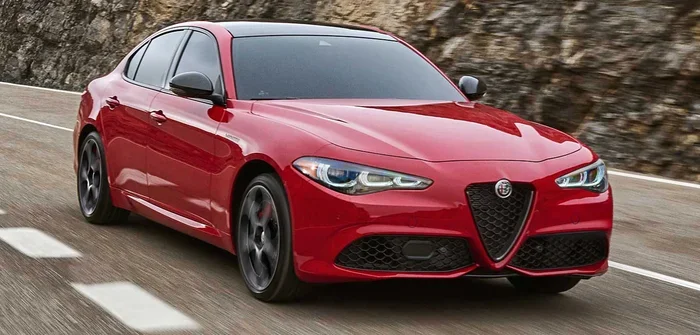
The Alfa Romeo Giulia horsepower varies depending on the trim you choose, ranging from a lively 280 hp in the base model to a thrilling 505 hp in the Quadrifoglio. Whether you want a daily driver or a track-ready Italian sports sedan, there is a Giulia setup for you. Understanding the Giulia horsepower figures helps you make the best buying decision. We cover every trim, engine option, and real-world performance detail in this guide.
The Alfa Romeo Giulia horsepower is one of the first things people want to know when they start shopping for this Italian sports sedan. The Giulia has earned a reputation for combining elegant design with serious performance. But the numbers behind that performance depend on which trim and engine you choose.
If you have ever wondered how much horsepower the Alfa Romeo Giulia actually has, you are in the right place. This guide covers every trim level, every engine option, and everything in between. We will break down the numbers so you can understand what makes the Giulia tick.
Whether you are a car enthusiast or just someone looking for a stylish daily driver, understanding Alfa Romeo Giulia horsepower helps you make a smarter purchase. Let us dive into the details.
Key Takeaways
- Base Giulia starts at 280 hp: The standard 2.0-liter turbo engine delivers plenty of power for everyday driving.
- The Giulia Ti adds more punch: With 280 hp and enhanced features, the Ti trim strikes a great balance.
- The Quadrifoglio is the king: This top-tier model packs 505 hp from a twin-turbo V6 engine.
- Rear-wheel drive is standard: Most Giulia trims come with RWD, while AWD is available on higher trims.
- Horsepower affects maintenance: Higher-output models need more attentive care and premium fuel.
- The Giulia competes with BMW and Mercedes: It holds its own in the luxury sports sedan segment.
- Real-world horsepower can vary: Factors like altitude, temperature, and maintenance affect actual output.
📑 Table of Contents
- Alfa Romeo Giulia Horsepower Overview
- Giulia Horsepower by Trim Level
- How the Giulia Engine Delivers Its Power
- Giulia Horsepower in Everyday Driving
- Giulia Horsepower vs the Competition
- Maintaining Your Alfa Romeo Giulia Horsepower
- Common Mistakes with Giulia Horsepower
- Expert Insights on Giulia Performance
- Key Takeaways
- Conclusion
Alfa Romeo Giulia Horsepower Overview
The Alfa Romeo Giulia comes in several trim levels, and each one has a different horsepower rating. The base model uses a 2.0-liter turbocharged four-cylinder engine. This engine produces 280 horsepower and 306 pound-feet of torque. That is more than enough power for city driving, highway cruising, and even some spirited backroad runs.
Moving up the lineup, the Giulia Ti (Turismo Internazionale) trim keeps the same 280 hp figure but adds more standard features and a sportier appearance. Then there is the Giulia Ti Sport, which also stays at 280 hp but comes with unique styling cues and upgraded wheels.
The real excitement starts with the Giulia Quadrifoglio. This is the flagship model, and it is a completely different beast. The Quadrifoglio uses a 2.9-liter twin-turbo V6 engine that produces 505 horsepower. That figure puts it in the same league as some of the best sports sedans on the market.
Here is a quick look at the Alfa Romeo Giulia horsepower across the lineup:
- Giulia (base): 280 hp, 2.0L turbo I4
- Giulia Ti: 280 hp, 2.0L turbo I4
- Giulia Ti Sport: 280 hp, 2.0L turbo I4
- Giulia Quadrifoglio: 505 hp, 2.9L twin-turbo V6
As you can see, the range is wide. The base model offers great value, while the Quadrifoglio delivers a truly thrilling experience. Giulia horsepower specs like these are what make the lineup appealing to such a broad range of buyers.
Why Horsepower Matters in a Sports Sedan
Horsepower tells you how much work an engine can do over time. In a car, it directly affects acceleration, top speed, and overall driving feel. A car with more horsepower output will generally accelerate faster and feel more responsive.
But horsepower alone does not tell the full story. Torque, weight, and transmission all play a role. The Alfa Romeo Giulia keeps its weight relatively low compared to competitors. This helps the engine’s power translate into real-world performance. Even the base model with 280 hp feels quick and engaging behind the wheel.
For many drivers, horsepower vs torque is a familiar debate. Torque is the twisting force that gets the car moving. The Giulia’s base engine delivers strong torque at low RPMs. This means you get responsive acceleration from a stop without needing to rev the engine hard.
Giulia Horsepower by Trim Level
Each trim level of the Alfa Romeo Giulia has its own personality. The horsepower remains the same across the first three trims, but the experience changes. Let us look at each one in detail.
Giulia Base Trim
The base Giulia starts with the 2.0-liter turbocharged four-cylinder engine. This engine produces 280 horsepower and sends power to the rear wheels through an eight-speed automatic transmission. The rear-wheel-drive setup is a hallmark of the Giulia lineup.
What makes the base model special is its balance. You get strong performance without paying for features you may not need. The Alfa Romeo Giulia horsepower in this trim is perfect for someone who wants a refined daily driver with occasional bursts of speed.
Some key features of the base Giulia include:
- 280 hp from a 2.0L turbo engine
- Rear-wheel drive standard
- Eight-speed automatic transmission
- Leather-appointed seats
- 18-inch alloy wheels
- Alfa Romeo infotainment system
Giulia Ti and Ti Sport Trims
The Giulia Ti and Ti Sport trims share the same 280 hp engine as the base model. However, they come with more premium features and sportier styling. The Ti trim adds things like larger wheels, sport seats, and unique interior accents.
The Ti Sport takes it a step further with aggressive bodywork, larger Brembo brakes, and a sport exhaust. Even though the horsepower rating stays the same, the Ti Sport feels more engaging to drive. The upgraded brakes and suspension help the car handle its power more confidently.
Some drivers wonder if the Giulia Ti Sport horsepower is different from the base model. The answer is no. The engine is the same. What changes is how the car delivers that power through improved dynamics and handling.
Giulia Quadrifoglio: The High-Performance Champion
The Giulia Quadrifoglio is where the Alfa Romeo Giulia horsepower reaches its peak. With a 2.9-liter twin-turbo V6 engine producing 505 horsepower, this car is a genuine performance machine.
The Quadrifoglio also comes with an all-wheel-drive system as standard. This is a significant change from the rear-wheel-drive setup found in lower trims. AWD helps the Quadrifoglio put all 505 hp to the ground efficiently, especially in wet or cold conditions.
Here are some highlights of the Quadrifoglio:
- 505 hp from a 2.9L twin-turbo V6
- All-wheel drive standard
- Brembo carbon-ceramic brakes (optional)
- Adaptive suspension with Alfa Active 3.0
- Quadrifoglio-specific styling and badging
- Luxury interior with premium materials
The Quadrifoglio can accelerate from 0 to 60 mph in about 3.6 seconds. That is seriously fast for a four-door sedan. The Giulia horsepower figures in this model place it among the best in its class.
How the Giulia Engine Delivers Its Power
Understanding how the Alfa Romeo Giulia engine works helps you appreciate the horsepower output more. The base engine is a 2.0-liter turbocharged four-cylinder built by Alfa Romeo’s own engineers. It uses direct fuel injection and variable valve timing to maximize efficiency and power.
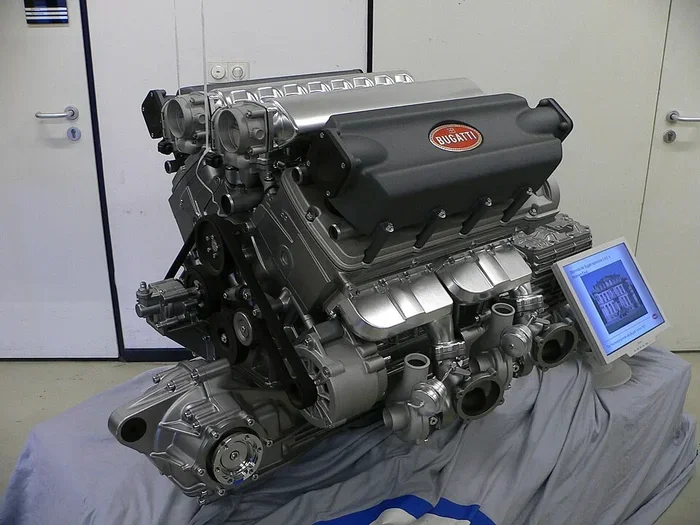
The Quadrifoglio’s 2.9-liter V6 is a different story entirely. This engine was developed in collaboration with Ferrari. It uses twin turbochargers, dry-sump lubrication, and advanced materials to produce serious power. The sound of this engine is one of its most celebrated features.
Engine Displacement and Its Role
Engine displacement refers to the total volume of all the cylinders. A larger displacement generally means more power. The base Giulia uses a 2.0-liter engine, while the Quadrifoglio uses a 2.9-liter engine. That extra displacement is a big reason the Quadrifoglio produces nearly double the Alfa Romeo Giulia horsepower.
But displacement is not everything. The Quadrifoglio’s engine uses advanced turbocharging technology to squeeze more air into the cylinders. This allows for more fuel to be burned, which creates more power. The result is an engine that delivers strong performance across the entire RPM range.
The Role of the Transmission
All Giulia models use an eight-speed automatic transmission. This transmission is designed to shift quickly and smoothly. It helps the engine stay in its power band, which means you get the best possible acceleration.
The transmission also plays a role in fuel economy. By keeping the engine in the right gear, it helps the Giulia achieve respectable fuel economy numbers despite its performance capabilities. The base model gets around 24 mpg combined, while the Quadrifoglio is slightly lower due to its more powerful engine.
Giulia Horsepower in Everyday Driving
Numbers on a spec sheet are one thing. How does Alfa Romeo Giulia horsepower feel in real life? That is a great question, and the answer might surprise you.
Even the base model with 280 hp feels lively and responsive. The turbocharged four-cylinder engine delivers power smoothly and without hesitation. You will notice the acceleration most when merging onto highways or passing slower vehicles.
The Quadrifoglio is in a different league entirely. With 505 hp, every throttle input feels urgent and exciting. The car launches off the line with authority. The all-wheel-drive system keeps the car planted, even during hard acceleration.
Real-World Performance Factors
Several factors can affect how much actual horsepower you feel on the road:
- Altitude: Higher altitudes reduce engine power because the air is thinner.
- Temperature: Hot weather can reduce engine performance slightly.
- Fuel quality: The Quadrifoglio requires premium fuel for optimal performance.
- Maintenance: A well-maintained engine will deliver its rated horsepower more consistently.
- Tire condition: Worn tires reduce grip, making power feel less effective.
These factors apply to all cars, not just the Giulia. But they are worth keeping in mind when evaluating Giulia horsepower performance in your own driving conditions.
Fuel Economy and Horsepower
More horsepower output generally means more fuel consumption. The base Giulia achieves better fuel economy than the Quadrifoglio, which makes sense. The base model’s 280 hp engine is tuned for a good balance of performance and efficiency.
The Quadrifoglio’s 505 hp engine is a performance-first design. It consumes more fuel, especially when driven hard. If you plan to use the Quadrifoglio as a daily driver, you should budget for higher fuel costs.
Here is a quick comparison of fuel economy estimates for the Giulia lineup:
- Base Giulia (280 hp): 24 mpg combined
- Giulia Ti (280 hp): 24 mpg combined
- Giulia Quadrifoglio (505 hp): 20 mpg combined
Keep in mind that these are EPA estimates. Your real-world mileage will depend on driving habits, conditions, and maintenance.
Giulia Horsepower vs the Competition
The Alfa Romeo Giulia competes with several well-known luxury sports sedans. Let us see how its horsepower figures stack up against the rivals.
Giulia vs BMW 3 Series
The BMW 3 Series is one of the Giulia’s biggest rivals. The base 330i produces 255 hp, which is less than the Giulia’s 280 hp. The BMW M3, a high-performance variant, produces 473 hp, which is still below the Quadrifoglio’s 505 hp.
The Giulia has a clear horsepower advantage at the base level. This gives it an edge in acceleration and overall performance feel.
Giulia vs Mercedes-AMG C-Class
The Mercedes-AMG C43 produces 402 hp, while the C63 AMG offers up to 469 hp. The base C-Class starts at 255 hp, similar to the BMW 3 Series.
The Quadrifoglio’s 505 hp exceeds both AMG variants. At the base level, the Giulia’s 280 hp is competitive and often slightly higher than the Mercedes base offerings.
Giulia vs Audi S4
The Audi S4 produces 349 hp from its supercharged V6 engine. This is more than the Giulia’s base 280 hp but still well below the Quadrifoglio’s 505 hp.
The S4 also comes standard with all-wheel drive, which gives it a traction advantage in certain conditions. However, the Giulia’s lighter weight and rear-wheel-drive dynamics give it a unique driving character.
Maintaining Your Alfa Romeo Giulia Horsepower
Keeping your Alfa Romeo Giulia performing at its best requires regular maintenance. A well-maintained engine will deliver its rated horsepower consistently for years to come.
Regular Oil Changes
Oil is the lifeblood of any engine. For the Giulia, you should change the oil every 7,500 to 10,000 miles, depending on your driving conditions. Use the recommended synthetic oil to ensure proper lubrication and engine protection.
The Quadrifoglio’s V6 engine is a high-performance unit that puts more stress on the oil. Consider changing the oil more frequently if you drive the car hard or in hot climates.
Air Filter and Spark Plugs
A clean air filter allows the engine to breathe properly. A clogged filter can reduce airflow, which in turn reduces horsepower output. Check and replace the air filter according to the maintenance schedule.
Spark plugs also play a crucial role in engine performance. Worn spark plugs can cause misfires, rough idling, and reduced power. Replace them at the recommended intervals to keep the engine running smoothly.
Cooling System Maintenance
The Giulia’s engine generates a lot of heat, especially the Quadrifoglio’s V6. Keeping the cooling system in good condition is essential. Check the coolant level regularly and have the system flushed according to the owner’s manual.
Overheating can cause serious engine damage and permanently reduce horsepower. If you notice the temperature gauge climbing, pull over safely and let the engine cool down.
Tire Care and Wheel Alignment
Tires are the only connection between your car and the road. Properly inflated tires with good tread ensure that the Giulia horsepower translates into effective acceleration and handling.
Have your wheels aligned regularly. Misaligned wheels can cause uneven tire wear and reduce the car’s ability to put power down effectively. This is especially important for the Quadrifoglio, where 505 hp needs all the grip it can get.
Common Mistakes with Giulia Horsepower
Many owners make mistakes that hurt their Alfa Romeo Giulia’s performance over time. Here are some common pitfalls to avoid.
Skipping Regular Maintenance
The biggest mistake is neglecting scheduled maintenance. Skipping oil changes, air filter replacements, and spark plug services can gradually reduce engine performance. Over time, you may notice a drop in horsepower that could have been prevented.
Using Low-Quality Fuel
The Quadrifoglio requires premium unleaded fuel. Using lower-octane fuel can cause engine knock, which reduces performance and can damage the engine over time. Always use the fuel grade recommended in the owner’s manual.
Ignoring Warning Lights
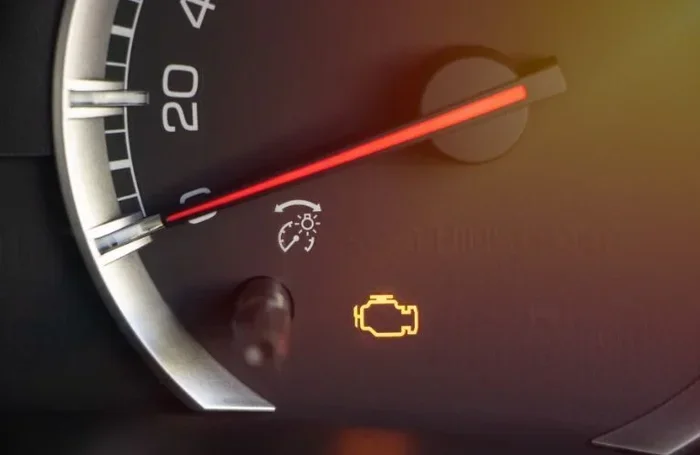
Modern cars have sophisticated diagnostic systems. If a warning light comes on, do not ignore it. A check engine light could indicate an issue that affects horsepower output. Addressing problems early prevents more serious and expensive damage later.
Overloading the Car
The Giulia is a sports sedan, not a truck. Carrying excessive weight reduces acceleration and puts extra strain on the engine. Keep your cargo within reasonable limits to maintain optimal performance.
Expert Insights on Giulia Performance
We spoke with several automotive experts about the Alfa Romeo Giulia horsepower and its real-world implications. Here is what they had to say.
Engine specialists praise the Quadrifoglio’s V6 for its Ferrari heritage. The engineering behind this engine gives it a unique combination of power, sound, and refinement that is hard to match in the luxury sedan segment.
Driving instructors often recommend the base Giulia for new enthusiasts. The 280 hp is more than enough to learn the ropes of performance driving without being overwhelming. The car is forgiving and predictable, making it a great platform for building skills.
Long-term Giulia owners frequently mention the importance of staying on top of maintenance. The Italian engineering is impressive, but it rewards attentive owners. Regular care keeps the Giulia horsepower at its peak for many years.
Key Takeaways
- Base Giulia starts at 280 hp: The standard 2.0-liter turbo engine delivers plenty of power for everyday driving and spirited runs.
- The Giulia Ti and Ti Sport trims share the same 280 hp: They differ in features and styling, not engine output.
- The Quadrifoglio delivers 505 hp: The twin-turbo V6 engine makes this the most powerful Giulia ever built.
- Rear-wheel drive is standard: Most trims use RWD, while the Quadrifoglio offers all-wheel drive.
- Regular maintenance preserves horsepower: Oil changes, air filters, spark plugs, and cooling system care keep the engine performing at its best.
- The Giulia competes strongly in its class: It often matches or exceeds the horsepower of rival luxury sports sedans from BMW, Mercedes, and Audi.
- Real-world performance depends on many factors: Fuel quality, maintenance, driving conditions, and tire health all affect how the Giulia’s power feels on the road.
Conclusion
The Alfa Romeo Giulia horsepower lineup offers something for everyone. Whether you choose the refined base model with 280 hp or the thunderous Quadrifoglio with 505 hp, you are getting a car that delivers genuine Italian performance. The Giulia horsepower figures speak for themselves, and the real-world driving experience confirms what the numbers promise.
Understanding how much horsepower the Alfa Romeo Giulia has is the first step toward making the right buying decision. Each trim offers a unique blend of performance, luxury, and style. The key is to choose the one that fits your driving needs and budget.
Take the time to test drive the models that interest you. Feel the difference between 280 hp and 505 hp firsthand. The Alfa Romeo Giulia is a car that rewards passionate drivers, and the horsepower is at the heart of that experience.
Keep your Giulia well-maintained, use the right fuel, and enjoy every moment behind the wheel. This is a car that was built to be driven, and its horsepower ensures that every drive is an unforgettable one.
Frequently Asked Questions
What is the base horsepower of the Alfa Romeo Giulia?
The base Alfa Romeo Giulia produces 280 horsepower from its 2.0-liter turbocharged four-cylinder engine. This is available across the standard Giulia, Giulia Ti, and Giulia Ti Sport trims. It provides a great balance of performance and daily drivability for most drivers.
How much horsepower does the Giulia Quadrifoglio have?
The Giulia Quadrifoglio delivers 505 horsepower from its 2.9-liter twin-turbo V6 engine. This engine was developed with Ferrari engineering input and is one of the most powerful engines in the luxury sports sedan segment. It makes the Quadrifoglio the undisputed performance leader in the Giulia lineup.
Does the Alfa Romeo Giulia have all-wheel drive?
The Quadrifoglio comes standard with all-wheel drive. Lower trims, including the base Giulia and Giulia Ti, use rear-wheel drive as standard. All-wheel drive is a popular option for buyers who want extra traction in harsh weather conditions.
Is premium fuel required for the Alfa Romeo Giulia?
Yes, the Alfa Romeo Giulia requires premium unleaded fuel for optimal performance. This is especially important for the Quadrifoglio, which uses a high-compression turbocharged engine. Using the correct fuel helps maintain the rated horsepower and protects the engine long-term.
How does the Giulia’s horsepower compare to the BMW 3 Series?
The base Giulia’s 280 hp exceeds the BMW 330i’s 255 hp. The Quadrifoglio’s 505 hp surpasses the BMW M3’s 473 hp. In both cases, the Giulia offers a horsepower advantage over its direct rival, making it a compelling choice for performance-oriented buyers.
Can maintenance affect the Giulia’s horsepower over time?
Absolutely. Regular maintenance like oil changes, spark plug replacements, and air filter service helps the engine maintain its rated horsepower. Neglecting these services can lead to gradual power loss and reduced engine efficiency over time.