How Long Do Subaru Batteries Last Before Replacement
How long do Subaru batteries last before replacement? Most Subaru batteries last between 3 and 5 years, depending on driving habits, climate, and maintenance. Regular battery testing, clean terminals, and smart charging practices can push that lifespan closer to 5 years or beyond. This guide covers everything you need to know about Subaru battery replacement timing, warning signs, and cost-saving tips.
Every Subaru owner eventually faces the same question: when does the battery die, and what should you do about it? How long do Subaru batteries last before replacement is a topic that comes up in forums, service centers, and casual conversations among car enthusiasts. The answer isn’t always straightforward, because several factors play into battery lifespan.
Some Subaru drivers get five solid years out of a single battery. Others find themselves stranded with a dead battery after only two. The difference comes down to a mix of driving habits, climate conditions, battery type, and maintenance practices. Understanding these factors helps you plan ahead, avoid surprises, and make informed decisions about when to replace your battery.
This guide breaks everything down in plain language. You will learn the average Subaru battery life, the warning signs that mean your battery is failing, and practical steps to get the most miles out of every charge. Whether you drive a Subaru Outback, Forester, or Impreza, this article has the details you need.
Let us start with the basics. A car battery is the heart of your vehicle’s electrical system. It powers the engine startup, lights, infotainment, and all the electronics you rely on daily. When it weakens, everything becomes a potential problem. That is why knowing the signs of a dying battery matters so much.
Key Takeaways
- Average Lifespan: Most Subaru batteries last 3 to 5 years under normal conditions.
- Climate Matters: Extreme heat and cold both shorten battery life significantly.
- Warning Signs: Slow cranking, dim lights, and dashboard warnings signal a failing battery.
- Maintenance Helps: Regular terminal cleaning and voltage checks extend battery health.
- OEM vs. Aftermarket: Genuine Subaru batteries offer reliability, but quality aftermarket options work well too.
- Driving Habits Count: Short trips and infrequent use drain batteries faster than expected.
- Replacement Cost: Expect to pay between $150 and $350 for a Subaru battery replacement.
📑 Table of Contents
- How Long Do Subaru Batteries Last on Average?
- Warning Signs Your Subaru Battery Needs Replacement
- Factors That Shorten Subaru Battery Life
- How to Extend Your Subaru Battery Life
- Subaru Battery Replacement: What to Expect
- Common Mistakes That Kill Subaru Batteries
- Expert Insights on Subaru Battery Longevity
- Subaru Battery Replacement by Model
- Key Takeaways
- Conclusion
How Long Do Subaru Batteries Last on Average?
The typical Subaru battery lifespan falls between 3 and 5 years. This range holds true for most models and battery types. However, some drivers report going 6 years or more with proper care and favorable conditions.
Several things determine where you fall on that spectrum. Let us look at the main factors that influence car battery replacement timing.
Battery Type and Brand
Subaru vehicles often come equipped with OEM Subaru batteries from manufacturers like Exide, Century, or Duralast. These batteries meet the manufacturer’s specifications for cold cranking amps and reserve capacity. Aftermarket batteries can work just as well, but the quality varies widely.
Premium batteries with higher-grade materials tend to last longer. A battery brand comparison is always worth doing before purchasing a replacement. Look for batteries that match or exceed the cold cranking amps rating specified for your Subaru model.
Driving Habits and Usage Patterns
How you drive has a huge impact on battery health. Short trips under 20 minutes do not give the battery enough time to fully recharge. Over time, this creates a condition called sulfation, which slowly reduces battery capacity.
On the other hand, frequent long highway drives keep the alternator working and the battery charged. If you only use your Subaru for quick grocery runs, consider using a battery maintainer or trickle charger during long parked periods.
Climate and Weather Conditions
Extreme weather battery performance is one of the biggest battery killers. High temperatures cause battery fluid to evaporate, damaging the internal plates. Cold temperatures reduce the battery’s ability to deliver power when you need it most.
Subaru owners in northern states face harsh winters that strain the battery during every startup. Those in southern states deal with heat-related degradation over time. Both extremes shorten the battery age before replacement becomes necessary.
Electrical Load and Accessories
Modern Subarus come packed with electronics. Navigation systems, heated seats, dashcams, and phone chargers all draw power. The more electrical load you place on the system, the harder the battery works.
Aftermarket accessories that remain active when the engine is off can cause battery drain. This slow discharge wears down the battery over weeks and months, leading to premature failure.
Warning Signs Your Subaru Battery Needs Replacement
Catching the early signs of a weak battery saves you from an unexpected breakdown. Most batteries give clear warnings before they completely fail. Here is what to watch for.
Slow Engine Cranking
When you turn the key and the engine turns over slowly, that is the number one sign of battery health decline. A healthy battery cranks the engine quickly and confidently. A weak one drags and struggles, especially in cold weather.
If you notice this happening more often, do not ignore it. Get your battery tested right away. Many auto parts stores offer free battery testing with no appointment needed.
Dashboard Warning Lights
Subaru dashboards include a battery-shaped warning light. If this light illuminates while driving, it signals a problem with the charging system. The issue could be the battery itself, but it might also point to a failing alternator.
Do not wait for this light to go away on its own. Address it immediately to avoid being stranded with a vehicle that will not start.
Dimming Headlights and Electronics
Notice your headlights looking dimmer than usual, especially when idling? That often means the battery is no longer holding a full charge. The same goes for flickering dashboard lights or a stereo that cuts out unexpectedly.
These battery warning signs should prompt a voltage check. A fully charged Subaru battery should read around 12.6 volts with the engine off. Anything below 12.4 volts suggests the battery is weakening.
Swollen or Bloated Battery Case
Extreme heat can cause the battery case to swell. A bloated battery housing indicates internal damage and chemical breakdown. A swollen battery is dangerous and should be replaced immediately.
Never attempt to use a visibly damaged battery. It poses a risk of leaking acid or even rupturing, which can damage your Subaru’s engine bay.
Corroded Battery Terminals
White or blue-green buildup around the battery terminals is a sign of battery terminal corrosion. Corrosion creates resistance that blocks the flow of electricity between the battery and the vehicle’s electrical system.
Light corrosion can be cleaned with a baking soda and water solution. Heavy corrosion, however, often means the battery is deteriorating internally and needs replacement.
Factors That Shorten Subaru Battery Life
Understanding what drains your battery helps you avoid common mistakes. Many drivers unknowingly shorten their battery life through everyday habits.
Leaving Lights and Accessories On
It happens to the best of us. You grab your coffee, leave the headlights on, and walk away. Modern Subarus often have automatic headlight shutoff, but accessories left plugged in can still drain the battery overnight.
A single overnight drain might not kill the battery outright, but repeated deep discharges cause cumulative damage. Each deep discharge reduces the battery’s overall battery age and capacity.
Faulty Alternator
The alternator charges the battery while the engine runs. When the alternator fails, the battery takes over and powers everything. This drains the battery rapidly and leads to premature failure.
Have your alternator tested during every oil change or tire rotation. A simple battery testing session at the shop can catch alternator problems before they damage your new battery.
Infrequent Vehicle Use
If your Subaru sits in the garage for days or weeks at a time, the battery slowly loses charge. This is called parasitic drain. Even when the vehicle is off, systems like the clock, alarm, and computer modules draw small amounts of power.
For vehicles that sit unused frequently, a battery maintainer or smart charger keeps the battery topped off and healthy. This simple step can add months or even years to your Subaru battery life.
Short Commutes and Stop-and-Go Driving
Frequent short trips around town are hard on batteries. The alternator barely has time to recharge the battery between start cycles. Over weeks and months, this creates a partial state of charge that leads to sulfation.
If your daily commute is under 15 minutes, consider taking a longer drive once a week. This gives the alternator enough time to restore the battery to full charge.
How to Extend Your Subaru Battery Life
Good news: you have more control over battery lifespan than you might think. Simple maintenance habits make a real difference in how long your battery lasts.
Keep the Terminals Clean
Inspect your battery terminals every few months. Remove any corrosion with a wire brush and a mixture of baking soda and water. After cleaning, apply a thin layer of petroleum jelly or terminal protectant to prevent future buildup.
Clean terminals ensure a strong electrical connection. This small step improves battery health and prevents starting problems.
Drive Your Subaru Regularly
Consistent driving keeps the battery charged and the electrical system functioning properly. If you own a second vehicle or drive your Subaru only on weekends, make it a habit to take it for a 30-minute drive at least once a week.
Regular use prevents the slow discharge that kills batteries during long periods of inactivity.
Avoid Extreme Temperatures When Possible
Parking in a garage or shaded area protects the battery from temperature extremes. In winter, a battery blanket or insulated cover helps maintain charge in freezing conditions.
In summer, shade and ventilation reduce heat-related battery degradation. Even small steps like these add up over the life of the battery.
Turn Off Accessories Before Shutting Off the Engine
Make it a habit to turn off headlights, heated seats, and aftermarket devices before shutting off the engine. This reduces the load on the battery during the next startup.
It also prevents the kind of partial drain that, over time, weakens the battery and shortens its useful life.
Get Regular Battery Tests
Most dealerships and auto parts stores will test your battery for free. Have this done at least twice a year, ideally before winter and summer. A battery voltage check takes only a few minutes and gives you early warning of potential problems.
Many service centers also check the charging system and alternator output during these tests. This comprehensive approach gives you a complete picture of your electrical system’s health.
Subaru Battery Replacement: What to Expect
When the time comes, replacing a Subaru battery is a straightforward process. Understanding what to expect helps you feel confident and prepared.
How Much Does a Subaru Battery Cost?
The cost of a Subaru battery replacement typically ranges from $150 to $350. This includes the price of the battery and the labor for installation. Premium batteries with higher cold cranking amps ratings cost more but offer better performance in extreme weather.
Aftermarket batteries from brands like DieHard, AC Delco, and Optima often cost less than OEM Subaru batteries while still meeting or exceeding the required specifications. Always check the battery warranty before purchasing. Many quality batteries come with 3-year or longer warranties.
Can You Replace the Battery Yourself?
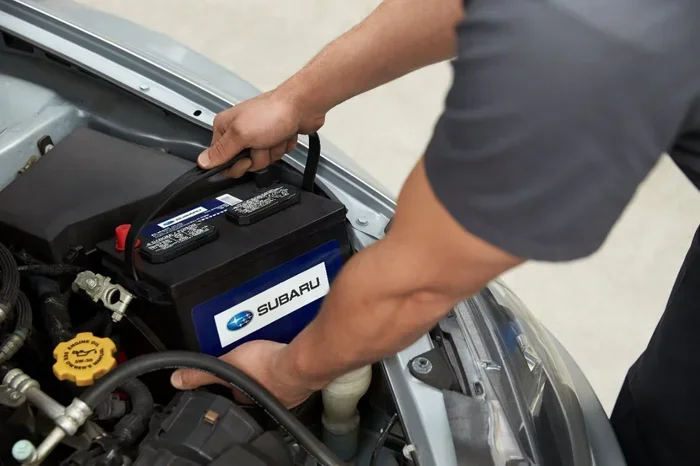
Yes, most Subaru owners can replace their own battery with basic tools. The battery in most Subarus is located in the engine bay and is secured with a hold-down clamp. You simply disconnect the negative terminal first, then the positive, remove the clamp, and swap in the new battery.
Always remember to connect the positive terminal first when installing a new battery. This prevents accidental short circuits. If you are not comfortable working under the hood, a dealership or local mechanic can handle the replacement quickly.
What to Do With Your Old Battery?
Old batteries contain lead and acid, which are harmful to the environment. Battery recycling is required by law in most states. Many auto parts stores accept old batteries for recycling, sometimes even offering a small core refund.
Never throw an old car battery in the trash. Proper disposal protects the environment and keeps toxic materials out of landfills.
Common Mistakes That Kill Subaru Batteries
Avoiding these common mistakes can add years to your battery life and save you money on car battery replacement.
- Ignoring warning signs: Dismissing slow cranking or dim lights as minor issues lets the problem get worse.
- Skipping routine maintenance: Dirty terminals and loose connections reduce battery performance over time.
- Overusing electronics with the engine off: Running the radio or USB chargers while idling drains the battery faster than the alternator can replenish it.
- Choosing the cheapest battery: Low-quality batteries often have lower reserve capacity and shorter lifespans, costing you more in the long run.
- Neglecting the charging system: A failing alternator destroys new batteries quickly. Always test the alternator when replacing a battery.
- Parking in extreme conditions regularly: Constant exposure to intense heat or freezing temperatures accelerates battery degradation.
Expert Insights on Subaru Battery Longevity
Experienced Subaru mechanics agree that prevention beats replacement. A proactive approach to battery maintenance catches problems early and extends the time between replacements.
Most technicians recommend replacing a Subaru battery at the 4-year mark as a preventive measure, even if it still starts the vehicle. By the time a battery reaches 4 years, its capacity has often declined enough to cause starting issues in cold weather or after short trips.
Another expert tip: keep a portable jump starter in your trunk. A compact battery jump start device costs around $50 to $100 and can save you from a roadside call. It is a small investment that pays for itself the first time you need it.
Mechanics also stress the importance of matching the battery to your specific Subaru model. A battery that is too small in cold cranking amps or reserve capacity will struggle in demanding conditions. Always check your owner’s manual for the recommended battery specifications.
Subaru Battery Replacement by Model
Different Subaru models have slightly different battery requirements. Here is a quick look at what to expect across popular models.
Subaru Outback: The Outback typically uses a standard Group 35 battery. These batteries are widely available and easy to replace. Outback owners who frequently tow or use roof-mounted accessories may benefit from a higher-capacity battery.
Subaru Forester: The Forester also uses a Group 35 or Group 55 battery depending on the model year. Forester owners in colder climates should prioritize batteries with higher cold cranking amps for reliable winter starts.
Subaru Impreza: The Impreza uses a smaller battery, typically Group 35. Despite its size, this battery handles the vehicle’s electrical demands well. Impreza owners should pay attention to accessory loads, as the smaller battery capacity can be affected by aftermarket electronics.
Subaru WRX and STI: Performance models often benefit from high-performance AGM batteries. These batteries handle the demands of turbocharged engines and aggressive driving better than standard flooded-cell batteries.
Key Takeaways
- Average Lifespan: Most Subaru batteries last 3 to 5 years under normal conditions.
- Climate Matters: Extreme heat and cold both shorten battery life significantly.
- Warning Signs: Slow cranking, dim lights, and dashboard warnings signal a failing battery.
- Maintenance Helps: Regular terminal cleaning and voltage checks extend battery health.
- OEM vs. Aftermarket: Genuine Subaru batteries offer reliability, but quality aftermarket options work well too.
- Driving Habits Count: Short trips and infrequent use drain batteries faster than expected.
- Replacement Cost: Expect to pay between $150 and $350 for a Subaru battery replacement.
Conclusion
How long do Subaru batteries last before replacement? The honest answer is 3 to 5 years, but your experience may vary based on how you drive, where you live, and how well you maintain your vehicle. Subaru battery life is not set in stone. With the right habits and a little attention, you can get the most out of every battery.
Stay alert for the warning signs we covered. Clean your terminals regularly. Drive your Subaru often enough to keep the battery charged. And when the time comes for a car battery replacement, choose a quality battery that meets or exceeds your Subaru’s specifications.
Taking care of your battery today saves you from the stress of a dead battery tomorrow. A few minutes of attention now can prevent hours of frustration later. Your Subaru works hard for you, and with proper care, its battery will keep it running strong for years to come.
Make battery health a regular part of your Subaru maintenance routine. Your future self will thank you the next time you turn the key and hear that engine start right up, every single time.
Frequently Asked Questions
How long do Subaru batteries last in cold climates?
In cold climates, Subaru batteries typically last closer to 3 to 4 years. Freezing temperatures strain the battery during every engine start, reducing its overall lifespan. If you live in a northern state, consider replacing your battery every 3 to 4 years to avoid cold-weather starting problems.
Can a Subaru battery last 7 years?
It is possible but rare. A Subaru battery lasting 7 years usually means the vehicle gets regular long drives, the climate is mild, and the battery received excellent maintenance. Most drivers should plan for replacement around the 4- or 5-year mark to stay ahead of failure.
What is the warranty on a new Subaru battery?
OEM Subaru batteries typically come with a 3-year warranty from the dealership. Aftermarket batteries vary by brand, with some offering 4- or 5-year warranties. Always check the warranty terms before purchasing, and keep your receipt for proof of purchase.
How do I know if my Subaru battery needs replacement or just a recharge?
A simple voltage test tells the story. A healthy battery reads 12.6 volts or higher with the engine off. If the voltage drops below 12.4 volts and does not hold a charge after a full recharge, the battery is likely failing and needs replacement. A load test at an auto parts store gives a definitive answer.
Does the Subaru battery need to be registered after replacement?
Some newer Subaru models with advanced electrical systems benefit from battery registration at the dealership. This allows the vehicle’s computer to optimize charging patterns for the new battery. If you are unsure, ask the technician during installation whether registration is needed for your specific model year.
What is the average cost of a Subaru battery replacement?
The average cost ranges from $150 to $350, including the battery and labor. DIY installation saves the labor charge and brings the cost down to just the price of the battery. Aftermarket batteries are often more affordable than OEM Subaru batteries while still delivering reliable performance.