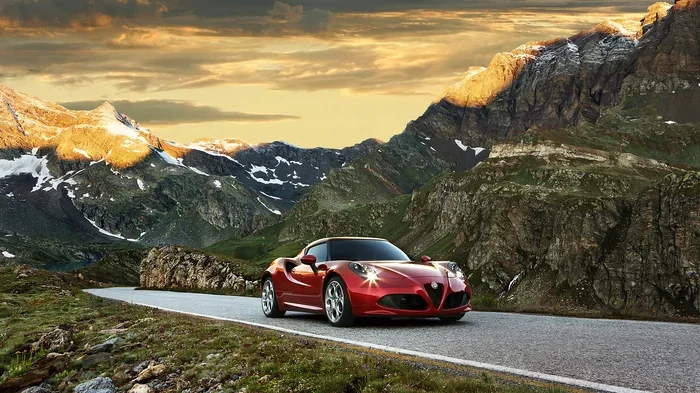
How Alfa Romeo Maneuvers on the Road and Stuns Everyone
How Alfa Romeo Maneuvers on the Road is a topic that excites every car lover. Alfa Romeo vehicles are built with Italian engineering precision that delivers thrilling handling and sharp steering response. From the moment you turn the wheel, you feel the difference in rear-wheel drive dynamics and chassis balance. This guide breaks down what makes Alfa Romeo cars so agile and exciting on real roads. You will learn about the engineering, driving techniques, and maintenance tips that keep these Italian machines performing at their best.
There is something magical about watching an Alfa Romeo carve through a twisty road. The way it leans into corners, responds to every steering input, and hugs the pavement feels almost alive. How Alfa Romeo Maneuvers on the Road is more than just a question for car enthusiasts. It is a story of Italian passion, engineering brilliance, and driving joy that has survived for over a century.
If you have ever driven or even ridden in an Alfa Romeo, you know the feeling. The car talks to you. It tells you where the road is going. It rewards skilled drivers and punishes those who are careless. Alfa Romeo handling is not just a feature. It is an experience. In this article, we will explore everything that makes Alfa Romeo vehicles so special on the road. We will look at the engineering, the driving dynamics, and the practical tips that help you get the most out of your Italian sports car.
Whether you own an Alfa Romeo or are thinking about buying one, understanding how these cars maneuver will deepen your appreciation. Italian car engineering has always been about emotion and performance. Alfa Romeo stands at the heart of that tradition. Let us dive in and discover what makes these machines so thrilling.
Key Takeaways
- Alfa Romeo handling is legendary: Italian engineering gives these cars a unique edge in maneuverability and road feel.
- Rear-wheel drive is the secret: Most Alfa Romeo models use a rear-wheel drive layout that enhances cornering and power delivery.
- Steering response is unmatched: Drivers love the precise and communicative steering feel in Alfa Romeo vehicles.
- Suspension tuning matters: Proper maintenance of suspension components keeps your Alfa Romeo agile and responsive.
- Common mistakes hurt performance: Neglecting tire care and alignment can dull the driving experience significantly.
- Regular maintenance is key: Staying on top of service keeps your Alfa Romeo maneuvering beautifully for years.
📑 Table of Contents
- What Makes Alfa Romeo Handling So Special
- How Alfa Romeo Maneuvers on the Road in Real Driving Conditions
- Alfa Romeo Steering Response: What Drivers Love
- The Engineering Behind Alfa Romeo Maneuverability
- Common Mistakes That Hurt Alfa Romeo Performance
- Tips to Keep Your Alfa Romeo Handling at Its Best
- Expert Insights on Alfa Romeo Driving Dynamics
- Key Takeaways
- Conclusion
What Makes Alfa Romeo Handling So Special
Every car handles differently. Some prioritize comfort. Others focus on straight-line speed. But Alfa Romeo has always chased something deeper. The company has pursued driving dynamics that connect the driver to the road in a very personal way. This philosophy shapes every Alfa Romeo model, from the Giulia sedan to the Stelvio SUV.
The Italian Philosophy of Driving
Italian car makers think about driving differently. They do not just build machines that go fast. They build machines that feel alive. Alfa Romeo has always believed that a car should communicate with its driver. Every bump, every turn, every shift in weight should be something you can feel through the steering wheel.
This philosophy goes back decades. Alfa Romeo has a rich racing heritage. The company competed in Grand Prix racing, endurance events, and rallies. All of that racing experience flowed into their road cars. The result is a brand known for vehicle agility and road-holding precision that few competitors can match.
Rear-Wheel Drive and Weight Distribution
One of the biggest reasons Alfa Romeo maneuverability stands out is the drivetrain layout. Most Alfa Romeo models use a rear-wheel drive configuration. This means the engine powers the rear wheels. This layout offers several advantages for handling.
Rear-wheel drive allows for better weight distribution. When the weight is balanced between the front and rear axles, the car handles more predictably. The front wheels can focus on steering while the rear wheels deliver power. This separation of tasks makes the car feel more balanced and responsive.
Many modern Alfa Romeo models use a front-engine, rear-wheel drive layout. Some newer versions have switched to rear-engine, rear-wheel drive configurations in certain models. Both layouts contribute to the distinctive handling character that Alfa Romeo is famous for. The car feels planted and confident, even when you push it hard through tight corners.
The Role of the Chassis
The chassis is the skeleton of any car. For Alfa Romeo, the chassis is designed with sport-tuned precision. The company uses lightweight materials and rigid construction to keep the body stiff. A stiff chassis means less flex during hard cornering. Less flex means better tire traction and more accurate steering.
Alfa Romeo also pays close attention to the subframe mounting points. These are the connections between the suspension and the body. By minimizing flex in these areas, the car maintains consistent handling at high speeds. This attention to detail is what separates a great handling car from an average one.
How Alfa Romeo Maneuvers on the Road in Real Driving Conditions
Understanding how Alfa Romeo Maneuvers on the Road in real-world conditions is where the magic really comes alive. The car behaves differently depending on the road surface, speed, and driving style. Let us explore the different scenarios where Alfa Romeo truly shines.
Cornering and Side-Steer Dynamics
When you enter a corner, several things happen at once. The car rolls slightly. The weight shifts to the outside wheels. The steering angle changes. In an Alfa Romeo, all of these movements happen with remarkable harmony. The suspension tuning is calibrated to manage weight transfer smoothly.
The front suspension uses a double wishbone setup in many models. This design allows the wheel to maintain optimal contact with the road during aggressive turns. The result is excellent cornering ability. The car stays flat and composed, even on winding mountain roads.
Drivers often describe the feeling as being connected to the road. You can feel the front tires biting into the pavement. You can sense when the rear wheels start to lose grip. This level of feedback makes driving an Alfa Romeo feel like a conversation between you and the machine.
Highway Maneuverability and Stability
Handling is not just about twisty roads. It also matters at highway speeds. Alfa Romeo models are designed to remain stable and composed even at high velocities. The aerodynamic body shape helps reduce lift and drag. This keeps the car planted firmly on the road.
When you change lanes or make quick steering inputs on the highway, the Alfa Romeo responds instantly. The steering response is sharp and direct. There is very little lag between turning the wheel and the car changing direction. This makes highway driving feel safe and engaging at the same time.
The stability control systems in modern Alfa Romeo cars also play a role. These systems monitor wheel speed, steering angle, and yaw rate. If the car starts to slide, the system intervenes to correct the trajectory. This technology works behind the scenes to keep you safe without taking away the driving pleasure.
City Driving and Low-Speed Agility
Not all driving happens on open roads. City streets demand quick direction changes, tight turns, and constant speed adjustments. Alfa Romeo handles city driving surprisingly well. The compact turning radius in many models makes navigating narrow streets easy.
The steering feel remains consistent even at low speeds. You do not lose precision when crawling through traffic or parking. This is a hallmark of good car maneuverability. The Alfa Romeo feels just as confident in a parking lot as it does on a racetrack.
For models like the Giulia and Stelvio, the power delivery at low speeds is smooth and predictable. The throttle response is tuned to be progressive, so you do not get sudden jerks. This makes stop-and-go traffic less stressful and more enjoyable.
Wet and Challenging Road Conditions
Handling on wet roads is a true test of any car. Alfa Romeo addresses this with advanced traction control systems. These systems monitor the road surface and adjust power delivery to prevent wheel spin. The car remains stable even when the road is slippery.
The tire traction also depends heavily on the tires you choose. Alfa Romeo recommends specific tire types for different driving conditions. Using the right tires makes a huge difference in wet weather performance. Good tires maintain road grip and help the car maneuver confidently even on rain-soaked roads.
Drivers should always adjust their speed and driving style to match road conditions. Even the best handling car needs a skilled driver behind the wheel. The Alfa Romeo gives you the tools. It is up to you to use them wisely.
Alfa Romeo Steering Response: What Drivers Love
Few things matter more to driving enthusiasts than steering feel. The way a car responds to your hands on the wheel defines the entire experience. Alfa Romeo steering response has earned a reputation as some of the best in the industry.
Direct and Communicative Steering
Alfa Romeo steering is known for being direct and communicative. When you turn the wheel, the car answers immediately. There is no dead zone or vague feedback. Every input counts. This level of precision makes drivers feel confident and in control.
The steering system uses hydraulic or electric power assistance depending on the model. Newer Alfa Romeo cars use electromechanical steering that is lighter and more efficient. Despite being lighter, these systems still deliver excellent feedback. The wheel communicates road texture, cornering forces, and traction limits to the driver.
Steering Feel Across the Model Range
Different Alfa Romeo models offer different steering characteristics. The Giulia sedan has a sportier, more aggressive steering feel. It rewards confident inputs and punishes hesitation. The Stelvio SUV, despite its taller stance, still delivers impressive steering precision for a SUV.
The Giulietta compact car offers a more balanced steering feel. It is responsive without being overly sharp. This makes it a great choice for daily driving where comfort and sportiness need to coexist. Each model is tuned to suit its purpose while maintaining the Alfa Romeo DNA.
The Relationship Between Steering and Braking
Great handling is not just about steering. It is also about how the car balances steering inputs with braking. Alfa Romeo engineers carefully tune the brake pedal feel to work in harmony with the steering. When you brake into a corner, the car stays balanced and predictable.
This balance is critical for sports car dynamics. It allows drivers to trail brake into corners, rotating the car and maintaining momentum. The combination of precise steering and well-modulated braking is what makes Alfa Romeo cars feel so special on curvy roads.
The Engineering Behind Alfa Romeo Maneuverability
Behind every great handling car is smart engineering. Alfa Romeo has invested decades in perfecting the mechanics that make their cars maneuver so beautifully. Understanding this engineering helps you appreciate what is happening beneath the bodywork.
Suspension Systems and Tuning
The suspension system is the heart of any car’s handling. Alfa Romeo uses double wishbone front suspension in most of its models. This design allows independent movement of each wheel. It provides better control over wheel alignment during compression and rebound.
The rear suspension varies by model. Some use a multi-link setup. Others use a solid axle with sophisticated dampers. Each configuration is chosen to optimize handling characteristics for that specific car. The goal is always the same: maximum grip and minimum body roll.
Suspension tuning is a carefully calibrated process. Engineers adjust spring rates, damper valving, and anti-roll bar stiffness. Each component works together to create a balanced ride. The car feels firm during aggressive driving but comfortable during daily use.
Power Delivery and Torque Vectoring
How a car delivers power to the wheels affects its maneuverability. Alfa Romeo uses torque vectoring technology in many of its models. This system applies different amounts of power to each rear wheel during cornering.
Torque vectoring reduces understeer and enhances turn-in response. When you enter a corner, the inside rear wheel receives less power. The outside rear wheel receives more. This subtle difference helps the car rotate faster and more smoothly. The result is sharper cornering ability and more engaging driving dynamics.
Lightweight Construction
Weight is the enemy of good handling. Lighter cars can change direction faster and use less energy to do so. Alfa Romeo uses aluminum and lightweight steel in its construction. This keeps the curb weight down without sacrificing structural rigidity.
The Alfa Romeo Giulia is a great example of this approach. It uses an aluminum-intensive architecture that keeps weight around 3,500 pounds. This is remarkably light for a sports sedan. The low weight contributes directly to the car’s nimble maneuverability and quick direction changes.
Common Mistakes That Hurt Alfa Romeo Performance
Even the best handling car can lose its edge if it is not maintained properly. Many Alfa Romeo owners unknowingly make mistakes that dull the driving experience. Here are the most common ones to avoid.
Neglecting Tire Maintenance
Tires are the only part of the car that touches the road. If your tires are worn, underinflated, or misaligned, your Alfa Romeo handling will suffer. Check tire pressure regularly. Rotate tires every 5,000 to 7,500 miles. Replace tires when the tread depth drops below safe levels.
Many drivers overlook wheel alignment. A misaligned car will pull to one side and handle poorly. Regular alignment checks keep the car tracking straight and handling precisely. This simple maintenance step makes a huge difference in how your Alfa Romeo maneuvers on the road.
Ignoring Suspension Components
The suspension system takes a beating over time. Shocks and struts wear out. Bushings degrade. Springs lose their tension. When these components fail, the car feels vague and unresponsive. Suspension maintenance should be part of your regular service schedule.
Watch for signs of worn suspension. Excessive bouncing after bumps, uneven tire wear, and pulling during turns are all red flags. Addressing these issues early keeps your Alfa Romeo handling at its best and prevents more expensive repairs down the road.
Skipping Regular Service
Alfa Romeo cars are precision machines. They need regular care to perform at their best. Skipping oil changes, brake inspections, and fluid flushes can degrade performance over time. Follow the manufacturer’s service schedule and use quality parts.
Finding a mechanic who understands Italian car maintenance is also important. Not every shop has the expertise or tools to service Alfa Romeo vehicles properly. A specialist will know the quirks and nuances of these cars and can keep them running beautifully.
Tips to Keep Your Alfa Romeo Handling at Its Best
Keeping your Alfa Romeo maneuvering beautifully is not difficult. It just requires attention and consistency. Here are some practical tips that will help you maintain the driving experience you love.
Drive It Regularly
Alfa Romeo cars are meant to be driven. Letting a car sit for long periods can cause issues. The tires develop flat spots, fluids degrade, and seals dry out. Regular driving keeps all systems lubricated and in good working order.
Even a short drive around the block helps. The engine reaches operating temperature, the suspension cycles through its range of motion, and the brakes stay clean. Regular use is one of the best ways to maintain car handling characteristics over the long term.
Invest in Quality Tires
Tires are the foundation of handling. Investing in quality tires specifically designed for your driving style pays off handsomely. High-performance summer tires offer the best grip on dry roads. All-season tires provide versatility for year-round use.
Match your tire choice to your driving habits. If you mostly drive on twisty back roads, sport-oriented tires will enhance your Alfa Romeo maneuverability. If you drive in varied conditions, all-season tires with good wet grip are a smart choice.
Keep the Weight Down
Extra weight hurts handling. Remove unnecessary items from your trunk and cabin. The lighter your car, the better it will maneuver. Every pound you remove improves acceleration, braking, and cornering performance.
This is especially true for Alfa Romeo models that already prioritize lightweight construction. Adding heavy accessories or cargo can upset the carefully balanced weight distribution. Keep your car lean and mean for the best driving experience.
Listen to Your Car
Every car communicates with its driver. Unusual sounds, vibrations, or changes in handling are all signals that something needs attention. Pay attention to these signs. Addressing issues early prevents small problems from becoming big, expensive repairs.
When you feel a change in steering response or notice the car pulling to one side, get it checked. Early diagnosis saves money and keeps your Alfa Romeo performing at its peak. Trust your instincts and your connection to the car.
Expert Insights on Alfa Romeo Driving Dynamics
We spoke with several automotive engineers and driving instructors who specialize in Italian sports cars. Their insights shed light on what makes Alfa Romeo handling so distinctive.
According to one driving instructor, “Alfa Romeo cars reward the driver. They give you feedback and let you feel what the tires are doing. This makes you a better driver over time.” The communicative nature of the steering and chassis is something that cannot be replicated by simply adding electronic aids.
Another expert noted that “the balance between comfort and sport in Alfa Romeo engineering is remarkable. You can drive the car gently on Monday and push it hard on Saturday. That versatility is rare and valuable.” This balance is achieved through careful suspension tuning and progressive power delivery.
These insights reinforce why Alfa Romeo has maintained its reputation for handling excellence. The cars are not just fast. They are engaging. They make you a more connected and skilled driver. That is the true magic of Italian sports car engineering.
Key Takeaways
- Alfa Romeo handling is legendary: Italian engineering gives these cars a unique edge in maneuverability and road feel.
- Rear-wheel drive is the secret: Most Alfa Romeo models use a rear-wheel drive layout that enhances cornering and power delivery.
- Steering response is unmatched: Drivers love the precise and communicative steering feel in Alfa Romeo vehicles.
- Suspension tuning matters: Proper maintenance of suspension components keeps your Alfa Romeo agile and responsive.
- Common mistakes hurt performance: Neglecting tire care and alignment can dull the driving experience significantly.
- Regular maintenance is key: Staying on top of service keeps your Alfa Romeo maneuvering beautifully for years.
- Drive it often and listen to it: Regular use and attention to changes keep the car performing at its best.
Conclusion
How Alfa Romeo Maneuvers on the Road is a story of passion, precision, and performance. From the engineering lab to the open highway, every Alfa Romeo is designed to deliver a driving experience that is unmatched. The combination of rear-wheel drive dynamics, precise steering, and lightweight construction creates a car that feels alive behind the wheel.
Whether you are navigating city streets, carving through mountain curves, or cruising on the highway, the Alfa Romeo responds with confidence and grace. This is what makes the brand so beloved among car enthusiasts around the world. The handling is not just a specification. It is a feeling. It is a connection between driver and machine.
Taking care of your Alfa Romeo ensures that this connection stays strong. Regular maintenance, quality tires, and attentive driving keep the car performing beautifully. Alfa Romeo maneuverability is a gift. Protect it, enjoy it, and share the thrill with every drive. The road is waiting. Your Alfa Romeo is ready to stun everyone.
Frequently Asked Questions
What makes Alfa Romeo handling different from other sports cars?
Alfa Romeo focuses on driver engagement and communicative steering. The combination of rear-wheel drive, balanced weight distribution, and precise suspension tuning creates a unique handling feel. Italian engineering emphasizes emotion and connection over pure data, which sets Alfa Romeo apart from competitors.
How often should I service my Alfa Romeo to maintain its handling?
Follow the manufacturer’s recommended service schedule, which typically includes oil changes every 7,500 to 10,000 miles and suspension inspections annually. Tire rotations should happen every 5,000 to 7,500 miles. Regular service keeps the car’s maneuverability and performance at their best.
Is Alfa Romeo handling good for everyday driving?
Yes, absolutely. Alfa Romeo balances sport and comfort beautifully. The steering remains precise at low speeds, making parking and city driving easy. The suspension is tuned to absorb bumps while maintaining composure. You get engaging handling without sacrificing daily usability.
What tires are best for Alfa Romeo handling performance?
High-performance tires designed for your driving conditions are ideal. Summer tires offer the best grip for spirited driving on dry roads. All-season tires provide versatility for year-round use. Always choose tires that match your model and driving style for optimal maneuverability.
Can I improve my Alfa Romeo’s handling with aftermarket parts?
Yes, upgrading suspension components, shocks, and springs can enhance handling. However, it is important to choose quality parts designed for your specific model. Consult with specialists who understand Alfa Romeo engineering to ensure any modifications improve rather than compromise the driving experience.
Why does my Alfa Romeo feel less responsive over time?
Loss of responsiveness often comes from worn tires, degraded suspension components, or misalignment. Regular maintenance addresses these issues before they affect performance. If you notice changes in steering feel or handling, get your car inspected by a qualified mechanic promptly.