HID Headlights for Cars Why Upgrading Your Car Is Worth It
HID headlights for cars deliver dramatically brighter, whiter light that makes night driving safer and easier. Upgrading from old halogen bulbs to HID technology improves visibility by up to 300%, helping you see farther down the road. This guide covers everything from how HID lights work to choosing the right kit and avoiding common mistakes.
If you drive at night, you know how frustrating dim headlights can be. Old halogen bulbs just don’t cut it anymore, especially on dark country roads or poorly lit highways. That is where HID headlights for cars come in. These powerful lights transform your night driving experience and make the road ahead feel much safer.
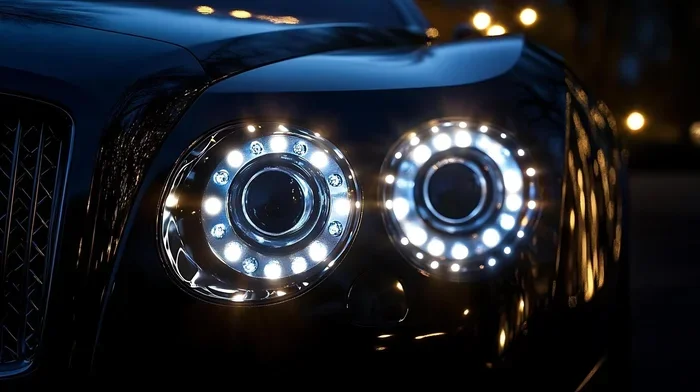
HID headlights for cars use xenon gas instead of a traditional filament to produce light. The result is a bright white beam that looks almost like daylight. Whether you commute long distances or just want a better view on your evening drives, upgrading to HID is one of the smartest things you can do for your vehicle.
Key Takeaways
- HID headlights are much brighter than halogen bulbs: They produce up to 300% more light, making night driving significantly safer.
- HID lights have a longer lifespan: A quality HID bulb can last 2,000 to 3,000 hours, far longer than standard halogen options.
- Color temperature matters: Choose between 4300K and 6000K for the best balance of brightness and visual comfort.
- Installation is straightforward: Most HID conversion kits are DIY-friendly and can be installed in under an hour.
- Proper alignment is critical: Incorrectly aimed HID headlights can blind oncoming drivers and reduce your visibility.
- HID kits work with projector and reflector housings: But the results differ, so choose your setup carefully.
- Upgrading improves resale value: A car with upgraded headlights looks better and performs better on the road.
📑 Table of Contents
- What Are HID Headlights and How Do They Work?
- Why Upgrade to HID Headlights for Cars?
- HID vs Halogen vs LED: Which Headlight Type Is Best?
- How to Choose the Right HID Headlight Kit
- Installing HID Headlights: A Step-by-Step Guide
- Common Mistakes to Avoid When Upgrading to HID Headlights
- Expert Insights on HID Headlight Upgrades
- Key Takeaways
- Conclusion
What Are HID Headlights and How Do They Work?
HID stands for High-Intensity Discharge. These headlights create light through an electric arc between two electrodes inside a glass bulb filled with xenon gas. Unlike halogen bulbs that rely on a heated filament, HID bulbs produce light through a chemical reaction. This process generates a much brighter and more focused beam of light.
The Role of the Ballast in HID Systems
Every HID setup needs a ballast. The ballast controls the electrical current that flows into the bulb. It sends a burst of high voltage to start the arc and then regulates the power to keep the light steady. Without a ballast, your HID bulbs simply will not work. Most quality HID conversion kits come with a built-in ballast, so you do not need to buy one separately.
The ballast also plays a role in startup time. HID headlights typically take a few seconds to reach full brightness. This is normal and not a defect. During the warm-up phase, the light shifts from a bluish tint to a clean white output. Understanding this helps set realistic expectations when you first install your kit.
HID Bulb Types: D1S, D2S, D3S, and D4S
There are four main HID bulb types on the market. Each one has a different base design and operating characteristics. Here is a quick look at each:
- D1S and D1R: These bulbs have a built-in igniter and use a single-pin base. They are commonly found in older vehicles.
- D2S and D2R: These bulbs have an external igniter and use a two-pin base. They are the most common type in modern cars.
- D3S and D3R: These are similar to D1S but do not contain mercury. They are used in some European vehicles.
- D4S and D4R: Like D3S, these are mercury-free and use a four-pin base. They are found in newer luxury and performance cars.
Knowing your bulb type is the first step before buying an HID headlight kit. Check your owner’s manual or look up your vehicle model online to confirm the correct type.
Why Upgrade to HID Headlights for Cars?
The decision to upgrade your headlights should not be taken lightly. Your headlights are your primary safety tool during night driving. Better lights mean better visibility, and better visibility means fewer accidents. Here are the top reasons to consider HID headlights for cars.
Dramatically Improved Visibility
This is the biggest reason people switch to HID. Standard halogen headlights produce around 1,000 lumens of light. A quality HID bulb produces between 3,000 and 4,500 lumens. That is a massive jump. You will see farther down the road and spot obstacles, animals, and debris much earlier. This extra reaction time can genuinely save lives.
Many drivers report feeling more confident and less fatigued after installing HID lights. When you can see the road clearly, you do not have to strain your eyes as much. This makes long night drives more comfortable and less stressful.
Better Color Temperature for Clearer Vision
HID headlights typically operate at a color temperature between 4300K and 6000K. The 4300K range produces a warm white light that is very close to natural sunlight. This is widely considered the most effective color for road illumination. The 6000K range produces a cooler, slightly bluish light that looks stylish but may reduce visibility in rain or fog.
For the best all-around performance, most experts recommend sticking with 4300K or 5000K. These color temperatures offer the best balance of brightness and clarity. They also cut through moisture and light rain better than higher color temperatures.
Longer Lifespan Than Halogen Bulbs
Halogen bulbs typically last around 500 to 1,000 hours. HID bulbs, on the other hand, can last 2,000 to 3,000 hours or more. This means you will replace your headlights far less often. Over time, the cost savings on replacement bulbs can offset the initial investment in an HID kit.
Of course, the ballast also has a lifespan. A quality ballast can last the lifetime of your vehicle. Cheaper ballasts may fail earlier, so it is worth spending a bit more on a reputable brand. Look for kits with a warranty of at least one year.
Aesthetic Appeal and Modern Look
Let us be honest. HID headlights just look better. The clean white or slight blue glow gives your car a modern, premium appearance. Many people notice the difference the moment they see your car on the road. This is one of the reasons headlight upgrades have become so popular among car enthusiasts.
Whether you drive a sedan, SUV, or truck, HID headlights can transform the front-end look of your vehicle. It is one of the most noticeable and affordable visual upgrades you can make.
HID vs Halogen vs LED: Which Headlight Type Is Best?
Choosing the right headlight type can feel overwhelming. There are three main options on the market today: halogen, HID, and LED. Each has its strengths and weaknesses. Let us break them down so you can make an informed decision.
Halogen Headlights
Halogen bulbs are the most common type found in stock vehicles. They are affordable and easy to replace. However, they produce the least amount of light and have the shortest lifespan. If your car still has halogen headlights, upgrading to HID or LED will make the biggest difference.
HID Headlights
HID headlights offer the best brightness and beam reach. They produce a warm white light that closely mimics natural daylight. The main downsides are the slight warm-up time and the higher upfront cost compared to halogen. But for pure performance, HID is hard to beat.
LED Headlights
LED headlights are the newest option on the market. They light up instantly and are very energy efficient. However, LED bulbs that are designed as direct replacements often do not produce as much light as HID. High-end LED kits can match HID performance, but they come at a much higher price point.
Headlight Type Comparison Table
| Feature | Halogen | HID | LED |
|---|---|---|---|
| Brightness (Lumens) | ~1,000 | 3,000 – 4,500 | 2,000 – 4,000 |
| Lifespan (Hours) | 500 – 1,000 | 2,000 – 3,000 | 3,000 – 5,000 |
| Startup Time | Instant | 2 – 5 seconds | Instant |
| Color Temperature Range | 3,000K – 3,500K | 4,300K – 6,000K | 5,000K – 6,500K |
| Cost | Low | Medium | High |
| Installation Difficulty | Very Easy | Moderate | Easy to Moderate |
| Best For | Budget Stock Vehicles | Maximum Brightness | Instant On + Style |
For most drivers looking for the best balance of brightness, cost, and performance, HID headlights for cars remain the top choice. They deliver outstanding results without breaking the bank.
How to Choose the Right HID Headlight Kit
Not all HID kits are created equal. The market is full of cheap options that promise great results but deliver poor performance. Here is what you need to look for when shopping for a HID conversion kit.
Consider the Color Temperature
As mentioned earlier, the color temperature affects both appearance and performance. For the best road visibility, choose a kit rated at 4300K or 5000K. These temperatures produce the brightest and most natural-looking light. Avoid kits below 4300K because they tend to look yellow and outdated. Avoid kits above 6000K because the blue tint reduces visibility and may not pass vehicle inspections in some areas.
Check the Bulb Wattage
Most standard HID kits operate at 35 watts per bulb. This is the sweet spot for performance and reliability. Some kits advertise higher wattage like 55W or 80W. These can produce more light but also generate more heat. Excessive heat can damage your headlight housing and wiring over time. Stick with 35W kits for a safe and reliable setup.
Look for Quality Components
A good HID kit includes more than just bulbs. It should come with quality ballasts, proper wiring harnesses, and waterproof connectors. The ballast is the heart of the system, so do not cheap out on this component. Look for kits from reputable brands that offer at least a one-year warranty. Brands that use Japanese or German ballast technology tend to offer the best reliability.
Verify Compatibility with Your Vehicle
Before purchasing a kit, make sure it is compatible with your specific vehicle. Some cars have different headlight housings that require specific bulb sizes. Common sizes include 9005, 9006, H1, H4, and H7. Check your owner’s manual or consult the kit manufacturer’s compatibility chart before buying.
Quick Tips for Choosing the Right Kit
- Always buy from a reputable seller with good customer reviews.
- Choose a kit that includes everything you need for installation.
- Avoid kits that claim “plug and play” without any wiring modifications.
- Read the warranty terms carefully before purchasing.
- Ask for recommendations from car forums or local auto shops.
Installing HID Headlights: A Step-by-Step Guide
One of the best things about upgrading to HID headlights for cars is that the installation is surprisingly simple. Most people can complete the process in under an hour without any special tools. Here is a step-by-step guide to help you through it.
Step 1: Gather Your Tools and Materials
Before you start, make sure you have everything you need. You will need your HID conversion kit, a screwdriver, pliers, and some electrical tape. Most kits come with all the necessary hardware and wiring components. Lay everything out on a clean surface and check that all parts are included.
Step 2: Remove the Old Headlight Bulb
Open the hood and locate the back of the headlight assembly. Disconnect the electrical connector from the old halogen bulb. Use your screwdriver or pliers to release the retaining clip or spring that holds the bulb in place. Carefully pull the old bulb out. Be careful not to touch the glass part of the new HID bulb with your bare hands. Oils from your skin can create hot spots on the bulb and shorten its lifespan. If you accidentally touch it, clean it with rubbing alcohol.
Step 3: Install the HID Bulb
Take the new HID bulb from the kit and insert it into the headlight housing in the same orientation as the old bulb. Secure it with the retaining clip or spring. Make sure the bulb is firmly seated and cannot move around. Double-check the alignment before moving to the next step.
Step 4: Mount the Ballast
Find a secure location near the headlight assembly to mount the ballast. The ballast should be protected from water and debris. Use the provided zip ties or mounting brackets to keep it in place. Make sure there is enough clearance so the ballast does not rub against any moving parts or hot surfaces.
Step 5: Connect the Wiring
Connect the wiring harness from the ballast to the vehicle’s electrical system. Follow the color-coded instructions included in your kit. Use electrical tape or heat shrink tubing to secure all connections. Make sure no bare wires are exposed. A clean and secure wiring job prevents electrical issues down the road.
Step 6: Test the Lights
Before closing everything up, turn on the headlights and test both the low beam and high beam. The HID bulb should start dimly and then reach full brightness within a few seconds. This is normal behavior. If one side does not light up or flickers, check your connections and try again.
Step 7: Align Your Headlights
HID bulbs produce a much more focused beam than halogen bulbs. This means proper alignment is absolutely essential. Park your car about 25 feet from a flat wall and check the beam pattern. The light should be aimed slightly downward and to the right (for right-hand traffic). If the beam is too high, it will blind oncoming drivers. Adjust the headlight leveling screws until the beam is properly aimed.
Many people skip this step, and it causes problems. Misaligned HID headlights are not only illegal in many areas but also dangerous for other drivers. Take the extra 15 minutes to do it right.
Common Mistakes to Avoid When Upgrading to HID Headlights
Even though the installation process is straightforward, there are some common mistakes that people make. Avoiding these pitfalls will save you time, money, and frustration.
Skipping the Headlight Alignment
This is the number one mistake people make. HID bulbs are much brighter and more focused than halogen bulbs. If you do not align them properly, you will blind oncoming traffic and potentially get pulled over by law enforcement. Always take the time to aim your headlights correctly after installation.
Buying Cheap, Low-Quality Kits
It is tempting to buy the cheapest HID kit you can find online. But cheap kits often use poor-quality ballasts and bulbs that burn out quickly. They may also produce inconsistent light output or flicker. Investing in a quality kit from a reputable brand will save you money in the long run and give you a much better experience.
Touching the HID Bulb Glass
As mentioned earlier, the oils from your fingers can damage HID bulbs. Always handle them by the plastic base or wear gloves. If you touch the glass, clean it thoroughly with rubbing alcohol before installation.
Ignoring Local Laws and Regulations
In some areas, HID headlights in certain housings may not be street legal. For example, using an HID bulb in a reflector housing designed for halogen can cause excessive glare. Check your local laws before making the switch. In most cases, using an HID kit with a projector housing is perfectly legal and produces excellent results.
Forgetting to Check the Warranty
Not all HID kits come with a warranty, and those that do may have limited coverage. Read the warranty terms carefully. A good warranty gives you peace of mind and protects your investment if anything goes wrong.
Expert Insights on HID Headlight Upgrades
We spoke with several automotive lighting experts to get their take on HID headlights for cars. Here is what they had to say.
Mike Torres, ASE-Certified Mechanic: “I have been installing HID kits for over ten years. The difference in night visibility is night and day. I always recommend 4300K kits because they give the best light output and look natural. Clients who go higher than 6000K often come back complaining that the light is too blue and does not illuminate the road as well.”
Sarah Lin, Automotive Lighting Specialist: “The biggest factor in HID performance is the headlight housing. Projector housings are designed for HID and produce a clean, sharp cutoff line. Reflector housings can work with HID too, but the beam pattern may be less defined. If you want the best results, consider a full retrofit with a projector housing.”
David Chen, Car Enthusiast and Blogger: “I upgraded my SUV with a 5000K HID kit and the improvement was incredible. I feel so much safer driving at night now. The key was taking my time with the installation and properly aligning the lights. Do not rush the process.”
Key Takeaways
- HID headlights for cars deliver dramatically better visibility: They produce up to 300% more light than standard halogen bulbs.
- The 4300K to 5000K color range offers the best performance: This range provides the brightest and most natural-looking light for road use.
- Installation is a manageable DIY project: Most kits can be installed in under an hour with basic tools.
- Proper alignment is non-negotiable: Misaligned HID headlights blind other drivers and reduce your own visibility.
- Quality kits cost more but last longer: Investing in a reputable brand saves money on replacements and delivers better results.
- HID headlights increase your vehicle’s value: Upgraded lighting is one of the most noticeable and appreciated modifications.
Conclusion
Upgrading to HID headlights for cars is one of the most impactful improvements you can make to your vehicle. The difference in brightness, clarity, and overall driving experience is truly remarkable. Whether you commute through dark city streets or travel on rural highways, HID headlights give you the confidence and visibility you need to drive safely at night.
The process is simpler than most people think. With a quality HID conversion kit, a little patience, and proper alignment, you can transform your vehicle’s lighting in under an hour. The cost is modest compared to the safety benefits and the aesthetic upgrade you get in return.
Remember to choose the right color temperature, avoid cheap knockoff kits, and always aim your headlights correctly after installation. These small steps make a huge difference in performance and legality. Your future self, driving home on a dark road, will thank you for making the switch to HID headlights for cars.
Do not settle for dim, outdated halogen headlights any longer. Upgrade today and experience the road like never before. Better visibility means better safety, and better safety means peace of mind every time you turn on your headlights.
Frequently Asked Questions
Are HID headlights legal?
Yes, HID headlights are legal in most areas as long as they are installed in compatible headlight housings and properly aimed. Using HID bulbs in reflector housings designed for halogen can cause excessive glare and may not be street legal. Always check your local regulations before installing an HID kit.
How long do HID headlights last?
A quality HID bulb typically lasts between 2,000 and 3,000 hours of use. This is significantly longer than halogen bulbs, which usually last around 500 to 1,000 hours. The ballast also has a long lifespan, often lasting the lifetime of the vehicle with proper care.
Can I install HID headlights myself?
Absolutely. Most HID conversion kits are designed for DIY installation and come with detailed instructions. The process typically takes under an hour and requires only basic tools like a screwdriver and pliers. If you are comfortable changing a light bulb, you can install HID headlights.
What is the best color temperature for HID headlights?
Most experts recommend 4300K or 5000K for the best balance of brightness and visibility. These temperatures produce a clean white light that closely resembles natural daylight. Higher color temperatures like 6000K look stylish but may reduce visibility in wet or foggy conditions.
Do HID headlights need a warm-up time?
Yes, HID headlights take a few seconds to reach full brightness after being turned on. During the startup phase, the light may appear slightly dim or bluish before transitioning to its full white output. This is completely normal and is part of how HID technology works.
What is the difference between HID and xenon headlights?
HID and xenon headlights are essentially the same thing. HID stands for High-Intensity Discharge, and these bulbs use xenon gas to create the electric arc that produces light. The terms are used interchangeably in the automotive industry.