Does the Alfa Romeo 4C Have Power Steering Explained
The Alfa Romeo 4C does not have traditional power steering. This lightweight Italian sports car uses a manual rack-and-pinion steering system that gives drivers raw, unfiltered road feedback. If you love an authentic driving experience, the 4C’s steering setup is a huge plus, but it takes some getting used to.
You have probably heard about the Alfa Romeo 4C. It is a sleek, lightweight Italian sports car that turns heads wherever it goes. But one question keeps popping up among car lovers and potential buyers. Does the Alfa Romeo 4C have power steering? The short answer is no. The 4C uses a pure manual steering system, and that is exactly what makes it special.
When you think about sports cars, you usually expect power steering. It makes turning easier, especially at low speeds. But the Alfa Romeo 4C takes a different path. The engineers at Alfa Romeo made a bold choice. They kept the steering completely manual to preserve the raw, unfiltered driving feel that sports car enthusiasts crave. This decision sets the 4C apart from most cars on the road today.
In this article, we will dive deep into the steering system of the Alfa Romeo 4C. We will explain how it works, what it feels like to drive, and whether this setup is right for you. Whether you are a car enthusiast or just curious about this unique Italian machine, you will find everything you need here.
Key Takeaways
- No Power Steering: The Alfa Romeo 4C uses a manual steering system with no hydraulic or electric assist.
- Lightweight Design: The car weighs only about 1,645 pounds, making manual steering manageable.
- Superior Road Feel: Drivers get incredible steering feedback and direct connection to the road.
- Best for Enthusiasts: The manual steering rewards skilled drivers who enjoy an engaging driving experience.
- Steering Ratio: The 4C has a quick 13.2:1 steering ratio for sharp, responsive handling.
- Low-Speed Challenge: Parking and low-speed maneuvers require more effort than power-steered cars.
- Maintenance Is Simple: With no power steering pump or electronics, there are fewer parts to maintain.
📑 Table of Contents
What Is the Alfa Romeo 4C?
The Alfa Romeo 4C is a mid-engine, rear-wheel-drive sports car. It was first introduced in 2013 and quickly gained a reputation for its lightweight design and pure driving experience. The car uses a carbon fiber monocoque chassis and a fiberglass body. This keeps the total weight around 1,645 pounds, making it one of the lightest sports cars in its class.
Under the hood, the 4C has a 1.75-liter turbocharged inline-four engine. It produces about 237 horsepower and 258 pound-feet of torque. This engine sends power to the rear wheels through a six-speed dual-clutch transmission. The result is a car that feels quick, nimble, and incredibly fun to drive.
One of the defining features of the 4C is its stripped-down approach. There is no power steering, no heavy luxury features, and no unnecessary weight. Every element of this car is designed to put the driver in direct control. The steering system is a perfect example of this philosophy.
Does the Alfa Romeo 4C Have Power Steering?
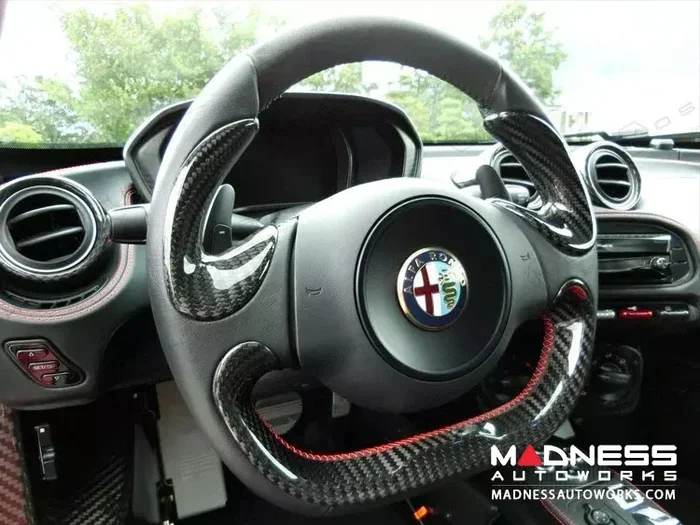
The direct answer is no. The Alfa Romeo 4C does not have power steering of any kind. There is no hydraulic assist. There is no electric motor to help you turn the wheel. What you get is a pure manual rack-and-pinion steering system. This means the effort you put into turning the wheel goes directly to the wheels.
How the Steering System Works
The 4C uses a traditional rack-and-pinion steering setup. This is one of the oldest and most reliable steering designs in automotive history. When you turn the steering wheel, a pinion gear rotates and moves a rack gear side to side. This movement turns the front wheels directly.
Because there is no power assist, the driver feels every bump, every road imperfection, and every change in grip. This is what car enthusiasts call “road feel” or “steering feedback.” The 4C’s steering ratio is set at 13.2:1, which is quite quick. This means you do not need to turn the wheel very far to get a sharp change in direction. It makes the car feel incredibly responsive and alive.
The manual steering system also means there are fewer components that can fail. There is no power steering pump, no fluid lines, no electric motor, and no sensors. This simplicity is a big advantage for owners who want a car that is easy to maintain and repair.
Manual vs Power Steering
Most cars on the road today come with some form of power steering. There are two main types:
- Hydraulic Power Steering: Uses a pump and fluid to assist steering. It provides a natural, mechanical feel. Many sports cars prefer this type because it gives good feedback.
- Electric Power Steering: Uses an electric motor to assist. It is lighter and more efficient. However, it often feels artificial and removes road feel.
The Alfa Romeo 4C skips both of these systems entirely. The trade-off is clear. You get zero assist, which means more effort at low speeds. But you also get maximum feedback, which makes the car feel connected and engaging. For many enthusiasts, this trade-off is worth it.
What It Is Like to Drive the 4C Without Power Steering
Driving the Alfa Romeo 4C without power steering is a unique experience. It is something you have to feel to truly understand. The car rewards drivers who enjoy being fully involved in every turn and every corner.
Steering Feedback and Road Feel
This is where the 4C truly shines. Without power steering, you feel everything. The steering wheel communicates directly with your hands. You can sense when the front tires are losing grip. You can feel the road surface change from smooth asphalt to rough pavement. This level of feedback is rare in modern cars.
Many drivers describe the 4C’s steering as “telepathic.” The wheel seems to know what the road is doing before you do. This makes the car incredibly fun on twisty mountain roads or canyon drives. You feel like you are in direct conversation with the road.
The lack of power assist also means the steering is very precise. There is no motor or software filtering out your inputs. Every movement of the wheel translates directly into a change of direction. This precision is something that even the best power steering systems cannot fully replicate.
Steering Effort at Different Speeds
At higher speeds, the steering effort on the 4C is quite light. The tires generate more grip at speed, which naturally reduces the effort needed to turn. On the highway, you can cruise with ease. The car tracks straight and stays stable without much input.
However, at low speeds, things change. Parking the 4C takes more effort than in a typical power-steered car. You will feel the weight in the steering wheel, especially when turning at a standstill. This is the main trade-off for the manual steering setup. It takes a few days to get used to, but most drivers adapt quickly.
Here are some tips to make low-speed driving easier:
- Use smooth, deliberate turns. Do not jerk the wheel. Slow, steady inputs work best.
- Let the car roll before turning. Creeping forward makes steering much easier.
- Use your whole body. Turn your torso, not just your arms. This reduces fatigue.
- Practice in empty parking lots. Get comfortable with the steering feel before hitting busy streets.
Who Should Consider the 4C?
The Alfa Romeo 4C is not for everyone. Its manual steering system is a defining feature, and it appeals to a specific type of driver. Understanding who will love this car and who will struggle with it is important before you buy.
Enthusiast Drivers vs Daily Commuters
If you are a driving enthusiast who loves the feel of the road, the 4C is a dream come true. The manual steering gives you a level of engagement that most modern cars simply cannot match. You will appreciate every twist and turn. The car feels alive, responsive, and deeply rewarding to drive.
On the other hand, if you use your car for daily commuting or running errands, the manual steering might feel tiring. Stop-and-go traffic, parallel parking, and tight city streets all require more effort without power steering assist. If you drive in heavy urban traffic every day, you might find the 4C’s steering setup exhausting over time.
Here is a quick look at who the 4C suits best:
- Best for: Weekend toy, track days, canyon runs, driving enthusiasts, car collectors
- Not ideal for: Daily commuters in heavy traffic, drivers with physical limitations, those who prefer effortless driving
The good news is that the 4C is a lightweight car. At just 1,645 pounds, it is much easier to steer than heavier sports cars. This makes the manual steering more manageable than you might expect. Many owners say they adjusted to it within the first week of ownership.
Comparing the 4C Steering to Other Sports Cars
The Alfa Romeo 4C is not the only sports car without power steering. Several other cars in the enthusiast segment have made the same choice. Let us look at how the 4C compares to some of its rivals.
| Car | Steering Type | Weight | Steering Feel |
|---|---|---|---|
| Alfa Romeo 4C | Manual Rack-and-Pinion | 1,645 lbs | Raw, direct, communicative |
| Lotus Elise | Manual Rack-and-Pinion | 1,912 lbs | Light, precise, playful |
| Mazda MX-5 Miata | Manual Rack-and-Pinion | 2,331 lbs | Balanced, friendly, fun |
| Porsche 911 (992) | Electric Power Steering | 3,317 lbs | Sporty, refined, consistent |
| Chevrolet Corvette (C8) | Electric Power Steering | 3,370 lbs | Sharp, responsive, easy |
As you can see, the 4C is the lightest car in this comparison. Its low weight makes the manual steering much easier to manage than it would be in a heavier car. The Lotus Elise is the closest comparison, and both cars share a similar philosophy. They prioritize driving feel over convenience.
The Mazda MX-5 Miata is another interesting comparison. It is a front-wheel-drive roadster with manual steering, but it weighs more than the 4C. The Miata is known for being one of the most accessible sports cars. Even with manual steering, it is easy to drive and very forgiving. The 4C, by contrast, is more demanding and rewards experienced drivers.
Modern sports cars from Porsche and Chevrolet use electric power steering. These systems are efficient and provide consistent assist. However, many enthusiasts feel they lack the authenticity and feedback of a manual system. The 4C sits firmly in the “purist” camp of sports car steering.
Maintenance Tips for the 4C Steering System
One of the great advantages of the 4C’s manual steering is how simple it is to maintain. There are no power steering pumps, no fluid reservoirs, and no electric motors to worry about. However, like any steering system, it still needs regular attention to stay in top shape.
Routine Checks
Here are some simple maintenance tips to keep your 4C steering system working perfectly:
- Check the tie rod ends regularly. Look for any signs of play or looseness. Worn tie rods can affect steering feel and safety.
- Inspect the rack and pinion. Make sure there are no leaks or excessive play in the system.
- Check the steering column bearings. These can wear over time and cause looseness or vibration in the wheel.
- Keep the alignment in check. The 4C’s manual steering is very sensitive to alignment changes. Get a professional alignment at least once a year.
- Inspect the steering rack bushings. Worn bushings can introduce play and reduce feedback.
Common Steering Issues to Watch For
While the 4C’s steering system is simple and reliable, there are a few issues that owners should be aware of:
- Tight steering at low speeds: This is expected with manual steering. If it feels unusually tight, check the rack for binding or worn components.
- Vibration in the steering wheel: This can indicate worn suspension components or alignment issues. Address it promptly.
- Clicking or clunking when turning: This often points to worn tie rod ends or loose steering column connections.
- Off-center steering wheel: A sign that the alignment is off. Get it checked and corrected.
The beauty of the manual system is that there are fewer things to go wrong. Most steering issues on the 4C come from suspension wear rather than the steering system itself. Keeping your suspension in good shape will keep your steering feeling sharp and responsive.
Final Verdict
So, does the Alfa Romeo 4C have power steering? No, it does not. And that is exactly what makes it special. The 4C is a purist sports car that prioritizes driver engagement over convenience. Its manual rack-and-pinion steering system delivers an unmatched level of road feel and feedback.
If you love the feel of the road and enjoy being fully connected to your car, the 4C’s steering setup will thrill you. It makes every drive feel more intimate and exciting. The car rewards skill and punishes hesitation. This is what makes it such a memorable driving experience.
However, if you prefer effortless driving or use your car in heavy city traffic, the manual steering might be a challenge. It takes some getting used to, and it is not the most convenient setup for everyday driving. But for the right driver, this is not a drawback. It is a feature.
The Alfa Romeo 4C proves that sometimes, less is more. By removing power steering, the engineers created a car that feels more alive and engaging than many luxury sports cars with the latest electric assist systems. It is a reminder that the best driving experiences come from simplicity and directness.
If you are considering buying a 4C, take it for a test drive. Feel the steering for yourself. Once you experience the raw, unfiltered connection between your hands and the road, you will understand why the Alfa Romeo 4C remains a beloved choice among driving enthusiasts around the world.
The 4C’s manual steering is not just a feature. It is a statement. It says that this car was built for people who love to drive. Not just people who like to sit behind the wheel. If that sounds like you, the Alfa Romeo 4C might just be the car you have been looking for.
Frequently Asked Questions
Is the Alfa Romeo 4C hard to steer at low speeds?
Yes, the 4C requires more effort at low speeds because it has no power steering assist. Parking and slow maneuvers can feel heavy at first. However, most drivers adapt within a few days. The lightweight design of the car also helps keep the steering effort manageable.
What type of steering does the Alfa Romeo 4C use?
The 4C uses a manual rack-and-pinion steering system. There is no hydraulic or electric power assist. The steering ratio is 13.2:1, which makes the car very responsive and quick to change direction.
Can you add power steering to an Alfa Romeo 4C?
Technically, it is possible to retrofit an electric power steering system, but it is not common or recommended. The manual steering is a core part of the 4C’s character and driving experience. Changing it would alter the car’s fundamental design philosophy and could affect its value.
Is the 4C’s steering better than power steering?
It depends on what you value. The 4C’s manual steering provides far superior feedback and road feel compared to most power steering systems. Enthusiasts often prefer this raw, direct connection. However, for everyday convenience and comfort, power steering is easier to live with.
How does the 4C’s steering compare to the Lotus Elise?
Both cars use manual rack-and-pinion steering and share a similar purist philosophy. The 4C is lighter than the Elise, which makes its manual steering feel slightly easier. The Elise has a slightly heavier feel but offers similar levels of feedback and engagement.
Does the lack of power steering affect the 4C’s resale value?
Not necessarily. Many car enthusiasts specifically seek out manual steering sports cars. The 4C’s manual steering is considered a desirable feature among purists. In the used car market, this characteristic can actually help maintain or increase its value among the right buyers.
=== CONCLUSION ===
The Alfa Romeo 4C does not have power steering, and that is a feature, not a flaw. The manual rack-and-pinion steering system gives this lightweight Italian sports car an incredible level of driver engagement and road feel. It is a car that was designed for people who love the act of driving itself.
If you value connection, precision, and authenticity over convenience, the 4C’s steering setup will reward you every time you get behind the wheel. It is a reminder that sometimes the simplest systems deliver the most satisfying results. The Alfa Romeo 4C proves that great driving does not need power steering. It just needs a driver who is willing to feel every road.