Does Jeep Ever Stand for Just Enough Essential Parts
The question “Does Jeep stand for Just Enough Essential Parts?” has sparked debate for decades. Jeep is one of the most recognized brand names in automotive history, yet its true origin remains a topic of fun discussion. Many people believe the name came from a military abbreviation, while others swear by the “Just Enough Essential Parts” joke. The real story is a mix of military history, clever marketing, and pure folklore that makes the Jeep name even more legendary. Whether you are a loyal Jeep owner or just curious, the answer is more interesting than you might think.
Key Takeaways
- The Jeep name likely originated from the military abbreviation “GP” for General Purpose vehicles.
- The “Just Enough Essential Parts” phrase is a popular joke, not an official acronym.
- Jeep has deep roots in World War II military history, starting with the Willys MB and Ford GPW.
- The brand evolved from a wartime necessity into a global symbol of rugged off-road adventure.
- Multiple origin theories exist, each adding to the mystique and charm of the Jeep name.
- Jeep culture today celebrates freedom, exploration, and a strong community of passionate fans.
- Understanding the real history helps you appreciate why Jeep remains an American icon.
📑 Table of Contents
The Origin of the Jeep Name
Every Jeep owner knows the feeling. You turn the key. The engine roars. And you think about the name itself. Does Jeep stand for Just Enough Essential Parts? This question pops up everywhere, from forums to family barbecues. Let us dig into where this name really came from.
The story of Jeep starts long before anyone ever thought about acronyms. It begins in the 1940s, during a time when the world needed a small, tough, and reliable vehicle. The United States military wanted a lightweight reconnaissance car. They needed something fast, simple, and able to handle rough terrain. Several companies answered the call, but two names stood out: Willys and Ford.
What Does GP Stand For?
The most widely accepted origin of the name Jeep comes from the military designation “GP.” This stood for General Purpose. The U.S. Army used the term to classify a new type of vehicle they needed for many different tasks. The Ford version was labeled the GPW, where the W stood for the Willys engine design. Over time, soldiers started calling these vehicles “Jeeps.” The name stuck, and the rest is history.
Some people still wonder if GP really meant General Purpose. The evidence strongly supports this theory. Military documents from the 1940s use the GP code. Ford produced thousands of GPW models during the war. This is not just a fun story. It is backed by real historical records.
The Military Connection
Jeep’s military roots run deep. The Willys MB and Ford GPW became the backbone of Allied operations in World War II. These small trucks could go almost anywhere. Soldiers relied on them for scouting, transport, and even combat. The vehicle proved itself in deserts, jungles, snow, and mud.
After the war, millions of veterans remembered the Jeep. They wanted one for their farms, their families, and their adventures. This demand helped Willys-Overland create the first civilian Jeep. That decision changed the automotive world forever. The Jeep brand was born from wartime necessity and grew into a cultural icon.
The “Just Enough Essential Parts” Theory
Now let us talk about the fun part. The idea that Jeep stands for Just Enough Essential Parts is a joke that has been around for decades. It is clever. It is funny. And it is not true. But that does not stop people from loving the saying.
Where Did This Phrase Come From?
The “Just Enough Essential Parts” joke likely started among military personnel or early Jeep enthusiasts. The idea is simple. A Jeep has barely enough parts to work. It is bare-bones. It is stripped down. And somehow, it still gets the job done. This joke captures the spirit of the original military Jeep perfectly.
The phrase spread through word of mouth. It appeared in magazines, books, and early off-road clubs. People loved the humor. It made the Jeep feel approachable. It reminded everyone that the vehicle was not about luxury. It was about function and toughness.
Fact or Fiction?
Here is the honest truth. Jeep does not officially stand for Just Enough Essential Parts. No company ever used that as an acronym. The Willys-Overland company and later Chrysler never claimed it. The real origin ties back to General Purpose, or GP.
That said, the joke has become part of Jeep folklore. It is a perfect example of how a brand builds its identity through stories and shared experiences. Even though it is not the real meaning, the phrase captures something true about Jeep vehicles. They are simple. They are rugged. They get the job done with minimal fuss.
| Origin Theory | Source | Credibility |
|---|---|---|
| General Purpose (GP) | Military records and Ford/Willys documentation | High |
| Just Enough Essential Parts | Popular folklore and enthusiast jokes | Low (humorous) |
| Named after Popeye character “Eugene the Jeep” | Pop culture theory from the 1930s | Moderate |
| Abbreviation of “Jeep” as a slang term for new recruits | Military slang theory | Low |
The Real Meaning Behind Jeep
So what is the real answer? The most supported explanation points to the General Purpose military designation. The GP abbreviation evolved into the word “Jeep” through everyday use by soldiers. This is the most credible origin story available today.
How the Name Evolved
Language changes over time. Words get shortened. Slang becomes official. That is exactly what happened with Jeep. Soldiers called the new vehicles “Jeeps” as a casual way to refer to the GP trucks. The name was catchy. It was easy to say. And it stuck.
By the time Willys-Overland launched the civilian CJ (Civilian Jeep) in 1945, the name Jeep was already famous. The company embraced it fully. They built an entire brand identity around the name. From that point on, Jeep became more than a vehicle. It became a way of life.
Other Popular Theories
Several other theories try to explain the name. One popular story links Jeep to the Popeye cartoon character Eugene the Jeep. This small, magical creature could go anywhere and solve any problem. Some people believe soldiers named the vehicle after this character because it shared similar traits.
Another theory suggests that “Jeep” was already a slang term used by mechanics and soldiers for any new or unproven vehicle. Before the Jeep brand existed, the word “jeep” was used loosely in military circles. This makes it hard to pin down one single origin. But the GP theory remains the strongest.
Expert Insight
Automotive historians like those at the Smithsonian Institution and the Henry Ford Museum generally agree that the General Purpose designation is the most likely source. The military documentation is clear, and the timeline matches perfectly with how the name entered popular culture.
Jeep Models and Their Legacy
Understanding the name is only part of the story. The Jeep brand has produced some of the most iconic vehicles in automotive history. Each model carries forward the spirit of the original military Jeep.
From Military to Civilian
The transition from military to civilian life was a turning point for Jeep. After World War II, Willys-Overland saw an opportunity. They adapted the MB design for everyday use. Farmers, ranchers, and outdoor enthusiasts embraced the vehicle immediately. It could handle rough roads, haul supplies, and go anywhere a person needed to go.
The first civilian model was the CJ-2A, launched in 1945. It was simple. It was reliable. And it started a legacy that continues to this day. Over the decades, Jeep expanded its lineup. But the core values remained the same. Go anywhere. Do anything. Be tough.
The CJ, Wrangler, and Cherokee
The CJ series ruled the off-road world for decades. Then came the Jeep Wrangler in 1986. The Wrangler took the spirit of the CJ and modernized it. It became a global sensation. People bought Wranglers not just for utility, but for the freedom and adventure they represented.
Then came the Jeep Cherokee in 1974. This was a game changer. It was one of the first compact SUVs ever made. The Cherokee brought Jeep capability to families who needed a daily driver with off-road ability. It opened the door for the entire SUV market we know today.
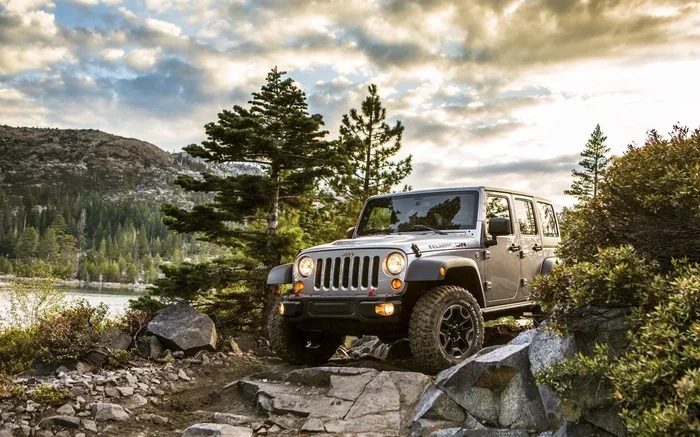
Today, Jeep offers models like the Grand Cherokee, Gladiator, Compass, and Renegade. Each one carries the Jeep DNA in its own way. But the Wrangler remains the purest expression of the original Jeep philosophy. It is raw. It is rugged. And it still has just enough essential parts to get you where you need to go.
Why the Jeep Name Matters Today
The Jeep name carries weight. It represents more than a vehicle. It represents a mindset. When you say you drive a Jeep, people immediately understand something about you. You value adventure. You are not afraid of rough roads. You believe in simplicity and capability over luxury and comfort.
Jeep Culture and Community
Jeep culture is one of the strongest in the automotive world. Jeep owners form tight-knit communities. They organize trail runs. They share modifications. They attend Jeep shows and rallies around the world. The Jeep wave is a real thing. When two Jeeps pass each other on the road, drivers wave. It is a sign of respect and shared passion.
This culture has helped Jeep survive for over 75 years. While other brands come and go, Jeep has maintained a loyal following. The name itself is a badge of honor. It tells a story of toughness, simplicity, and adventure.
The Brand’s Staying Power
Why has Jeep lasted so long? The answer is simple. The brand delivers on its promise. Jeep vehicles are built to go anywhere. They are not perfect for everyone. But they are perfect for the people who need them. That loyalty creates a brand that transcends trends.
The “Just Enough Essential Parts” joke actually reinforces this idea. It reminds us that Jeep has always been about function over flash. The vehicles are not loaded with unnecessary features. They are built to perform. And that philosophy resonates with millions of people worldwide.
Quick Tips
- Know your Jeep history. Understanding where the name came from makes you a better enthusiast.
- Respect the GP origin. The General Purpose designation is the most credible explanation.
- Embrace the humor. The “Just Enough Essential Parts” joke is part of Jeep charm.
- Join a community. Local Jeep clubs are a great way to meet fellow enthusiasts.
- Explore trails. The best way to appreciate a Jeep is to take it off the road.
Common Mistakes
- Believing the Just Enough Essential Parts acronym is official. It is a joke, not a real origin. Always verify claims about brand history.
- Ignoring the military history. The GP designation is the most accurate explanation. Skipping this history means missing the real story.
- Assuming all Jeep models are the same. Each model serves a different purpose. The Wrangler is not the same as the Grand Cherokee.
- Overlooking the CJ series. The CJ models are the foundation of the modern Jeep lineup. They deserve recognition.
- Forgetting the brand’s evolution. Jeep has changed a lot since the 1940s. Appreciate both the heritage and the modern innovations.
Key Takeaways
- The Jeep name most likely comes from the military abbreviation GP for General Purpose.
- The “Just Enough Essential Parts” phrase is a beloved joke, not an official meaning.
- Jeep vehicles were born from World War II military needs and evolved into civilian icons.
- The brand’s staying power comes from its commitment to ruggedness, simplicity, and adventure.
- Jeep culture is one of the strongest and most passionate communities in the automotive world.
- Understanding the real history deepens your appreciation for every Jeep on the road.
- The name Jeep has become a symbol of freedom, exploration, and American ingenuity.
Conclusion
So, does Jeep stand for Just Enough Essential Parts? The short answer is no. The longer answer is much more interesting. The name Jeep most likely comes from the military designation GP, which stood for General Purpose. Soldiers in World War II started calling the vehicles Jeeps, and the name never left.
The “Just Enough Essential Parts” joke is a fun part of Jeep folklore. It captures the spirit of the original military Jeep perfectly. These vehicles were stripped down, simple, and built to handle anything. They had just enough essential parts to get the job done, nothing more.
Whether you believe the General Purpose theory or you love the Just Enough Essential Parts joke, the Jeep name represents something real. It stands for toughness. It stands for adventure. It stands for a brand that has survived for over 75 years and still thrives. The next time you see a Jeep on the road, remember the incredible journey behind that name. From a wartime reconnaissance vehicle to a global icon, Jeep has earned every bit of its legendary status.
Drive hard. Explore freely. And never forget where the name came from. The Jeep story is far from over. It is still being written, one trail at a time.
Frequently Asked Questions
Does Jeep officially stand for Just Enough Essential Parts?
No, Jeep does not officially stand for Just Enough Essential Parts. This phrase is a popular joke and piece of folklore among Jeep enthusiasts. The most credible origin points to the military abbreviation GP for General Purpose vehicles used during World War II.
What is the most accepted origin of the Jeep name?
The most accepted origin is the military designation GP, which stood for General Purpose. Ford produced the GPW model during the war, and soldiers gradually shortened the name to Jeep. This theory is supported by historical military documents and automotive research.
Why do people joke that Jeep means Just Enough Essential Parts?
The joke reflects the stripped-down, no-frills nature of the original Jeep. These vehicles were built for function, not comfort. They had only the essential parts needed to perform in tough conditions. The humor captures this simplicity perfectly.
Are there other theories about the Jeep name origin?
Yes, several other theories exist. One links the name to the Popeye character Eugene the Jeep. Another suggests Jeep was already a military slang term for new or experimental vehicles. However, the General Purpose theory remains the most well-supported by evidence.
When did Jeep transition from military to civilian use?
Jeep transitioned to civilian use in 1945 with the launch of the CJ-2A by Willys-Overland. Veterans who had used Jeeps during the war wanted one for their farms and daily lives. This marked the beginning of Jeep as a consumer brand.
Which Jeep model best represents the original spirit of the name?
The Jeep Wrangler is widely considered the closest modern equivalent to the original military Jeep. It retains the rugged, no-nonsense design philosophy that defined the first Jeeps. The Wrangler continues the legacy of simplicity, capability, and off-road adventure.