Does a Hybrid Recharge While Driving or Stand Still
Yes, a hybrid can recharge while driving through a process called regenerative braking and energy recovery. Self-charging hybrids use the gasoline engine and braking to replenish the battery, while plug-in hybrids offer an extra boost through a charging port. Understanding how your specific hybrid system works helps you maximize fuel efficiency and electric range every time you hit the road.
Have you ever wondered whether your hybrid recharge while driving actually happens? It is a question that confuses a lot of car buyers. The short answer is yes, but it is not as simple as plugging in a phone. How your hybrid battery gets replenished depends on the type of hybrid you own, how you drive, and what the road looks like ahead.
Modern hybrid vehicles use clever technology to capture energy that would otherwise be wasted. This energy goes right back into the battery pack. Some hybrids can even top off the battery while you cruise down the freeway. Understanding how this works can help you get the most out of your car every single day.
In this guide, we will walk through everything you need to know. We will look at how regenerative braking works, what sets apart a plug-in hybrid from a self-charging hybrid, and how your driving habits play a big role. By the end, you will feel confident about how your hybrid keeps itself powered up.
Key Takeaways
- Hybrids recharge while driving: Regenerative braking captures kinetic energy and feeds it back into the battery pack.
- Two main types exist: Plug-in hybrids need external charging, while self-charging hybrids replenish on the go.
- Driving habits matter: City driving with frequent stops generates more recovered energy than steady highway driving.
- Eco mode boosts efficiency: It adjusts power delivery and battery usage to squeeze out more electric range.
- Myths persist: Hybrids do not charge as fast as plugging in a phone, and the battery does not need manual maintenance.
- Battery longevity is strong: Most hybrid battery packs last well over 100,000 miles with proper care.
📑 Table of Contents
How Hybrid Vehicles Work
A hybrid vehicle combines two power sources. Most commonly, it pairs a gasoline engine with an electric motor. These two systems work together to move the car forward. The result is better fuel efficiency and lower emissions compared to a traditional combustion engine car.
The battery pack stores electrical energy for the electric motor. It is smaller than the battery in a fully electric vehicle but still plays a vital role. Depending on the hybrid type, this battery can be charged in different ways. Let us break down the main systems next.
The Gasoline Engine and Electric Motor Team Up
In a full hybrid, the gasoline engine handles most of the heavy lifting at high speeds. The electric motor kicks in during low-speed driving and acceleration. Together, they balance each other out. This teamwork is what gives hybrids their impressive fuel economy numbers.
Some hybrids use a power-split device to manage the flow of energy between the engine and motor. This clever mechanism ensures smooth transitions. You rarely notice when the car switches from one power source to another. That seamless experience is part of what makes hybrids so appealing.
Types of Hybrid Systems
Not all hybrids are the same. There are three main types you should know about. Each one handles battery charging differently.
- Full Hybrid: Can run on electric power alone for short distances. The battery charges through regenerative braking and the gasoline engine.
- Mild Hybrid: Uses a smaller electric motor to assist the gasoline engine. It cannot drive on electric power alone. However, it still improves fuel efficiency.
- Plug-In Hybrid (PHEV): Has a larger battery that you can charge from an external source. It offers a longer electric range before the gasoline engine takes over.
Each type has its own strengths. Your choice depends on your daily driving needs and access to charging facilities. Let us now answer the big question directly.
Does a Hybrid Recharge While Driving?
The answer is yes. Most hybrid vehicles recharge their battery while you drive. But the way they do it is quite different from what you might expect. There is no charging cable involved in most cases. Instead, the car uses smart energy recovery systems to keep the battery topped up.
The primary method is regenerative braking. When you take your foot off the accelerator or press the brake pedal, the electric motor reverses its role. It becomes a generator. This generator converts the car’s kinetic energy back into electrical energy. That energy then flows into the battery pack for later use.
This process happens every time you slow down or stop. It is always working in the background. Over a typical city drive, this can add a meaningful amount of charge to the battery. You are quite literally turning wasted energy into useful power.
Regenerative Braking Explained
Regenerative braking is the star of the show when it comes to hybrid recharge while driving. Traditional cars waste energy as heat when you brake. Hybrids capture that energy instead. It is a simple but brilliant concept.
Here is how it works step by step:
- You lift your foot off the accelerator or press the brake.
- The electric motor switches to generator mode.
- Kinetic energy from the moving car spins the motor.
- The motor produces electricity and sends it to the battery.
- The car slows down smoothly while gaining stored energy.
This energy recovery system is always active during driving. You do not need to do anything special. The car handles it automatically. Some hybrids even let you adjust the level of regenerative braking to suit your preference.
How Much Energy Does Regenerative Braking Recover?
The amount of energy recovered depends on several factors. Your driving speed matters a lot. Frequent stops and starts recover more energy than steady cruising. This is why hybrids often perform best in city traffic.
Here are the key factors that affect energy recovery:
- Driving speed: Higher speeds mean more kinetic energy to capture during braking.
- Traffic conditions: Stop-and-go traffic offers more opportunities for regeneration than open roads.
- Battery level: If the battery is already full, the system may not accept more charge.
- Temperature: Cold weather can reduce the efficiency of energy recovery.
- Vehicle weight: Heavier vehicles carry more kinetic energy, which means more to recover.
While regenerative braking is effective, it cannot fully recharge a depleted battery on its own. Think of it as a supplement, not a complete solution. That is where the different hybrid types come into play.
Plug-In Hybrids vs Self-Charging Hybrids
Understanding the difference between these two types is essential. They both recharge while driving, but they have very different charging capabilities.
What Is a Plug-In Hybrid?
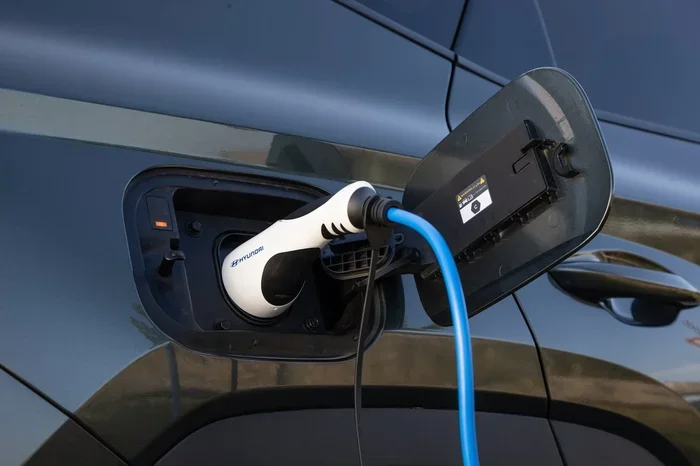
A plug-in hybrid comes with a larger battery pack. You can connect it to an external power source using a charging port. This means you can plug it in at home or at a public charging station. The result is a longer electric range before the gasoline engine kicks in.
Most plug-in hybrids offer between 20 and 50 miles of pure electric driving. For daily commuters, this can cover the entire trip without using any gasoline at all. When the battery runs low, the gasoline engine takes over and the car functions like a regular hybrid.
Plug-in hybrids also recharge while driving through regenerative braking. However, their larger battery means they need more time to refill fully. The combination of plug-in charging and driving recovery gives these vehicles the most flexibility.
What Is a Self-Charging Hybrid?
A self-charging hybrid cannot be plugged in. It relies entirely on the gasoline engine and regenerative braking to maintain the battery charge. The battery capacity is smaller than a plug-in hybrid, which helps keep the car lighter and more efficient.
These hybrids are perfect for people who do not have access to a charging outlet at home. You never need to think about plugging in. The car takes care of everything on its own. The trade-off is a shorter electric-only range, usually just one to two miles.
Self-charging hybrids excel at city driving where frequent braking generates plenty of energy. On the highway, the electric motor mostly assists the gasoline engine rather than powering the car alone.
Comparison: Plug-In Hybrid vs Self-Charging Hybrid
| Feature | Plug-In Hybrid | Self-Charging Hybrid |
|---|---|---|
| Battery Size | Larger | Smaller |
| External Charging | Yes, via charging port | No |
| Electric Range | 20-50 miles | 1-5 miles |
| Recharges While Driving | Yes | Yes |
| Fuel Economy | Excellent | Very Good |
| Upfront Cost | Higher | Lower |
| Best For | Commuters with charging access | Drivers without charging access |
Both types offer the benefit of hybrid recharge while driving. Your choice should depend on your lifestyle, driving patterns, and access to charging infrastructure.
Driving Habits That Affect Hybrid Battery Charging
How you drive has a direct impact on how much your hybrid battery recharges. Small changes in your routine can make a big difference. Let us look at the key factors.
City Driving vs Highway Driving
City driving is the best scenario for energy recovery. Frequent stops mean more opportunities for regenerative braking to work. Every time you slow down for a traffic light or congestion, the battery gains a little charge.
Highway driving is different. There are fewer stops and more steady cruising. The gasoline engine does most of the work at highway speeds. Regenerative braking still occurs, but less frequently. However, some hybrids use the electric motor during cruising to reduce engine load and improve fuel economy.
If you drive mostly in the city, your hybrid battery will stay more charged. If you do long highway commutes, you may notice the battery charge dips more often. This is normal and expected.
Eco Mode and Its Benefits
Most hybrids come with an eco mode setting. When you activate it, the car adjusts several systems to prioritize efficiency. The throttle response becomes gentler. The air conditioning may reduce its power draw. And the electric motor gets more involved earlier in the acceleration process.
Eco mode can significantly extend your electric range. It encourages smoother driving, which in turn generates more opportunities for regenerative braking. It is a simple switch that can make a noticeable difference in your fuel efficiency over time.
Try using eco mode during your daily commute. You might be surprised at how much charge the battery retains by the time you reach your destination. It is one of the easiest ways to get more out of your hybrid.
Smooth Driving Tips for Better Charging
Your driving style directly influences how well the regenerative braking system works. Here are some practical tips to maximize energy recovery:
- Anticipate stops: Lift your foot off the accelerator early when you see a red light ahead. This lets the regenerative system capture more energy.
- Avoid hard braking: Slamming the brakes wastes energy as heat. Gentle braking allows the electric motor to recover more efficiently.
- Maintain steady speeds: Smooth acceleration and cruising reduce the workload on the gasoline engine.
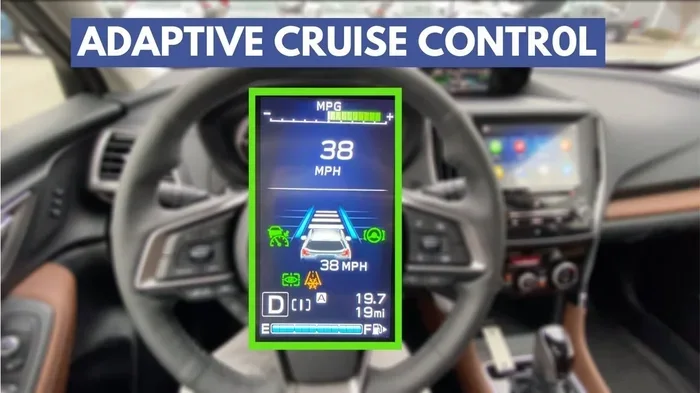
- Use cruise control wisely: On highways, cruise control can help maintain a steady speed and improve overall efficiency.
- Monitor your dash display: Many hybrids show real-time energy flow. Watch for the arrows that indicate charging and usage.
These small adjustments add up over time. They help your hybrid operate at peak efficiency. More importantly, they extend the life of your battery pack by keeping it in a healthy charge range.
Common Myths About Hybrid Charging
There are several misconceptions about how hybrid batteries charge. Let us clear up the most common ones.
Myth: Hybrids Charge as Fast as Plugging In a Phone
This is simply not true. A phone charger delivers power quickly because it is designed for a small battery. A hybrid battery pack is much larger and requires far more energy to refill. Regenerative braking recovers energy slowly over time. It is a gradual process, not a fast one.
Myth: You Need to Replace the Hybrid Battery Frequently
Modern hybrid battery packs are built to last. Most manufacturers warrant them for 8 to 10 years or 100,000 miles. In practice, many hybrids go well beyond that without needing a replacement. The regenerative system actually reduces battery wear by managing charge cycles intelligently.
Myth: Hybrids Only Work in Warm Weather
Cold weather does reduce charging efficiency. The battery chemistry slows down in low temperatures. However, hybrids still function perfectly in winter. The gasoline engine compensates for any reduction in electric-only capability. Most modern hybrids also have battery thermal management systems to keep the pack at optimal temperature.
Myth: Self-Charging Hybrids Do Not Need Any External Charging
This is actually true for self-charging hybrids. They do not need a charging port or external power source. The gasoline engine and regenerative braking handle everything. However, plug-in hybrids do benefit greatly from regular external charging to maximize their electric range.
Tips to Maximize Your Hybrid Battery Performance
Taking care of your hybrid battery goes beyond just driving habits. A few simple practices can keep your system running strong for years.
Keep Your Battery Between 20% and 80%
Constantly draining the battery to empty or charging it to 100% can shorten its lifespan. Try to keep the charge level in the middle range when possible. Most hybrids manage this automatically, but being mindful helps.
Schedule Regular Maintenance
Follow the manufacturer’s maintenance schedule. Regular check-ups ensure the cooling system, electric motor, and battery pack are all functioning properly. A well-maintained hybrid will recharge more efficiently and deliver better fuel economy over its lifetime.
Use the Right Driving Mode for the Situation
Most hybrids offer multiple driving modes. Use normal mode for everyday driving. Switch to eco mode for commuting or city trips. Use sport mode when you need extra power for passing or merging. Matching the mode to your driving situation optimizes energy use.
Plan Long Trips with Charging Stops
If you own a plug-in hybrid, plan your route around charging stations. Even a 20-minute top-up at a public charger can add significant electric range. This strategy lets you maximize the time you spend driving on electric power alone.
Conclusion
The hybrid recharge while driving concept is real and it works every time you get behind the wheel. Through regenerative braking and smart energy management, your hybrid vehicle captures wasted energy and turns it into usable power. Whether you drive a self-charging hybrid or a plug-in hybrid, the system is always at work.
Your driving habits play a big role in how effectively the battery recharges. City driving with frequent stops generates more recovered energy than steady highway cruising. Using eco mode and practicing smooth acceleration can make a noticeable difference. And understanding the difference between hybrid types helps you set realistic expectations.
The key takeaway is simple. Hybrids are designed to be smart about energy use. They do not need you to plug them in every night (unless you own a plug-in model). Instead, they harvest energy from your everyday driving. This is what makes hybrids such a practical and efficient choice for so many drivers. Embrace the technology and enjoy the benefits of better fuel efficiency and lower emissions on every trip.