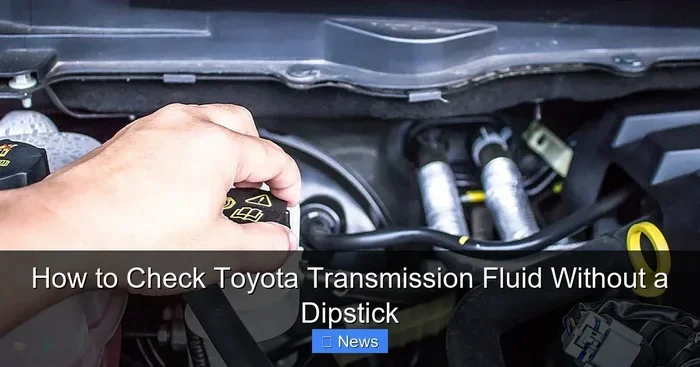
Do You Check Toyota Transmission Fluid With the Car Running
Do you check Toyota transmission fluid with the car running? The answer depends on your Toyota model and the type of transmission you have. Most modern Toyotas require the engine to be running and the fluid to be warm for an accurate reading. However, some older models and specific procedures call for a cold check. Knowing the right method protects your transmission and keeps your Toyota running smoothly for years.
This is a comprehensive guide about Do You Check Toyota Transmission Fluid With the Car Running?.
Key Takeaways
- Running vs. Off: Most Toyota models need the engine running and fluid warm for a proper transmission fluid check.
- Model Matters: Different Toyota models may have different requirements, so always consult your owner’s manual.
- Fluid Condition: The color and smell of your transmission fluid tell you a lot about your transmission health.
- Common Mistakes: Checking fluid when it’s too cold or overfilling are two of the most frequent errors.
- Regular Maintenance: Sticking to a regular transmission fluid change schedule prevents costly repairs.
- Dipstick Location: Not all Toyotas have a transmission dipstick, and some require a dealer visit for fluid checks.
- Safety First: Always park on a level surface and use caution when the engine is running.
[FEATURED_IMAGE_PLACEHOLDER]
If you own a Toyota, you already know how important it is to keep up with regular maintenance. One question that comes up often is whether you should check the transmission fluid with the car running. It seems like a simple thing, but getting it wrong can lead to inaccurate readings and potential transmission problems down the road.
The truth is, there is no one-size-fits-all answer. Some Toyota models need the engine running and the fluid warm. Others are best checked with the engine off. The method you use depends on your specific model, the type of transmission, and even the year it was made. In this guide, we will walk you through everything you need to know about checking Toyota transmission fluid the right way.
We will cover why this matters, the step-by-step process, common mistakes to avoid, and expert tips that will save you time and money. Whether you drive a Toyota Corolla, a Toyota Camry, or a bigger SUV, this article has you covered. Let us dive in and make sure you are checking your transmission fluid the correct way every single time.
Why Checking Transmission Fluid Matters
Your Toyota’s transmission is one of the most complex and expensive parts of the car. It handles the job of shifting gears smoothly, whether you drive a manual or an automatic. Without proper transmission fluid, the internal components grind, overheat, and eventually fail. That is a repair bill nobody wants to face.
Transmission fluid does several important jobs. It lubricates the moving parts inside the transmission. It keeps things cool by reducing friction. It also acts as a hydraulic fluid that helps the gears shift properly. Over time, this fluid breaks down, gets dirty, and loses its effectiveness. That is why regular transmission fluid check routines are so important.
When you ignore your transmission fluid, small problems turn into big ones. You might notice rough shifting, slipping gears, or strange noises. In worse cases, the transmission can fail completely. A simple fluid check takes just a few minutes and can catch problems early before they become expensive repairs.
How Often Should You Check It?
Most Toyota experts recommend checking your transmission fluid at least once a month. You should also check it before any long road trip. If you notice any warning signs like delayed shifting or a burning smell, check it right away. Staying on top of this simple task can add years to the life of your transmission.
Should You Check Toyota Transmission Fluid With the Engine Running?
This is the big question, and the answer is: it depends. The short version is that most modern Toyota vehicles need the engine running and the transmission fluid warmed up for an accurate reading. But let us break this down further so you understand why.
When the engine is off and the fluid is cold, the level on the dipstick will be lower than it actually is when the transmission is operating. The fluid expands as it heats up. If you check it cold, you might think you are low and add too much fluid. That can cause its own set of problems, including pressure leaks and foaming.
On the other hand, some older Toyota models and certain service procedures recommend checking the fluid with the engine off. The key is to follow the method that matches your specific vehicle. Your Toyota service manual is the best place to find the exact procedure for your model.
Hot Check vs. Cold Check
The hot check method involves running the engine, letting the transmission fluid warm up, and then checking the level. This is the most common method for Toyotas made in the last 15 to 20 years. The fluid needs to reach its normal operating temperature, which is usually around 158 to 176 degrees Fahrenheit.
The cold check method means checking the fluid with the engine off and the transmission cool. Some older Toyotas and certain service manuals still recommend this approach. If you are unsure which method to use, look for a transmission fluid temperature specification in your owner’s manual or ask a trusted mechanic.
| Check Type | Engine Status | Fluid Temperature | Best For |
|---|---|---|---|
| Hot Check | Running | Warm (operating temp) | Most modern Toyotas |
| Cold Check | Off | Cool (ambient temp) | Older models, specific procedures |
Step-by-Step Guide to Checking Toyota Transmission Fluid
Now that you know whether your Toyota needs a hot or cold check, let us walk through the process step by step. Following these steps will give you the most accurate transmission fluid level reading every time.
Step 1: Park on a Level Surface
This is the first and most important step. Park your Toyota on a flat, level surface. If the car is on a slope, the fluid will settle to one side and give you a false reading. Turn off the parking brake and make sure the car is stable before you get under it or open the hood.
Step 2: Warm Up the Transmission Fluid
For a hot check, start the engine and let it idle for a few minutes. Drive the car around the block or let it idle in park for about 10 to 15 minutes. The goal is to bring the transmission fluid up to its normal operating temperature. You can use an infrared thermometer if you want to be precise, but most people just drive a short distance and then park to check.
Step 3: Locate the Transmission Dipstick
Open the hood and look for the transmission dipstick. It is usually located near the back of the engine bay, and the handle is often colored red or yellow to distinguish it from the engine oil dipstick. In some newer Toyota models, the transmission is sealed and does not have a dipstick at all. If you cannot find one, check your owner’s manual.
Step 4: Pull the Dipstick and Wipe It
Pull the dipstick out completely. Use a clean rag or paper towel to wipe the fluid off the end. Reinsert the dipstick all the way back in, then pull it out again. This second reading gives you the most accurate measurement because the fluid coats the stick evenly.
Step 5: Read the Level and Condition
Look at the dipstick markings. There are usually two lines or holes: one for full and one for add. The fluid level should fall between these marks. If it is below the “add” line, you need to add more fluid. If it is above the “full” line, you have too much and need to drain some out.
While you are at it, look at the color of the fluid. Fresh Toyota transmission fluid is usually bright red or pink. If it looks dark brown or black, it is time for a change. If it smells burnt, that is a serious warning sign that the transmission may be overheating.
Step 6: Add Fluid If Needed
If the level is low, use a funnel to add the correct type of transmission fluid. Never guess on the fluid type. Using the wrong fluid can damage your transmission. Check your owner’s manual or the cap under the hood for the exact specification. Add fluid a little at a time and recheck the level after each addition.
Quick Tips for Accurate Readings
- Always check the fluid in the morning before you drive, if doing a hot check.
- Never check the fluid right after a long highway drive; let it cool for a few minutes.
- Keep a rag handy to wipe the dipstick clean each time.
- Repeat the check two or three times to confirm the reading.
- Make sure the gear selector is in Park for automatic transmissions.
What the Color and Smell of Transmission Fluid Tells You
The transmission fluid condition gives you a lot of information about the health of your transmission. You do not just need to check the level; you also need to pay attention to what the fluid looks like and smells like.
Healthy transmission fluid is clear and reddish in color. It should not have a strong smell, though it may have a slightly sweet or mechanical odor. If the fluid turns dark brown or black, it has been overheated or has accumulated too much debris. This means it is not lubricating properly and needs to be replaced.
A burning smell is a red flag. It usually means the fluid has broken down due to excessive heat. This can happen from towing heavy loads, driving in stop-and-go traffic, or simply neglecting regular fluid changes. If you notice a burning smell, get the fluid checked and changed as soon as possible.
Particles or grit in the fluid are another warning sign. Healthy fluid should feel smooth between your fingers. If you feel any grittiness or notice metal shavings, there may be internal damage to the transmission. In this case, a professional inspection is a smart move.
Toyota Transmission Fluid Change Intervals
Toyota does not always specify a strict mileage interval for transmission fluid changes in newer models. However, many mechanics recommend changing the fluid every 30,000 to 60,000 miles. For older Toyotas or vehicles used in severe conditions like towing or extreme heat, you may want to change it more frequently.
Regular transmission fluid change intervals help maintain smooth shifting and extend the life of your transmission. It is one of the cheapest forms of preventive maintenance you can do for your Toyota.
Common Mistakes When Checking Transmission Fluid
Even experienced car owners make mistakes when checking transmission fluid. Knowing what to avoid can save you from costly errors and keep your Toyota running at its best.
Checking the Fluid When It Is Too Cold
This is the number one mistake people make. Cold fluid has not reached its proper operating volume, so the dipstick reading will be inaccurate. Always follow the hot or cold check method that matches your specific Toyota model. Checking at the wrong temperature can lead to overfilling or underfilling.
Overfilling the Transmission
Too much transmission fluid is just as bad as too little. Overfilling causes the fluid to foam, which reduces its lubricating ability. It can also cause pressure buildup that leads to leaks. Always add fluid slowly and recheck the level after each small addition.
Using the Wrong Fluid Type
Not all transmission fluids are the same. Toyota uses specific formulations for different models and transmission types. Using the wrong fluid can cause slipping, rough shifting, and even permanent damage. Always double-check the fluid specification in your owner’s manual before adding any fluid.
Ignoring the Dipstick Tube
Sometimes the dipstick tube itself gets clogged or damaged. If you are getting inconsistent readings, the problem might not be the fluid level at all. Inspect the tube for debris or damage, and clean it out if needed.
Forgetting to Check for Leaks
While you are checking the fluid, take a moment to look underneath the car for any red or pink puddles. Transmission fluid leaks are common and can lead to low fluid levels if not addressed. Catching a leak early can prevent a major transmission repair.
When to Change Your Toyota Transmission Fluid
Knowing when to change the fluid is just as important as knowing how to check it. Even if the fluid level looks fine, the quality can deteriorate over time. Here are some signs that it is time for a transmission fluid change on your Toyota.
First, pay attention to the color. If the fluid is no longer bright red or pink and has turned a dark brown, it is time to flush it out. Second, notice any changes in how the transmission shifts. Rough shifts, slipping between gears, or a delay when engaging drive are all signs of degraded fluid. Third, consider your mileage and driving conditions. If you have driven over 60,000 miles or frequently tow heavy loads, a fluid change is a good idea even if the fluid looks okay.
Some Toyotas come with a sealed transmission that does not have a user-serviceable dipstick. For these models, you will need to visit a Toyota dealer or a qualified mechanic to check and change the fluid. Do not try to open a sealed transmission on your own, as this can void your warranty and cause damage.
Expert Tips for Toyota Transmission Maintenance
Here are some insider tips from experienced Toyota mechanics that will help you get the most out of your transmission.
- Keep a maintenance log. Write down every time you check or change your transmission fluid. This helps you spot trends and stay on schedule.
- Use genuine Toyota transmission fluid whenever possible. It is specifically formulated for Toyota transmissions and provides the best protection.
- Do not ignore the check engine light. If it comes on, have your Toyota diagnosed promptly. Some transmission issues trigger the light before you notice any driving problems.
- Warm up the car properly in cold weather before driving hard. Cold fluid is thicker and does not lubricate as well.
- Have a professional inspection done every 30,000 miles, even if you handle basic maintenance yourself.
Following these simple tips can make a huge difference in the longevity of your Toyota’s transmission. It is all about staying proactive and not waiting for problems to appear.
Frequently Asked Questions
Can I check my Toyota transmission fluid with the engine off?
It depends on your Toyota model and the type of transmission. Some older Toyotas and certain service procedures call for a cold check with the engine off. However, most modern Toyotas require the engine to be running and the fluid warmed up for an accurate reading. Always refer to your owner’s manual for the correct procedure.
What happens if I overfill my Toyota transmission fluid?
Overfilling causes the fluid to foam, which reduces its ability to lubricate and cool the transmission properly. It can also create excess pressure that leads to leaks. If you overfill, drain the excess fluid carefully and recheck the level to bring it back within the proper range.
How do I know if my Toyota has a sealed transmission?
If you cannot find a transmission dipstick under the hood, your Toyota likely has a sealed transmission. Newer Toyota models often use sealed units that do not have a user-accessible dipstick. In this case, you will need a professional mechanic or a Toyota dealer to check the fluid level and condition.
What color should Toyota transmission fluid be?
Fresh Toyota transmission fluid should be bright red or pink. If the fluid turns dark brown or black, it has degraded and needs to be changed. A burning smell or the presence of particles in the fluid are also signs that the fluid is no longer in good condition.
How often should I change my Toyota transmission fluid?
Most Toyota experts recommend changing the transmission fluid every 30,000 to 60,000 miles. However, if you drive in severe conditions such as heavy traffic, extreme heat, or towing, you may need to change it more frequently. Check your Toyota service manual for the manufacturer’s specific recommendation.
Can I use any brand of transmission fluid for my Toyota?
It is best to use the transmission fluid type specified in your Toyota owner’s manual. While aftermarket fluids may work, using genuine Toyota fluid ensures the best compatibility and protection for your specific transmission. Always verify the fluid specification before adding or changing your transmission fluid.
Conclusion
So, do you check Toyota transmission fluid with the car running? The answer is most likely yes, but it depends on your specific model and the method recommended in your owner’s manual. The key takeaway is that accuracy matters. Whether you do a hot check or a cold check, following the correct procedure ensures you get a reliable reading and keep your transmission in great shape.
Taking a few minutes to check your Toyota transmission fluid regularly can save you from expensive repairs and keep your car shifting smoothly for years to come. Remember to pay attention to the fluid color, smell, and level. Avoid common mistakes like checking at the wrong temperature or using the wrong fluid type. And when in doubt, consult your Toyota service manual or a trusted mechanic.
Your Toyota is a significant investment, and the transmission is one of its most vital components. Treat it with care, stay on top of maintenance, and it will reward you with reliable performance mile after mile. Start today, and make the transmission fluid check a regular part of your car care routine. Your future self will thank you when your Toyota keeps running strong well into the high mileage years.
Frequently Asked Questions
What is Do You Check Toyota Transmission Fluid With the Car Running??
Do You Check Toyota Transmission Fluid With the Car Running? is an important topic with many practical applications.