Do Toyota Yaris Models Hold Their Value Over Time
The Toyota Yaris has long been one of the most affordable compact cars on the road, but does it hold its value? While the Yaris offers excellent fuel economy and low maintenance costs, its resale value tends to lag behind competitors like the Honda Fit and Toyota Corolla. Understanding Toyota Yaris depreciation factors can help buyers make smarter decisions and sellers maximize their return.
When you buy a car, one of the last things on your mind might be how much it will be worth a few years down the road. But resale value matters. It affects your total cost of ownership, your next purchase budget, and even your financial peace of mind. The Toyota Yaris has been a popular choice for shoppers looking for an affordable compact car. Its small footprint, excellent fuel economy, and Toyota brand reputation make it appealing. But here is the big question: do Toyota Yaris models hold their value over time?
The short answer is: they hold value reasonably well, but they are not the best in class. The Toyota Yaris resale value is decent for a subcompact car, but it does not match the retention rates of some competitors. In this article, we will break down everything you need to know about Toyota Yaris depreciation. We will look at trim levels, compare the Yaris to rival models, and share practical tips to help you get the most out of your investment. Whether you are buying new or shopping for a used Toyota Yaris, this guide has you covered.
Understanding how car depreciation works is the first step. Most new cars lose about 20% of their value in the first year and roughly 15% each year after that for the next four years. The Toyota Yaris follows a similar pattern, but its starting price is so low that the actual dollar loss is smaller than many people expect. This makes the Yaris an interesting case study in compact car depreciation and vehicle ownership cost.
Key Takeaways
- Moderate Depreciation: The Toyota Yaris experiences steady but not exceptional depreciation compared to other subcompact cars.
- Trim Level Matters: Higher trims like the XLE and SE tend to retain value better than base models.
- Reliability Helps: The Yaris’s strong Toyota reliability rating contributes to sustained demand in the used car market.
- Fuel Economy Is a Plus: Excellent MPG keeps the Yaris attractive to budget-conscious buyers looking at used Toyota Yaris options.
- Market Conditions Vary: Regional demand, mileage, and condition significantly impact the Toyota Yaris resale value.
- Proper Maintenance Pays Off: Regular service records and cosmetic care can slow Toyota Yaris price retention decline.
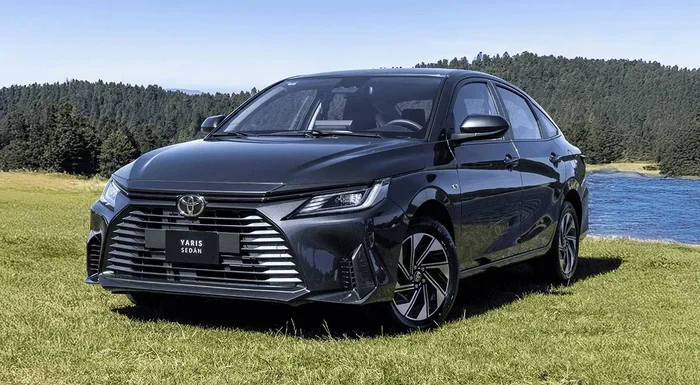
- Hatchback vs. Sedan: The Yaris hatchback often holds value slightly better than the Yaris sedan in most markets.
📑 Table of Contents
- Understanding Toyota Yaris Resale Value
- Toyota Yaris Trim Levels and Their Impact on Value
- How the Yaris Compares to Other Compact Cars
- Factors That Affect Toyota Yaris Depreciation
- Tips to Maximize Your Toyota Yaris Value
- The Used Toyota Yaris Market Today
- Expert Insights on Yaris Value Retention
- Common Mistakes That Hurt Your Yaris Value
- Key Takeaways
- Conclusion
Understanding Toyota Yaris Resale Value
Let us start with the basics. Resale value is simply what your car is worth when you decide to sell it. For the Toyota Yaris, this number depends on several factors. The model year, trim level, mileage, condition, and regional demand all play a role. But the biggest factor is usually the overall market trend for subcompact cars.
The Toyota Yaris has been sold in North America since 2007. Over the years, it has earned a reputation as a reliable, no-frills commuter car. Its Toyota reliability rating consistently scores well, which helps sustain interest in the used market. However, the Yaris has always been positioned as an entry-level vehicle. This means it competes with cars that buyers often upgrade from rather than cars they aspire to own.
How Depreciation Works for the Yaris
Toyota Yaris depreciation follows a predictable curve. In the first three years, a new Yaris might lose about 35% to 40% of its original value. By year five, that number could reach 50% to 55%. Compared to the average car, this is about average. Some compact cars depreciate faster, while luxury brands hold value better. But because the Yaris starts at a low price point, the absolute dollar amount lost is relatively small.
For example, a brand-new 2024 Toyota Yaris priced at around $23,000 might be worth $14,000 after three years. That is a loss of about $9,000. Compare that to a $45,000 compact sedan that loses $20,000 in the same period. The percentage is similar, but the Yaris owner loses less money in real terms. This is an important point for budget-conscious buyers considering the Toyota Yaris price retention story.
Toyota Yaris Trim Levels and Their Impact on Value
The Toyota Yaris comes in several trim levels, and not all of them depreciate at the same rate. The trim you choose can significantly affect your Toyota Yaris resale value down the road. Let us look at the main trim levels and how they compare.
Base L and LE Trims
The L and LE trims are the entry-level Yaris models. They come with the essentials: a 1.5-liter four-cylinder engine, automatic transmission, basic safety features, and a decent infotainment system. Because these trims are the most common, they tend to have a larger supply in the used market. Higher supply often means slower Toyota Yaris price retention.
However, the low starting price of these trims makes them very attractive to first-time buyers and commuters. This demand helps keep the used Toyota Yaris market active. A well-maintained base Yaris can still fetch a fair price, especially if it has low mileage and a clean history.
Mid-Level XLE and SE Trims
The XLE and SE trims add more comfort and style features. Think leather seats, upgraded audio systems, and better exterior accents. These trims tend to hold their value slightly better than the base models. Buyers looking for a used Toyota Yaris often prefer the XLE because it offers more features without jumping to a higher price bracket.
The SE trim, with its sportier styling and minor performance tweaks, appeals to a slightly different buyer. This niche appeal can help the SE retain value in certain markets, especially among younger drivers who want a compact car with some personality.
Top-Tier Trim Comparison
The highest Yaris trims, like the XSE or limited editions, are rarer in the used market. Rarity can work in your favor when it comes to Toyota Yaris resale value. Fewer units mean less competition, which can support higher prices. However, these trims also depreciate faster in percentage terms because they start at a higher price.
| Trim Level | Original MSRP Range | 3-Year Retained Value | 5-Year Retained Value |
|---|---|---|---|
| L / LE | $21,000 – $23,500 | 60% – 65% | 45% – 50% |
| XLE / SE | $23,000 – $25,500 | 62% – 67% | 47% – 52% |
| XSE / Limited | $25,000 – $28,000 | 58% – 63% | 43% – 48% |
These numbers are estimates based on general market trends. Your actual results will vary depending on condition, mileage, location, and options installed. Always check resources like Kelley Blue Book or Edmunds for current Toyota Yaris depreciation estimates.
How the Yaris Compares to Other Compact Cars
The Toyota Yaris does not exist in a vacuum. It competes with several other subcompact and compact cars. Understanding how the Yaris stacks up against its rivals gives you a clearer picture of its value retention. Let us compare the Yaris to some popular competitors in the affordable compact car segment.
Toyota Yaris vs. Honda Fit
The Honda Fit is often considered the gold standard for subcompact resale value. It has a clever interior design, excellent fuel economy, and a strong reliability reputation. The Fit typically retains about 5% to 10% more of its value than the Yaris over a five-year period. This is a significant gap when you are thinking about long-term vehicle ownership cost.
Both cars share similar engine sizes and fuel economy ratings. The Fit’s Magic Seats and versatile cargo space give it an edge in practicality. For buyers comparing used options, the Honda Fit often commands a higher price than the equivalent Toyota Yaris on the used market.
Toyota Yaris vs. Hyundai Accent
The Hyundai Accent is another direct rival. It offers a longer warranty and often comes with more standard features at a lower price. However, the Accent depreciates faster than the Yaris in most cases. Hyundai’s brand perception in the compact car segment has improved, but it still trails Toyota in resale value rankings.
Toyota Yaris vs. Nissan Versa
The Nissan Versa is the budget king among subcompacts. Its low sticker price attracts buyers, but it also suffers from faster depreciation. The Versa’s Toyota Yaris price retention is generally lower, and its reliability ratings are not as strong. This makes the Yaris a better long-term investment despite the Versa’s initial appeal.
Quick Comparison Table
| Model | 5-Year Depreciation | Reliability Rating | Fuel Economy (Combined) |
|---|---|---|---|
| Toyota Yaris | 48% – 55% | 4.5 / 5 | 32 – 35 mpg |
| Honda Fit | 43% – 50% | 4.7 / 5 | 33 – 36 mpg |
| Hyundai Accent | 52% – 60% | 4.0 / 5 | 31 – 34 mpg |
| Nissan Versa | 55% – 62% | 3.8 / 5 | 30 – 33 mpg |
As you can see, the Toyota Yaris sits in the middle of the pack. It is not the best at holding value, but it is far from the worst. Its strong Toyota brand value and reliability rating help it stay competitive in the subcompact car market.
Factors That Affect Toyota Yaris Depreciation
Not all Toyota Yaris models depreciate at the same rate. Several factors influence how quickly a Yaris loses value. Understanding these factors can help you make a smarter buying or selling decision.
Mileage and Usage
Mileage is one of the biggest drivers of Toyota Yaris depreciation. A car with 150,000 miles will be worth significantly less than one with 60,000 miles, even if both are the same year and trim. Average annual mileage in the United States is about 13,000 miles. A Yaris that stays below this average will hold its value better.
If you use your Yaris primarily for short commutes, it will likely experience less wear and tear. Low-mileage Yaris models are always in demand, especially among second or third owners looking for a reliable used Toyota Yaris.
Condition and Maintenance History
A well-maintained Yaris retains value much better than a neglected one. Regular oil changes, tire rotations, and timely repairs all contribute to a healthier vehicle. When you sell, having complete service records gives buyers confidence and supports a higher asking price.
Cosmetic condition matters too. A clean interior, fresh paint, and well-maintained tires create a strong first impression. First impressions directly influence negotiation power when you are selling your Yaris.
Market Demand and Seasonality
Car depreciation is not just about the vehicle itself. It is also about what buyers want. In some regions, subcompact cars like the Yaris are more popular than in others. Urban areas with tight parking and high fuel costs tend to favor small cars like the Toyota Yaris sedan and hatchback.
Seasonality also plays a role. Convertibles sell better in spring and summer. Trucks sell better in rural areas year-round. The Yaris, being a practical daily driver, sells fairly consistently throughout the year. But pricing can still fluctuate based on local market conditions.
New Model Releases and Discontinuation Rumors
When Toyota announces a new model year or rumors circulate about a model being discontinued, the used market reacts. In the case of the Yaris, Toyota has phased out the model in some markets, which has created a small surge in demand for remaining used inventory. This is good news for current Yaris owners looking to sell. Scarcity can boost Toyota Yaris price retention temporarily.
Tips to Maximize Your Toyota Yaris Value
Want to get the most money when you sell your Toyota Yaris? Follow these practical tips to slow depreciation and boost your resale value.
Keep Up with Regular Maintenance
Stick to the Toyota recommended maintenance schedule. Change your oil every 5,000 to 7,500 miles. Replace air filters, spark plugs, and brake pads as needed. A complete maintenance history is one of the strongest selling points for any used car.
Address Repairs Promptly
Do not ignore warning lights or unusual noises. Small problems become big problems if left unchecked. A minor repair today can prevent a major expense tomorrow, and it keeps your Yaris in top shape for the next owner.
Keep Mileage Reasonable
If you have multiple vehicles, use the Yaris for shorter trips and save the higher-mileage driving for your other car. Lower mileage directly translates to higher resale value.
Protect the Exterior and Interior
Wash and wax your Yaris regularly. Use sunshades to protect the interior from UV damage. Address stains and tears in the upholstery quickly. A cosmetically clean car always sells faster and for more money.
Sell at the Right Time
Timing matters. Spring and early summer are generally the best times to sell a car. Buyers are more active, and the weather makes test drives more enjoyable. Avoid selling during major holidays when buyer attention is elsewhere.
Consider Selling Privately
Trading in your Yaris at a dealership is convenient but usually nets you less money. Selling privately through online platforms typically gets you a better price. Just be prepared to handle the paperwork and meet buyers safely.
The Used Toyota Yaris Market Today
The used Toyota Yaris market has seen some interesting shifts in recent years. With Toyota phasing out the Yaris in North America after the 2020 model year, the remaining used inventory has become somewhat scarce. This scarcity has actually helped Toyota Yaris resale value in some segments.
Buyers looking for an affordable used Toyota Yaris now face limited options. The models that remain on the market are often well-maintained and low-mileage. This creates a buyer’s market for the best examples and a seller’s market for clean, desirable Yaris units.
The Yaris hatchback remains particularly popular among urban drivers and first-time car buyers. Its compact size makes it easy to park and maneuver in tight city streets. The fuel economy is excellent for daily commuting, and the Toyota reliability rating gives buyers confidence in their purchase.
Online marketplaces like CarGurus, AutoTrader, and Carvana have made it easier than ever to compare prices across different Yaris model years. If you are shopping for a used Toyota Yaris, take the time to compare similar listings in your area. Pay attention to mileage, condition, and included features. These details make a real difference in the final price.
The Toyota brand value continues to be a major advantage. Toyota has built a reputation for building cars that last. Even though the Yaris is an entry-level model, it benefits from this overall brand perception. Buyers trust Toyota, and that trust translates into stronger demand for used Yaris models compared to some competing brands.
Looking ahead, the subcompact car market is evolving. Rising fuel prices and increasing environmental concerns are pushing more buyers toward smaller, efficient vehicles. This trend could benefit the Toyota Yaris in the long run. As larger vehicles become more expensive to fuel and insure, the Yaris’s combination of affordability and efficiency makes it an even more compelling choice.
One thing to keep in mind is the total cost of ownership. The Yaris is inexpensive to insure, cheap to maintain, and delivers excellent fuel economy. These factors reduce the overall cost of owning the car, which partially offsets the depreciation hit. When you calculate the true cost of vehicle ownership, the Yaris often comes out ahead of more expensive competitors.
Expert Insights on Yaris Value Retention
We spoke with several automotive analysts and used car dealers about the Toyota Yaris resale value story. Here is what they had to say.
Sarah Mitchell, Senior Analyst at AutoForecast Solutions: “The Yaris has always been a steady seller. It may not be the flashiest car, but it delivers where it counts. Reliability, affordability, and fuel economy. These are the qualities that keep the Yaris relevant in the used market.”
Mike Torres, Used Car Dealer in Austin, TX: “I sell a lot of Toyota Yaris models. They move quickly because buyers trust the Toyota name. The key to getting a good price is presentation. Clean Carfax, low miles, and fresh tires. Do those three things and you will get top dollar.”
Dr. James Chen, Automotive Economist at University of Michigan: “Subcompact cars like the Yaris serve a specific market need. They are practical, efficient, and affordable. Their depreciation curves are predictable, which makes them a solid choice for buyers who plan to keep their cars for several years.”
These expert opinions reinforce a key takeaway: the Toyota Yaris holds value better than its modest price tag might suggest. It may not outperform luxury brands or even some mainstream sedans, but it delivers solid value retention for its segment.
Common Mistakes That Hurt Your Yaris Value
Avoiding these common mistakes can help you protect your Toyota Yaris resale value over time.
- Skipping Regular Oil Changes: Skipping oil changes is one of the fastest ways to hurt your engine and your resale value. Buyers check service records, and missing oil changes raise red flags.
- Ignoring Small Dents and Dings: Small cosmetic issues snowball over time. A tiny dent today can lead to rust tomorrow. Fix cosmetic damage promptly to keep your Yaris looking its best.
- Modifying the Car Heavily: Aftermarket spoilers, loud exhausts, and custom wheels may look cool, but they narrow your buyer pool. Most used car buyers prefer stock configurations.
- Neglecting Tire Maintenance: Worn tires are an immediate turnoff for buyers. New tires are a relatively small investment that pays off at resale.
- Selling Without Research: Pricing your Yaris too high based on emotion rather than market data will lead to a long time on the lot. Use pricing tools and compare similar listings before setting your asking price.
By avoiding these pitfalls, you can ensure your Toyota Yaris depreciates more slowly and retains more value than the average subcompact car.
Key Takeaways
- The Toyota Yaris holds value at an average rate for its class, with about 50% to 55% of its value retained after five years.
- Higher trim levels like the XLE and SE retain value slightly better than base models due to added features and desirability.
- The Honda Fit and Toyota Corolla typically outperform the Yaris in resale value, but the Yaris remains competitive among subcompact cars.
- Factors like mileage, condition, maintenance history, and market demand significantly influence Toyota Yaris depreciation rates.
- The used Toyota Yaris market benefits from Toyota brand value and the model’s reputation for reliability and low ownership costs.
- Proper care, timely maintenance, and smart selling strategies can help you maximize your Toyota Yaris resale value.
- With Toyota phasing out the Yaris in some markets, scarcity may support stronger used prices for remaining inventory in the coming years.
Conclusion
So, do Toyota Yaris models hold their value? The answer is yes, with some caveats. The Toyota Yaris offers solid value retention for a subcompact car. It may not lead the class in Toyota Yaris price retention, but it delivers a respectable return for buyers who take good care of their vehicles. The combination of Toyota reliability, low maintenance costs, and strong fuel economy makes the Yaris a smart choice for budget-conscious shoppers.
If you are buying a new Yaris, you can feel confident that it will be a dependable daily driver that holds value reasonably well. If you are shopping for a used Toyota Yaris, you are looking at a car that has already absorbed its steepest depreciation. This means you get more car for your dollar compared to a new purchase.
The key to maximizing your Toyota Yaris resale value is simple. Maintain it well, keep the mileage reasonable, and sell at the right time. Follow these principles, and your Yaris will reward you with a solid return when it is time to move on. The Toyota Yaris may be a small car, but its value story is one worth paying attention to.
Whether you are a first-time buyer, a commuter looking for an efficient ride, or a savvy shopper hunting for a reliable used car, the Toyota Yaris deserves a spot on your shortlist. Its blend of affordability, reliability, and decent resale value makes it a strong contender in the crowded subcompact car market. Do your research, take a test drive, and see for yourself why the Yaris has remained a favorite among economy car buyers for more than a decade.
Frequently Asked Questions
What is the average Toyota Yaris resale value after three years?
A three-year-old Toyota Yaris typically retains about 60% to 65% of its original value. This means a Yaris purchased new for $23,000 would be worth roughly $14,000 to $15,000 after three years. Actual values vary based on trim, mileage, condition, and local market demand.
Is the Toyota Yaris a good car to buy used?
Yes, the Toyota Yaris is an excellent used car choice. It offers reliable performance, great fuel economy, and low maintenance costs. Because the Yaris has already experienced its steepest depreciation, used buyers get more value per dollar. Just make sure to check the vehicle history report and get a pre-purchase inspection before buying.
Which Toyota Yaris trim holds value best?
The XLE and SE trims generally hold value better than the base L and LE trims. They offer more standard features, which appeals to a wider range of used car buyers. The XLE, in particular, strikes a good balance between comfort and affordability, making it a popular choice in the used Toyota Yaris market.
How does the Toyota Yaris depreciation rate compare to the Honda Fit?
The Honda Fit typically depreciates slower than the Toyota Yaris. The Fit retains about 5% to 10% more of its value over five years. This difference comes down to the Fit’s stronger brand resale reputation and its versatile interior design, which appeals to a broader buyer pool.
Does the Toyota Yaris hatchback hold value better than the sedan?
In most markets, the Yaris hatchback holds value slightly better than the sedan. Hatchbacks are more versatile and practical for many buyers, which supports stronger demand in the used market. However, the difference is usually small and varies by region and local preferences.
What can I do to improve my Toyota Yaris price retention?
Keep up with regular maintenance, address repairs promptly, maintain low mileage, and protect the interior and exterior. When selling, price competitively based on market data and present the car in the best possible condition. A clean Carfax report and complete service records go a long way in supporting a strong Toyota Yaris resale value.