Can You Program a Keyless Key Fob Yourself at Home
Yes, you can program a keyless key fob yourself at home for many vehicles. This guide walks you through the steps, tools, and precautions needed to program a keyless key fob yourself. We’ll cover DIY methods, common mistakes, and when to call a professional.
You’ve just lost your remote key fob or bought a spare, and now you’re staring at a blank plastic remote. The question hits you: can you program a keyless key fob yourself? The short answer is yes, in many cases you can. But the full answer depends on your vehicle, the type of key fob programming system it uses, and a little bit of patience.
This guide is for anyone who wants to try DIY key fob programming at home. I’ll walk you through the entire process, from understanding how keyless entry works to the exact steps you’ll take. You’ll learn what tools you need, where things can go wrong, and how to decide if a do-it-yourself approach makes sense for your car. Let’s get into it.
Key Takeaways
- DIY programming is possible for many makes and models with basic tools and patience.
- You’ll need a working key fob and access to your vehicle’s OBD-II port or interior controls.
- Common mistakes like dead batteries or skipped steps can cause key fob not working issues.
- Aftermarket key fobs often require extra steps compared to original equipment manufacturer remotes.
- Professional programming is the safest choice for luxury or newer vehicles with advanced smart key systems.
- Key fob programming can save you $50–$200 compared to dealership or locksmith fees.
📑 Table of Contents
- What Is a Keyless Key Fob and Why Would You Program It Yourself?
- Can You Really Program a Keyless Key Fob Yourself at Home?
- Step-by-Step Guide to Programming Your Keyless Key Fob
- When DIY Programming Fails: Common Mistakes and Expert Insights
- DIY vs. Professional Key Fob Programming: A Comparison
- Final Verdict: Should You Try It Yourself?
What Is a Keyless Key Fob and Why Would You Program It Yourself?
A keyless key fob is a small handheld device that lets you lock, unlock, and sometimes start your car without using a physical key. Modern smart key systems use a rolling code that changes every time you press a button. This makes your vehicle more secure than older transponder keys that just have a fixed chip.
So why would you want to program a keyless key fob yourself? The biggest reason is cost. Dealerships and locksmiths often charge between $50 and $200 just to program a new remote. If you already have a blank aftermarket key fob, you can save that money by doing it at home. Another reason is convenience. You don’t need to wait for an appointment or drive across town.
How Keyless Entry Works
Your car’s key fob sends a radio signal at a specific frequency. The vehicle’s computer receives that signal and, if it matches the stored code, unlocks the doors or allows the engine to start. Key fob programming is the process of teaching the car’s computer to recognize a new remote. This can happen through a series of button presses on the door lock panel, through an OBD-II port under the dashboard, or both.
Quick Tips: Understanding Your Fob
- Check if your remote key fob uses a battery that you can replace yourself.
- Know whether your vehicle has a push-button start system, as this changes the programming method.
- Keep your original working key fob nearby during the process.
- Always refer to your owner’s manual for model-specific programming steps.
Key Takeaways
Keyless key fobs use rolling codes for security. Programming them yourself can save money and time. Understanding the basic key fob frequency and vehicle security system helps you succeed.
Can You Really Program a Keyless Key Fob Yourself at Home?
The answer is a qualified yes. For most Toyota, Honda, Ford, and Chevrolet models from the last 15 years, you can program a keyless key fob yourself with simple steps. However, luxury brands like BMW, Mercedes-Benz, and Audi often require special key fob programming tools or dealer-level software. Newer vehicles with advanced smart key systems may also have tighter restrictions.
Before you start, you need a working key fob for the same vehicle. You cannot program a completely new remote from scratch if you have no working fob. You also need a fresh key fob battery in the new remote, and you must follow the exact sequence of actions. One missed step can reset the entire process.
The Truth About DIY Key Fob Programming
Self-programming is very real and widely documented for many popular models. You’ll find programming steps in owner’s manuals, on manufacturer websites, and in countless video tutorials. The process usually involves cycling the ignition, pressing lock and unlock buttons, and waiting for a beep or flashing lights. It’s not magic—it’s just a specific sequence the car’s computer accepts.
Common Mistakes to Avoid
- Starting with a dead key fob battery in the new remote.
- Not having the original working remote key fob ready.
- Rushing through the steps and missing a timing window.
- Trying to program an aftermarket key fob that isn’t compatible with your vehicle’s key fob frequency.
- Ignoring the need to reset or re-enter programming mode if the first attempt fails.
Key Takeaways
You can program a keyless key fob yourself for many common vehicles at home. You need a working fob, a fresh battery, and careful attention to the steps. Luxury or very new models may still need a professional.
Step-by-Step Guide to Programming Your Keyless Key Fob
Now let’s look at the actual process. While every car is different, the general flow is similar. I’ll break it down into clear stages so you can follow along.
What You’ll Need
- A blank aftermarket key fob or replacement remote that matches your vehicle.
- A working remote key fob for the same car.
- A new CR2032 or CR2025 battery (check your fob’s requirements).
- Access to the driver’s seat and the OBD-II port if your model uses it.
- Your vehicle’s owner manual or a reliable online source for the exact programming steps.
Programming Steps for Popular Vehicles
For many Ford models: Sit in the driver’s seat. Turn the ignition from OFF to RUN 8 times within 10 seconds, ending on RUN. The doors will lock and unlock to confirm you’re in programming mode. Press any button on the new key fob within 20 seconds. The doors will lock again to confirm success. Repeat for additional remotes.
For many Toyota and Lexus models: Close all doors. Insert the key into the ignition and cycle it from OFF to ON 3–5 times, ending on ON. The power door locks will cycle. Press the lock and unlock buttons on the new fob simultaneously for 1–2 seconds. The doors will lock and unlock once more. Remove the key and test the remote.
For many Honda models: Turn the ignition to ON (do not start the engine). Press and release the red button on the driver’s door lock panel 3 times quickly. The doors will lock. Now press and hold the lock button on the new key fob for 2 seconds. The doors will unlock to confirm programming.
Expert Insights: The OBD-II Method
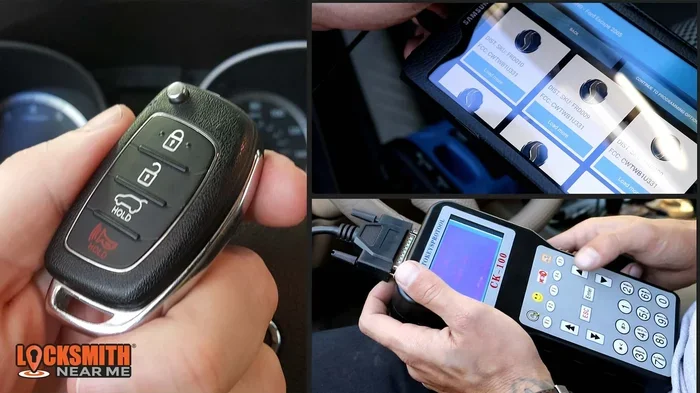
Some vehicles require you to connect a key fob programming tool to the OBD-II port under the dashboard. This method is more reliable for smart key systems. You can buy an affordable OBD-II key programmer online for under $30. It talks directly to the car’s immobilizer system and writes the new key fob data. This is the same method professionals use, but you do it yourself.
Quick Tips: Smooth Programming
- Always work with the vehicle’s engine off but the ignition in the RUN or ACC position as required.
- Keep the new key fob within 10 inches of the key fob receiver on the dashboard.
- If the doors don’t cycle to confirm programming mode, repeat the ignition cycle from the start.
- Test the new remote immediately after programming by locking and unlocking the doors from outside.
Key Takeaways
The exact programming steps vary by make and model, but the general pattern is ignition cycling, door lock panel interaction, and fob button presses. Using an OBD-II programmer can simplify the process for smart key systems.
When DIY Programming Fails: Common Mistakes and Expert Insights
Even with perfect instructions, things can go wrong. Understanding the common pitfalls helps you troubleshoot quickly and avoid frustration.
Why Your Key Fob Might Not Work
- Dead battery in the new fob: This is the number one cause of failure. Always install a fresh key fob battery before you start.
- Wrong frequency or protocol: An aftermarket key fob must match your vehicle’s key fob frequency and rolling code system. Check compatibility before purchasing.
- Timing errors: Many programming steps have strict time windows. If you wait too long between steps, the car exits programming mode and you must start over.
- No working original fob: If you have no working remote key fob, most vehicles will not allow you to program a new one yourself. You’ll need a locksmith or dealer with a key fob programming tool.
- Interference: Other key fobs or electronic devices near the car can confuse the receiver. Remove all other remotes from the vehicle before starting.
Quick Tips: Resetting the Fob
- If the process fails, turn the ignition off and wait 30 seconds before trying again.
- Some vehicles require you to lock the doors manually with the physical key to reset the key fob programming sequence.
- For push-button start models, ensure the brake pedal is pressed during the ignition cycle as specified.
Expert Insights
Experienced locksmiths often say that the most common issue is not the key fob itself but the user not entering programming mode correctly. The car’s computer is waiting for a very specific trigger. If you’re off by one ignition cycle or one button press, it won’t accept the new remote. Patience and precision are your best tools. Also, always test the new fob at a distance of 10–15 feet from the car to confirm the key fob range is correct.
Key Takeaways
Most DIY key fob programming failures come from dead batteries, wrong timing, or incompatible fobs. Resetting the system and double-checking compatibility solves most issues.
DIY vs. Professional Key Fob Programming: A Comparison
Deciding whether to try DIY key fob programming or pay a professional depends on your vehicle, your comfort level, and the tools you have. Here’s a direct comparison to help you choose.
| Factor | DIY Programming | Professional Programming |
|---|---|---|
| Cost | Only the price of the new key fob ($15–$50) | $50–$200 for the fob plus programming labor |
| Time | 10–30 minutes if you follow the steps | 30–60 minutes including wait time |
| Tools Needed | New key fob battery and possibly an OBD-II programmer | Specialized key fob programming tool and software |
| Vehicle Compatibility | Works for most common models from the last 15 years | Works for all vehicles, including luxury and exotic models |
| Risk of Error | Higher if you’re not familiar with the process | Very low; professionals handle it daily |
| Warranty | None for self-programmed fobs | Often includes a warranty from the locksmith or dealer |
| Best For | Budget-conscious owners with common vehicles | Owners of luxury cars, newer models, or those with no working original fob |
Key Takeaways
DIY programming saves money and works for most standard vehicles. Professional programming is the safer choice for complex or luxury smart key systems, or when you have no working original remote.
Final Verdict: Should You Try It Yourself?
If you have a common vehicle and a working original key fob, then yes, you should absolutely try to program a keyless key fob yourself. The process is straightforward, well-documented, and can save you real money. Just follow the steps carefully, use a fresh battery, and don’t rush the timing.
If your car is a luxury model, a very recent purchase, or you don’t have a working original remote, I recommend calling a professional. The risk of locking yourself out or bricking the key fob programming process is higher, and a locksmith can usually handle it in one visit. Either way, understanding how keyless entry and key fob programming work puts you in a much better position.
Start with a simple YouTube search for your exact make, model, and year. Watch the programming steps a couple of times before you begin. Gather your tools, install the battery, and give it a try. You might be surprised how easy it is to program a keyless key fob yourself at home. Even if you don’t succeed, you’ll have a much clearer picture of what the professional is doing and why it costs what it does.
Frequently Asked Questions
Can you program a keyless key fob yourself without the original?
In most cases, you need at least one working original remote key fob to program a new one yourself. Without it, the vehicle’s immobilizer system won’t allow new remotes to be added through standard DIY methods. A locksmith or dealer with a key fob programming tool can bypass this.
How long does it take to program a keyless key fob yourself?
The actual programming steps usually take 10 to 30 minutes. The hardest part is finding the exact sequence for your vehicle. Once you know the steps and have the right tools, it’s a quick process.
What battery do I need for a keyless key fob?
Most remote key fobs use a CR2032 or CR2025 coin cell battery. Check your owner’s manual or the old battery to confirm. Always use a fresh battery before starting key fob programming.
Is aftermarket key fob programming the same as OEM programming?
The programming steps are usually the same, but aftermarket key fobs must match your vehicle’s key fob frequency and rolling code system. Some aftermarket remotes come pre-programmed or with a learning mode that makes the process easier.
Can I program a smart key fob myself?
For many vehicles with push-button start and smart key systems, you can use an OBD-II key programmer to self-program. Without that tool, the process is more complex and may require a professional.
What should I do if my key fob stops working after programming?
First, check the key fob battery. If it’s fresh, try resetting the key fob programming sequence from the beginning. Ensure you’re within the key fob range of the receiver. If the problem persists, consult your vehicle’s manual or a locksmith.