Can I Use Leather Wipes on Faux Leather Without Damage
Using leather wipes on faux leather can be risky because many wipes contain oils and solvents meant for real leather. Synthetic leather like PU leather and vinyl upholstery needs a different cleaning approach. Always check the ingredients and test on a small hidden area first to avoid surface damage or color fading.
You just spilled your morning coffee on your car seat. It is faux leather. You grab a pack of leather wipes from your glovebox and start wiping. But then a thought hits you, can I use leather wipes on faux leather without causing harm? This is a question that comes up more often than you might think. People love the convenience of leather wipes. They are quick, easy, and they promise to clean and condition in one step. But convenience does not always mean compatibility.
Faux leather has become incredibly popular. It shows up in car interiors, sofas, jackets, and bags. It costs less than genuine leather and is easier to maintain in some ways. But it also has unique vulnerabilities. The surface is not the same as real leather. It is a synthetic material, often made from polyurethane or polyvinyl chloride. These materials react differently to cleaning products. Using a product designed for genuine leather care on synthetic leather can lead to problems you did not expect.
In this article, we will explore everything you need to know about using leather wipes on faux leather. We will look at what faux leather is, how leather wipes work, the risks involved, and the best alternatives. By the end, you will feel confident about how to clean and care for your faux leather items the right way. Let us dive in.
Key Takeaways
- Not all leather wipes are safe for faux leather: Many contain ingredients that can dry out or damage synthetic materials like PU leather and vinyl.
- Always check the ingredient list: Look for pH-balanced, non-abrasive formulas that are free from heavy oils and petroleum-based solvents.
- Test on a small hidden area first: This simple step can save you from permanent color fading or surface damage on your faux leather seats or furniture.
- Use dedicated faux leather cleaners when possible: Products specifically formulated for synthetic leather deliver better results and protect the material long-term.
- Microfiber cloths are your best friend: Pair any cleaner with a soft microfiber cloth to avoid scratches and ensure even cleaning.
- Conditioning matters after cleaning: Faux leather can lose its protective coating over time, so reapplying a suitable conditioner helps maintain flexibility and appearance.
- Act quickly on stains: The faster you treat spills and stains on faux leather, the easier they are to remove without harsh chemicals.
📑 Table of Contents
- What Is Faux Leather and Why Does It Matter?
- What Are Leather Wipes Made Of?
- Can You Use Leather Wipes on Faux Leather Safely?
- Best Practices for Cleaning Faux Leather
- Common Mistakes People Make When Cleaning Faux Leather
- Expert Insights on Faux Leather Care
- Comparison: Leather Wipes vs. Faux Leather Cleaners
- Conclusion
What Is Faux Leather and Why Does It Matter?
Before we answer whether leather wipes are safe, we need to understand what faux leather actually is. Faux leather is a broad term that covers several types of synthetic leather materials. Each type has its own characteristics and care requirements.
Types of Faux Leather You Will Encounter
Not all faux leather is the same. Here are the most common types you will find in cars, furniture, and clothing:
- PUR (Polyurethane) Leather: This is the most common type of vegan leather today. It feels soft and flexible. It has a more natural look and breathe better than PVC options. Many modern car interiors use PU leather.
- PVC (Polyvinyl Chloride) Leather: Also known as vinyl upholstery, this type is more rigid and less breathable. It is often found in older cars, budget furniture, and motorcycle seats. PVC leather is more resistant to moisture but can crack over time.
- Microfiber Leather: A newer synthetic option that mimics the texture of real leather very closely. It is durable and used in premium automotive and furniture applications.
- Bonded Leather: This is a mix of real leather scraps bonded with synthetic adhesives. It is not fully synthetic but behaves differently from genuine leather.
Each of these materials has a different surface coating. That coating determines how it reacts to cleaning products. This is why material compatibility matters so much when you choose a cleaner or wipe.
How Faux Leather Differs from Genuine Leather
Real leather comes from animal hide. It has natural pores, a grain pattern, and a protective coating that leather wipes are designed to nourish. Synthetic leather, on the other hand, has a printed or coated surface that sits on top of a fabric or foam base. That surface is not alive. It does not absorb conditioner the same way real leather does. This fundamental difference is at the heart of why leather wipes can cause problems on faux leather.
Genuine leather needs oils to stay supple. Faux leather does not need the same oils. In fact, too much oil can clog the surface of synthetic leather, making it feel greasy and attracting dust. This is a common mistake many people make when they clean their car interior or furniture without thinking about the material type.
What Are Leather Wipes Made Of?
To understand the risks, we need to look at what is inside a leather wipe. Not all wipes are created equal. The ingredients vary widely between brands and product lines.
Common Ingredients in Leather Wipes
Most leather wipes contain a combination of the following:
- Cleaning agents: Surfactants that lift dirt and grime from the surface.
- Conditioning oils: Natural or synthetic oils like lanolin, mineral oil, or coconut oil that moisturize leather.
- Solvents: Chemicals that help dissolve stubborn stains and residues.
- Fragrances: Added for a pleasant scent after cleaning.
- Preservatives: Chemicals that prevent the growth of bacteria in the wipe solution.
- pH adjusters: Ingredients that balance the acidity of the solution to match genuine leather.
The problem is that many of these ingredients are formulated for the porosity and texture of real leather. When you apply them to faux leather, the oils and solvents can saturate the synthetic coating. This can cause the material to become slippery, discolored, or even cracked over time.
Are All Leather Wipes the Same?
No, they are not. Some leather wipes are gentle and pH-balanced in a way that could work on certain types of faux leather. Others are heavy-duty cleaners designed for thick, genuine leather seats in trucks and SUVs. The key is to read the label carefully. Look for wipes that are labeled as safe for all leather types or specifically mention compatibility with synthetic materials.
If the label does not specify, it is best to assume it is designed for genuine leather only. When in doubt, contact the manufacturer or test the wipe on a small, hidden area first.
Can You Use Leather Wipes on Faux Leather Safely?
Now for the big question. The answer is nuanced. In some cases, a gentle leather wipe will not harm faux leather. In other cases, it can cause noticeable damage. Here is what you need to know.
When Leather Wipes Might Be Safe
There are situations where using a leather wipe on faux leather is low-risk:
- The wipe is pH-balanced and free from heavy oils or petroleum-based solvents.
- The faux leather has a thin, sealed surface coating that resists absorption.
- You use the wipe lightly and do not let it sit on the surface for a long time.
- The faux leather is microfiber leather, which tends to be more forgiving with gentle cleaners.
- You have already tested the wipe on a small hidden spot and seen no adverse reaction.
In these cases, a leather wipe can handle light surface cleaning just fine. It can remove dust, light smudges, and minor spills without issues. But it is still not ideal for regular use.
When Leather Wipes Can Cause Damage
There are also situations where leather wipes can definitely cause problems:
- The wipe contains strong solvents that strip the protective coating of the faux leather.
- The faux leather is older or already has a worn surface. Damaged faux leather absorbs more of the wipe’s ingredients, increasing the risk of surface damage.
- The wipe leaves a greasy residue that attracts dirt and makes the surface feel sticky.
- You use the wipe frequently, which builds up oils and chemicals on the synthetic surface over time.
- The faux leather is PVC-based vinyl upholstery, which can react badly to certain solvents and become stiff or discolored.
When damage occurs, it can show up as color fading, a chalky or cracked texture, or a loss of the soft feel that faux leather is known for. In automotive interiors, this is especially frustrating because replacing faux leather seats can be expensive.
The Risk of Color Fading and Staining
One of the biggest concerns with using the wrong wipe on faux leather is color fading. Faux leather gets its color from a surface coating. Harsh chemicals can break down this coating and cause the color to fade or change tone. You might notice lighter spots where you wiped, or the overall color might look washed out after repeated use.
Staining is another risk. Some leather wipes contain dyes or fragrances that can transfer onto lighter-colored faux leather. If you have white or beige faux leather seats, this is a real concern. Always check for dye transfer before using any colored wipe on a light surface.
Best Practices for Cleaning Faux Leather
If leather wipes are not always the best choice, what should you use instead? The good news is that cleaning faux leather is not complicated. A few simple practices can keep your surfaces looking great.
Step-by-Step Cleaning Guide for Faux Leather
Here is a simple, safe method for cleaning faux leather at home:
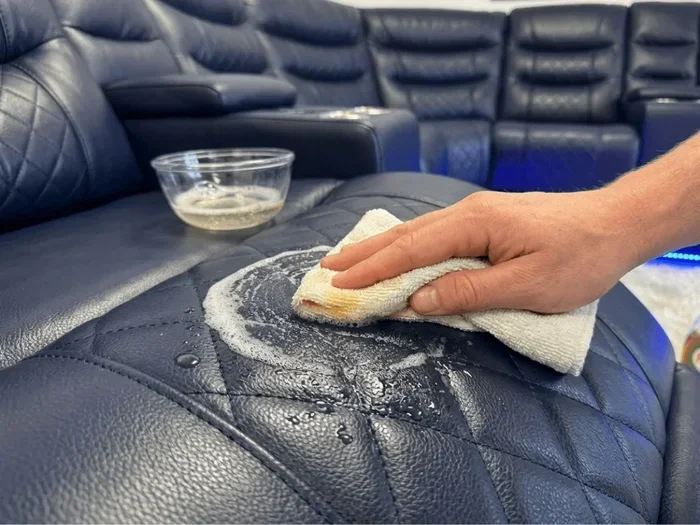
- Dust the surface first: Use a dry microfiber cloth to remove loose dirt and dust. This prevents scratching during the wet cleaning step.
- Spot test any cleaner: Apply a small amount of your cleaning solution to a hidden area. Wait five minutes and check for discoloration or damage.
- Use a mild cleaning solution: A mix of warm water and a few drops of gentle dish soap works well for most faux leather. You can also use a cleaner specifically designed for synthetic leather.
- Wipe gently with a microfiber cloth: Do not scrub hard. Use light, circular motions to lift dirt and stains.
- Rinse with a damp cloth: Wipe away any soap residue with a clean, damp microfiber cloth.
- Dry thoroughly: Use a dry microfiber cloth to remove all moisture. Do not let faux leather air dry in direct sunlight, as this can cause color fading.
- Condition if needed: Apply a faux leather conditioner to keep the surface supple and protected.
This method takes a little more time than grabbing a leather wipe, but it is much safer for your synthetic leather surfaces.
Quick Tips for Everyday Faux Leather Care
Here are some fast tips that make a big difference:
- Wipe up spills immediately. The longer a liquid sits on faux leather, the harder it is to remove. Blot, do not rub.
- Keep a microfiber cloth in your car. This makes quick cleanups easy and safe.
- Avoid harsh household cleaners. Products like bleach, ammonia, and abrasive sprays can destroy the surface of faux leather.
- Park in the shade when possible. Prolonged sun exposure dries out faux leather and causes cracking.
- Use a UV protectant spray. This adds a layer of defense against sun damage for automotive faux leather interiors.
- Condition every few months. Even though faux leather does not need conditioning like real leather, a light application of a compatible conditioner keeps it looking fresh and prevents drying.
Recommended Products for Faux Leather Cleaning
If you want products that are specifically made for faux leather, look for these types of cleaners:
- Synthetic leather cleaners: Brands like Meguiar’s, 303 Products, and Chemical Guys make cleaners designed specifically for vinyl and PU leather.
- pH-neutral car interior cleaners: These are safe for most faux leather surfaces and do not leave a greasy residue.
- Microfiber cleaning kits: A good kit includes the right cloths and spray for gentle, effective cleaning.
- Faux leather conditioners: Look for water-based conditioners that do not contain heavy oils or petroleum distillates.
These products are formulated to respect the synthetic surface. They clean effectively without the risks associated with traditional leather wipes.
Common Mistakes People Make When Cleaning Faux Leather
Even with the best intentions, people make mistakes that can shorten the life of their faux leather. Here are the most common ones to avoid.
Using Household Cleaners
This is probably the most common mistake. People reach for kitchen spray, window cleaner, or all-purpose spray to clean their car seats or sofa. These products are not designed for faux leather. They can strip the protective coating and cause the material to dry out and crack. Always use a cleaner that is safe for synthetic leather.
Scrubbing Too Hard
Faux leather has a delicate surface coating. Scrubbing aggressively with a rough cloth or sponge can scratch and wear it down. Always use a soft microfiber cloth and gentle pressure. If a stain is stubborn, apply the cleaning solution and let it sit for a minute before wiping. This softens the grime without the need for harsh scrubbing.
Skipping the Spot Test
We cannot stress this enough. Always test any cleaning product on a small, hidden area before applying it to a visible spot. This one simple step can save you from irreversible color fading or surface damage. A spot on the underside of a seat or behind a cushion is the perfect test area.
Over-Conditioning
While conditioning is important, too much of it can also be a problem. Over-application of conditioner on faux leather can leave a slippery, greasy film. This film attracts dust and makes the surface feel dirty again quickly. Use conditioner sparingly and wipe off any excess with a clean cloth.
Ignoring Manufacturer Care Instructions
If your car or furniture came with care instructions, read them. The manufacturer knows the specific type of faux leather used and can recommend the safest cleaning methods. Ignoring these guidelines can void warranties and lead to preventable damage.
Expert Insights on Faux Leather Care
We spoke with several automotive detailing professionals about their approach to cleaning faux leather. Here is what the experts had to say.
Sarah M., Certified Auto Detailer: “I always tell my clients to treat faux leather differently from real leather. The wipes that work great on a real leather interior can actually ruin a synthetic one. I recommend using a dedicated synthetic leather cleaner and a soft microfiber cloth. It takes two extra minutes, but it protects the investment.”
James T., Furniture Restoration Specialist: “Faux leather furniture is everywhere now, especially in budget-friendly sofas and apartment interiors. The biggest mistake I see is people using saddle soap or heavy leather creams on it. These products are too harsh for synthetic surfaces. A gentle soap and water solution is almost always enough for routine cleaning.”
Dr. Lisa R., Materials Scientist: “The surface chemistry of PU leather and PVC leather is fundamentally different from genuine leather. The synthetic coatings are designed to be non-porous. This means they do not absorb oils and conditioners the way real leather does. Products that are too oil-based can sit on top of the surface and cause long-term buildup that leads to cracking and discoloration.”
These expert opinions reinforce the same message: know your material, choose the right product, and always test first.
Comparison: Leather Wipes vs. Faux Leather Cleaners
To make this easy to understand, here is a side-by-side comparison of using leather wipes versus dedicated faux leather cleaners.
| Feature | Leather Wipes | Faux Leather Cleaners |
|---|---|---|
| Safe for synthetic leather | Sometimes | Yes, always |
| Oil content | Often high | Low to none |
| pH balance | Designed for real leather | Balanced for synthetic materials |
| Risk of color fading | Moderate to high | Low |
| Residue left behind | Possible greasy residue | Minimal to none |
| Cost | Low | Moderate |
| Convenience | Very high | High |
| Long-term material safety | Questionable | Excellent |
As you can see from the table, dedicated faux leather cleaners are the safer choice for long-term care. Leather wipes can work in a pinch, but they are not designed for synthetic materials. If you regularly use leather wipes on faux leather, you may notice problems developing over weeks or months.
Conclusion
So, can you use leather wipes on faux leather without damage? The honest answer is that it is risky and not recommended for regular use. Leather wipes are formulated for genuine leather, and faux leather has a completely different surface that reacts differently to oils, solvents, and cleaning agents. While a gentle wipe might handle a light cleaning job, the risks of color fading, surface damage, and greasy buildup are real.
The safest approach is to use a cleaner specifically designed for synthetic leather or faux leather. These products are formulated with the right pH balance and ingredient profile to clean effectively without harming the material. Pair your cleaner with a soft microfiber cloth, always spot test first, and condition your faux leather periodically to keep it looking its best.
Your faux leather car seats, sofa, or jacket are an investment. Taking a few extra minutes to clean them the right way will pay off in the long run. You will enjoy a fresher, cleaner look and extend the life of your synthetic leather surfaces. Start today by checking the products you currently use and making the switch to a safer, more compatible cleaner. Your faux leather will thank you for it.
Frequently Asked Questions
Can I use leather wipes on PU leather seats in my car?
It depends on the specific wipe and its ingredients. Many leather wipes contain oils and solvents that are too strong for PU leather. Always check the label for compatibility and test on a hidden area first. For regular cleaning, a dedicated PU leather cleaner is a safer choice.
What happens if I accidentally use a leather wipe on faux leather?
If it happens once, the damage is usually minimal. Wipe off any excess product immediately with a damp cloth. If you notice stickiness, discoloration, or a change in texture, stop using that wipe and switch to a gentle soap and water solution. Monitor the area for any lasting effects.
Are there leather wipes that are safe for faux leather?
Yes, some brands make leather wipes that are safe for all leather types, including synthetic. Look for wipes that are pH-balanced, oil-free, and explicitly labeled as safe for faux leather or synthetic materials. Always spot test before full use.
How often should I clean my faux leather car seats?
A quick wipe-down with a damp microfiber cloth once a week is usually enough for regular maintenance. For deeper cleaning, use a dedicated faux leather cleaner once a month or as needed based on usage and spills.
Can I use baby wipes on faux leather in an emergency?
Baby wipes are generally gentler than leather wipes, but they are not designed for faux leather. They may contain fragrances and moisturizers that can leave a residue. In an emergency, they are okay for a quick clean, but follow up with a proper faux leather cleaner and a damp cloth rinse.
Is faux leather easier to clean than real leather?
Faux leather is generally easier to wipe clean because it has a non-porous surface. Spills sit on top rather than soaking in. However, it requires different products than real leather. Using the wrong cleaner can cause more damage than on genuine leather, so always choose products made for synthetic materials.