Can I Put 88 Octane in My Car Without Any Major Problems
Yes, you can put 88 octane in most cars without any major problems, but it depends on your vehicle’s engine and manufacturer recommendations. This guide covers everything you need to know about 88 octane fuel, including compatibility, risks, and benefits. Whether you drive a standard sedan or a turbocharged SUV, understanding your fuel options saves money and protects your engine.
Have you ever stood at the gas pump, staring at the fuel options, and wondered… can I put 88 octane in my car? It’s a question a lot of drivers ask, especially when the price difference between fuel options catches their eye. The good news is that for most vehicles, the answer is a simple yes. But there are some important details you need to know before you fill up. Using the wrong fuel can lead to engine problems, reduced performance, or wasted money. That’s why understanding your options matters. In this guide, we’ll walk through everything you need to know about 88 octane fuel, from what it means to when you should avoid it. By the end, you’ll feel confident making the right choice at the pump every single time.
Fuel choices can be confusing. There’s regular, mid-grade, premium, and now some stations offer 88 octane as an option. Each level serves a different purpose. Your car’s engine is designed to work with a specific fuel octane rating. Matching that rating keeps your engine running smoothly. Using a lower or higher octane than recommended can cause issues. Let’s explore what 88 octane means and how it fits into the bigger picture of gasoline options available today.
Key Takeaways
- 88 octane is safe for most modern cars: It works well with vehicles designed for regular or mid-grade fuel.
- Check your owner’s manual first: The vehicle manufacturer’s fuel recommendation is your best guide.
- 88 octane contains 15% ethanol (E15): This is different from regular gasoline, which has 10% ethanol.
- Cost savings add up over time: Switching to 88 octane can save you money if your car doesn’t need premium.
- Avoid 88 octane in high-performance engines: Turbocharged and high-compression engines need premium fuel.
- Engine knock is a warning sign: If you hear knocking, check your fuel type and owner’s manual immediately.
- Availability is growing: More gas stations are offering 88 octane, especially at major brands.
📑 Table of Contents
What Does 88 Octane Mean?
Before you decide to switch fuels, it helps to understand what the number on the pump actually means. The octane rating tells you how well the fuel resists knocking or pinging inside the engine. 88 octane is a relatively new option at many gas stations. It sits between traditional regular fuel and premium grades.
Understanding Octane Ratings
Octane ratings measure a fuel’s ability to resist premature ignition. When fuel ignites too early in the combustion chamber, it creates a knocking sound. This is called engine knock, and it can damage your engine over time. The higher the octane number, the more resistant the fuel is to this problem.
Here’s a quick breakdown of common gasoline octane levels:
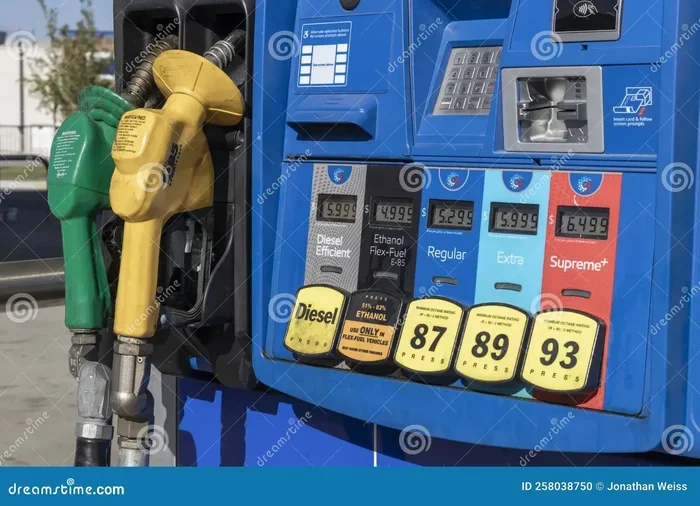
- 87 octane (regular unleaded) – the most common fuel type
- 88 octane – a newer mid-grade option, often blended with ethanol
- 89 octane (mid-grade) – available at some stations
- 91-93 octane (premium) – for high-performance engines
88 octane is often labeled as E15 because it contains 15% ethanol. This blend is different from regular gasoline, which typically has 10% ethanol (called E10). The higher ethanol content is what gives 88 octane its higher rating.
How Octane Affects Your Engine
Your engine’s compression ratio plays a big role in determining which fuel you need. Engines with higher compression ratios need higher octane fuel to prevent knocking. When you use the right octane rating, the fuel burns at the right time. This leads to smooth power delivery and good fuel efficiency.
Using fuel with too low an octane can cause the air-fuel mixture to ignite prematurely. This creates that annoying knocking sound. Over time, it can lead to serious engine damage. On the other hand, using fuel with too high an octane usually won’t hurt your engine. But it also won’t give you any extra benefits in most cars.
Can You Put 88 Octane in Any Car?
The short answer is no, not any car. But the longer answer is that most modern vehicles can handle 88 octane just fine. The key is knowing what your specific vehicle needs. Let’s look at how to figure that out.
Checking Your Owner’s Manual
Your owner’s manual is the best place to start. It will clearly state the recommended fuel type for your vehicle. Look for the fuel requirements section. Some cars say “regular unleaded recommended” while others say “premium fuel required.”
If your manual says regular unleaded is fine, then 88 octane will work. But if it says premium is required, you should stick with 91 or 93 octane. The vehicle manufacturer designed the engine for a specific fuel octane rating. Ignoring that recommendation can cause problems.
The Role of the Vehicle Manufacturer
Car companies test their engines extensively. They know exactly what fuel recommendations work best for each model. When they say to use a certain octane level, they’re giving you a guideline backed by real testing and engineering.
Some manufacturers even list approved fuel types on the fuel cap or inside the fuel door. If you see a sticker that says “Premium Fuel Required,” you should use premium. If it says “Premium Fuel Recommended,” you can usually use 88 octane or regular without issues.
Fuel Label Guide
| Label on Fuel Door | What It Means | Can You Use 88 Octane? |
|---|---|---|
| Regular Unleaded Required | Use 87 octane only | No, use regular |
| Regular Unleaded Recommended | 87 is fine, higher won’t hurt | Yes, it’s safe |
| Premium Fuel Required | Must use 91+ octane | No, use premium |
| Premium Fuel Recommended | Premium helps performance | Yes, but premium is better |
What Happens If You Use 88 Octane in a Car That Needs Higher Octane?
This is where things get tricky. If your car needs premium fuel and you put in 88 octane, you might notice some issues. Let’s break down what can happen.
Engine Knock and Detonation
The most common problem is engine knock. You might hear a rattling or pinging sound, especially when you’re accelerating or climbing a hill. This happens because the lower octane fuel ignites too early in the combustion chamber. The spark plug fires, but the fuel-air mixture is already igniting on its own.
Modern cars have knock sensors that can adjust timing to reduce this problem. But even with these sensors, running low octane fuel in a high-compression engine isn’t ideal. It can lead to reduced engine performance and less power.
Long-Term Effects on Engine Health
Occasionally using 88 octane in a car that needs premium probably won’t cause immediate damage. But consistently using the wrong fuel can lead to problems over time. These include:
- Increased wear on engine components
- Reduced fuel economy
- Higher emissions
- Potential damage to the fuel injector
- Carbon buildup in the cylinders
The good news is that these problems develop over months or years of repeated misuse. A one-time mistake usually won’t hurt anything. But making it a habit is a bad idea.
Fuel Type Comparison
| Fuel Type | Octane Rating | Ethanol Content | Best For | Cost |
|---|---|---|---|---|
| Regular Unleaded | 87 | 10% (E10) | Standard engines | Lowest |
| 88 Octane (E15) | 88 | 15% (E15) | Most modern cars | Low-moderate |
| Mid-Grade | 89 | 10% (E10) | Some turbocharged engines | Moderate |
| Premium | 91-93 | 10% (E10) | High-performance engines | Highest |
As you can see, 88 octane falls in a middle ground. It offers more octane than regular but less than premium. For many drivers, it’s a solid compromise that balances cost and performance.
Which Cars Benefit from 88 Octane Fuel?
Not all cars need the same fuel. Understanding which vehicles work best with 88 octane can help you make smarter choices at the pump.
High-Performance and Turbocharged Engines
Cars with turbocharged engines or high compression ratios usually need premium fuel. These engines pack more air and fuel into each cylinder. That creates more power, but it also creates more heat and pressure. The fuel octane rating needs to match that intensity.
Examples of cars that typically need premium include:
- BMW M Series vehicles
- Mercedes-AMG models
- Audi RS and SQ models
- Chevrolet Corvette (high-performance variants)
- Ford Mustang GT with performance packages
For these vehicles, 88 octane is not recommended. Stick with the premium fuel the manufacturer specifies.
Everyday Commuter Vehicles
Most daily drivers and commuter cars are designed to run on regular or 88 octane fuel. These include:
- Toyota Camry and Corolla
- Honda Civic and Accord
- Ford F-150 (most trims)
- Chevrolet Silverado (standard trims)
- Hyundai Tucson and Sonata
- Kia Sorento and Optima
For these vehicles, 88 octane is a perfectly fine choice. It won’t hurt your engine, and it might even save you a few cents per gallon compared to premium.
Flex-Fuel and Ethanol-Friendly Vehicles
Some cars are specifically designed to run on higher ethanol blends. These flex-fuel vehicles can handle E15 and even E85. If your car has a flex-fuel badge or option, 88 octane E15 fuel is a great choice. It burns cleaner and can reduce your reliance on pure gasoline.
Benefits and Drawbacks of Using 88 Octane
Like any fuel choice, 88 octane has its pros and cons. Let’s look at both sides so you can make an informed decision.
Cost Savings
The biggest advantage of 88 octane is the price. It’s usually cheaper than premium fuel. For drivers who fill up frequently, those savings add up over time. If your car doesn’t need premium, switching to 88 octane can save you hundreds of dollars per year.
Here’s a quick example: if premium costs $4.00 per gallon and 88 octane costs $3.70, you save $0.30 per gallon. Fill up a 15-gallon tank twice a month, and that’s about $108 saved per year.
Environmental Benefits
The higher ethanol content in 88 octane E15 fuel can reduce greenhouse gas emissions. Ethanol is a renewable fuel made from corn and other plant materials. Burning E15 produces fewer harmful tailpipe emissions compared to regular E10 gasoline. This makes 88 octane a more environmentally friendly choice for many drivers.
Potential Downsides
There are a few things to keep in mind about 88 octane:
- Fuel economy may be slightly lower due to the ethanol content. Ethanol has less energy per gallon than pure gasoline.
- Not all gas stations carry 88 octane yet. Availability is growing but still limited in some areas.
- It’s not suitable for older vehicles (pre-2001) or small engines like lawnmowers and boats.
- Some drivers report slight differences in engine performance compared to E10 fuel.
Overall, the drawbacks are minor for most modern vehicles. But it’s important to know them before you make the switch.
Expert Tips for Choosing the Right Fuel for Your Car
Choosing the right fuel doesn’t have to be complicated. A few simple tips can help you make the best decision every time you visit the gas station.
Quick Tips
- Always check your owner’s manual before switching fuels. It’s your car’s fuel bible.
- Look for the fuel recommendation on the fuel door or cap.
- Don’t mix fuel types unnecessarily. Stick with one octane level consistently.
- Use a fuel additive if you’re concerned about carbon buildup. An octane booster can help in some cases.
- When in doubt, go with the manufacturer’s recommendation. It’s there for a reason.
Common Mistakes to Avoid
Many drivers make fuel-related mistakes without realizing it. Here are some to watch out for:
- Assuming all gas stations are the same. Different brands have different additive packages. Top-tier fuels often have better cleaning agents.
- Thinking higher octane always means better performance. In a regular engine, premium fuel won’t give you more power or better mileage.
- Ignoring the check engine light. If you hear knocking or pinging, don’t ignore it. It could be a sign of fuel incompatibility.
- Using E15 in small engines. Boats, lawnmowers, and generators often can’t handle the higher ethanol content. Check your equipment manual first.
When to Stick with Premium
Sometimes premium fuel is the right choice. If your car has a turbocharged engine, a high compression ratio, or the manufacturer explicitly requires premium, don’t downgrade. The fuel type compatibility matters. Using 88 octane in these engines can void your warranty and cause long-term damage.
Also, if you frequently tow heavy loads or drive in extreme heat, premium fuel may be the safer option. These conditions put extra stress on your engine, and the higher octane helps prevent knocking.
Conclusion
So, can I put 88 octane in my car? For most modern vehicles, the answer is yes. 88 octane is a safe, affordable fuel option that works well with many everyday cars and trucks. It offers cost savings, environmental benefits, and solid performance for engines designed to handle it.
The key is knowing your vehicle’s specific needs. Check your owner’s manual, look at the fuel door recommendations, and follow the vehicle manufacturer’s guidance. If your car runs fine on regular or 88 octane, there’s no reason to spend extra on premium.
On the other hand, if your engine requires premium fuel, stick with it. The short-term savings from using 88 octane aren’t worth the risk of engine damage. Making the right fuel choice is one of the simplest ways to keep your car running well for years to come. So next time you’re at the pump, you’ll know exactly what to do.
Frequently Asked Questions
What Happens If I Accidentally Put 88 Octane in a Car That Needs 91?
Don’t panic. A one-time mistake is unlikely to cause serious harm. Most modern cars have knock sensors that adjust engine timing to compensate for lower octane fuel. You might notice slight knocking or reduced performance temporarily. Fill up with the correct premium fuel at your next fill-up, and the issue should resolve itself. If you notice persistent problems, have a mechanic check your engine.
Is 88 Octane the Same as Regular Unleaded?
No, they are not the same. Regular unleaded is 87 octane with 10% ethanol (E10). 88 octane is a higher rating with 15% ethanol (E15). The higher ethanol content is what gives 88 octane its extra octane boost. While both are gasoline blends, they have different compositions and are suited for different engines.
Can 88 Octane Improve Fuel Economy?
Not necessarily. In fact, 88 octane E15 fuel may slightly reduce fuel economy compared to regular E10 gasoline. Ethanol contains less energy per gallon than pure gasoline, so you might notice a small decrease in miles per gallon. However, the cost savings per gallon usually outweigh the slight drop in fuel economy for most drivers.
Does 88 Octane Cause Engine Knock?
88 octane fuel is designed to resist engine knock, not cause it. In engines that are compatible with this fuel level, it burns smoothly and prevents knocking. However, if you use 88 octane in an engine that needs a higher octane rating, you might experience knock. Always match your fuel to your engine’s requirements to avoid this problem.
Is 88 Octane Available at All Gas Stations?
No, 88 octane is not yet available everywhere. It’s becoming more common, especially at stations that sell E15 fuel. Major brands like Shell, BP, and Costco are expanding their 88 octane offerings. You can check with your local stations or use online fuel finder tools to locate 88 octane near you.
Will Using 88 Octane Void My Car’s Warranty?
Using 88 octane in a car that recommends or allows it will not void your warranty. However, if you use 88 octane in a car that requires premium fuel and it causes engine damage, the manufacturer may deny your warranty claim. Always follow the fuel recommendations in your owner’s manual to protect your warranty coverage.