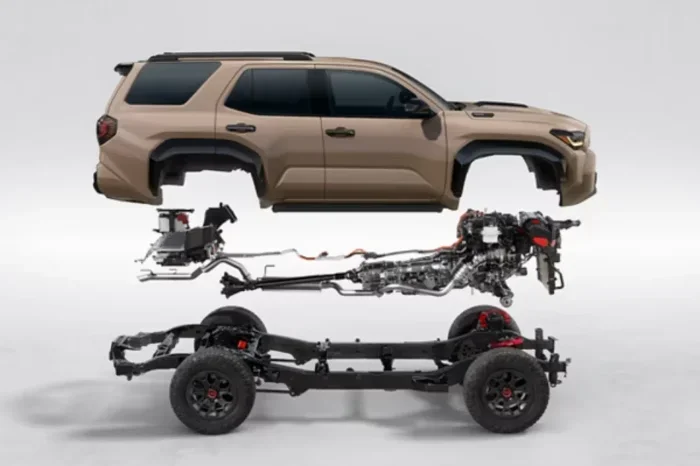
Are 4Runners Built on a Truck Frame or Body on Frame
Yes, the Toyota 4Runner is built on a truck frame, specifically a body on frame design that gives it serious off-road muscle and towing power. This construction method sets the 4Runner apart from most modern SUVs that use unibody builds. Understanding how the 4Runner frame works helps buyers appreciate its rugged durability and long-term value.
Are 4Runners built on a truck frame? The short answer is a strong yes. The Toyota 4Runner has always been a body on frame SUV. That means it sits on a separate steel frame, just like a pickup truck. This design choice makes the 4Runner one of the most rugged SUVs on the road today.
When you buy a 4Runner, you are getting a vehicle built for tough conditions. The truck frame gives it strength, stability, and off-road ability that unibody SUVs simply cannot match. Whether you use your 4Runner for daily driving or serious trail crawling, that frame is the backbone of everything it does.
In this article, we will dive deep into the 4Runner’s frame design. We will look at what body on frame means, how it compares to other SUVs, and why it matters for owners. You will learn about the frame rails, the suspension setup, and what makes this Toyota so tough. By the end, you will understand exactly why the 4Runner frame has earned its legendary reputation.
Key Takeaways
- The 4Runner uses a body on frame design: This means it has a separate steel frame underneath, just like a real truck.
- The frame boosts off-road performance: A truck frame handles rough terrain much better than unibody construction.
- Towing and payload capacity benefit from the frame: The 4Runner can tow up to 5,000 pounds thanks to its sturdy base.
- The 4Runner shares its platform with the Tacoma: Both are built on Toyota’s ladder frame architecture.
- Body on frame means better long-term durability: These frames last for hundreds of thousands of miles with proper care.
- The 4Runner frame is repairable and affordable: Unlike unibody vehicles, frame damage can often be fixed at a lower cost.
- Older and newer 4Runner models both use truck frames: This design has been consistent across all generations.
📑 Table of Contents
What Does Body on Frame Mean?
Body on frame is a vehicle construction method where the body and the frame are two separate pieces. The frame is the strong metal structure that runs underneath the car. The body panels, seats, and interior are then mounted on top of that frame. Think of it like a house built on a concrete foundation.
This is different from unibody construction. Unibody vehicles fold the body and frame into one piece. Most modern cars and crossovers use unibody builds because they are lighter and more fuel efficient. But they lack the raw strength of a body on frame design.
The 4Runner uses a ladder frame. This is the oldest and most proven frame design in the automotive world. It gets its name from the way the two side rails look like the rungs of a ladder. The frame rails run the full length of the vehicle. They connect at the front and back to form a strong, rigid structure.
How the Ladder Frame Works
The ladder frame consists of two main rails running down each side. These rails are thick steel beams that carry the weight of the entire vehicle. Cross members connect the two rails, adding stiffness and strength. The engine, transmission, and suspension all attach directly to this frame.
This design spreads weight evenly across the whole structure. That is why body on frame vehicles handle heavy loads so well. The frame absorbs bumps and impacts instead of letting them reach the cabin. You feel more isolated from rough roads because the body sits on top, not inside, the frame.
The 4Runner’s Truck Frame: What You Need to Know
The 4Runner has used a truck frame since it first hit the market in 1984. Every generation of the 4Runner has been built on Toyota’s body on frame platform. The current generation, which started in 2009, uses an updated version of this proven design.
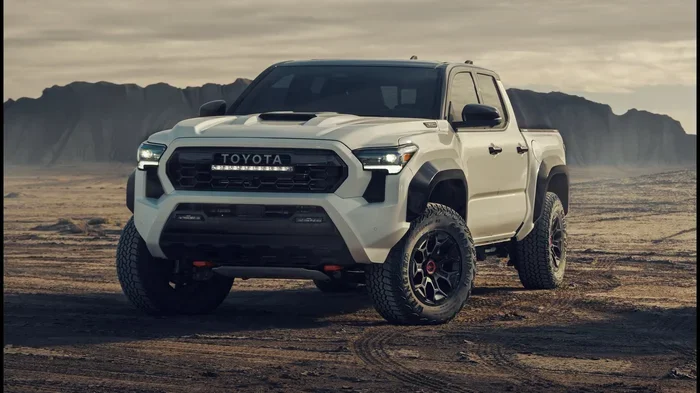
The frame is closely related to the Toyota Tacoma platform. Both vehicles share Toyota’s ladder frame architecture. This is no surprise since the 4Runner was originally built as a version of the Tacoma pickup truck. Over the years, Toyota has refined the frame to make it even stronger and more capable.
Frame Materials and Construction
Toyota uses high-strength steel for the 4Runner frame. The frame rails are made from thick, durable steel that resists bending and flexing. Cross members are welded onto the rails to create a rigid structure. The joints are reinforced to handle heavy stress.
The frame is designed to last. Many 4Runner owners report crossing 300,000 miles without any frame issues. The steel does not rust easily, and the construction is simple enough to repair if damage does occur. This is a huge advantage over unibody vehicles where frame damage can be expensive and difficult to fix.
Suspension Mounting on the Frame
The 4Runner’s suspension system bolts directly to the frame. Up front, it uses a solid live axle with leaf springs. In the back, it also uses a solid axle with leaf springs. This setup is called a solid axle suspension, and it relies on the frame for mounting points and structural support.
The leaf springs help absorb bumps and keep the vehicle stable under load. They work hand in hand with the frame to provide a smooth ride when empty and a strong, supportive feel when loaded down. This suspension setup is a big reason why the 4Runner handles off-road terrain so well.
How the 4Runner Frame Compares to Other SUVs
Not all SUVs are created equal when it comes to construction. The 4Runner’s body on frame design puts it in a different category than most competitors. Let us look at how it compares to unibody SUVs and other truck-based models.
| Feature | 4Runner (Body on Frame) | RAV4 (Unibody) | Wrangler (Body on Frame) |
|---|---|---|---|
| Frame Type | Ladder frame | No separate frame | Ladder frame |
| Off-Road Ability | Excellent | Good | Excellent |
| Towing Capacity | Up to 5,000 lbs | Up to 2,500 lbs | Up to 3,500 lbs |
| Fuel Economy | Lower | Higher | Lower |
| Ride Comfort | Firmer | Smoother | Firmer |
| Durability | Very High | Moderate | Very High |
| Payload Capacity | Up to 1,500 lbs | Up to 1,000 lbs | Up to 1,000 lbs |
As you can see, the 4Runner’s body on frame construction gives it clear advantages in durability, towing, and off-road performance. The trade-off is lower fuel economy and a firmer ride compared to unibody SUVs like the RAV4 or Highlander. But for buyers who need capability, the 4Runner frame delivers where it counts.
4Runner vs. Unibody SUVs
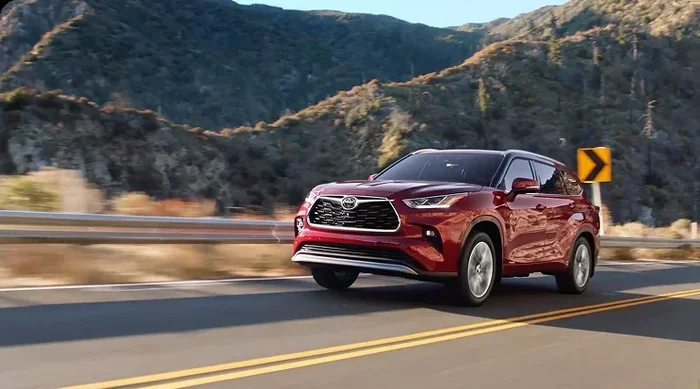
Unibody SUVs like the RAV4 and Highlander are great for families. They are lighter, more efficient, and ride smoother on highways. But they are not built for serious off-roading or heavy towing. The frame of a unibody vehicle is integrated into the floor pan, which means it flexes more under stress.
The 4Runner’s separate frame does not flex the same way. It stays rigid even when the wheels are moving through deep mud or over large rocks. This is why the 4Runner is a favorite among off-road enthusiasts. The truck frame simply does not bend or warp the way a unibody floor pan can.
4Runner vs. Other Truck-Based SUVs
The 4Runner is not the only SUV built on a truck frame. The Jeep Wrangler also uses a body on frame design. The Ford Bronco and Chevrolet Tahoe are similar. But the 4Runner stands out for its reliability and simplicity. Toyota has a long history of building frames that last, and the 4Runner is a perfect example.
Compared to the Wrangler, the 4Runner offers more daily driving comfort. It has better sound insulation and more cargo space. Compared to the Bronco, the 4Runner has a longer track record of proven durability. The truck frame platform has been tested and refined over decades, and Toyota knows how to build one right.
Why the 4Runner’s Frame Matters for Owners
The frame is the most important part of the 4Runner. It affects everything from how the vehicle drives to how it handles heavy loads. Here is why the truck frame matters so much for owners.
Off-Road Capability
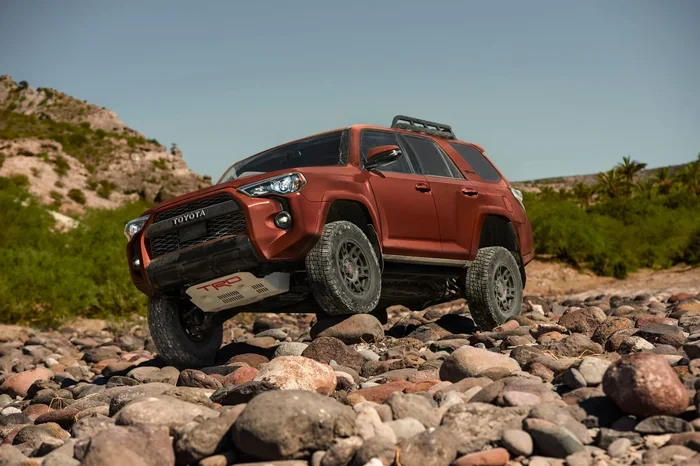
The 4Runner is famous for its off-road ability. The body on frame design is a big reason why. When you are crawling over rocks or driving through deep water, you need a frame that will not bend or break. The 4Runner’s ladder frame handles all of this with ease.
The solid axles mounted to the frame allow for maximum wheel articulation. This means the wheels can move up and down independently, keeping them in contact with the ground. The frame provides a stable platform for this entire system to work. Without the truck frame, the 4Runner would not be the off-road beast it is today.
Towing and Hauling
The 4Runner can tow up to 5,000 pounds when properly equipped. That is impressive for an SUV of its size. The truck frame is what makes this possible. The frame rails are designed to handle the stress of pulling heavy loads behind the vehicle.
The frame also supports the payload capacity. You can carry up to 1,500 pounds of cargo and passengers combined. The ladder frame spreads this weight evenly, so the vehicle stays balanced and stable. This is something a unibody SUV simply cannot do at the same level.
Long-Term Durability
One of the biggest reasons people buy a 4Runner is for its longevity. The truck frame plays a huge role in this. The high-strength steel does not corrode quickly, and the simple design means fewer things can go wrong. Many 4Runners with 300,000 or more miles still have perfectly solid frames.
The frame is also easy to repair. If the vehicle is in an accident, a mechanic can straighten or replace frame rails. This is much cheaper than repairing a unibody structure, where damage often means replacing large sections of the floor and body panels. The body on frame design saves money over the long run.
Resale Value
4Runners hold their value incredibly well. The truck frame is a big part of this. Buyers know that a body on frame SUV will last longer and handle harder use. The reputation of the 4Runner frame adds to the vehicle’s desirability on the used market. A well-maintained 4Runner with a solid frame can command a premium price.
Common Myths About the 4Runner Frame
There are several misconceptions about the 4Runner’s truck frame. Let us clear up a few of the most common ones.
Myth 1: The 4Runner frame rusts out quickly. This is not true. Toyota uses coated, high-strength steel that resists corrosion. While any vehicle can rust if neglected, the 4Runner frame is known for lasting a very long time. Regular washes and undercoating help, but the frame itself is built to endure.
Myth 2: Body on frame means a rough ride. The 4Ride’s ride has improved a lot over the years. The current generation is much more comfortable than older models. While it is still firmer than a unibody SUV, most daily drivers find it perfectly comfortable. The truck frame does not mean you are riding on bare springs.
Myth 3: The 4Runner frame makes it unsafe. Some people think body on frame vehicles are less safe than unibody cars. This is outdated thinking. The 4Runner’s frame is designed with crash safety in mind. The rigid structure absorbs and distributes impact forces effectively. Toyota has tested these frames extensively to meet or exceed safety standards.
Myth 4: Only old 4Runners have truck frames. Every generation of the 4Runner has been built on a body on frame platform. Whether you are looking at a first-generation model from the 1980s or the latest 2024 model, the truck frame is still there. Toyota has never changed this core design.
The Bottom Line on 4Runner Construction
The Toyota 4Runner is built on a truck frame, and that is exactly what makes it special. The body on frame design gives it strength, durability, and off-road capability that few SUVs can match. The ladder frame has been a constant through every generation, proving that this design works.
If you are shopping for a rugged SUV that can handle anything, the 4Runner’s frame is a huge selling point. It means the vehicle can tow, haul, and go anywhere without breaking a sweat. The truck frame also means the 4Runner will last for years, often well beyond 200,000 miles with basic maintenance.
The 4Runner is not the most fuel efficient SUV. It is not the most comfortable on smooth highways. But for buyers who need capability and reliability, the truck frame makes it one of the best choices on the market. The 4Runner has earned its reputation as a tough, dependable, and long-lasting SUV, and the body on frame design is at the heart of that reputation.
When you understand how the 4Runner frame works, you understand why this vehicle has such a loyal following. The truck frame is not just a construction method. It is the reason the 4Runner can do things that most SUVs simply cannot. If you are looking for a vehicle that is built to last and built to go, the 4Runner’s truck frame is exactly what you need.
Frequently Asked Questions
Is the Toyota 4Runner built on a truck frame?
Yes, the 4Runner uses a body on frame design with a ladder frame. This is the same type of frame found on pickup trucks. The frame runs the full length of the vehicle and supports the engine, suspension, and body.
What is the difference between body on frame and unibody construction?
Body on frame means the vehicle has a separate steel frame underneath, and the body is mounted on top. Unibody means the body and frame are one integrated piece. The 4Runner uses body on frame, which makes it stronger and more capable off-road.
Can the 4Runner frame rust?
Like any vehicle, the 4Runner frame can rust if not properly maintained. However, Toyota uses high-strength, coated steel that resists corrosion well. With regular washing and care, the frame can last the entire life of the vehicle.
How much can the 4Runner tow with its truck frame?
The 4Runner can tow up to 5,000 pounds when equipped with the right towing package. The truck frame provides the strength needed to handle this towing capacity safely and reliably.
Does the 4Runner frame affect ride quality?
The truck frame does make the ride firmer than a unibody SUV. However, Toyota has engineered the suspension and frame to provide a comfortable daily driving experience. The trade-off is a slight firm feel in exchange for much better off-road capability and durability.
Are all 4Runner generations built on a truck frame?
Yes, every generation of the 4Runner from 1984 to the present has used a body on frame design. The truck frame has been a core part of the 4Runner’s identity and engineering throughout its entire history.
=== CONCLUSION ===
The answer to the question “Are 4Runners built on a truck frame?” is a definitive yes. The Toyota 4Runner has always been a body on frame SUV, built on a sturdy ladder frame that gives it incredible strength and capability. This construction method sets the 4Runner apart from most modern SUVs and is a big reason why it remains one of the most popular off-road vehicles on the market.
The truck frame affects everything about the 4Runner. It improves off-road performance, boosts towing capacity, and provides long-term durability that unibody vehicles simply cannot match. Whether you use your 4Runner for weekend adventures or daily commuting, the frame is there to support you. The body on frame design has proven itself over nearly 40 years of production, and it continues to be a defining feature of this legendary SUV.
If you are considering a 4Runner, understanding the frame is essential. It is not just a piece of metal underneath the vehicle. It is the foundation of everything the 4Runner stands for. The truck frame makes the 4Runner tough, capable, and built to last. That is why so many drivers trust the 4Runner to get them where they need to go, no matter what the road throws at them.