Wondering How Do I Know If My Toyota Sienna Battery Is Bad
Your Toyota Sienna battery is the heart of your minivan’s electrical system, and recognizing the warning signs early can save you from unexpected breakdowns. Common indicators include slow engine cranking, dim headlights, dashboard warning lights, and a swollen battery case. This guide covers every sign, test, and fix to help you decide when it is time for a Toyota Sienna battery replacement.
You turn the key in your Toyota Sienna, and instead of that familiar purr, you hear a slow, lazy click. Or maybe the engine starts, but it sounds like it is working twice as hard as it should. If either of these sounds familiar, there is a good chance your Toyota Sienna battery is bad and needs attention.
Your Sienna depends on its battery every single day. It starts the engine, powers the lights, runs the infotainment system, and keeps all those electronic features working smoothly. When the battery starts to fail, it affects almost everything. The good news is that your minivan gives you plenty of warning signs before it completely dies. You just need to know what to look for.
This guide walks you through every sign, test, and tip you need to figure out if your Toyota Sienna battery is bad. Whether you are a DIY mechanic or someone who just wants to understand what is happening under the hood, you will find practical, easy-to-follow information here. Let us get into it.
Key Takeaways
- Slow engine crank: A struggling start is one of the most obvious signs your Toyota Sienna battery is failing.
- Dashboard warning lights: The check engine light or battery light on your Sienna should never be ignored.
- Dimming headlights and electrical issues: Flickering lights and weak accessories point to a weak car battery.
- Corrosion and swelling: Visible damage to the battery terminals or case means immediate attention.
- Battery age matters: Most Toyota Sienna batteries last 3 to 5 years, so track your replacement date.
- Test your battery: A simple voltage test or trip to an auto store can confirm if your battery is bad.
- Act early: Replacing a dying battery prevents being stranded and protects your Sienna’s electrical system.
📑 Table of Contents
Common Warning Signs Your Toyota Sienna Battery Is Bad
Your Toyota Sienna will tell you when something is wrong with the battery. The trick is paying attention to the signals. Most drivers ignore the early warning signs until they are completely stranded. Do not let that be you. Here are the most common signs that your Sienna battery is on its way out.
Slow Engine Crank or Clicking Noise
This is the number one sign people notice. When you turn the key or push the start button, the engine turns over slowly. Instead of a quick, confident start, you hear a labored crank. In worse cases, all you get is a rapid clicking sound. That clicking means the battery does not have enough power to turn the starter motor.
A healthy Toyota Sienna battery delivers the power needed for a fast, clean start. If your engine takes more than a few seconds to catch, the battery is struggling. This is especially common in the morning or when the engine is cold. Do not write it off as just a bad morning. It is your battery waving a red flag.
Dashboard Warning Lights
The Sienna has several warning lights on the dashboard that are directly tied to the electrical system. The battery light, which looks like a small rectangular box with plus and minus symbols, is the most obvious indicator. If this light comes on while you are driving, your battery or charging system has a problem.
Some drivers also notice the check engine light turning on. While this light can mean many things, a failing battery or a weak alternator can trigger it. If you see either of these lights, do not ignore them. Pull over safely and check your battery. A quick inspection could save you from a roadside breakdown.
Dim or Flickering Headlights
Your headlights need a strong, steady power supply to shine bright. When the battery is weak, the voltage drops, and your lights start to dim. You might notice this most when you are idling at a stoplight. The lights are bright when you rev the engine but get dim when you slow down.
Flickering headlights are another red flag. If your headlights pulse or buzz, the battery cannot maintain a consistent power output. This also affects other electrical components in your Sienna, like the interior lights, dashboard displays, and power windows. If multiple electrical parts start acting up at the same time, suspect the battery.
Electrical Accessories Acting Up
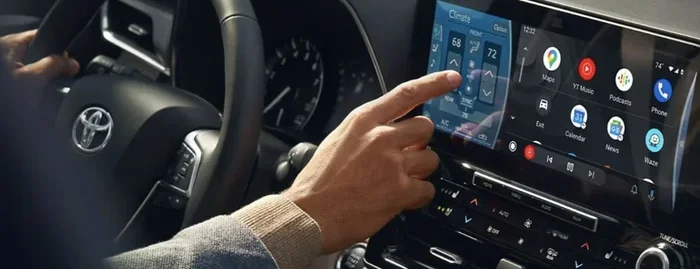
Modern Toyota Sienna models come loaded with electronic features. Power seats, heated seats, infotainment screens, rearview cameras, and USB charging ports all draw power from the battery. When the battery weakens, these accessories start to misbehave.
You might notice the infotainment screen resetting randomly. The power seats might move slower than usual. The rearview camera might flicker when you shift into reverse. These small glitches are easy to dismiss, but they add up. A battery that cannot keep up with the electrical demands of your Sienna is a battery that needs to be tested or replaced.
Swollen or Bloated Battery Case
Take a look at your battery. Does the case look swollen or rounded on the sides? A healthy battery case should be flat and firm. When a battery swells, it means the internal components have been damaged, usually from excessive heat or overcharging.
A swollen battery is dangerous. It can leak acid, crack, or even explode in extreme cases. If you see any bulging on your Toyota Sienna battery, do not try to use it. Replace it immediately. Swelling is one of the clearest physical signs that the battery is bad and beyond repair.
Corrosion on the Battery Terminals
Open the hood and take a look at your battery terminals. If you see a white, blue, or greenish powdery substance coating the terminals, that is corrosion. Corrosion creates resistance between the battery and the electrical system. It stops the battery from delivering power efficiently.
Some corrosion is normal over time, but heavy buildup is a problem. You can clean minor corrosion with a baking soda and water solution and a wire brush. However, if the corrosion keeps coming back, it often means the battery itself is leaking or failing. In that case, a Toyota Sienna battery replacement is the best move.
Battery Smells Like Rotten Eggs
Do you notice a sulfur or rotten egg smell near the battery? That is hydrogen sulfide gas, which happens when the battery is overcharged or internally damaged. A healthy battery should not produce any noticeable smell.
If you detect this odor, stay away from the battery. The smell often means the battery is overheating or leaking. Open the hood, give it some space, and have it inspected. A smelly battery is a serious safety concern and almost always means the end of its life.
Your Sienna Needs Jump Starts Frequently
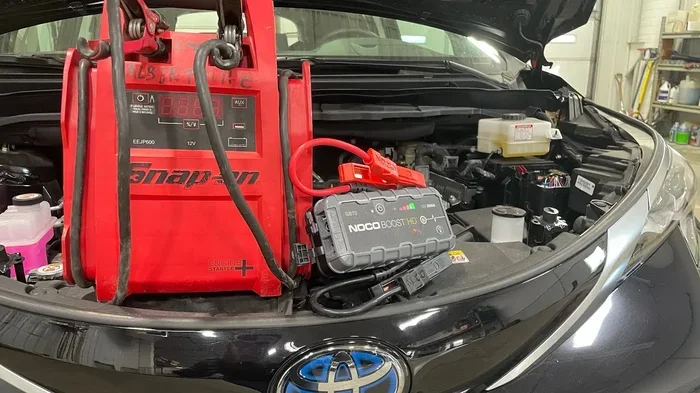
Everyone needs a jump start once in a while. Maybe you left a light on overnight, or it has been a really cold morning. But if you are jumping your Toyota Sienna regularly, something is wrong. Frequent jump starts mean the battery cannot hold a charge anymore.
Every time you jump-start the vehicle, you put extra stress on the alternator and other electrical components. What starts as a minor inconvenience quickly turns into expensive repairs. If you are reaching for jumper cables more than once a month, test your battery and seriously consider a replacement.
How Old Is Your Toyota Sienna Battery?
Battery age is one of the simplest ways to figure out if your battery is failing. Most car batteries last between three and five years, depending on driving habits, climate, and maintenance. If your Toyota Sienna battery is approaching or past the three-year mark, it is worth getting it tested regularly.
Toyota Sienna models with the traditional gasoline engine and hybrid versions both use standard 12-volt batteries for starting and electrical systems. The hybrid model also has a high-voltage hybrid battery, which is a different component entirely. When people ask about a Toyota Sienna battery being bad, they usually mean the 12-volt battery, not the hybrid battery pack. Keep this distinction in mind when shopping for a replacement.
To check your battery age, look at the label on the battery case. It will show the manufacture date. Batteries are typically labeled with a letter for the month and a number for the year. For example, A23 means January 2023. If your battery is older than three years, start planning for a Toyota Sienna battery replacement soon.
Simple Tests You Can Do at Home
You do not need to be a mechanic to test your Toyota Sienna battery. There are a few simple tests you can do at home with basic tools. These tests give you a good idea of whether your battery is still healthy or on its way out.
Visual Inspection
Start with a visual check. Look at the battery case for cracks, bulges, or leaks. Inspect the terminals for heavy corrosion. Check that the battery is securely mounted and the cables are tight. A loose connection can mimic battery failure, so make sure everything is snug before you jump to conclusions.
Check the Dashboard Battery Light
Turn the ignition to the ON position without starting the engine. Does the battery light come on? It should illuminate briefly and then turn off when the engine starts. If the light stays on, there is a problem with the charging system or the battery itself.
Use a Multimeter to Test Voltage
If you have a multimeter, you can test the battery voltage directly. Set the multimeter to DC voltage and touch the probes to the positive and negative battery terminals.
Here is what the readings mean:
- 12.6 volts or higher: The battery is fully charged and healthy.
- 12.4 to 12.5 volts: The battery is about 75% charged. It is getting weak but may still work.
- 12.2 to 12.3 volts: The battery is about 50% charged. Time to charge or replace it.
- 12.0 volts or lower: The battery is dead or severely discharged. A Toyota Sienna battery replacement is very likely needed.
For the most accurate test, check the voltage after the Sienna has been sitting for at least an hour. This gives you a resting voltage reading. If the voltage drops quickly after starting the engine, the battery cannot hold a charge.
Ask for a Free Battery Test
Most auto parts stores like AutoZone, O’Reilly, or Advance Auto Parts offer free battery testing. They will hook up a load tester to your battery and tell you the cold cranking amps and overall health. This test takes about five minutes and gives you a clear answer. It is the easiest way to confirm whether your Toyota Sienna battery is bad.
What Causes a Toyota Sienna Battery to Go Bad?
Understanding what kills a battery helps you prevent premature failure. Several factors can shorten the life of your Sienna battery.
Extreme Temperatures
Both hot and cold weather are tough on batteries. Extreme heat causes the battery fluid to evaporate, which damages the internal plates. Freezing temperatures slow down the chemical reactions inside the battery, reducing its ability to deliver power. If you live in a climate with harsh winters or scorching summers, your battery will wear out faster.
Short Trips and Infrequent Driving
The alternator recharges the battery while you drive. Short trips, especially those under 20 minutes, do not give the alternator enough time to fully recharge the battery. If you mostly drive your Sienna for quick errands, the battery may never reach a full charge. Over time, this causes the battery to weaken and eventually fail.
Leaving Lights or Accessories On
It happens to everyone. You forget to turn off the headlights or leave a phone charger plugged in overnight. A parasitic draw slowly drains the battery. While one incident usually does not kill a healthy battery, repeated drain events wear it down quickly.
Faulty Alternator
The alternator charges the battery while the engine runs. If the alternator is failing, it cannot keep the battery topped off. A bad alternator will drain even a new battery. If you replace your battery and it dies again within weeks, the alternator might be the real culprit.
Age and Wear
Batteries have a finite lifespan. The chemical reactions inside the battery gradually degrade the plates and reduce capacity. No matter how well you maintain it, every battery will eventually die. This is just the natural life cycle of a car battery.
Toyota Sienna Battery Replacement Tips
If you have confirmed that your Toyota Sienna battery is bad, it is time to replace it. Here are some tips to make the process smooth and stress-free.
Choose the Right Battery
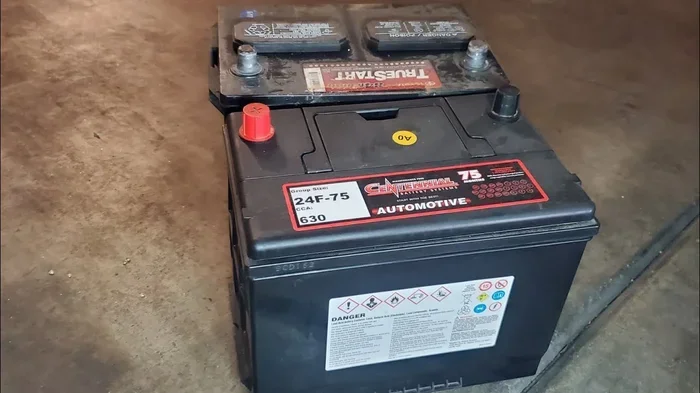
Not all batteries are the same. Check your Sienna owner’s manual for the correct battery size, cold cranking amps (CCA), and group size. Most Toyota Sienna models use a Group 24F or Group 35 battery, but the exact spec depends on the model year and engine type. Buying the right battery ensures a proper fit and reliable performance.
DIY or Professional Installation
Replacing a Toyota Sienna battery is a straightforward job that most people can do at home. You just need to disconnect the negative terminal first, then the positive terminal, remove the hold-down clamp, and swap in the new battery. Reverse the process to install the new one.
However, if you are not comfortable working under the hood, a mechanic or even a dealership can do it for you. Many tire shops and auto parts stores also offer free installation with your battery purchase. The Toyota Sienna battery replacement cost typically ranges from $150 to $300 for parts and labor, depending on the battery brand and where you go.
Reset Your Sienna After Replacement
After installing a new battery, some Toyota Sienna systems may need to be reset. The clock, radio presets, and power window auto-up/down settings might need to be reprogrammed. Check your owner’s manual for the reset procedure. Some owners also reset the tire pressure monitoring system and the maintenance reminder.
Dispose of the Old Battery Properly
Car batteries contain lead and sulfuric acid, which are hazardous materials. Do not throw your old battery in the trash. Most auto parts stores will accept your old battery for recycling when you buy a new one. Recycling is the responsible and legal way to handle used batteries.
How to Extend Your Toyota Sienna Battery Life
You cannot make a battery last forever, but you can take steps to get the most life out of it. Here are some practical tips to keep your Toyota Sienna battery healthy for as long as possible.
- Drive your Sienna regularly: Longer drives allow the alternator to fully recharge the battery. Take your minivan on a 30-minute drive at least once a week if it sits for long periods.
- Keep the terminals clean: Inspect the battery terminals every few months. Clean off any corrosion with a wire brush and a baking soda solution.
- Turn off accessories before shutting off the engine: This reduces the load on the battery when you start the engine next.
- Use a battery tender: If your Sienna sits in the garage for extended periods, a battery maintainer keeps the charge at optimal levels.
- Avoid extreme short trips: If possible, combine errands into longer trips to give the battery time to recharge.
- Check the charging system regularly: Have the alternator and voltage regulator tested during routine maintenance. A healthy charging system keeps the battery in good shape.
When to See a Professional
While many battery problems are easy to diagnose, some situations call for a professional mechanic. If you have tested your battery and the voltage reads low even after a full charge, there may be an underlying issue with the charging system. A professional can run a full parasitic draw test to check for electrical drains that are killing your battery overnight.
If your Toyota Sienna is a hybrid model and you are experiencing power loss or the hybrid system warning light is on, do not attempt to work on the high-voltage hybrid battery yourself. That requires trained technicians with specialized equipment. For the standard 12-volt battery, most homeowners can handle the replacement. For anything involving the hybrid system, leave it to the experts at a Toyota dealership or certified hybrid technician.
Also, if you notice your Sienna stalling, losing power while driving, or experiencing repeated electrical failures, get it checked right away. These symptoms could point to a failing alternator, a short circuit, or a more serious electrical problem that goes beyond just the battery.
Final Thoughts
Knowing how to tell if your Toyota Sienna battery is bad is one of the most valuable skills a Sienna owner can have. The signs are there, and they are usually obvious. Slow cranking, dim lights, dashboard warnings, and frequent jump starts all point to a battery that is on its last legs. Catching these signs early gives you time to act before you find yourself stranded in your own driveway or, worse, on the side of the road.
Keep track of your battery age, test it regularly, and do not ignore the warning signs. A timely Toyota Sienna battery replacement keeps your minivan running strong and protects all the electrical systems you rely on every day. Whether you handle the replacement yourself or have a professional do it, the peace of mind that comes with a fresh battery is well worth the effort.
Your Toyota Sienna is a dependable family hauler, but it can only be as reliable as the battery that powers it. Take care of the battery, and it will take care of you. Stay proactive, stay informed, and keep your Sienna ready for every road ahead.