Do Fords or Toyotas Last Longer Than the Competition
Do Fords or Toyotas Last Longer? The answer depends on several factors, but Toyota generally holds a slight edge in long-term reliability. Both brands produce vehicles that can easily surpass 200,000 miles with proper care. However, Toyota engines and powertrains tend to need fewer repairs over time, making them a top choice for drivers who want vehicle longevity without constant trips to the shop.
When you are shopping for a new or used vehicle, one question always comes up: Do Fords or Toyotas Last Longer? It is a simple question, but the answer is not always straightforward. Both brands have loyal fans, decades of history, and millions of vehicles on the road. Some drivers swear by their Ford trucks. Others will never own anything but a Toyota.
The truth is that both brands make vehicles that can last a very long time. But there are real differences in how they hold up over the years. Toyota durability has earned a reputation that is hard to beat. Ford vehicle dependability has improved a lot in recent years too. In this article, we break down the real numbers, owner experiences, and expert opinions so you can make a smart choice.
Whether you are looking at a daily driver sedan, a work truck, or a family SUV, long-term ownership costs and repair frequency matter a lot. We will look at engine reliability, common issues, maintenance costs, and real-world mileage data. By the end, you will have a clear picture of which brand better fits your needs.
Key Takeaways
- Toyota leads in long-term reliability: Toyota vehicles consistently rank higher in dependability surveys and require fewer major repairs over time.
- Ford builds strong trucks: The Ford F-150 and Ford Ranger are known for durability, especially when properly maintained.
- Maintenance costs matter: Toyota generally has lower repair frequency and cheaper long-term ownership costs compared to Ford.
- Resale value favors Toyota: Toyotas hold their value better, which matters when you plan to sell or trade in.
- Both brands can reach 200,000 miles: With regular maintenance, both Fords and Toyotas can last well beyond 200,000 miles.
- Your driving habits count: How you maintain and drive your vehicle matters just as much as the brand.
📑 Table of Contents
Why Vehicle Longevity Matters
Buying a car is a big investment. Most people spend between $25,000 and $50,000 or more. You want that money to last. A vehicle that falls apart after five years is a nightmare. But a car that keeps running strong for 15 or 20 years is a win.
Automotive longevity is about more than just mileage. It also means fewer surprises, lower car maintenance costs, and less time spent in the repair bay. A dependable truck lifespan or sedan lifespan saves you thousands of dollars over the life of the vehicle.
Think about it this way. If two cars cost the same upfront, but one needs $3,000 in repairs by year five while the other needs $800, which one makes more sense? That is exactly why vehicle longevity matters so much. It is not just about how many miles you can put on the odometer. It is about how smoothly and affordably those miles come.
The Financial Side of Longevity
Longer-lasting vehicles also have better resale value. A car that is known to last will always sell for more on the used market. Toyota vehicles are famous for this. A ten-year-old Toyota Camry still commands a strong price. Ford vehicles have improved here too, but Toyota still has the edge in most cases.
Also consider insurance and financing. A reliable vehicle may qualify for better rates in some cases. And if you plan to keep your car for a long time, you avoid the hassle and cost of buying a new one every few years.
Ford’s Track Record for Reliability
Ford has been making vehicles since 1903. That is over a century of experience. The brand has built some of the most popular trucks and SUVs in American history. The Ford F-150 alone has been the best-selling truck in the United States for decades. That kind of market success does not happen by accident.
Ford has made real strides in build quality over the past 15 years. Modern Ford vehicles are far more reliable than their counterparts from the 1990s and early 2000s. The company has invested heavily in engine reliability and powertrain durability. Today’s Ford engines are designed to handle tough workloads and high mileage.
Ford Models Known for Longevity
Some Ford models stand out when it comes to lasting a long time. Here are a few that owners and experts frequently praise:
- Ford F-150: This full-size truck is a legend. With proper care, many F-150s easily reach 250,000 to 300,000 miles. The 5.0-liter V8 and the EcoBoost V6 engines are particularly well-regarded for durability.
- Ford Ranger: The midsize Ranger has made a strong comeback. It offers solid truck lifespan and is a great option for those who want a capable workhorse without the size of a full-size truck.
- Ford Explorer: This three-row SUV has been a family favorite for years. Later models (2011 and newer) show improved Ford reliability and fewer common issues than earlier generations.
- Ford Mustang: The iconic sports car has a loyal following. With regular maintenance, a Mustang can last well into the 200,000-mile range.
What Owners Say About Ford Reliability
Ford owners often praise the toughness of their trucks and the value they get for the money. Many report that their F-150s and Rangers have handled heavy use without major problems. However, some owners do report issues with electronics, transmissions, and cooling systems in certain model years.
These issues are not unique to Ford. Every brand has its quirks. But they are worth knowing about before you buy. Reading consumer reports reliability ratings for specific model years can save you from buying a vehicle with known problems.
Toyota’s Reputation for Durability
When people talk about reliable cars, Toyota usually comes up first. And for good reason. Toyota has built its entire brand around dependability. The company’s motto, “Let’s Go Places,” is backed by decades of vehicles that just keep running.
Toyota’s Toyota durability reputation is well-earned. The company designs its vehicles with a focus on simplicity and proven technology. This approach means fewer things can go wrong. Toyota engines are known for running for hundreds of thousands of miles with basic maintenance.
What Makes Toyota Engines So Reliable
Toyota takes a very methodical approach to engine design. The company uses materials and engineering that prioritize long life over flashy performance. Here are a few reasons Toyota engines last so long:
- Over-engineered components: Toyota often uses parts that are stronger than necessary. This extra strength adds to the overall lifespan of the engine.
- Simple designs: Toyota tends to avoid overly complex systems. Simpler engines have fewer parts that can fail.
- Proven technology: Toyota rarely rushes new technology into production. They test everything thoroughly before it reaches the market.
- Excellent cooling systems: Toyota engines run cool, which reduces wear and tear over time.
Toyota Models That Keep Running
Several Toyota models have earned a reputation for incredible longevity:
- Toyota Camry: This midsize sedan is one of the most reliable cars ever made. Many Camrys reach 250,000 to 300,000 miles with basic maintenance. It is a top choice for long-term ownership.
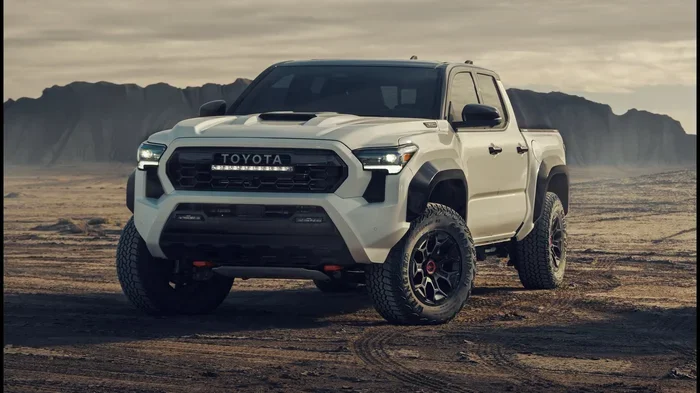
- Toyota Tacoma: The Tacoma is the best-selling midsize truck in America, and for good reason. These trucks are known for lasting well past 200,000 miles. The 3.5-liter V6 engine is particularly strong.
- Toyota Corolla: This compact car has been a global bestseller for decades. It is affordable, efficient, and remarkably durable.
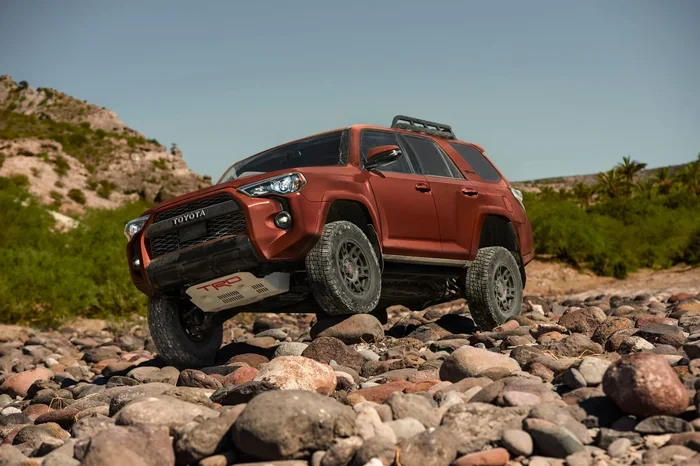
- Toyota 4Runner: This SUV is built like a tank. The 4Runner is famous for reaching 300,000 miles or more with proper care.
- Toyota Land Cruiser: This is the ultimate Toyota longevity story. Some Land Cruisers have been driven over 500,000 miles and are still going strong.
Head-to-Head: Do Fords or Toyotas Last Longer?
Now let us get to the heart of the question: Do Fords or Toyotas Last Longer Than the Competition? We put both brands side by side using real data, owner surveys, and expert analysis.
Reliability Ratings Compared
Independent reliability studies consistently show Toyota scoring higher than Ford. Organizations like Consumer Reports and J.D. Power rate Toyota vehicles higher in dependability. This does not mean Ford vehicles are bad. It just means Toyota has a slight advantage in long-term vehicle longevity.
| Category | Toyota | Ford |
|---|---|---|
| Consumer Reports Reliability Score (Avg.) | 4.0 / 5.0 | 3.5 / 5.0 |
| J.D. Power Dependability Rating | Higher than average | Average |
| Average Lifespan (with maintenance) | 250,000+ miles | 200,000+ miles |
| Major Repair Frequency (after 100k miles) | Lower | Moderate |
| Resale Value (5-year) | Strong | Moderate |
These numbers are averages across model lines. Individual vehicles can vary widely. A well-maintained Ford can easily outlast a neglected Toyota. And vice versa.
Real-World Mileage Comparisons
When you look at real-world examples, the picture becomes clearer. Toyota owners regularly report crossing the 250,000-mile mark without major engine or transmission work. Ford owners also achieve high mileage, but they tend to encounter more frequent repairs along the way, especially with electronics and optional features.
The Toyota Tacoma is a great example. Many owners report 250,000 to 300,000 miles with only routine maintenance. The Ford F-150 also lasts a long time, but owners sometimes report transmission issues or electrical gremlins after the 150,000-mile mark.
That said, newer Ford models have closed the gap significantly. The latest generation F-150s and Rangers show improved Ford reliability compared to older versions. Ford has been listening to owner feedback and making meaningful improvements.
Quick Tips for Maximizing Any Vehicle’s Lifespan
- Follow the maintenance schedule: Change your oil every 5,000 to 7,500 miles. Replace filters on time. Check fluid levels regularly.
- Address small problems early: A small noise today can become a big repair tomorrow. Do not ignore warning signs.
- Drive gently: Avoid hard acceleration and aggressive braking. Smooth driving reduces wear on all components.
- Keep it clean: Wash your vehicle regularly, especially in winter. Salt and road grime cause corrosion.
- Store properly: If you have a second vehicle, store it in a dry, covered area to prevent weather damage.
Maintenance Costs and Ownership Experience
Reliability is not just about how long a vehicle lasts. It is also about what you pay to keep it running. Car maintenance costs can vary significantly between brands, and this is an important factor to consider.
Which Brand Costs Less to Own?
Toyota generally has lower maintenance costs than Ford. This is partly because Toyota designs simpler systems that are easier and cheaper to repair. Toyota parts are also widely available and competitively priced.
Ford vehicles, especially trucks, can have higher maintenance costs as they age. Advanced features like turbochargers, electronic systems, and complex transmissions add to the repair bill. That does not mean Ford is expensive to maintain. It just means you should budget a little more for repairs on older models.
Here is a quick comparison of estimated annual maintenance costs:
- Toyota Camry: Around $400 to $500 per year for routine maintenance
- Toyota Tacoma: Around $450 to $550 per year
- Ford F-150: Around $500 to $700 per year
- Ford Ranger: Around $450 to $600 per year
These are rough estimates and can vary by model year and driving conditions. But they give you a good idea of what to expect.
Warranty and Coverage
Both Ford and Toyota offer solid warranty coverage. Toyota’s powertrain warranty is among the best in the industry. Ford also offers competitive warranties, especially on newer models. A strong warranty gives you peace of mind during the first few years of ownership, which is when most defects show up.
Extended warranties are another option worth considering. If you plan to keep your vehicle for a very long time, an extended warranty can save you from expensive surprises. Both brands have third-party warranty options available.
Which Brand Wins for Long-Term Ownership?
So, who comes out on top? If you are asking Do Fords or Toyotas Last Longer? the honest answer is that Toyota has a slight edge overall. Toyota vehicles tend to last longer, need fewer repairs, and hold their value better. This is especially true for sedans and SUVs.
But that does not mean Ford is a bad choice. Ford makes excellent trucks and SUVs that are built to work hard. If you need a tough work truck, a Ford F-150 or Ford Ranger is a great option. Just be prepared for slightly higher repair frequency as the vehicle ages.
Best for Trucks
If your main priority is a dependable truck, both brands deliver. The Toyota Tacoma is the king of long-lasting midsize trucks. The Ford F-150 is the best-selling full-size truck for a reason. Both are excellent choices. Your decision should come down to specific needs, budget, and personal preference.
Best for Sedans and SUVs
For sedans and family SUVs, Toyota has a clear advantage. The Toyota Camry and Toyota RAV4 are among the most reliable vehicles in their segments. Ford has improved its cars and SUVs, but Toyota still leads in dependability ratings.
At the end of the day, both brands make vehicles that can serve you well for many years. The key is to choose a model with a strong track record, maintain it properly, and drive it wisely. A well-cared-for Ford or Toyota will reward you with many years of dependable service.
So the next time someone asks you, Do Fords or Toyotas Last Longer Than the Competition? you can give them a confident answer. Toyota wins on pure longevity, but Ford holds its own, especially in the truck category. Both brands are excellent choices for drivers who value vehicle longevity and long-term ownership.
Take your time, do your research, and pick the vehicle that fits your life best. A car is more than just metal and rubber. It is a partner in your daily journey. Choose wisely, maintain well, and you will enjoy the ride for years to come.
Frequently Asked Questions
What is the average lifespan of a Ford vehicle?
With proper maintenance, most Ford vehicles last between 200,000 and 250,000 miles. Trucks like the Ford F-150 often reach even higher mileage. Regular oil changes, timely repairs, and gentle driving all contribute to a longer Ford reliability lifespan.
How many miles can a Toyota last?
Toyota vehicles are famous for their longevity. Many Toyotas, including the Toyota Camry and Toyota Tacoma, regularly surpass 250,000 miles. Some well-maintained models have even reached 300,000 miles or more. This is a big reason why Toyota durability is so highly regarded.
Which Ford models are most reliable?
The Ford F-150, Ford Ranger, and Ford Mustang are among the most reliable Ford models. Newer versions of these vehicles show improved build quality and fewer common issues. Always check consumer reports reliability ratings for the specific model year you are considering.
Are Toyota repairs expensive?
Toyota repairs are generally more affordable than most other brands. Parts are widely available, and the simpler designs of many Toyota models make repairs easier. Overall, car maintenance costs for Toyotas tend to be lower than for Fords, especially as the vehicle ages.
Is it better to buy a used Ford or Toyota?
Both brands offer great used vehicle options. Toyotas typically hold their value better and have lower repair frequency, making them a smart choice for used car buyers. However, used Ford vehicles can offer excellent value, especially if you find a well-maintained model with a clean history.
Do Fords or Toyotas have more common issues?
Ford vehicles tend to have slightly more issues over time, particularly with electronics and transmissions in older models. Toyota has fewer common issues overall, which contributes to its reputation for superior vehicle dependability. That said, both brands have improved significantly in recent years.