How Much Does Car Insurance Cost And What Affects Rates
Car insurance costs vary widely based on your age, location, driving history, and vehicle type. On average, full coverage car insurance runs about $1,500 to $2,000 per year, but your auto insurance premium could be much higher or lower depending on personal factors. Understanding what drives car insurance rates empowers you to find cheap car insurance and save money every month.
When you ask how much does car insurance cost, there is no one-size-fits-all answer. Every driver pays a different price based on many factors. Your age, where you live, your driving history, and the type of car you drive all play a role. Insurance companies use complex formulas to set your auto insurance premium. Understanding these factors can help you save money. In this guide, we break down everything you need to know about car insurance rates and what drives the price up or down.
Whether you are a new driver or have been on the road for years, knowing what affects your car insurance cost puts you in control. You will learn about different coverage types, see real numbers, and discover practical tips to lower your monthly car payment. Let us dive in and make sense of car insurance rates together.
Key Takeaways
- Average cost varies by driver: Your age, location, and driving record are the biggest factors that affect car insurance rates.
- Coverage type matters: Full coverage car insurance costs more than minimum car insurance, but offers better protection.
- Discounts can lower your premium: Safe driving, bundling policies, and good credit can all reduce your auto insurance premium.
- Shop around for quotes: Comparing car insurance quotes from multiple insurers helps you find the best price.
- Avoid common mistakes: Things like missing payments or filing small claims can raise your car insurance cost over time.
- Your vehicle choice counts: The type of car you drive directly impacts your car insurance rates.
📑 Table of Contents
How Much Does Car Insurance Cost on Average
The average car insurance cost in the United States is about $1,500 to $2,000 per year for full coverage. That works out to roughly $125 to $167 per month. But these numbers are just a starting point. Your personal car insurance rates could be far different based on your situation.
Here is a quick look at what different types of coverage typically cost:
- Liability-only coverage: Around $600 to $900 per year. This meets the minimum car insurance requirements in most states.
- Full coverage car insurance: Around $1,500 to $2,000 per year. This includes liability, collision, and comprehensive coverage.
- High-risk coverage: Can exceed $3,000 per year for drivers with accidents or violations on their record.
Your car insurance rates by state can vary a lot. For example, drivers in Michigan and Louisiana often pay the highest premiums, while drivers in Maine and Virginia tend to pay the lowest. This is because each state has different laws, crime rates, and weather risks that insurers consider.
Why Average Numbers Do Not Tell the Whole Story
The national average is useful for comparison, but it does not reflect your personal situation. Two drivers in the same city can pay very different prices. One might have a clean driving record and a safe vehicle, while the other has recent tickets or a high-risk car. These differences create wide gaps in what people actually pay for their auto insurance premium.
Quick Tip: Always get at least three car insurance quotes before choosing a policy. Rates can vary by hundreds of dollars even among top insurers. Use online comparison tools to save time and find the best deal.
Key Factors That Affect Car Insurance Rates
Insurance companies look at many factors when setting your price. These are called risk indicators. The more risk you represent, the higher your car insurance cost will be. Let us look at the most important factors.
Your Age and Driving Experience
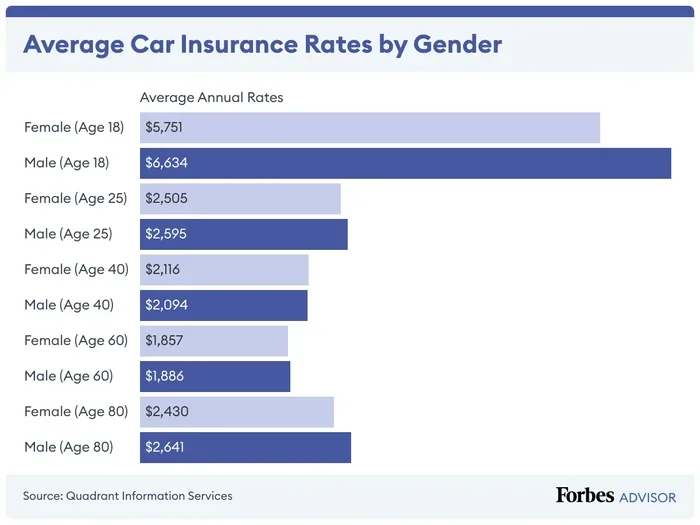
Age is one of the biggest factors that affect car insurance rates. Young drivers, especially those under 25, pay the highest premiums. This is because statistics show they are more likely to be in accidents. As you gain experience and get older, your rates typically drop. Drivers in their 40s and 50s often enjoy the lowest car insurance rates.
However, rates can go back up for older drivers, especially after age 70. This is because reaction times slow with age, and insurers adjust accordingly. The good news is that completing a defensive driving course can help offset this for senior drivers.
Your Driving Record
Your driving record plays a huge role in determining your premium. A clean record with no accidents or violations means lower rates. But even one DUI or at-fault accident can spike your auto insurance premium by 30% or more.
Here is how different driving issues can impact your rates:
- Speeding ticket: Can increase your premium by 10% to 25%.
- At-fault accident: Can increase your premium by 20% to 50%.
- DUI or DWI: Can increase your premium by 50% to 100% or more.
- Multiple violations: Can make you a high-risk driver with very high premiums.
The good news is that most violations drop off your record after three to five years. Once they are gone, your car insurance rates should improve.
Your Location
Where you live has a big impact on your car insurance cost. Urban areas with more traffic, theft, and vandalism tend to have higher premiums. Rural areas usually have lower rates. Even your zip code matters. Insiders look at local claim data to set prices for each area.
Factors in your location include:
- Population density and traffic congestion
- Crime rates, especially vehicle theft
- Weather risks like flooding or hail
- State laws and minimum coverage requirements
Your Vehicle Type
The type of car you drive affects your car insurance rates more than you might think. Insurers look at the vehicle’s safety ratings, repair costs, and theft risk. A family sedan with strong safety scores will usually cost less to insure than a sporty car that is popular with young drivers.
Expert Insight: According to industry data, vehicles with high safety ratings and anti-theft features tend to qualify for the best car insurance discounts. Before buying a car, check its insurance group rating to avoid surprises.
Your Credit Score
In most states, insurers use your insurance score, which is based on your credit history. A higher credit score generally leads to lower premiums. This is because studies show a correlation between credit health and claim frequency.
However, not all states allow this practice. California, Hawaii, and Massachusetts ban the use of credit in setting auto insurance premium rates. If you live in one of these states, your credit score will not affect your price.
Types of Car Insurance Coverage and Their Costs
Understanding the different types of car insurance coverage helps you make smart choices. Each type covers different situations, and the cost varies. Let us break down the main coverage options.
Liability Coverage
Liability coverage pays for damage you cause to other people or their property. It is the most basic type of car insurance coverage and is required by law in most states. This coverage is split into two parts:
- Bodily injury liability: Covers medical bills and lost wages for others if you cause an accident.
- Property damage liability: Covers repairs to other people’s vehicles or property.
Liability coverage is the cheapest part of your policy. It keeps your monthly car payment for insurance low while meeting legal requirements.
Collision Coverage
Collision coverage pays for damage to your own car after an accident, regardless of who is at fault. This coverage is optional but often required if you have a car loan or lease. It comes with a car insurance deductible, which is the amount you pay out of pocket before insurance kicks in.
Higher deductibles mean lower premiums. If you choose a $1,000 deductible instead of $500, you could save 15% to 30% on this part of your auto insurance premium.
Comprehensive Coverage
Comprehensive coverage protects your car from non-accident damage. This includes theft, vandalism, flooding, fire, and falling objects. It also covers damage from animals, like a deer collision. Like collision coverage, it comes with a deductible.
Comprehensive coverage is especially valuable if you live in an area with severe weather or high crime rates. It adds to your car insurance cost but provides peace of mind.
Full Coverage vs. Minimum Coverage
Many people wonder whether they should choose full coverage car insurance or just the minimum car insurance required by law. Here is a quick comparison:
| Feature | Minimum Coverage | Full Coverage |
|---|---|---|
| Liability Coverage | Yes | Yes |
| Collision Coverage | No | Yes |
| Comprehensive Coverage | No | Yes |
| Average Annual Cost | $600 – $900 | $1,500 – $2,000 |
| Best For | Older cars with low value | Newer cars or financed vehicles |
| Protects Your Car | No | Yes |
Full coverage costs more, but it protects your investment. If your car is worth less than about $3,000, minimum coverage might make more sense financially. Use the 10% rule: if your full coverage premium exceeds 10% of your car’s value, it may not be worth it.
How to Find Cheap Car Insurance Quotes
Finding cheap car insurance does not mean settling for less coverage. It means shopping smart and using every tool available. Here is how to get the best car insurance quotes without wasting time.
Step-by-Step Guide to Comparing Quotes
Follow these steps to compare car insurance rates and find the best deal:
- Gather your information: Have your driver’s license, vehicle details, and current policy ready.
- Use online comparison tools: Websites let you enter your details once and get quotes from multiple insurers.
- Compare coverage levels: Make sure you are comparing the same coverage types across quotes, not just prices.
- Check financial strength ratings: Choose insurers with strong financial ratings so they can pay claims reliably.
- Read reviews: Look at customer satisfaction scores for claims handling and customer service.
- Ask about discounts: Call or chat with agents to confirm you are getting every available car insurance discount.
Quick Tip: Re-shop your policy every year. Car insurance rates change frequently, and a competitor may offer a much better price for the same coverage. Setting a calendar reminder makes this easy.
Top Ways to Save on Your Premium
Most insurers offer car insurance discounts that can significantly lower your premium. Here are the most common ones:
- Safe driver discount: For drivers with no accidents or violations for three or more years.
- Bundling discount: When you combine car insurance with home or renters insurance from the same company.
- Good student discount: For students maintaining a B average or higher.
- Defensive driving course discount: Completing an approved course can lower your rates for three years.
- Low mileage discount: If you drive fewer than 7,500 miles per year, you may qualify.
- Paperless discount: Choosing electronic statements and payments can save a small amount.
- Loyalty discount: Some companies reward long-term customers with lower rates.
Expert Insight: Bundling your car insurance with home or renters insurance is one of the easiest ways to reduce your auto insurance premium. Most insurers offer 10% to 25% off when you combine policies. It is worth asking about even if you do not plan to switch companies.
Tips to Lower Your Auto Insurance Premium
Beyond shopping around and using discounts, there are many lifestyle choices that can lower your car insurance cost. Here are practical tips that really work.
Improve Your Credit Score
Since most insurers use your credit-based insurance score, improving your credit can directly lower your premiums. Pay your bills on time, reduce debt, and avoid opening new credit accounts right before shopping for insurance. Even a small credit score improvement can lead to meaningful savings on your car insurance rates.
Choose a Higher Deductible
Raising your deductible from $500 to $1,000 can reduce your premium by 15% to 30%. Just make sure you have enough savings to cover the deductible if you need to file a claim. This is a smart trade-off for many drivers looking to cut their monthly car payment for insurance.
Drive Less
If you can reduce your annual mileage, you may qualify for a low-mileage discount. Consider carpooling, using public transit, or working from home when possible. Some insurers offer pay-per-mile programs that charge you based on actual driving, which can be a great deal for low-mileage drivers.
Maintain Continuous Coverage
Letting your policy lapse, even for a short time, can raise your car insurance rates for years. Insurers view gaps in coverage as a red flag. If you cannot afford full coverage temporarily, at least maintain the minimum car insurance required by your state to keep your record clean.
Ask About Usage-Based Insurance
Many major insurers now offer usage-based or telematics programs. These programs track your driving habits through a mobile app or device. Safe drivers who avoid hard braking, speeding, and late-night driving can earn significant discounts. This is one of the best ways to get cheap car insurance if you are a careful driver.
Common Mistake: Do not lie about your annual mileage or driving habits to get a lower quote. If the insurer discovers the truth, they can cancel your policy or deny claims. Always be honest when applying for car insurance coverage.
Common Mistakes That Increase Your Car Insurance Cost
Some habits and choices quietly drive up your car insurance rates. Avoiding these mistakes can save you hundreds of dollars every year.
Shopping for Insurance Only at Renewal Time
Many drivers only compare prices when their policy renews. But rates change constantly, and new customers often get better deals than loyal ones. Shopping around at any time of year can lead to significant savings on your auto insurance premium.
Dropping Coverage You Need
Some drivers cut costs by removing important coverage. This can be a costly mistake. If you cause a serious accident without enough coverage, you could face lawsuits and out-of-pocket expenses that dwarf any premium savings. Make sure your car insurance coverage matches your financial risk.
Not Reporting Life Changes
Did you move? Get married? Change jobs? These life changes can affect your car insurance cost. Moving to a safer neighborhood or getting married can actually lower your rates. Always update your insurer about changes so you get the best price.
Ignoring Available Discounts
Many drivers leave money on the table by not asking about discounts. You might qualify for discounts you did not even know existed. Call your insurer or agent and ask, “What car insurance discounts am I eligible for?” This simple question can lead to real savings.
Choosing the Wrong Deductible
Setting your deductible too low means paying higher premiums every month. But setting it too high means you cannot afford to file a claim when you need to. Find the right balance based on your savings and budget. A $500 or $1,000 deductible is usually the sweet spot for most drivers.
Quick Tip: Keep a spreadsheet of your current coverages, deductibles, and discounts. Review it every six months. This simple habit helps you spot savings opportunities and avoid coverage gaps.
The Future of Car Insurance Pricing
The insurance industry is changing fast. Telematics, AI-driven underwriting, and real-time data are reshaping how insurers set car insurance rates. In the near future, more drivers may pay based on how they actually drive, not just who they are. This shift could make car insurance cost more fair and personalized for everyone.
Expert Insight: Industry experts predict that usage-based programs will become the norm within the next decade. Drivers who maintain safe habits will see the biggest benefits, while high-risk drivers may face higher prices. Staying informed about these changes helps you make the best decisions for your car insurance coverage.
Conclusion
How much does car insurance cost? The answer depends on many factors, but knowledge is your greatest tool for saving money. Your age, driving record, location, vehicle type, and credit score all shape your auto insurance premium. By understanding these factors, you can take control of your car insurance rates and find cheap car insurance that fits your needs.
Remember to compare quotes every year, take advantage of every discount, and choose the right coverage for your situation. Avoid common mistakes like dropping too much coverage or letting your policy lapse. Small changes in how you manage your policy can lead to big savings over time.
Start today. Get your car insurance quotes, review your current policy, and make sure you are getting the best value. Your future self will thank you for the money you save on car insurance cost every month.
Frequently Asked Questions
What is the average cost of car insurance per month?
The average driver pays about $125 to $167 per month for full coverage car insurance. But your personal auto insurance premium could be higher or lower depending on your age, location, driving record, and vehicle type. Getting personalized quotes is the best way to know your exact rate.
How can I lower my car insurance rates?
You can lower your car insurance rates by shopping around for quotes, bundling policies, raising your deductible, maintaining a clean driving record, and taking advantage of available discounts. Improving your credit score and reducing your annual mileage also help reduce your car insurance cost over time.
Does car insurance cost more for young drivers?
Yes, young drivers typically pay the highest car insurance rates because they have less experience on the road. Drivers under 25 can expect to pay significantly more than older, experienced drivers. Taking a defensive driving course and maintaining good grades can help young drivers qualify for car insurance discounts.
What is the difference between full coverage and minimum car insurance?
Minimum car insurance usually means liability coverage only, which is required by law in most states. Full coverage car insurance includes liability, collision, and comprehensive coverage, which protects your own vehicle as well. Full coverage costs more but provides much better financial protection after an accident.
Does your credit score affect car insurance cost?
In most states, yes. Insurers use your credit-based insurance score to help set your auto insurance premium. A higher credit score generally leads to lower rates. However, California, Hawaii, and Massachusetts do not allow credit-based pricing for car insurance.
How often should you shop for new car insurance quotes?
You should shop for new car insurance quotes at least once a year, ideally before your policy renewal. Car insurance rates change frequently, and competitors may offer better prices. Setting a reminder to compare quotes every six to twelve months helps ensure you always get the best deal.