How Long Is Car Paint Covered Under Warranty Period
Car paint is typically covered under warranty for 3 to 5 years, depending on the manufacturer and the type of warranty. The factory paint warranty protects against defects like peeling, bubbling, and corrosion, but it does not cover damage from accidents, weather, or poor maintenance. Understanding your specific paint warranty terms can save you hundreds of dollars in unexpected repair costs.
Have you ever noticed a tiny chip on your car’s paint and wondered, “Is this covered?” It is a question many car owners ask, especially in the first few years of ownership. The truth is, how long car paint is covered under warranty period depends on several factors. These include your manufacturer, the type of vehicle, and the specific warranty plan you purchased.
Understanding your car paint warranty is more important than most people realize. Paint defects can develop over time due to factory issues, not just wear and tear. When you know what is covered, you can avoid paying out of pocket for repairs that should be handled by the manufacturer. This guide breaks down everything you need to know about paint warranty coverage, from factory guarantees to aftermarket jobs.
Let us walk through the details together. By the end, you will feel confident about your rights and know exactly what to do if something goes wrong with your vehicle’s finish.
Key Takeaways
- Standard factory paint warranty usually lasts between 3 and 5 years, covering manufacturing defects in the paint job.
- Aftermarket paint jobs often come with their own limited warranty, typically ranging from 1 to 3 years depending on the shop.
- Paint defects like peeling, bubbling, and corrosion are generally covered, but damage from chips, scratches, and environmental wear is not.
- Filing a paint warranty claim requires documentation, photos, and a visit to an authorized dealer or service center.
- Regular car maintenance such as washing, waxing, and clear coat protection can extend the life of your paint beyond the warranty period.
- Bumper-to-bumper warranties may include paint coverage, but it is important to read the fine print and understand exclusions.
- Rust protection and primer quality play a major role in how long your car’s paint stays intact and defect-free.
📑 Table of Contents
- What Does Car Paint Warranty Actually Cover?
- Factory Paint Warranty vs. Aftermarket Paint Job
- Common Paint Defects That Are Covered
- How to File a Paint Warranty Claim
- Tips to Protect Your Car’s Paint and Extend Its Life
- When Paint Warranty Does Not Apply
- How Long Does Paint Protection Really Last?
- Key Takeaways for Car Owners
What Does Car Paint Warranty Actually Cover?
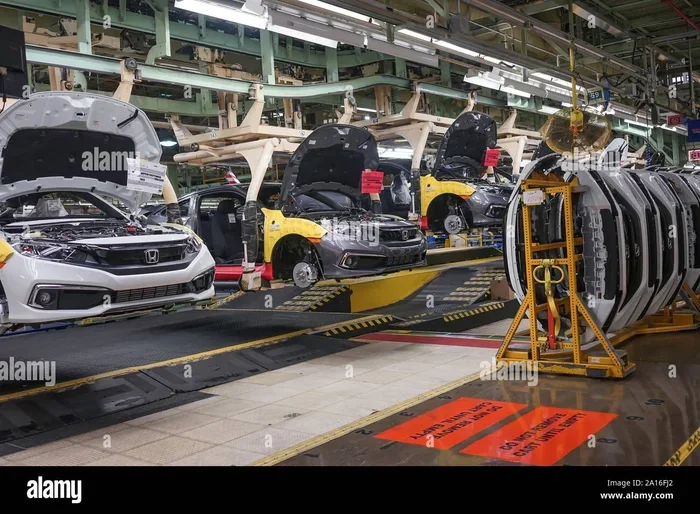
A factory paint warranty is designed to protect you against manufacturing flaws. These are issues that were present when the car left the assembly plant. They are not caused by you, the owner, or normal daily use.
What Is Typically Covered
Most manufacturers cover the following paint defects under their standard warranty:
- Paint peeling that occurs without any visible impact or damage.
- Paint bubbling beneath the clear coat or primer layer.
- Paint corrosion that develops due to a failure in the factory coating process.
- Color fading that happens unevenly or prematurely compared to normal aging.
- Adhesion failure where the paint layers separate from the primer or body panel.
These issues point to a problem with the materials or the application process at the factory. They are not the result of road debris, parking lot dings, or environmental exposure. That is a key distinction to understand.
What Is Not Covered
On the other side, most auto paint warranty policies exclude the following:
- Chips and scratches from road debris or parking incidents.
- Damage caused by bird droppings, tree sap, or acid rain.
- Fading or discoloration from prolonged sun exposure.
- Scratches from car washes, keys, or accidental contact.
- Damage from accidents, collisions, or vandalism.
The line between a defect and damage can sometimes feel blurry. If you are unsure, it is always worth contacting your dealer. They can assess whether the issue falls under paint warranty terms or if it is considered normal wear and tear.
Factory Paint Warranty vs. Aftermarket Paint Job
Not all paint coverage is the same. There is a big difference between the factory paint warranty that comes with your new car and the warranty offered on an aftermarket paint job. Let us look at both.
Factory Paint Warranty Details
When you buy a new car, the manufacturer warranty typically includes coverage for the paint. Most brands offer a clear coat warranty that lasts between 3 and 5 years. Some premium brands extend this to 7 or even 10 years. For example:
- Toyota offers a 3-year paint warranty against defects.
- BMW provides up to 12 years of anti-perforation coverage for rust and paint issues.
- Ford includes a 3-year limited warranty on paint materials and workmanship.
- Mercedes-Benz offers a 12-year anti-perforation guarantee.
The bumper-to-bumper warranty often includes paint coverage during the first 3 years or 36,000 miles. After that, the powertrain warranty may still apply, but paint coverage usually ends. Always check your owner’s manual for the exact details.
Aftermarket Paint Job Warranty
If you get a repaint or a car paint repair at a third-party shop, the warranty is entirely different. An aftermarket paint job typically comes with a limited warranty from the shop itself. This usually lasts 1 to 3 years. The coverage depends on the quality of the work and the products used.
Here are some things to keep in mind about aftermarket paint warranty:
- The shop may only cover peeling or bubbling, not color matching issues.
- Warranties often exclude damage from weather, chemicals, or improper care.
- Some shops offer a lifetime warranty on labor but not on the paint materials.
- The warranty is only valid at the specific shop that performed the work.
Before getting any aftermarket paint job, ask the shop directly about their warranty. Get it in writing. This protects you if something goes wrong months down the road.
Common Paint Defects That Are Covered
Not every paint issue qualifies for warranty coverage. The defect must be a result of a manufacturing flaw. Here are the most common paint defects that fall under warranty protection.
Paint Peeling
Paint peeling is one of the most common reasons owners file a paint warranty claim. It happens when the paint layers start to lift away from the surface. This is almost always a factory defect. It occurs when the primer, base coat, or clear coat does not bond properly during production.
If you notice peeling on your vehicle, take clear photos and document the location. Visit your authorized dealer as soon as possible. The earlier you act, the better your chances of a smooth claim process.
Paint Bubbling
Paint bubbling occurs when moisture gets trapped beneath the paint layers. Small blisters form on the surface. While this can sometimes be caused by moisture exposure, widespread bubbling across multiple panels is usually a factory issue. It indicates a flaw in the primer warranty or the application process.
Rust and Corrosion
Rust protection is a critical part of your vehicle’s paint system. When the factory coating fails, moisture reaches the metal underneath. This causes paint corrosion and rust spots. Many manufacturers offer a separate anti-perforation warranty that covers rust-related damage for up to 12 years. This is especially important in regions with harsh winters or salted roads.
Uneven Color or Texture
Sometimes the paint application itself is flawed. You might notice uneven color, orange peel texture, or swirl marks that were present from the factory. These are clear signs of a manufacturing defect. They should be covered under your vehicle warranty at no cost to you.
How to File a Paint Warranty Claim
Filing a paint warranty claim does not have to be complicated. But you do need to follow the right steps to ensure your claim is accepted. Here is a simple guide to walk you through the process.
Step 1: Document the Issue
Before you do anything else, take clear, well-lit photos of the affected areas. Capture close-ups of the peeling, bubbling, or corrosion. Also take wider shots that show the location on the vehicle. This documentation is essential for your claim.
Step 2: Review Your Warranty Documents
Grab your owner’s manual and any warranty booklets that came with the car. Look for the section on paint warranty terms. Note the coverage period, what is included, and any exclusions. This will help you set realistic expectations before you visit the dealer.
Step 3: Visit an Authorized Dealer
Take your vehicle to an authorized dealership or service center. Explain the issue clearly and show them the photos you took. The service advisor will inspect the paint and determine whether it qualifies as a defect. If they agree, they will initiate the paint warranty claim process.
Step 4: Follow Up
Keep records of every interaction. Note the date, the name of the advisor, and any reference numbers they give you. If the claim is denied, you have the right to ask for a written explanation. You can also escalate the issue to the manufacturer’s customer service line.
Quick Tip: Always stay polite but firm. Dealers handle hundreds of claims, and being organized and respectful goes a long way in getting your issue resolved quickly.
Tips to Protect Your Car’s Paint and Extend Its Life
Even with a solid car paint warranty, prevention is always better than repair. Taking care of your vehicle’s finish can keep it looking great long after the warranty period ends. Here are some practical steps you can take today.
Wash Your Car Regularly
Dirt, bird droppings, and tree sap can eat into your paint over time. Wash your car at least once every two weeks. Use a gentle car wash soap and a soft microfiber mitt. Avoid household detergents, as they can strip away the protective layers.
Wax and Sealant
Applying a quality car wax or paint sealant every 2 to 3 months adds an extra layer of protection. It shields the paint from UV rays, acid rain, and minor scratches. This simple step can dramatically extend the life of your finish.
Park in the Shade
Prolonged sun exposure is one of the biggest enemies of car paint. UV rays cause fading and oxidation over time. Whenever possible, park in a garage or under a shade tree. A car cover is also a great investment if you do not have covered parking.
Address Chips and Scratches Immediately
Even small chips can lead to rust and corrosion if left untreated. Keep touch-up paint from your dealer in the glove box. When you notice a chip, clean the area and apply the touch-up paint right away. This prevents moisture from reaching the bare metal.
Use Ceramic Coating
For long-term car paint protection, consider a ceramic coating. This professional-grade treatment bonds to the paint surface and creates a hydrophobic barrier. It repels water, dirt, and chemicals. A quality ceramic coating can last 2 to 5 years with proper maintenance.
Quick Tip: Ceramic coating is not a substitute for warranty. It is an investment in your car’s long-term appearance. Think of it as an extra layer of defense that complements your factory protection.
When Paint Warranty Does Not Apply
It is equally important to understand when your car paint warranty will not cover a repair. Knowing the exclusions helps you avoid surprises and plan for maintenance costs accordingly.
Damage from Accidents
If your car is involved in a collision, the resulting paint damage is not covered under a factory warranty. This includes dents, scratches, and paint chips caused by the impact. Collision coverage falls under your auto insurance policy, not the manufacturer’s warranty.
Environmental and Wear Damage
Normal exposure to the elements is not considered a defect. Sun fading, water spots, oxidation, and minor swirl marks are all expected over time. These fall under the category of normal wear and tear. They are not the responsibility of the manufacturer.
Improper Maintenance
If you neglect basic car maintenance, the manufacturer may deny your claim. For example, if you never wash your car and salt buildup causes corrosion, they may argue that the damage was preventable. Keeping up with regular care strengthens your position if a claim ever becomes necessary.
Aftermarket Modifications
Any paint work done outside of the manufacturer’s network may void certain warranty protections. If you get a custom aftermarket paint job and it causes issues with the original factory paint, the dealer may refuse to cover the related repairs.
Common Mistake: Many car owners assume that because they have a warranty, every paint issue will be covered. This is not the case. Understanding the limits of your coverage saves time, frustration, and money.
How Long Does Paint Protection Really Last?
The paint warranty period is just the beginning. With proper care, a quality factory paint job can last 10 to 15 years or more before it needs a full repaint. The clear coat is the first line of defense, and it typically holds up well for the first 5 to 7 years.
After that, you may notice gradual dulling or minor fading. This is normal and expected. It does not necessarily indicate a defect. Regular maintenance, protective coatings, and prompt attention to chips and scratches can keep your paint looking vibrant for well over a decade.
Some car enthusiasts invest in paint protection film or PPF. This clear, durable film is applied to the most vulnerable areas of the vehicle, such as the hood, front bumper, and side mirrors. PPF absorbs impacts from road debris and prevents chips. It is an excellent way to preserve the factory paint beyond the warranty period.
Another option is paint correction, a professional detailing process that removes minor swirl marks, scratches, and oxidation. This restores the paint to its original clarity and depth. It is a great way to refresh your vehicle’s appearance without a full repaint.
Key Takeaways for Car Owners
Let us quickly recap the most important points about how long car paint is covered under warranty period:
- Factory paint warranty typically covers defects for 3 to 5 years, with some brands extending to 12 years for anti-perforation.
- Paint defects like peeling, bubbling, and corrosion are covered. Damage from accidents, weather, and wear is not.
- Always document issues with photos and visit an authorized dealer to file a paint warranty claim.
- Aftermarket paint jobs come with separate warranties from the shop, usually lasting 1 to 3 years.
- Regular washing, waxing, and protective coatings can extend the life of your paint far beyond the warranty period.
- Read your warranty documents carefully to understand exactly what is and is not covered.
Taking a proactive approach to car paint protection pays off in the long run. You preserve your vehicle’s value, appearance, and structural integrity. The small effort you put into maintenance today prevents costly repairs tomorrow.
Remember, your car paint warranty is a valuable benefit that comes with your vehicle. Use it wisely, understand its limits, and do not hesitate to reach out to your dealer if you notice any potential defects. A well-informed owner is the best defense against unexpected repair costs.
Your car’s paint is more than just a cosmetic feature. It is a protective barrier that shields the metal body from the elements. Treat it well, and it will serve you faithfully for many years to come. Now that you know exactly how long car paint is covered under warranty period, you can drive with confidence and take charge of your vehicle’s long-term care.
Frequently Asked Questions
How long does factory car paint warranty last?
Most manufacturers cover factory paint defects for 3 to 5 years. Some brands, like BMW and Mercedes-Benz, offer anti-perforation coverage for up to 12 years. Check your specific owner’s manual for the exact warranty period and terms.
Is paint bubbling covered under car warranty?
Yes, paint bubbling caused by a factory defect is generally covered under the manufacturer’s paint warranty. However, bubbling caused by moisture exposure, accidents, or improper aftermarket work may not be covered. The dealer will inspect the vehicle to determine the cause.
Can I get my car repainted under warranty?
If the repaint is needed due to a covered paint defect, yes. The manufacturer will typically handle the repair at an authorized dealership. If the repaint is needed due to damage from an accident or wear and tear, it would not be covered under the factory warranty.
Does car wax void the paint warranty?
No, using car wax or sealant does not void your paint warranty. In fact, regular waxing is encouraged as it helps protect the paint. Just avoid abrasive or harsh chemical products that could damage the clear coat, as improper care could affect a claim.
What should I do if my paint warranty claim is denied?
If your claim is denied, ask the dealer for a written explanation of the reason. You can then contact the manufacturer’s customer service to file a formal appeal. Keep all documentation, photos, and records of your interactions to strengthen your case.
Are aftermarket paint jobs covered by the manufacturer’s warranty?
No, aftermarket paint jobs are not covered by the manufacturer’s factory warranty. The shop that performed the work typically provides its own limited warranty, which usually lasts 1 to 3 years. Always get the warranty details in writing before having any paint work done.