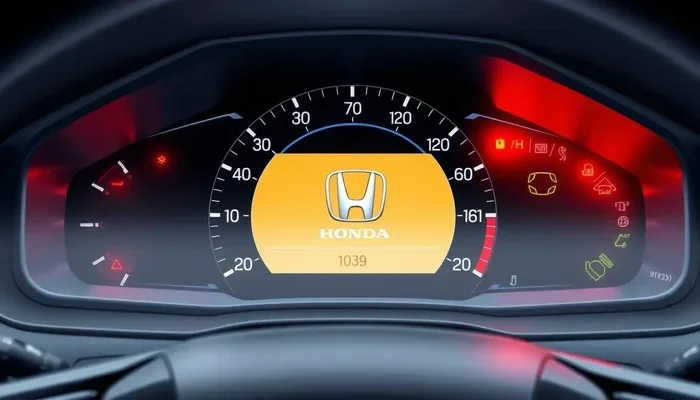
Honda Accord Wont Start but Has Power: Top Causes and Fixes
When your Honda Accord won’t start but has power, it can be frustrating and confusing. The dashboard lights work, the radio turns on, but the engine refuses to crank. This common problem usually points to a few key culprits like a weak battery, bad starter motor, faulty ignition switch, or a failed fuel pump. Understanding the root cause saves time and money. This guide walks you through every likely reason and gives you clear, actionable fixes to get your Honda Accord back on the road.
You hop into your Honda Accord, turn the key or press the start button, and… nothing happens. No cranking. No engine roar. Just silence.
But here’s the weird part. The dashboard lights are on. The radio works. Your lights still shine bright. So how can your Honda Accord won’t start but has power?
This is one of the most common car troubles drivers face, and it happens more often than you might think. The good news is that you don’t need to be a mechanic to understand what’s going on. You also don’t need to panic or call a tow truck right away. Most of the time, the fix is simpler than you expect.
In this guide, we will walk you through every possible reason your Honda Accord won’t start even though it has electrical power. We will cover everything from battery problems to fuel pump failures. We will also give you step-by-step fixes you can try yourself. Whether you drive a 2008 Accord or a 2023 model, this article has you covered.
Let’s get into it. Your Honda Accord is trying to tell you something, and we are going to help you listen.
Key Takeaways
- Battery issues are the #1 cause: Even with dashboard power, a low-voltage battery can prevent cranking.
- Starter motor failure is common: A worn or faulty starter won’t engage even when you turn the key.
- Ignition switch problems hide in plain sight: A worn switch can send power to accessories but not the starter circuit.
- Fuel pump failure leaves you stranded: Your engine has spark and fuel needs, and a dead pump kills one side of that equation.
- Immobilizer and key fob issues are often overlooked: A weak fob battery or anti-theft lockout can block startup completely.
- Neutral safety switch faults affect automatic models: The car thinks it’s in gear and refuses to start.
- DIY fixes save hundreds of dollars: Many of these problems can be diagnosed and solved at home with basic tools.
📑 Table of Contents
- What Does “Honda Accord Won’t Start but Has Power” Actually Mean?
- Top Causes Why Your Honda Accord Won’t Start but Has Power
- How to Diagnose the Exact Cause of Your Honda Accord Won’t Start Issue
- Comparison Table: Common Honda Accord Won’t Start Causes
- Common Mistakes People Make When Their Honda Accord Won’t Start
- Expert Tips to Prevent Honda Accord Starting Problems
- When to Call a Professional Mechanic
- Final Thoughts
What Does “Honda Accord Won’t Start but Has Power” Actually Mean?
Before we dive into causes, let’s clarify what this problem really means. When we say your Honda Accord has power, we mean the electrical systems are working. The dashboard lights up. The radio plays. The headlights shine. But when you turn the key or push the start button, the engine does not crank.
In a healthy car, turning the key sends a signal from the ignition to the starter motor. The starter motor spins the engine. The engine then fires up and runs on its own. When this process breaks down somewhere in the chain, you get the “has power but won’t start” symptom.
This is different from a completely dead battery situation. In a dead battery scenario, nothing works at all. No lights. No radio. No dashboard. When your Honda Accord won’t start but has power, the electrical system is alive. The problem lies somewhere in the starting or fuel delivery system.
Understanding this distinction is important. It helps you narrow down the cause quickly. It also prevents you from replacing parts you don’t actually need.
Top Causes Why Your Honda Accord Won’t Start but Has Power
1. Weak or Failing Battery
This is the number one reason people experience Honda Accord won’t start but has power issues. Here is the thing people don’t realize. Your battery can have enough charge to run the lights and radio but not enough to crank the engine.
Starting your car takes a huge burst of energy. We are talking about 100 to 200 amps in a fraction of a second. A battery that reads 12.4 volts on a multimeter might light up your dashboard but cannot deliver the punch needed to turn over the engine.
Common signs of a weak battery include:
- Slow or no crank when you turn the key
- Dashboard lights are dimmer than usual
- Electrical accessories work but the engine won’t fire
- Battery is more than three to five years old
- You left lights on or accessories plugged in overnight
Cold weather makes this problem worse. Batteries lose strength in low temperatures. If you live in a colder climate, this is a very likely culprit.
Quick fix: Try jump-starting your Honda Accord with jumper cables or a portable jump starter. If the car starts and runs fine, your battery is the problem. Replace it soon. If the car still won’t crank even after a jump, move on to the next cause.
2. Bad Starter Motor
The starter motor is the electric motor that physically cranks your engine. When you turn the key, the starter engages with the flywheel and spins the engine. If the starter motor fails, your Honda Accord won’t start but has power because the electrical system is fine but the mechanical starting process is broken.
Starter motors wear out over time. They typically last between 100,000 and 150,000 miles. But they can fail earlier due to moisture, corrosion, or electrical issues.
Watch for these warning signs of a failing starter:
- A single click or repeated clicking when you turn the key
- No sound at all when you try to start the car
- grinding noise coming from the engine area
- Starter works intermittently, then fails completely
A bad starter motor is not a DIY fix for most people. It requires lifting the car or accessing the starter from underneath. However, knowing this is the cause saves you time at the auto parts store. You can skip the battery tests and go straight to the starter.
3. Faulty Ignition Switch
The ignition switch is the mechanical switch your key turns or the electronic component in push-button start models. It controls the flow of electricity to different systems. When it wears out, it might send power to the accessories but fail to send power to the starter circuit.
This is a sneaky problem. Your Honda Accord won’t start but has power because the ignition switch is partially working. The radio and lights get power. But the starter signal never gets sent.
Older Honda Accords with traditional keys are more prone to ignition switch wear. The keyhole becomes loose over years of use. The internal contacts degrade.
Signs of a faulty ignition switch include:
- Key turns but nothing happens
- You need to wiggle the key to get a response
- The car starts sometimes and not other times
- Accessories work in the “on” position but not in the “start” position
If you suspect the ignition switch, try wiggling the key gently while turning it to the start position. If the car starts intermittently with this trick, the ignition switch is likely your problem.
4. Fuel Pump Failure
Your Honda Accord needs three things to start. Spark, fuel, and compression. If the fuel pump fails, the engine has spark and compression but no fuel. The result? Your Honda Accord won’t start but has power.
The fuel pump sits inside the gas tank and pushes fuel to the engine. When it dies, the engine cranks but never fires. In some cases, you might not even hear the fuel pump hum when you turn the key to the “on” position.
Common causes of fuel pump failure include:
- Running the tank too low too often
- Contaminated fuel or debris in the tank
- Normal wear and tear after 100,000+ miles
- Electrical issues in the fuel pump circuit
Before assuming the fuel pump is dead, check the fuel pump relay and fuse first. A blown fuse or bad relay can mimic fuel pump failure. This is an easy and free check that saves you from replacing an expensive part unnecessarily.
Quick tip: Turn your key to the “on” position without starting the engine. Listen near the rear seat or fuel tank area. You should hear a faint hum or buzz for about two seconds. No sound? Your fuel pump might be the issue.
5. Immobilizer or Key Fob Problems
Modern Honda Accords come with anti-theft immobilizer systems. These systems verify that your key or key fob is authorized before allowing the engine to start. If the system doesn’t recognize your key, your Honda Accord won’t start but has power.
This happens more often than you might think. A weak key fob battery is the most common cause. The car’s electrical system works fine. But the immobilizer doesn’t get the signal it needs from the fob.
Signs of immobilizer issues include:
- Security light flashes on the dashboard
- Key fob battery is low or dead
- The car starts sometimes but not always
- Push-button start models fail to recognize the fob
Try replacing the key fob battery first. It’s a CR2032 coin battery in most Honda models and costs just a few dollars. If that doesn’t work, try holding the fob directly against the start button. Some Honda models have a backup reading antenna that works this way.
6. Neutral Safety Switch Failure
If your Honda Accord is an automatic transmission model, it has a neutral safety switch. This switch prevents the car from starting unless the transmission is in Park or Neutral. When this switch fails, your Honda Accord won’t start but has power.
The switch can fail in two ways. It might prevent starting in all gears. Or it might only prevent starting in Park but allow starting in Neutral. Both are signs of a bad neutral safety switch.
Try this simple test. Shift your gear selector to Neutral and try starting the car. If it starts in Neutral but not in Park, the neutral safety switch is your culprit.
Replacing a neutral safety switch is relatively affordable. The part itself costs between $30 and $80. Labor is straightforward if you are comfortable working under the car.
7. Faulty Starter Relay or Fuse
Sometimes the problem is not the starter motor itself but the electrical components that control it. The starter relay sends power to the starter motor when you turn the key. If the relay fails, the signal never reaches the starter.
Similarly, a blown fuse in the starter circuit can cause the same symptom. Your Honda Accord won’t start but has power because a small fuse or relay broke the connection.
Check your fuse box first. Look for the starter relay and starter fuse in your owner’s manual. A blown fuse is easy to spot. The metal strip inside is broken. Replacing it costs pennies.
If the fuse is fine, swap the starter relay with a similar relay in the fuse box. If the car starts after the swap, you found your problem. Relay replacements are inexpensive and easy.
How to Diagnose the Exact Cause of Your Honda Accord Won’t Start Issue
Now that you know the top causes, let’s talk about how to pinpoint the exact problem. Diagnosing correctly saves you money and frustration.
Start with the simplest checks first. Work your way through this diagnostic checklist in order.
Step 1: Check the dashboard warning lights. When you turn the key to “on,” do you see the check engine light? Do you see the security light flashing? These lights give you clues.
Step 2: Listen carefully when you turn the key. Do you hear a single click? Repeated clicking? Silence? Each sound points to a different cause. A single click often means the starter is trying to engage but failing. Silence often points to a relay, fuse, or ignition switch issue.
Step 3: Test the battery voltage. Use a multimeter to check the battery. A healthy battery should read 12.6 volts or higher. Anything below 12.2 volts is weak and might not crank the engine.
Step 4: Check the fuel pump hum. Turn the key to “on” without starting. Listen for the fuel pump prime. No sound? Check the fuel pump relay and fuse first.
Step 5: Inspect the key fob battery. If you have a push-button start model, replace the fob battery. This is the cheapest and easiest fix.
Step 6: Try starting in Neutral. Shift to Neutral and attempt to start. If it works, your neutral safety switch needs replacement.
Following this checklist systematically helps you eliminate causes one by one. You will find the problem faster and avoid unnecessary part replacements.
Comparison Table: Common Honda Accord Won’t Start Causes
| Cause | Symptom | Repair Cost | DIY Difficulty |
|---|---|---|---|
| Weak Battery | Slow or no crank, lights work | $80 – $150 | Easy |
| Bad Starter Motor | Clicking or no sound at all | $300 – $500 | Moderate |
| Faulty Ignition Switch | Key turns but no start | $100 – $250 | Moderate |
| Fuel Pump Failure | Crank but no fire, no hum | $400 – $800 | Difficult |
| Immobilizer / Key Fob | Security light flashes | $5 – $50 | Very Easy |
| Neutral Safety Switch | Starts in Neutral only | $50 – $150 | Easy |
| Starter Relay / Fuse | Complete silence when turning key | $5 – $30 | Very Easy |
This table gives you a quick reference guide. Costs vary by model year and location. Labor rates in your area will affect the final price. Always get a quote before committing to a repair.
Common Mistakes People Make When Their Honda Accord Won’t Start
When your car won’t start, panic sets in. People make mistakes that make the problem worse or waste money on unnecessary repairs. Here are the most common errors.
Mistake 1: Assuming it is always the battery. Yes, the battery is the most common cause. But if you jump-start the car and it still won’t crank, the battery is not the problem. Keep diagnosing.
Mistake 2: Ignoring the key fob battery. Push-button start Honda owners often overlook the fob battery. A dead fob battery completely mimics a dead battery in the car. Replace the fob battery first. It costs almost nothing.
Mistake 3: Not checking the simplest things first. Before you replace expensive parts, check the fuses and relays. A $2 fuse could be the reason your Honda Accord won’t start but has power.
Mistake 4: Pouring fuel cleaner into a dead fuel pump. Fuel system cleaners help with clogged injectors. They do not fix a dead fuel pump. If the pump has failed, no additive will bring it back to life.
Mistake 5: Tapping the starter with a hammer. Some people recommend this old trick. It might work temporarily on a stuck starter. But it can also damage the flywheel or break the starter apart. Skip this method.
Avoid these mistakes and you will diagnose your Honda Accord faster and spend less money in the process.
Expert Tips to Prevent Honda Accord Starting Problems
Prevention is always better than repair. Here are expert tips to keep your Honda Accord starting reliably for years to come.
1. Replace your battery every four to five years. Even if it seems fine, a battery approaching the end of its life can cause intermittent starting issues. Don’t wait for it to die completely.
2. Keep your fuel tank at least a quarter full. The fuel pump relies on fuel to cool itself. Running on low fuel frequently causes the pump to overheat and fail prematurely.
3. Replace your key fob battery annually. Make it a habit. Set a reminder on your phone. A $5 battery change prevents a lot of frustration.
4. Listen to your car. Pay attention to unusual sounds when you turn the key. A new clicking noise or change in cranking speed is an early warning sign.
5. Keep your terminals clean. Corroded battery terminals restrict electrical flow. Clean them with a wire brush and baking soda solution every few months.
6. Use the right oil and change it on schedule. Old or wrong viscosity oil puts extra strain on the engine during startup. This is especially important in cold weather.
Following these simple habits dramatically reduces your chances of dealing with Honda Accord won’t start but has power problems. A little maintenance goes a long way.
When to Call a Professional Mechanic
DIY fixes are great for many starting problems. But some issues need a professional touch. Here is when you should call a mechanic.
Call a professional if you have tried jump-starting the car and it still won’t crank. Call a mechanic if you have checked the fuses and relays and everything looks fine. Seek help if you suspect the fuel pump or starter motor and you are not comfortable replacing them yourself.
A qualified mechanic has diagnostic tools that can read error codes from your Honda’s computer. These codes can point directly to the problem. A professional diagnosis often saves you money in the long run by preventing wrong part replacements.
Also call a mechanic if your Honda Accord is still under warranty. DIY repairs can void your warranty. Let the dealership or authorized service center handle the problem.
Trust your instincts. If something feels wrong and you cannot figure it out, a professional opinion is always worth the investment.
Final Thoughts
Dealing with a Honda Accord that won’t start but has power is frustrating. But it is also very manageable once you understand the possible causes. Most of the time, the problem comes down to a weak battery, a bad starter, a failed fuel pump, or a simple key fob issue.
The key is to diagnose systematically. Start with the easiest and cheapest checks first. Work your way toward more complex possibilities. This approach saves you time, money, and unnecessary stress.
Remember that your Honda Accord won’t start but has power does not always mean a major repair. In many cases, it is a simple fix you can handle in your driveway with basic tools. A new battery, a replacement fuse, or a fresh key fob battery can solve the problem in minutes.
Use the diagnostic checklist we provided. Reference the comparison table for cost estimates. Apply the prevention tips to keep your car running strong. And when in doubt, don’t hesitate to call a professional.
Your Honda Accord is a reliable car. With the right knowledge and a little patience, you will be back on the road in no time.
Frequently Asked Questions
Can a weak battery cause Honda Accord won’t start but has power?
Yes, absolutely. A weak battery can still power your lights and radio but lack the cranking amps needed to start the engine. This is the most common cause of this exact symptom. A simple jump-start or battery replacement usually fixes it.
How do I know if it’s the starter motor or the battery?
Listen for a single loud click or repeated clicking when you turn the key. If you hear clicking but no cranking, the starter is likely the issue. If you hear nothing at all, check the battery and starter relay first. A multimeter test of battery voltage also helps clarify the cause.
What should I do if my Honda Accord starts in Neutral but not in Park?
This is a clear sign of a failing neutral safety switch. The switch prevents the car from starting unless it is in Park or Neutral. If it only works in Neutral, the switch needs replacement. This is an affordable and straightforward repair for most Honda Accord models.
How much does it cost to fix Honda Accord won’t start but has power?
Costs vary widely depending on the cause. A battery replacement costs $80 to $150. A starter motor repair runs $300 to $500. A fuel pump replacement can be $400 to $800. The cheapest fix is often a key fob battery or a fuse replacement, costing under $30.
Can a bad key fob battery prevent my Honda Accord from starting?
Yes, especially in push-button start models. The immobilizer system needs to read your key fob before allowing the engine to start. A dead fob battery means the car cannot verify the key. Replacing the CR2032 battery in your fob often solves this problem instantly.
Is Honda Accord won’t start but has power a sign of a serious problem?
Not necessarily. Many causes are minor and inexpensive to fix. Battery issues, blown fuses, and weak key fob batteries are common and easy to address. However, ignoring the problem can lead to being stranded. Always diagnose and fix the issue promptly.
=== CONCLUSION ===
When your Honda Accord won’t start but has power, the cause is almost always one of the seven reasons we covered in this article. From a weak battery to a failed fuel pump, each cause has clear symptoms and reliable fixes. The key is to diagnose systematically and avoid the common mistakes that waste time and money.
Start with the simple checks. Test your battery. Listen for the fuel pump hum. Replace your key fob battery. Try starting in Neutral. These steps solve the problem more often than you might think.
If the issue persists, move to more involved diagnostics. Check the starter motor, ignition switch, and neutral safety switch. Use the comparison table to estimate repair costs and decide whether to DIY or call a professional.
Remember that regular maintenance prevents most of these problems. Replace your battery on schedule. Keep your fuel tank above a quarter full. Change your key fob battery annually. These small habits keep your Honda Accord running reliably for years.
You now have the knowledge to tackle this problem with confidence. Use the diagnostic checklist, apply the expert tips, and trust your instincts. Your Honda Accord will start again, and you will be ready if this problem ever comes back.