Is It Better to Replace a Wiper Blade or Just the Rubber
Is it better to replace a wiper blade or just the rubber? The answer depends on your budget, the condition of the blade assembly, and how much time you want to spend. Replacing just the rubber insert saves money and reduces waste, while swapping the entire blade assembly is faster and often more reliable. Both options have clear advantages that we will break down in this guide. By the end, you will know exactly which approach works best for your vehicle and your driving needs.
Every driver has faced this moment. You are on the highway, rain starts pouring, and your wipers start leaving streaks across the windshield. It is frustrating, unsafe, and honestly annoying. The first thought that crosses your mind is usually the same: should I replace the entire wiper blade or just the rubber?
This question comes up more often than you might think. Car owners want to save money, reduce waste, and keep their vehicles running smoothly. The good news is that both options work, but each one fits different situations. In this guide, we will walk through everything you need to know about wiper blade replacement, rubber refills, costs, and which choice makes the most sense for you.
Whether you are a DIY mechanic or someone who just wants clear sightlines during a downpour, this article covers it all. We will compare both approaches side by side, share practical tips, and help you make a confident decision. Let us dive in.
Key Takeaways
- Cost Savings: Replacing just the rubber insert can save you 50-70% compared to buying a full new blade assembly.
- Environmental Impact: Refilling the rubber reduces waste and is a more eco-friendly choice for car maintenance.
- Convenience Factor: Full blade replacement takes minutes and avoids the hassle of finding the right refill size.
- Performance Matters: A worn blade frame can ruin even a brand-new rubber insert, so inspect the whole assembly first.
- Compatibility Issues: Not all wiper blades support rubber refills, so check your blade model before purchasing inserts.
- Safety First: Poor wiper performance reduces driving visibility, especially in rain and snow, making timely replacement critical.
- Expert Recommendation: Replace just the rubber if the blade frame is in good condition; otherwise, go with a full replacement.
📑 Table of Contents
- Understanding Wiper Blade Basics
- Option 1: Replacing Just the Rubber
- Option 2: Replacing the Entire Wiper Blade
- Cost Comparison: Rubber Refill vs. Full Blade
- When to Choose Rubber Refill vs. Full Replacement
- Expert Tips for Maximum Wiper Performance
- Common Mistakes to Avoid
- The Environmental Angle
- Expert Insights on Wiper Blade Decisions
- Key Takeaways
- Conclusion
Understanding Wiper Blade Basics
Before you decide between replacing the whole blade or just the rubber, it helps to understand how a wiper blade works. A standard windshield wiper has two main parts. The first is the rubber insert, which is the flexible strip that actually touches your glass. The second is the metal or plastic frame that holds the rubber in place and presses it against the windshield.
The rubber part does the heavy lifting. It sweeps away rain, snow, dirt, and debris every time you activate your wipers. Over time, this rubber wears out. It cracks, splits, and loses its flexibility. When that happens, your wipers leave streaks and skip across the glass.
The frame, on the other hand, is built to last longer. It is made of metal springs, plastic joints, and connectors. In most cases, the frame stays strong even after the rubber has worn thin. This basic understanding is the key to answering the question of whether to replace the whole thing or just the rubber piece.
How Long Do Wiper Blades Last
Most manufacturers recommend replacing your wiper blade lifespan every six to twelve months. However, this varies based on how often you drive, the weather conditions you face, and the quality of the blade. If you live in a sunny, dry climate, the UV rays can dry out the rubber faster. If you drive through heavy snow, ice, and salt, the wear accelerates too.
Signs that your wipers need attention include streaking, squeaking, skipping, and smearing. If you notice any of these, it is time to take action. Ignoring worn wipers is a safety risk because it directly affects your driving visibility during bad weather.
Common Wiper Blade Sizes
Wiper blades come in different sizes, and the left and right sides of your windshield often require different lengths. You can find the correct size in your vehicle owner manual or by checking the packaging at the auto parts store. Knowing your wiper blade sizes before shopping saves time and prevents returns.
Most standard blades range from 12 inches to 28 inches. Some vehicles use beam blades, which have a sleek, frameless design. Others use traditional bracket-style blades with an exposed metal frame. The type of blade you have determines whether a rubber refill is even an option.
Option 1: Replacing Just the Rubber
Replacing only the rubber insert is the most budget-friendly approach. Instead of buying a brand-new blade assembly, you purchase a rubber refill that slides into your existing frame. This option is especially popular among car owners who want to stretch their maintenance budget.
A rubber refill typically costs between $5 and $15 per insert. Compare that to a full blade assembly, which can range from $15 to $50 or more per blade depending on the brand and type. Over a year, the savings add up quickly, especially if you replace wipers twice a year as recommended.
Pros of Replacing Just the Rubber
- Significant cost savings compared to full blade replacement.
- Eco-friendly choice that reduces plastic and metal waste.
- Simple process if you already know how to slide out the old insert.
- Same familiar frame that you already know works well with your windshield.
- Less waste in landfills since you are reusing the existing blade assembly.
Cons of Replacing Just the Rubber
- Not all blades support refills, especially newer beam-style designs.
- Finding the right fit can be tricky if you do not know the exact model number.
- Time-consuming if the old rubber is stuck or difficult to remove.
- Frame condition matters because a bent or corroded frame will still cause streaking even with a new insert.
- Limited availability of refills compared to full replacement blades at most stores.
How to Replace Just the Rubber Insert
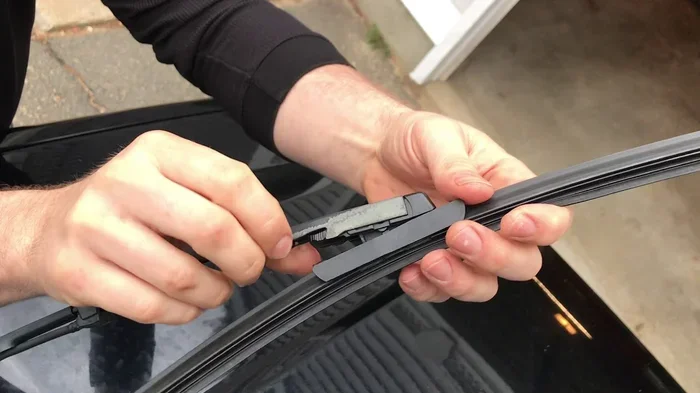
Replacing a rubber insert is straightforward once you know the steps. Start by lifting the wiper arm away from the windshield. Look for a small tab or locking mechanism on the blade assembly that holds the rubber in place. Press or slide the tab to release the old insert. Then, slide the new rubber refill into the same channel until it clicks into position.
Make sure the new insert sits evenly and is not twisted. Lower the wiper back onto the windshield and test it with a spray of windshield washer fluid. If it glides smoothly and leaves no streaks, you have done it correctly. This whole process takes about five minutes per blade.
Where to Buy Rubber Refills
You can find rubber refills at most auto parts stores, online retailers, and even some gas station convenience shops. Popular brands like Anco, Rain-X, and Michelin offer refill inserts for common vehicle models. Always double-check compatibility before purchasing. Some refills come in universal sizes, while others are model-specific.
Buying refills online gives you access to a wider selection and often better prices. Just make sure you read customer reviews and confirm the dimensions match your current blade. A well-fitted refill will perform just as well as a brand-new assembly in most cases.
Option 2: Replacing the Entire Wiper Blade
Swapping out the full blade assembly means you remove the old frame and connector and install a completely new unit. This is the go-to option for many drivers because it is fast, simple, and requires no guesswork about compatibility.
Full blade assemblies come in many styles today. Traditional bracket blades are the most common and affordable. Beam blades, also called frameless blades, offer a sleeker profile and cleaner wipe pattern. Hybrid blades combine elements of both for all-weather performance. The type you choose depends on your budget, your vehicle, and your local driving conditions.
Pros of Replacing the Full Blade
- Fast and convenient installation with no need to remove old rubber.
- Guaranteed compatibility since the assembly is designed for your vehicle.
- Better performance with a fresh frame that applies even pressure across the new rubber.
- Wider selection of brands, styles, and features at most retailers.
- No worries about frame damage since you get a brand-new assembly.
Cons of Replacing the Full Blade
- Higher cost compared to a simple rubber refill.
- More waste generated since the entire assembly goes to the landfill.
- Overkill if the frame is still in good condition and only the rubber is worn.
- Pricey premium options like smart wipers or heated blades can add significant cost.
How to Replace a Full Wiper Blade
Replacing a full blade assembly is one of the easiest car maintenance tasks you can do at home. Start by lifting the wiper arm away from the windshield. Locate the release button or tab on the connector where the blade meets the arm. Press the button and slide the old blade off. Line up the new blade with the connector, push it in until it clicks, and lower it back onto the glass.
The entire process takes less than two minutes per blade. Most vehicles use a universal connector system, but some manufacturers use proprietary attachments. Always check the packaging to confirm it fits your make and model. If you are unsure, a quick search online with your vehicle year and model will give you the right part number.
Cost Comparison: Rubber Refill vs. Full Blade
Cost is one of the biggest factors in this decision. Most car owners want to spend as little as possible while still getting reliable performance. Let us break down the numbers so you can see the real difference.
| Factor | Rubber Refill Only | Full Blade Replacement | |
|---|---|---|---|
| Average Cost per Blade | $5 – $15 | $15 – $50+ | |
| Installation Time | 5-10 minutes | 2-5 minutes | |
| Compatibility Risk | Moderate | Low | |
| Frame Reuse | Yes | No | |
| Environmental Impact | Low waste | Higher waste | |
| Availability | Limited | Widely available | |
| Performance Guarantee | Depends on frame | Always fresh |
As you can see from the comparison, rubber refills win on cost and environmental impact. Full blade replacements win on convenience and guaranteed performance. Your choice depends on which factors matter most to you and your situation.
If you are on a tight budget and your blade frames are still in solid shape, refills are the clear winner. If you want a quick, no-hassle solution and the frames are old or damaged, a full replacement makes more sense.
When to Choose Rubber Refill vs. Full Replacement
The decision comes down to a few key factors. Understanding these will help you make the right call every time.
Choose a Rubber Refill When
- Your blade frame is still straight and firm with no visible rust or bending.
- The rubber is the only worn component and the connector works perfectly.
- You want to save money and reduce environmental waste.
- You have the time and patience to complete a slightly more involved process.
- Your vehicle uses a blade style that is compatible with refills.
Choose a Full Blade Replacement When
- The blade frame is bent, corroded, or loose and no longer presses the rubber evenly against the glass.
- The connector or adapter is damaged and would not work with a new insert.
- You want the fastest possible solution and do not want to fuss with removing old rubber.
- Your current blade style does not support rubber refills.
- You are already due for a full wiper blade replacement interval anyway.
Expert Tips for Maximum Wiper Performance
No matter which option you choose, a few simple habits will keep your wipers performing at their best. These expert tips can extend the life of your blades and improve your driving safety.
Clean Your Windshield Regularly
Dirt and grit act like sandpaper on your wiper rubber. Every time you fill up your gas tank, take a moment to wipe down the windshield with a glass cleaner. This simple habit reduces friction and keeps the rubber flexing smoothly instead of dragging across debris.
Lift the Blades in Winter
During winter storms, ice and snow can freeze the wiper rubber to the windshield. When you try to pull them loose, you risk tearing the rubber or damaging the motor. Lifting the blades away from the glass prevents this damage and also clears the windshield faster when you start driving.
Use Wiper Fluid, Not Water
Plain water does not dissolve bugs, road grime, and grease the way dedicated windshield washer fluid does. Using fluid keeps the rubber lubricated and prevents premature wear. It also reduces the risk of freezing in cold weather, which can crack the rubber and damage the wiper motor.
Inspect Your Blades Monthly
Set a reminder on your phone to check your wipers once a month. Look for cracks, tears, or hardened sections in the rubber. Run your finger along the edge to feel for rough spots. Catching wear early means you can address it before it starts affecting your driving visibility.
Avoid Running Wipers on a Dry Windshield
Never use your wipers to clear dust or light debris without first applying washer fluid. Dry wiping creates friction that wears down the rubber quickly and can leave fine scratches on your glass over time. A quick spritz of fluid before wiping makes a big difference in blade longevity.
Common Mistakes to Avoid
Even well-meaning car owners make mistakes when it comes to wiper maintenance. Knowing what to avoid can save you time, money, and frustration.
- Buying the wrong size: Mismatched blades leave gaps on the windshield and cause streaks. Always verify the size for both the driver and passenger sides.
- Forcing a refill into the wrong frame: Not all frames accept refills. Forcing an incompatible insert can damage the frame and ruin both parts.
- Ignoring the blade arm tension: A weak spring in the blade arm causes the rubber to lift off the windshield in the middle. This leads to missed streaks and reduced visibility.
- Waiting too long to replace: Worn wipers do not just annoy you, they compromise safety. Replace them at the first sign of streaking or skipping.
- Using the wrong type of rubber: Some refills are designed for specific blade types. Using a standard refill in a beam blade will not work correctly.
Avoiding these mistakes keeps your driving visibility sharp and your wiper blade durability at its peak. A little attention goes a long way toward safe, clear driving in any weather.
The Environmental Angle
More and more car owners are thinking about the environmental impact of their maintenance choices. Replacing just the rubber insert is a greener option because it keeps metal and plastic frames out of landfills. A single rubber refill replaces the worn part without discarding a perfectly functional assembly.
That said, the auto industry is also making strides in sustainability. Some manufacturers now offer blades with recyclable components and longer-lasting rubber compounds. When it is time for a full replacement, look for brands that prioritize recyclable materials and sustainable manufacturing practices.
Every small choice adds up. Choosing a rubber refill when possible, recycling old blades responsibly, and maintaining your current equipment all contribute to a smaller environmental footprint. It is a win for your wallet and the planet.
Expert Insights on Wiper Blade Decisions
Automotive experts generally agree on one thing: the condition of the blade frame is the deciding factor. If the frame is in good shape, a rubber refill is the smart, economical choice. If the frame is bent, rusted, or loose, a full replacement is the safer bet.
Many mechanics also point out that modern beam blades are designed as sealed units. The rubber is bonded to the frame in a way that does not support separate replacement. In these cases, full blade replacement is the only practical option. Trying to cut the rubber out of a beam blade will damage the assembly and defeat the purpose.
On the other hand, traditional bracket-style blades are almost always compatible with rubber refills. These older designs have a simple channel system that makes insert replacement quick and easy. If your vehicle uses this style, refilling is a no-brainer for most situations.
The bottom line from the experts is this: inspect your blades carefully, understand what type you have, and then make your decision based on the condition of the entire assembly, not just the rubber strip.
Key Takeaways
- Cost Savings: Replacing just the rubber insert can save you 50-70% compared to buying a full blade assembly.
- Environmental Impact: Refilling the rubber reduces waste and is a more eco-friendly choice for car maintenance.
- Convenience Factor: Full blade replacement takes minutes and avoids the hassle of finding the right refill size.
- Performance Matters: A worn blade frame can ruin even a brand-new rubber insert, so inspect the whole assembly first.
- Compatibility Issues: Not all wiper blades support rubber refills, so check your blade model before purchasing inserts.
- Safety First: Poor wiper performance reduces driving visibility, especially in rain and snow, making timely replacement critical.
- Expert Recommendation: Replace just the rubber if the blade frame is in good condition; otherwise, go with a full replacement.
Conclusion
So, is it better to replace a wiper blade or just the rubber? The honest answer is that it depends on your specific situation. If your blade frames are still in great shape, replacing just the rubber is the smarter, more affordable, and more environmentally friendly choice. If the frames are worn out or your blades are the sealed beam type, going with a full replacement is the way to go.
Both options serve the same goal: keeping your windshield clear and your driving visibility safe. The key is to make an informed decision based on the actual condition of your blades, not just a guess. Take a few minutes, inspect your wipers, check the frame, and then choose the path that makes the most sense for you and your vehicle.
Regular wiper maintenance is one of the simplest and most overlooked parts of car care. A fresh rubber insert or a new blade assembly costs very little but delivers a huge payoff in safety and comfort. Do not wait until you are caught in a sudden downpour with streaky, unreliable wipers. Take action today, and enjoy clear, streak-free visibility every time you drive.
Keep this guide handy the next time you need new wipers. You will know exactly what to do, what to buy, and how to get the job done right. Safe driving starts with clear sightlines, and that starts with good wipers.
Frequently Asked Questions
Can I use a rubber refill on any wiper blade?
No, not all wiper blades support rubber refills. Traditional bracket-style blades almost always do, but modern beam blades are typically sealed units that do not allow separate insert replacement. Check your blade type and model number before purchasing a refill to avoid compatibility issues.
How much does it cost to replace just the wiper rubber?
A rubber refill insert usually costs between $5 and $15 per blade, depending on the brand and vehicle model. This is significantly cheaper than a full blade assembly, which can range from $15 to $50 or more per blade. The savings are even greater if you replace both wipers at once.
How often should I replace my wiper rubber or blades?
Most experts recommend replacing wiper rubber or full blades every six to twelve months. Drivers in harsh climates, such as areas with intense sun, heavy rain, or snowy winters, may need to replace them more frequently. Inspect your blades monthly for signs of wear like streaking or squeaking.
What happens if I keep driving with worn wiper blades?
Worn wiper blades reduce driving visibility by leaving streaks, smears, and blind spots on your windshield. This is especially dangerous during rain, snow, or nighttime driving. Over time, damaged wipers can also scratch your windshield glass, leading to costly repairs or full glass replacement.
Are beam wipers compatible with rubber refills?
Most beam wipers are not compatible with rubber refills because they are designed as sealed, frameless units. The rubber is permanently bonded to the internal frame structure. If you have beam wipers, full blade replacement is usually the only practical option when the rubber wears out.
What is the easiest way to find the right wiper blade size for my car?
The easiest way is to check your vehicle owner manual for the recommended wiper blade sizes. You can also look up your vehicle year, make, and model on the website of any major auto parts retailer. Many stores also have reference guides near the wiper aisle that list sizes by vehicle.