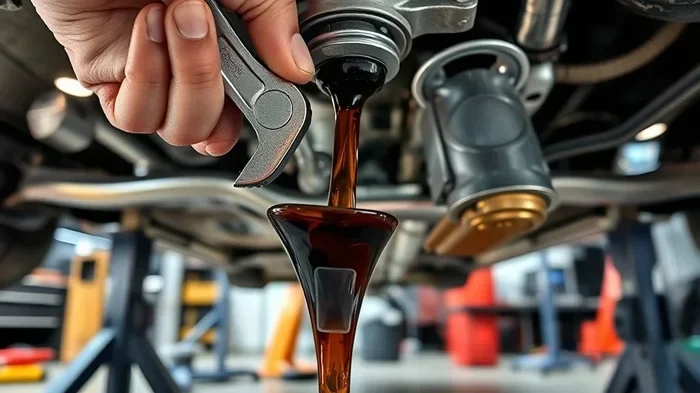
Is It Bad to Change Transmission Fluid If Never Changed
Changing transmission fluid that has never been changed is not bad — in fact, it can breathe new life into your vehicle. Old, dirty fluid causes gear slipping, overheating, and costly repairs. This guide explains when and how to safely change neglected transmission fluid without damaging your car.
This is a comprehensive guide about Is It Bad to Change Transmission Fluid If It’s Never Been Changed?.
Key Takeaways
- It is safe to change transmission fluid even if it has never been changed: Doing so can improve performance and extend transmission life.
- Old fluid loses its lubricating properties: Over time, grime and metal particles build up, causing internal wear.
- Watch for warning signs: Slipping gears, dark fluid color, and strange noises signal that your fluid needs attention.
- Follow the right procedure: A proper drain, fill, and filter replacement prevents damage during the fluid change.
- Myths can mislead you: Changing old fluid does not cause transmissions to fail — neglecting them does.
- Stick to manufacturer recommendations: Your owner manual provides the best schedule for fluid changes.
- Use the correct fluid type: Synthetic or conventional fluid must match your vehicle specifications.
[FEATURED_IMAGE_PLACEHOLDER]
What Happens When Transmission Fluid Never Gets Changed
Your transmission fluid works hard every single day. It lubricates gears, cools internal components, and helps your car shift smoothly. But what happens when that fluid sits in your transmission for years without ever being replaced? The answer might surprise you.
Over time, transmission fluid breaks down. Heat and friction cause it to lose its viscosity. Dirt, metal shavings, and other contaminants mix into the fluid. The result is a thick, dark substance that no longer protects your transmission the way it should.
Many car owners drive for 100,000 miles or more without ever touching their transmission fluid. Some vehicles never get a fluid change at all. This raises an important question: is it bad to change transmission fluid if it has never been changed? The short answer is no. In fact, it can be one of the best things you do for your vehicle.
The Role of Transmission Fluid
To understand why old fluid causes problems, you need to know what transmission fluid does. It serves several critical functions:
- Lubrication: It reduces friction between moving parts inside the transmission.
- Cooling: It absorbs heat generated during gear shifts and driving.
- Hydraulic pressure: It enables smooth gear engagement and shifting.
- Cleaning: It carries away debris and metal particles from internal components.
When fluid sits unused for long periods, it starts to lose these abilities. The additive package that protects your transmission wears off. Oxidation sets in. The fluid becomes less effective at every job it is supposed to do.
What Dirty Transmission Fluid Does to Your Gears
Dirty fluid does not just sit there harmlessly. It actively damages your transmission over time. Here is what happens inside when you neglect fluid changes:
- Increased friction: Worn fluid cannot lubricate properly. Gears grind against each other.
- Heat buildup: Without proper cooling, internal temperatures rise. This accelerates wear.
- Slip gears: Contaminated fluid causes gears to slip or hesitate during shifts.
- Solenoid damage: Small hydraulic valves get clogged with debris.
- Seal degradation: Old fluid hardens rubber seals, leading to leaks.
All of these issues lead to one place: expensive transmission repair. A full transmission rebuild can cost anywhere from $1,800 to $3,500. Regular fluid changes cost a fraction of that.
Should You Change Transmission Fluid That Has Never Been Changed
This is the question on every car owner’s mind. You have driven your vehicle for years with the original fluid. Now you wonder if changing it will cause more harm than good. Let us break this down clearly.
The truth is that changing old transmission fluid is not dangerous. Modern transmissions are designed to handle fresh fluid. In fact, new fluid restores many of the protective qualities that old fluid has lost. Your transmission will shift more smoothly, run cooler, and last longer with fresh fluid inside.
Why Some People Think It Is a Bad Idea
You may have heard warnings about changing fluid in high-mileage vehicles. Some mechanics and car enthusiasts claim that fresh fluid can wash away metal particles that are acting as a “buffer” between worn components. This theory suggests that removing old fluid exposes bare metal surfaces.
Here is the reality: that theory is largely a myth. The metal particles in old fluid are not helpful. They are contaminants causing wear. Leaving them in your transmission only makes the damage worse over time.
When You Should Be Cautious
While changing old fluid is generally safe, there are a few situations where you should exercise caution:
- Very high mileage with existing problems: If your transmission is already slipping or failing, fresh fluid might reveal underlying issues more clearly.
- Severely degraded fluid: If the fluid is black and smells burnt, a full flush might dislodge large particles. A drain and fill is safer in this case.
- Older vehicles with unknown maintenance history: If you are unsure about the condition of the transmission, consult a trusted mechanic first.
In these cases, a professional can assess the situation and recommend the best approach. A simple drain and fill is usually safer than a full transmission flush for neglected vehicles.
The Benefits of Changing Never-Touched Fluid
So what happens when you finally change fluid that has never been replaced? The benefits are significant:
- Smoother shifting: New fluid restores hydraulic pressure for crisp gear changes.
- Better cooling: Fresh fluid absorbs and dissipates heat more effectively.
- Extended transmission life: Clean fluid reduces wear on internal components.
- Improved fuel economy: A well-lubricated transmission reduces engine strain.
- Quieter operation: You will notice less whining or grinding during shifts.
Think of it like changing the oil in your engine. You would never skip oil changes forever and expect your engine to run perfectly. The same logic applies to your transmission fluid.
Signs Your Transmission Fluid Needs Attention
How do you know if your transmission fluid is overdue for a change? Your vehicle will tell you if you pay attention. Here are the most common warning signs that your fluid needs care.
Dark or Discolored Fluid
Healthy transmission fluid is typically red or pink and translucent. If you check your fluid and it looks brown or black, that is a clear sign of age and contamination. Dark fluid has lost its protective additives and is no longer doing its job effectively.
Burning Smell
A burnt smell coming from under your hood is never a good sign. It means the fluid has overheated and is breaking down. This often happens when old fluid can no longer cool the transmission properly. Stop driving and get the fluid checked immediately.
Slipping Gears
Do your gears feel like they are changing on their own? Or do they hesitate before engaging? Slipping gears are one of the most common symptoms of degraded transmission fluid. The fluid can no longer maintain the hydraulic pressure needed for proper gear engagement.
Strange Noises
Grinding, whining, or clunking sounds during shifts are red flags. These noises often indicate metal-on-metal contact caused by poor lubrication. Old, dirty fluid fails to create a protective cushion between gears.
Delayed Shifting
If there is a pause before your transmission engages a gear, the fluid might be to blame. Delayed shifting happens when thick, contaminated fluid cannot flow quickly through the hydraulic passages. This is especially noticeable when shifting from park to drive.
Leaking Fluid
Puddles of red or brown fluid under your car signal a leak. Old fluid can cause seals to harden and crack, leading to leaks. Addressing the fluid change can sometimes resolve minor seal issues before they become major repairs.
How to Change Transmission Fluid That Has Never Been Changed
Ready to change your transmission fluid for the first time? Great. But doing it the right way matters. A botched fluid change can cause more problems than it solves. Here is a step-by-step guide to doing it safely.
Step 1: Gather Your Supplies
Before you start, make sure you have everything you need:
- The correct type of transmission fluid for your vehicle (check your owner manual)
- A new transmission filter and gasket
- A drain pan
- A socket wrench and appropriate sockets
- A funnel
- Clean rags or paper towels
- A jack and jack stands or ramps
Using the wrong fluid type is one of the most common mistakes. Always double-check your vehicle specifications. Synthetic transmission fluid and conventional fluid have different properties. Mixing them can cause performance issues.
Step 2: Warm Up the Vehicle
Drive your vehicle for about 10 to 15 minutes. Warm fluid drains more easily and carries more contaminants out with it. Do not let the engine get too hot. Just a normal operating temperature is perfect.
Step 3: Lift the Vehicle Safely
Use jack stands or ramps. Never work under a vehicle supported only by a jack. Safety comes first every single time.
Step 4: Drain the Old Fluid
Locate the transmission pan underneath the vehicle. Place your drain pan beneath it. Remove the bolts slowly and let the old fluid drain out completely. You will likely see dark, gritty fluid — this is normal for neglected transmissions.
Step 5: Replace the Filter and Gasket
Once the pan is off, remove the old filter. Install the new one and replace the gasket. This is a great opportunity to clean any debris from the pan before reassembling.
Step 6: Refill with Fresh Fluid
Reinstall the pan and tighten the bolts to the proper torque specification. Locate the transmission fluid dipstick or fill hole. Use a funnel to add the new fluid slowly. Check your owner manual for the exact fluid capacity.
Step 7: Check the Level and Test Drive
Start the engine and let it idle for a few minutes. Shift through all gears slowly. Then check the fluid level with the engine warm. Add more fluid if needed. Take a short test drive to make sure everything shifts smoothly.
Quick Tip: If you are not comfortable doing this yourself, a professional mechanic can handle the job in about one to two hours. The cost typically ranges from $150 to $300 for a drain and fill.
Common Myths About Changing Old Transmission Fluid
There is a lot of misinformation out there about transmission fluid changes. Let us clear up some of the most common myths.
Myth 1: Changing Old Fluid Will Ruin Your Transmission
This is perhaps the most persistent myth. The idea is that fresh fluid will “wash away” a protective layer of grime and expose worn components. In reality, that grime is causing damage, not protecting anything. Fresh fluid cleans and protects. It does not destroy.
Myth 2: Transmission Fluid Never Needs Changing
Some people believe that transmission fluid is “lifetime” fluid. While some manufacturers claim this, most transmission experts disagree. All fluid degrades over time. Even if your owner manual says “lifetime,” a change at around 60,000 to 80,000 miles is a smart preventive measure.
Myth 3: A Transmission Flush Is Always Better Than a Drain and Fill
A flush removes more fluid, but it also pushes debris through the system. For vehicles with never-changed fluid, a flush can dislodge particles and cause blockages. A simple drain and fill is often the safer choice for neglected transmissions.
Myth 4: The Color of Fluid Does Not Matter
Fluid color is actually one of the best indicators of its condition. Bright red means fresh and healthy. Dark brown or black means it is time for a change. Ignoring color is ignoring one of the easiest ways to monitor transmission health.
How Often Should You Change Transmission Fluid
Prevention is always better than repair. Staying on top of your transmission maintenance schedule saves you money and headaches down the road.
Most manufacturers recommend changing transmission fluid every 30,000 to 60,000 miles. However, this varies based on several factors:
- Driving conditions: Stop-and-go city driving is harder on fluid than highway driving.
- Towing or hauling: Heavy loads increase heat and stress on the transmission.
- Climate: Extreme heat or cold accelerates fluid breakdown.
- Vehicle age: Older vehicles benefit from more frequent fluid changes.
If you have never changed your fluid and your vehicle has over 50,000 miles, do not wait another day. Schedule a transmission service soon. The cost of a fluid change is tiny compared to the cost of a transmission rebuild.
Creating a Maintenance Routine
Set a reminder in your phone or calendar every 30,000 miles. Check your fluid level once a month. Keep an eye on the color and smell. These small habits add up to a transmission that lasts well beyond 200,000 miles.
Expert Insight: What Mechanics Wish You Knew
Experienced transmission specialists agree on one thing: most transmission failures are preventable. Regular fluid changes are the single most effective thing you can do to protect your transmission. Many mechanics see vehicles that have gone 150,000 miles or more with never-changed fluid. These vehicles often need major repairs by the time they reach 100,000 miles. On the other hand, vehicles that receive regular fluid changes regularly last 250,000 miles or more with no major transmission issues.
Do not be that car owner who waits until something goes wrong. Be proactive. Your transmission works hard for you every day. Give it the care it deserves.
Conclusion
So, is it bad to change transmission fluid if it has never been changed? Absolutely not. Changing old, neglected fluid is one of the smartest maintenance decisions you can make. It restores lubrication, improves cooling, and protects your transmission from premature wear.
The risks of not changing fluid far outweigh any perceived risks of changing it. Dirty fluid leads to slipping gears, overheating, and eventually a costly transmission rebuild. Fresh fluid keeps your car running smoothly and extends the life of one of the most expensive components in your vehicle.
Whether you do it yourself or visit a mechanic, make this a priority. Check your fluid, follow the maintenance schedule, and never let old fluid sit in your transmission for too long. Your car will thank you with years of reliable performance.
Take action today. Your transmission will be healthier for it. Do not wait for warning signs to appear. A simple fluid change now can save you thousands of dollars in repairs later.
Is It Bad to Change Transmission Fluid If Never Changed?
No, it is not bad. Changing old transmission fluid that has never been replaced is safe and beneficial. Fresh fluid restores lubrication, cooling, and hydraulic pressure. It helps your transmission shift smoothly and last longer. The key is to follow the proper procedure and use the correct fluid type for your vehicle.
What Happens If You Never Change Transmission Fluid?
Never-changing transmission fluid leads to a buildup of dirt, metal particles, and sludge. Over time, the fluid loses its ability to lubricate and cool the transmission. This causes increased wear, overheating, slipping gears, and eventually transmission failure. Regular fluid changes are essential preventive maintenance.
Can Old Transmission Fluid Cause Transmission Slip?
Yes, old and contaminated fluid is a leading cause of transmission slip. Degraded fluid cannot maintain proper hydraulic pressure, which causes gears to hesitate or slip during shifts. If you notice slipping, check your fluid level and condition immediately.
Is a Transmission Flush Safe for High-Mileage Vehicles?
A transmission flush can be safe, but it is not always the best choice for high-mileage vehicles with never-changed fluid. A flush may dislodge large particles and cause blockages. A drain and fill is generally the safer option for neglected transmissions. Consult a professional if you are unsure.
How Much Does It Cost to Change Transmission Fluid?
A transmission fluid change typically costs between $150 and $300 for a professional drain and fill service. The price varies based on fluid type, vehicle model, and location. This cost is a small fraction of what a transmission repair or rebuild would cost.
What Type of Transmission Fluid Should I Use?
Always use the transmission fluid type recommended by your vehicle manufacturer. Check your owner manual for the correct specification. Using the wrong fluid can cause poor performance, overheating, and internal damage. When in doubt, ask a qualified mechanic for guidance.
Frequently Asked Questions
What is Is It Bad to Change Transmission Fluid If It’s Never Been Changed??
Is It Bad to Change Transmission Fluid If It’s Never Been Changed? is an important topic with many practical applications.