How Often Should You Replace Your Hybrid Battery Today
Your hybrid battery is the heart of your fuel-efficient ride, but it won’t last forever. Most drivers wonder how often they need to replace it. This guide covers the lifespan, warning signs, costs, and simple ways to stretch your hybrid battery life so you can save money and stay on the road.
Key Takeaways
- Typical Lifespan: Most hybrid batteries last between 80,000 and 150,000 miles, or about 8 to 10 years.
- Warning Signs: Watch for drops in fuel economy, strange noises, and reduced electric-only driving range.
- Replacement Cost: Expect to pay between $1,000 and $6,000, depending on the vehicle and battery type.
- Warranty Coverage: Many hybrids come with an 8-year or 100,000-mile warranty that may cover the battery.
- Module Repair: You often don’t need a full pack replacement; swapping a single faulty module can save thousands.
- Extend Life: Smart driving habits and regular maintenance can push your battery life well beyond the average.
📑 Table of Contents
- What Is a Hybrid Battery and Why Does It Matter?
- How Long Does a Hybrid Battery Typically Last?
- Warning Signs Your Hybrid Battery Needs Replacement
- What Affects the Life of Your Hybrid Battery?
- How Much Does It Cost to Replace a Hybrid Battery?
- Can You Extend Your Hybrid Battery Life?
- Responsible Battery Disposal and Recycling
What Is a Hybrid Battery and Why Does It Matter?
Your hybrid battery is the unsung hero of your fuel-efficient vehicle. Unlike the standard 12-volt battery that starts your car, the hybrid battery is a high-voltage battery pack that stores energy for the electric motor. It works hand in hand with the gasoline engine to deliver power, improve fuel economy, and reduce emissions. Without a healthy battery pack, your hybrid system cannot function properly. That is why understanding its role is the first step in keeping your car running smoothly. The battery captures energy during braking and stores it for later use. This process is called regenerative braking. It is a key reason why hybrids get such great miles per gallon. When the battery degrades, you lose that efficiency. So, how long can you expect this important component to last? And what can you do to make it last longer?
Many owners assume the hybrid battery will last the entire life of the car. That is not always true. While modern hybrid vehicles are built to be durable, the battery is still a consumable part. It experiences wear and tear just like any other component. The good news is that most hybrid batteries are designed to last well beyond the average ownership period. With proper care, you can often go 100,000 miles or more before needing a replacement. Understanding what the battery does and how it ages helps you make smarter maintenance decisions. It also helps you avoid costly surprises down the road.
How the Battery Works with Your Engine
The hybrid battery pairs with an electric motor and a gasoline engine. Together, they form a hybrid system that chooses the best power source for each driving situation. At low speeds, the electric motor runs on battery power alone. This is perfect for city driving and parking lots. When you accelerate hard, the engine kicks in to help. The battery also captures energy when you lift off the gas pedal. This energy is stored for the next time you need it. The result is a seamless driving experience that maximizes fuel economy. A healthy battery pack ensures this system works without a hitch. If the battery weakens, you might notice the engine running more often than it should. That can hurt your gas mileage and increase emissions. Keeping the battery in good shape keeps the whole system balanced.
Think of the hybrid battery like a reservoir of energy. The electric motor draws from it when you need a burst of power. The engine recharges it when you are cruising or braking. This cycle repeats thousands of times every day. Over years of use, the reservoir slowly loses its capacity. The rate at which this happens depends on how you treat it. Gentle driving and proper maintenance slow the decline. Aggressive habits and neglect speed it up. By understanding this cycle, you can take steps to preserve your battery health for as long as possible.
How Long Does a Hybrid Battery Typically Last?
Most drivers want a simple answer to this question. The truth is, there is no single number that fits every vehicle. However, industry data gives us a reliable range. The average hybrid battery lasts between 80,000 and 150,000 miles. In terms of time, most owners can expect 8 to 10 years of service before needing a replacement. Some drivers push their batteries well beyond that. Others experience issues much earlier. The difference comes down to how the battery is used and maintained. Your driving style, climate, and the type of hybrid battery technology all play a role. Let us break down what you can realistically expect.
Average Lifespan by Vehicle Type
Different hybrid vehicles use different battery chemistries. The two most common types are nickel-metal hydride (NiMH) and lithium-ion (Li-ion). NiMH batteries have been around longer. You will find them in older hybrid cars like the Toyota Prius. These batteries are known for their durability. They often last the full 10-year or 100,000-mile warranty period with ease. Lithium-ion batteries are newer. They are lighter and more energy-dense. Many modern plug-in hybrids and electric vehicles use them. Li-ion batteries can also last a long time, but they may be more sensitive to extreme temperatures. Both types can serve you well for many years. The key is to understand what your specific vehicle uses and how to care for it.
Another factor is the size of the battery pack. Smaller packs in compact hybrids may experience more stress per cell. Larger packs in SUVs and trucks can spread the load more evenly. This does not mean one is better than the other. It simply means the battery replacement interval can vary by model. Always check your owner’s manual for the manufacturer’s recommended battery lifespan guidelines. They often provide a range based on normal driving conditions.
Warning Signs Your Hybrid Battery Needs Replacement
Your hybrid battery will not just stop working overnight. It gives you plenty of warning signs. Catching these early can save you from a sudden breakdown. Here are the most common signals that your battery pack is wearing out.
Fuel Economy Drops and Strange Noises
One of the first things you will notice is a drop in fuel economy. If your hybrid vehicle suddenly starts using more gas, the battery may be the culprit. A degraded battery cannot hold enough charge to assist the engine. This forces the gasoline engine to work harder. You might also hear unusual noises. A clicking or whining sound when you start the car or accelerate can point to a failing battery module. Some drivers report a strange fan noise coming from the battery area. This could mean the battery cooling system is struggling. Do not ignore these sounds. They are your car telling you something is wrong.
Keep a log of your fuel economy. If you notice a consistent decline of 10% or more, it is time to investigate. A simple comparison of your monthly miles per gallon can reveal a hidden problem. Many owners miss this subtle sign until the issue becomes severe. Regular monitoring helps you catch battery degradation early.
Reduced Electric-Only Driving Range
Many hybrids offer a short electric-only driving range. You might use this feature in your neighborhood or parking garage. If that range shrinks noticeably, your battery health is declining. The battery cannot hold a full state of charge anymore. You might see the battery charge indicator drop faster than usual. In some cases, the electric motor may not engage at all. This is a clear sign that the hybrid battery needs professional inspection. A technician can test the state of charge and individual battery modules to pinpoint the problem.
You can also perform a simple self-check. Turn the ignition on without starting the engine. Look at the battery charge indicator on the dashboard. If it shows a very low charge after a short drive, the battery may be failing. This test is not a replacement for a professional diagnosis, but it can give you an early warning.
Dashboard Warning Lights
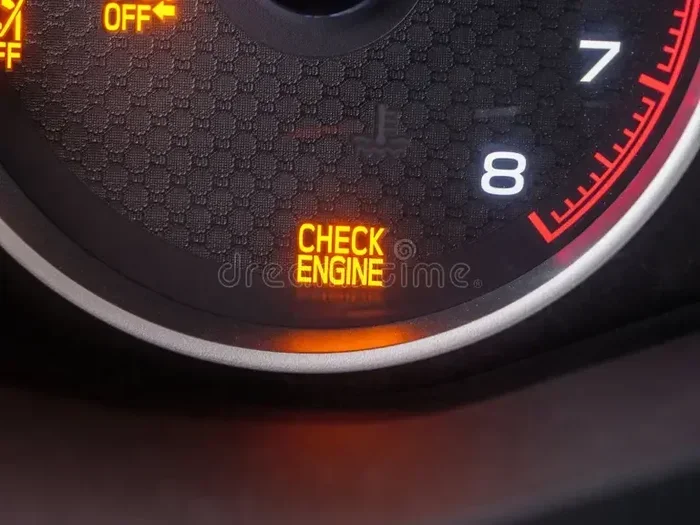
Modern hybrid cars are packed with sensors. When something goes wrong with the battery pack, a warning light will appear on your dashboard. The check engine light is the most common. Some vehicles have a specific hybrid system warning light. If you see either one, do not delay. Get your car scanned for trouble codes. A code related to the battery or battery management system is a red flag. Addressing it early can prevent a full breakdown and more expensive repairs.
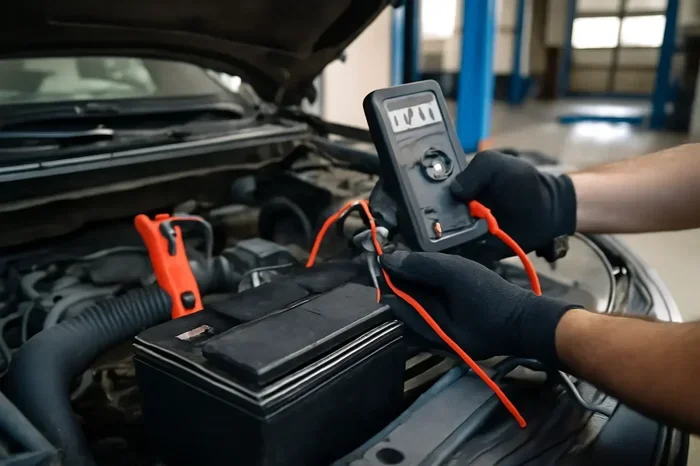
Remember that a warning light does not always mean you need a full battery replacement. It could indicate a sensor issue or a minor electrical fault. Have a qualified hybrid vehicle maintenance specialist read the codes and perform a thorough inspection. They can determine whether the problem is with the battery pack or another component of the hybrid system.
What Affects the Life of Your Hybrid Battery?
Several factors determine how long your hybrid battery will last. Some are within your control. Others are simply part of the vehicle’s design. Understanding these factors helps you take proactive steps. Let us look at the main influences on battery life.
Driving Habits and Climate
How you drive has a big impact on battery degradation. Frequent short trips can be tough on the battery. The battery never gets fully charged, and the state of charge bounces around. This can strain the cells over time. On the other hand, steady highway driving is generally easier on the battery. Extreme temperatures also play a role. Very hot climates can accelerate chemical breakdown inside the battery. Cold weather reduces the battery’s ability to accept a charge. If you live in a harsh climate, you may see a shorter battery lifespan. Parking in a garage or shaded area can help protect your battery from temperature extremes.
Another habit to avoid is running the battery down to empty too often. Deep discharges can cause permanent damage to the cell plates. Try to keep the battery in a moderate state of charge during daily use. This simple change can add years to your battery pack.
Maintenance and Battery Cooling
Your hybrid vehicle has a cooling system for the battery pack. This system keeps the battery at the right temperature. If the cooling fan or coolant lines fail, the battery can overheat. Overheating is one of the fastest ways to kill a hybrid battery. Regular maintenance should include checking the battery cooling system. Technicians will inspect fans, hoses, and fluid levels. They can also clean corrosion off the battery terminals. Simple upkeep like this goes a long way in preserving battery health. It is one of the best ways to avoid an early battery replacement.
Do not skip your scheduled maintenance appointments. During these visits, the technician can perform a hybrid battery health check. This test measures the capacity and internal resistance of the battery. It can detect early signs of battery degradation before they become serious problems. Think of it as an oil change for your hybrid battery. It is a small investment that can save you thousands in the long run.
Common Mistakes That Shorten Battery Life
Many owners unknowingly shorten the life of their hybrid battery. One common mistake is ignoring the warning signs. When fuel economy drops or a warning light appears, some drivers simply adapt to the change. They do not realize that a small problem can turn into a major failure. Another mistake is using the wrong type of charger or jump starter. Hybrid batteries operate at high voltages. Using standard automotive equipment can damage the battery management system. Always use equipment designed for hybrid vehicles. Finally, some owners neglect the 12-volt auxiliary battery. If that small battery dies, the hybrid system will not start, even if the main battery pack is healthy. Keep both batteries in good condition for reliable performance.
How Much Does It Cost to Replace a Hybrid Battery?
The cost of replacing a hybrid battery is a major concern for many owners. The good news is that prices have come down over the years. Still, it is not a cheap repair. The final cost depends on several factors. Understanding these factors can help you budget and make informed decisions.
New vs. Remanufactured vs. Refurbished
When it is time for a replacement, you have options. A brand-new battery pack from the dealer is the most expensive choice. It often comes with a warranty and the assurance of original quality. However, the price tag can be steep. A new hybrid battery for a popular model like the Toyota Prius might cost between $2,000 and $4,000. For luxury or larger vehicles, the cost can climb to $6,000 or more. Remanufactured batteries are another option. These are used packs that have been rebuilt with new cells. They cost less, often between $1,000 and $2,500. Refurbished batteries are similar. They are tested and repaired to meet certain standards. Both remanufactured and refurbished options can offer excellent value. Just make sure you buy from a reputable source with a solid warranty.
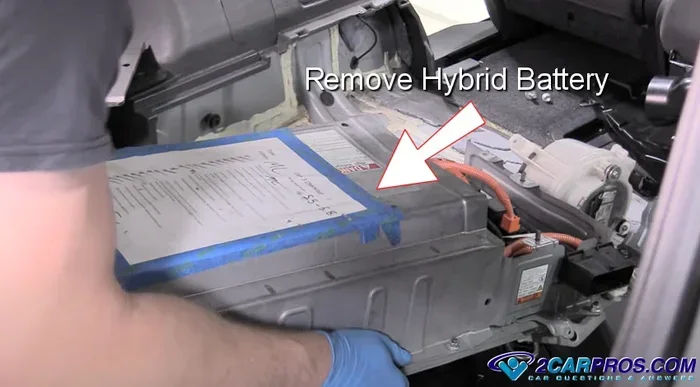
The battery replacement cost also includes labor. Some vehicles require the battery pack to be removed from the undercarriage. This can be a time-consuming process. Luxury models with complex access points may charge more for labor. Always get a detailed quote that breaks down parts and labor. This transparency helps you compare options and avoid surprises.
Expert Insights: Module Repair Can Save Thousands
Here is a secret that many owners do not know: you often do not need a full battery pack replacement. A hybrid battery is made up of many individual battery modules. If one or two modules fail, the entire pack does not have to be replaced. A skilled technician can test each module and replace only the bad ones. This battery module repair can cost a fraction of a full replacement. It is a smart way to save money while restoring battery health. Always ask your repair shop if module-level repair is an option before committing to a full pack swap. In many cases, a single faulty module is the only culprit, and replacing it brings the entire pack back to life.
Can You Extend Your Hybrid Battery Life?
The short answer is yes. You can take steps to keep your hybrid battery healthy for longer. These habits are simple and can make a real difference. Think of them as part of your regular hybrid vehicle maintenance routine. Here are the most effective ways to protect your investment.
Quick Tips for Daily Battery Care
Start with your driving style. Avoid aggressive acceleration whenever possible. Hard acceleration drains the battery quickly and generates excess heat. Instead, ease onto the gas pedal. This lets the hybrid system manage power smoothly. Use regenerative braking to your advantage. When you slow down, the electric motor acts as a generator. It sends energy back to the battery. This not only saves fuel but also keeps the battery in a healthy state of charge. Another tip: avoid letting your battery run completely empty. Keeping the state of charge between 20% and 80% is ideal for long-term health. If you park your car for long periods, try to start it and drive it for at least 15 minutes every week. This keeps the battery active and prevents deep discharge.
Here is a quick checklist you can follow every month. Check the battery charge indicator on your dashboard. Monitor your fuel economy and note any sudden drops. Listen for unusual noises coming from the battery area. Keep the battery terminals clean and free of corrosion. These simple habits take just a few minutes but can add years to your hybrid battery life.
Regular Professional Check-Ups
Even with good habits, professional inspections are essential. During your regular hybrid vehicle maintenance visits, ask the technician to check the battery cooling system. They should inspect fans, coolant levels, and connections. A simple scan for error codes can catch early signs of battery degradation. Many shops offer a hybrid battery health check as part of a routine service. This test measures the capacity and internal resistance of the battery. If the numbers are trending downward, you can plan ahead. Early detection gives you time to save for a replacement or explore repair options. It also prevents you from being stranded with a dead battery.
Taking care of your hybrid battery does not have to be complicated. A little attention goes a long way. By combining smart driving habits with regular check-ups, you can enjoy the benefits of your hybrid vehicle for many years. You will save money on fuel, reduce emissions, and avoid the high cost of an unexpected battery replacement. Your hybrid battery is a durable component, but it still needs your care. Treat it well, and it will reward you with reliable performance and excellent fuel economy throughout its life.
Responsible Battery Disposal and Recycling
When your hybrid battery finally reaches the end of its useful life, proper disposal is essential. These battery packs contain materials that can harm the environment if not handled correctly. The good news is that most hybrid vehicles come with recycling programs. Many dealers and specialized recyclers accept old battery packs for safe processing. The metals and chemicals inside can be recovered and used in new batteries. This reduces the need for mining raw materials and lowers the overall environmental impact. Before you replace your battery, ask your service center about their recycling options. A responsible disposal process is the final step in the life cycle of your hybrid battery. It ensures that your eco-friendly choice continues to benefit the planet even after the battery is retired.
Replacing a hybrid battery can feel daunting, but it does not have to be. Armed with the right knowledge, you can make confident decisions about your vehicle’s maintenance. From recognizing early warning signs to exploring cost-effective repair options, you are now equipped to handle the journey. Keep up with regular check-ups, drive with care, and your hybrid battery will serve you well for many miles to come.
Frequently Asked Questions
How often should you replace your hybrid battery?
Most hybrid batteries last between 80,000 and 150,000 miles, or about 8 to 10 years. However, the exact battery replacement interval depends on your driving habits, climate, and vehicle model. Regular maintenance can help extend that lifespan significantly.
What are the signs that a hybrid battery needs replacement?
Common warning signs include a noticeable drop in fuel economy, reduced electric-only driving range, strange noises from the battery area, and dashboard warning lights. If you experience any of these, have your hybrid battery tested by a qualified technician as soon as possible.
Is it worth replacing a hybrid battery?
In most cases, yes. A new or refurbished hybrid battery can restore your vehicle’s performance and fuel economy. It also extends the overall life of the car. Before deciding, compare the replacement cost with the value of the vehicle and consider module-level repair as a more affordable option.
Can you drive with a bad hybrid battery?
You might be able to drive a short distance, but it is not recommended. A failing battery pack forces the gasoline engine to work harder, which reduces efficiency and can cause further damage. It can also lead to a complete breakdown. Get the battery inspected if you suspect any issues.
How much does it cost to replace a hybrid battery?
The cost varies widely based on the vehicle and battery type. A new hybrid battery typically costs between $2,000 and $6,000. Remanufactured or refurbished options can be found for $1,000 to $2,500. Module repair is often the most budget-friendly solution and can save you thousands of dollars.
Does hybrid battery warranty cover replacement?
Many manufacturers offer an 8-year or 100,000-mile warranty on the hybrid battery. This warranty usually covers replacement if the battery fails within the specified period. Check your vehicle’s warranty documents to understand what is included and what maintenance is required to keep the warranty valid.