How Many Labor Hours Does It Take to Replace a Starter
Replacing a starter motor typically takes between 1 and 4 labor hours, depending on your vehicle’s make, model, and engine layout. The average cost for starter replacement labor ranges from $150 to $600, with some complex setups taking longer. Understanding the factors that influence labor time helps you budget and plan your starter motor replacement with confidence.
You turn the key, and nothing happens. No cranking. No rumble. Just silence. That sinking feeling often points to one culprit: a dead starter motor. If you have been there, you are not alone. Millions of drivers face starter motor replacement every year. And the first question that comes to mind is almost always the same. How many labor hours does it take to replace a starter?
The answer is not as simple as a single number. Several factors play a role. Your vehicle type matters. The starter’s location matters. Even your mechanic’s experience level matters. In this guide, we will walk through everything you need to know about starter replacement labor time. We will cover average hours, cost factors, common symptoms, and practical tips to save money. Whether you plan to visit a shop or tackle the job yourself, this article has you covered.
Let us dive in and break down the starter replacement process step by step. By the end, you will know exactly what to expect and how to prepare.
Key Takeaways
- Average labor time: Most starter replacements take 1 to 4 hours, depending on vehicle type and engine access.
- Vehicle type matters: Rear-wheel-drive trucks often take longer than front-wheel-drive cars due to mounting位置.
- Starter location is key: Some engines have the starter in a hard-to-reach spot, adding extra labor time.
- DIY vs. mechanic: Experienced DIYers can save on labor costs, but the job requires basic tools and knowledge.
- Common symptoms: Grinding noises, slow cranking, and intermittent starting signal a failing starter.
- Cost factors: Labor rates, part availability, and additional repairs can all change the final bill.
- Preventive care: Regular battery maintenance and clean wiring help extend your starter’s lifespan.
📑 Table of Contents
How Many Labor Hours Does It Take to Replace a Starter?
The short answer is that most starter replacements take between 1 and 4 labor hours. But that range is wide, and the details matter a lot. Let us explore what drives this variation and what you can expect for different types of vehicles.
Average Labor Hours by Vehicle Type
Not all cars are built the same. And neither are their starters. Here is a general breakdown of starter replacement labor time based on vehicle type:
- Compact and mid-size cars: These usually take about 1 to 2 hours. The starter is often easy to access on front-wheel-drive vehicles.
- Trucks and SUVs: Expect 2 to 4 hours. Larger engines and tighter engine bays can make the job harder.
- Rear-wheel-drive vehicles: These often take longer because the starter sits near the transmission bell housing.
- Performance or luxury vehicles: Some models require removing extra components to reach the starter, adding 1 to 2 extra hours.
Keep in mind that these are general estimates. Your actual starter installation time may vary based on your specific vehicle and condition.
Why Labor Time Varies So Much
Several factors influence how long a starter motor replacement takes. Understanding these can help you set realistic expectations and avoid surprises.
Engine layout and starter access play the biggest role. Some engines have the starter sitting right on top, easy to reach with basic tools. Others hide it deep in the engine bay, behind exhaust manifolds or intake manifolds. If your mechanic has to remove other parts first, the clock keeps ticking.
Rust and corrosion also add time. Older vehicles, especially those exposed to salt and moisture, often have seized bolts and rusted connections. Breaking these free takes patience and the right tools. A seized starter bolt alone can add 30 minutes to an hour of extra work.
Starter condition matters too. If the old starter comes out easily, the job moves fast. But if it is stuck or damaged, extraction can be tricky and time-consuming.
Mechanic experience is another factor. A seasoned technician who has replaced hundreds of starters will work faster than someone doing it for the first time. This does not mean you should avoid independent shops. Many independent mechanics are highly skilled and offer fair starter replacement labor cost rates.
What Affects Starter Replacement Cost?
Labor hours are only one piece of the puzzle. The total cost of starter motor replacement depends on several factors working together. Let us look at what drives the price up or down.
Labor Rates and Location
Labor rates vary widely depending on where you live and where you go for repairs. Dealerships typically charge the highest rates, often between $100 and $200 per hour. Independent repair shops usually fall in the $70 to $130 per hour range. Rural areas may have lower rates than big cities.
So if your starter replacement labor time is 2 hours at $100 per hour, you are looking at roughly $200 in labor alone. Add the cost of the new starter part, and the total can range from $300 to $800 or more.
Starter Part Prices
The starter motor itself can cost anywhere from $50 to $350, depending on your vehicle. OEM (original equipment manufacturer) starters tend to cost more but offer a direct fit. Aftermarket starters from brands like Bosch, Denso, or Dorman are often more affordable and still reliable. Remanufactured starters fall somewhere in between.
Here is a quick comparison of starter types and their typical price ranges:
- OEM starter: $100 to $350. Best fit and reliability, but highest price.
- Aftermarket new starter: $50 to $250. Good quality at a lower price point.
- Remanufactured starter: $30 to $150. Budget-friendly option with a warranty.
- Rebuilt starter from a local shop: $40 to $120. Often includes installation labor.
Additional Repairs That Add Cost
Sometimes the starter replacement reveals other issues. Corroded wiring, a worn solenoid, or a damaged flywheel ring gear can all extend the repair time and cost. If your mechanic finds these during the job, you will need to factor them into your budget.
Always ask for a detailed estimate before work begins. A reputable shop will explain any additional findings and get your approval before proceeding. This transparency helps you avoid unexpected starter repair costs and builds trust.
Common Symptoms of a Failing Starter
Knowing the warning signs of a bad starter can save you from getting stranded. Catching the problem early also means you can plan the repair instead of dealing with an emergency. Here are the most common starter failure symptoms to watch for.
Clicking Sound When You Turn the Key
A single click or rapid clicking when you turn the ignition is one of the most recognizable signs. The starter solenoid engages, but the motor does not spin. This often means the starter is worn out or the electrical connection is weak.
Slow or Labored Cranking
If your engine cranks slowly or struggles to turn over, the starter motor may be losing power. This happens when the internal brushes wear down or the solenoid weakens. Do not ignore this symptom. A slow crank today can become a no-start situation tomorrow.
Grinding Noise During Startup
A grinding or whining noise usually means the starter gear is not meshing properly with the flywheel. This can happen from a worn starter drive or improper alignment. Driving with a grinding starter can damage your flywheel, leading to a much more expensive repair.
Intermittent Starting Problems
Sometimes the starter works fine, and sometimes it does not. This inconsistency often points to electrical issues. A bad connection, corroded wiring, or a failing starter relay can all cause intermittent problems. These issues are frustrating but fixable once properly diagnosed.
Smoke or Burning Smell
If you notice smoke or a burning smell when trying to start your car, stop immediately. This indicates overheating, possibly from a stuck starter or a short circuit. Continued attempts to start can cause serious damage to the ignition system and surrounding components.
Can You Replace a Starter Yourself?
Many car owners wonder if they can save money by doing the starter replacement themselves. The answer is yes, it is possible for most people with basic mechanical skills. But it is not always easy, and the difficulty varies by vehicle.
Tools You Will Need
Before you start, make sure you have the right tools on hand. Here is a basic list for most DIY starter replacements:
- Socket set and wrenches (metric and standard)
- Ratchet and extension bars
- Jack and jack stands or ramps
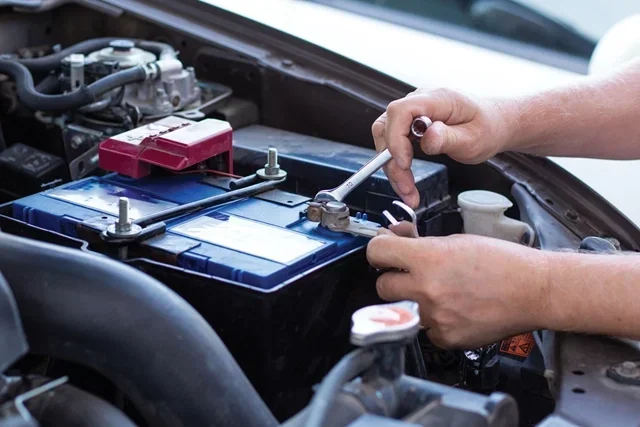
- Battery terminal wrench
- Penetrating oil (like WD-40 or PB Blaster) for seized bolts
- Multimeter for testing electrical connections
- Replacement starter motor
- Anti-seize compound for bolts
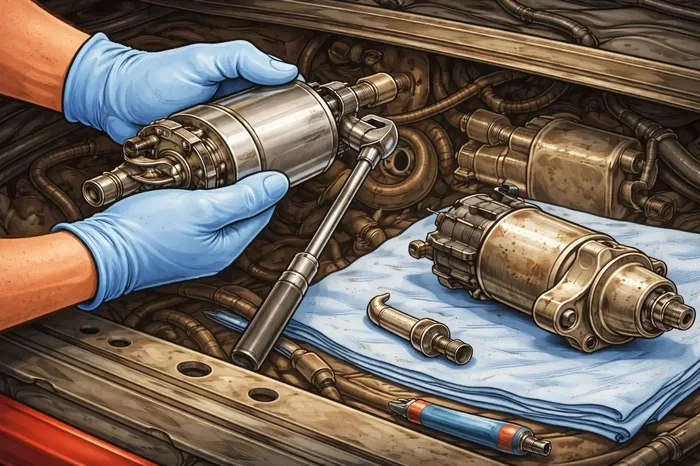
Step-by-Step Starter Replacement
Here is a simplified overview of the starter installation process. Always refer to your vehicle-specific service manual for exact procedures.
- Disconnect the battery. Always start by removing the negative terminal. This prevents electrical shorts and keeps you safe.
- Locate the starter. It is usually mounted near the engine and transmission junction. Follow the thick red cable from the battery to find it.
- Remove the electrical connections. Disconnect the solenoid wire and the main power cable. Take photos before disconnecting so you can remember the setup.
- Unbolt the starter. Remove the mounting bolts. If they are stuck, apply penetrating oil and let it sit for 10 to 15 minutes.
- Remove the old starter. Carefully pull it out, noting its orientation. You may need to wiggle it or rotate it slightly to clear surrounding components.
- Install the new starter. Position it in place and hand-thread the bolts first. Then tighten them securely with your wrench or socket.
- Reconnect the electrical connections. Attach the solenoid wire and power cable. Make sure all connections are tight and clean.
- Reconnect the battery. Attach the positive terminal first, then the negative.
- Test the starter. Turn the key and listen for a clean, strong crank. If it sounds right, you are done.
Tips for a Successful DIY Replacement
- Take your time. Rushing leads to mistakes and stripped bolts.
- Clean all connections. Use a wire brush to clean battery terminals and starter cable ends before reconnecting.
- Check your battery first. A weak battery can mimic starter symptoms. Test your battery voltage before replacing the starter.
- Use anti-seize on bolts. This makes future removal much easier and prevents corrosion.
- Compare the old and new starter. Make sure they look identical before installation. Wrong parts will not fit properly.
How to Save Money on Starter Replacement
Replacing a starter does not have to break the bank. With a little planning and smart decisions, you can significantly reduce your starter replacement cost. Here are practical ways to keep more money in your pocket.
Get Multiple Quotes
Do not just go with the first shop you find. Call at least three repair shops or dealerships and ask for a flat-rate estimate. Compare the starter replacement labor cost and parts price separately. This gives you a clear picture of where your money is going.
Consider Aftermarket Parts
OEM starters are reliable, but aftermarket options from quality brands offer excellent value. A Bosch or Denso aftermarket starter can save you $50 to $150 compared to the OEM part. Just make sure the brand has good reviews and a solid warranty.
Buy Your Own Starter Part
Some shops mark up parts significantly. By purchasing the starter yourself from a trusted retailer or online supplier, you can often save 20 to 40 percent on parts cost. Just make sure the part number matches your vehicle exactly.
Address Related Issues at the Same Time
If your mechanic needs to drop the starter for other reasons, ask them to check related components while they are at it. A starter solenoid replacement or battery cable repair is much cheaper when done alongside the main job, since the labor is already covered.
Maintain Your Battery and Electrical System
Prevention is the best money-saving strategy. A healthy battery reduces strain on your starter. Clean, tight connections prevent electrical resistance that wears out the starter faster. Regular vehicle maintenance checks can catch small issues before they turn into expensive repairs.
How Long Does a Starter Motor Last?
Most starter motors are built to last a long time. The average lifespan ranges from 100,000 to 150,000 miles, or roughly 7 to 10 years for the average driver. However, several factors can shorten or extend that lifespan.
Driving habits play a role. Frequent short trips and excessive cranking put more wear on the starter. Electrical system health matters too. A weak battery forces the starter to work harder, which accelerates wear. Engine temperature also affects longevity. Overheating can damage the starter’s internal components over time.
To get the most life out of your car starter, keep your battery in good condition, ensure clean wiring connections, and avoid holding the key in the start position for more than a few seconds at a time. These simple habits go a long way.
When to Seek Professional Help
While DIY replacement is possible for many vehicles, some situations call for a professional. If your starter is located in a very tight spot that requires special tools or engine removal, it is best to leave it to the experts. Also, if you are not comfortable working with electrical systems, a qualified technician is the safer choice.
Look for a mechanic who specializes in auto repair and has experience with your vehicle make and model. Ask friends for recommendations, read online reviews, and do not hesitate to ask questions about their experience with starter replacement jobs. A good mechanic will be transparent about labor time, costs, and any additional findings.
Remember that paying for professional labor is an investment. A proper installation reduces the risk of repeat repairs and keeps your vehicle running reliably for years to come.
Conclusion
So how many labor hours does it take to replace a starter? For most vehicles, the answer is between 1 and 4 hours. The exact time depends on your vehicle type, starter location, engine layout, and the condition of the old parts. Understanding these factors helps you budget accurately and avoid surprises.
Whether you choose a professional mechanic or a DIY approach, knowing what to expect makes the process smoother. Starter motor replacement is a common repair that thousands of mechanics handle every day. It is straightforward, well-understood, and usually affordable when addressed promptly.
Do not ignore the warning signs. A clicking sound, slow crank, or grinding noise should not be overlooked. The longer you wait, the more likely you are to face a no-start situation at the worst possible moment. Take action early, compare your options, and keep your ignition system in top shape.
With the right knowledge and a solid plan, you can handle your starter replacement with confidence. Your car will start right up, and you will have the peace of mind that comes from knowing the job was done right.
Frequently Asked Questions
How long does it take a mechanic to replace a starter?
Most mechanics can replace a starter in 1 to 3 labor hours for common vehicles. Complex setups or hard-to-reach starters may take up to 4 hours or more. The exact time depends on your vehicle’s engine layout and the condition of the old starter.
Is it worth replacing a starter yourself?
Yes, if you have basic mechanical skills and the right tools. DIY replacement can save you $100 to $200 in labor costs. However, if the starter is in a difficult-to-reach location, paying for professional starter installation is often the smarter choice.
What is the average cost to replace a starter?
The total cost for starter motor replacement typically ranges from $300 to $800. Labor costs make up about $150 to $600, while the starter part itself costs $50 to $350. Prices vary based on your vehicle and your location.
Can a bad battery cause starter problems?
Yes, a weak or dying battery can cause symptoms that mimic a bad starter. Slow cranking and intermittent starting are common signs of both issues. Always test your battery first before replacing the starter to avoid unnecessary repairs.
How do I know if my starter solenoid is bad?
A bad solenoid often produces a single click when you turn the key, but the engine does not crank. You may also hear a clicking sound that repeats rapidly. Testing the solenoid with a multimeter can confirm whether it needs replacement.
What happens if I keep driving with a failing starter?
Driving with a failing starter is risky. It can leave you stranded if the starter fails completely. Continued use of a worn starter can also damage the flywheel ring gear, which is a much more expensive repair. Address starter issues promptly to avoid bigger problems down the road.