How Long Can a Car Go Without an Oil Change Really
Most cars can go between 5,000 and 7,500 miles without an oil change when using modern synthetic oil, but the exact interval depends on your vehicle, driving habits, and oil type. Skipping oil changes risks engine damage, sludge buildup, and costly repairs that could have been easily prevented. This guide breaks down everything you need to know about oil change intervals and keeping your engine healthy.
Every car owner has asked this question at one point or another. “How long can a car go without an oil change really?” It is a simple question, but the answer is more nuanced than you might think. Whether you are a daily commuter or someone who only drives on weekends, understanding your oil change needs is essential. Skipping this basic maintenance task can lead to serious engine problems that cost thousands of dollars to fix.
The truth is, there is no one-size-fits-all answer. Your vehicle type, the kind of oil you use, your driving style, and even the climate you live in all play a role. In this article, we will walk you through everything you need to know about oil change intervals, the risks of going too long, and how to keep your engine running smoothly for years to come. Let us get into it.
Key Takeaways
- Oil change intervals vary: Most modern cars need an oil change every 5,000 to 7,500 miles, but older vehicles may require changes every 3,000 miles.
- Synthetic oil lasts longer: Full synthetic oil can extend intervals up to 10,000 miles, while conventional oil typically needs more frequent changes.
- Warning signs matter: Dark, gritty oil, engine noise, and dashboard lights all signal it is time for an oil change.
- Driving conditions count: Stop-and-go traffic, towing, and extreme heat shorten oil life significantly.
- Skipping oil changes is risky: Going too long without an oil change can cause engine sludge, reduced performance, and even engine failure.
- Check your owner manual: Your vehicle manufacturer provides the best guidance for your specific model and engine type.
📑 Table of Contents
- What Happens When You Skip an Oil Change
- How Long Can You Really Go Between Oil Changes?
- Signs Your Car Needs an Oil Change
- The Risks of Going Too Long Without an Oil Change
- Factors That Affect Oil Change Intervals
- Quick Tips for Keeping Your Engine Healthy
- How to Choose the Right Oil for Your Car
- Key Takeaways
- Conclusion
What Happens When You Skip an Oil Change
The Role of Engine Oil
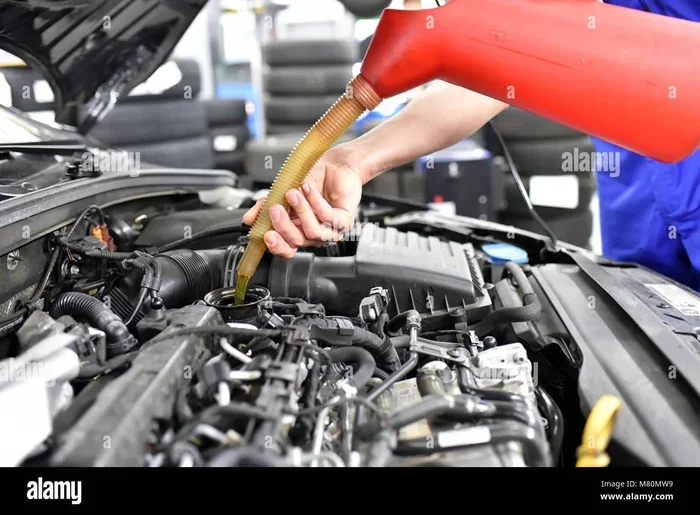
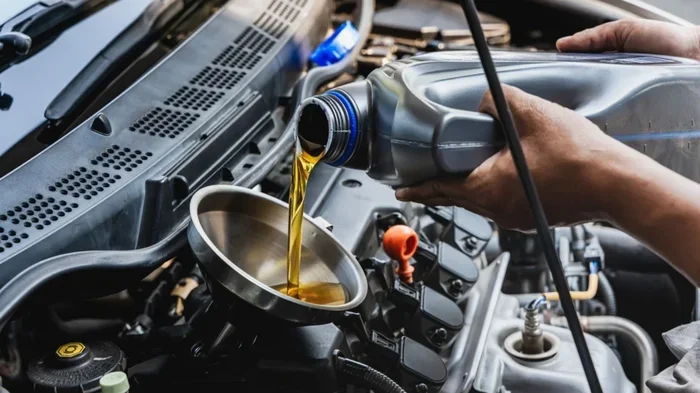
Engine oil is often called the lifeblood of your vehicle. It keeps all the moving parts inside your engine lubricated, reduces friction, and prevents metal-on-metal contact. Without clean oil, your engine would overheat and seize up in a matter of minutes. Think of it like the sweat that keeps your body cool during a workout. You would not skip drinking water during a marathon, right?
Over time, oil breaks down. It collects dirt, debris, and combustion byproducts. The additives that protect your engine wear out too. This is why regular oil changes are so important. Fresh oil keeps your engine performance at its best and extends the life of your vehicle.
What Oil Does Inside Your Engine
Engine oil does more than just lubricate. Here are the key jobs it performs every time you turn the key:
- Lubrication: Reduces friction between moving engine parts.
- Cooling: Helps absorb and carry away heat from the engine.
- Cleaning: Traps soot and debris to keep internal components clean.
- Sealing: Helps maintain a proper seal between pistons and cylinders.
- Corrosion protection: Prevents rust and wear on metal surfaces.
When oil degrades, it loses the ability to do these jobs effectively. That is when problems start to build up silently inside your engine.
How Long Can You Really Go Between Oil Changes?
The oil change interval has changed a lot over the years. Older vehicles and older oil types required changes every 3,000 miles. But modern engines and advanced oils have pushed those intervals much further. So how long can you really go?
Conventional Oil vs Synthetic Oil
The type of oil you use makes a huge difference. Here is a quick look at the two main types:
- Conventional oil: This is the standard oil found in many older vehicles. It typically needs an oil change every 3,000 to 5,000 miles. It is affordable and works well for basic driving needs.
- Synthetic oil: This is a lab-engineered oil that offers superior protection. It can last between 7,500 and 10,000 miles, or even longer in some cases. Many modern cars come filled with synthetic oil from the factory.
- Synthetic blend: A mix of conventional and synthetic. It offers a middle ground in terms of performance and cost. Intervals usually fall around 5,000 to 7,500 miles.
If you are unsure which type your car uses, check your vehicle owner manual. It will have the recommended oil viscosity and change intervals for your specific engine.
The 3,000-Mile Myth
You have probably heard the advice to change your oil every 3,000 miles. This used to be solid advice decades ago. But today, it is largely outdated. Modern oils and engines are far more advanced. Most car manufacturers now recommend intervals of 5,000 miles or more. Changing your oil every 3,000 miles when your car does not need it is simply a waste of money and resources.
That said, if you drive in severe conditions, sticking closer to the 3,000-mile mark is not a bad idea. We will cover what counts as severe driving in a moment.
Quick Comparison Table
| Oil Type | Typical Change Interval | Best For |
|---|---|---|
| Conventional Oil | 3,000 – 5,000 miles | Older vehicles, budget-conscious drivers |
| Synthetic Blend | 5,000 – 7,500 miles | Moderate driving conditions |
| Full Synthetic Oil | 7,500 – 10,000+ miles | Modern vehicles, extreme conditions |
| High-Mileage Synthetic | 5,000 – 7,500 miles | Vehicles with over 75,000 miles |
Signs Your Car Needs an Oil Change
Your car will tell you when it is time for an oil change. You just need to know what to look for. Ignoring these signs can lead to serious engine damage over time.
Warning Lights and Sounds
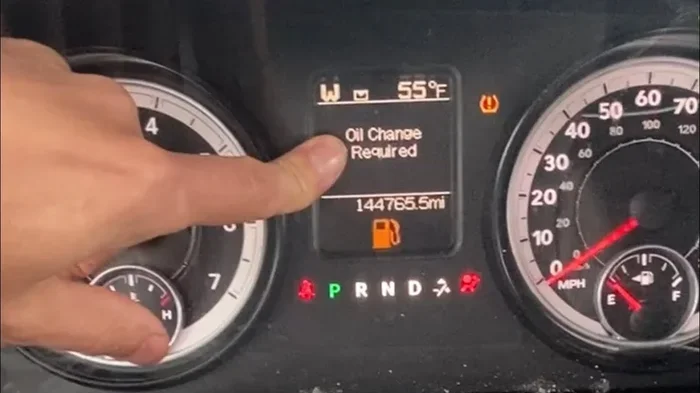
The most obvious sign is the check engine light or the oil pressure warning light on your dashboard. If either of these comes on, do not ignore it. Pull over safely and check your oil level. A loud knocking or ticking noise from the engine is another red flag. This usually means the oil is too old or too low to properly lubricate the engine parts.
Many modern vehicles also have an oil life monitoring system. This system tracks your driving habits and automatically alerts you when it is time for a change. It is a helpful tool, but it is still a good idea to check your oil manually every few weeks.
Visual Cues
You can learn a lot just by looking at your oil. Here is what to check:
- Color: Fresh oil is amber or golden. Dark brown or black oil means it has absorbed contaminants and needs to be replaced.
- Texture: Rub a drop between your fingers. If it feels gritty or rough, it has picked up too much debris.
- Level: Use the dipstick to check the oil level. If it is below the minimum mark, you need to add oil or schedule a change.
Making it a habit to check your oil once a month can save you from unexpected breakdowns. It takes less than five minutes and gives you peace of mind.
Expert Insight
Many mechanics agree that the oil life monitoring system in newer vehicles is quite accurate. However, they also recommend not waiting for the light to come on. Proactive oil changes, even a little before the recommended interval, can go a long way in preventing engine wear. As one seasoned mechanic puts it, “Oil is cheap. Engine replacements are not.”
The Risks of Going Too Long Without an Oil Change
So what actually happens if you push your oil change way past the recommended interval? The risks are real and can be expensive.
Engine Damage and Sludge Buildup
When oil sits in your engine too long, it begins to break down. It loses its viscosity and its ability to flow properly. This leads to increased friction between engine parts. Over time, the old oil turns into a thick, dark substance called sludge. Sludge clogs oil passages and prevents oil from reaching critical components.
The result can be overheating, warped engine parts, or in the worst case, a completely seized engine. A seized engine means your car is done until you pay for a very expensive repair or replacement.
Reduced Fuel Efficiency
Dirty oil makes your engine work harder. When parts are not properly lubricated, there is more resistance. This means your engine burns more fuel to do the same work. You will notice it at the pump. Fresh oil keeps your engine running efficiently and can actually help you save a little money on gas over time.
Voided Warranty
If your vehicle is still under warranty, skipping or delaying oil changes can void that warranty. Manufacturers require proof of regular maintenance. If something goes wrong with your engine and you cannot show a record of timely oil changes, you could be left paying for repairs entirely out of pocket.
Common Mistakes to Avoid
- Ignoring the oil change light: It is there for a reason. Do not keep resetting it.
- Using the wrong oil type: Always match your oil to your manufacturer’s recommendation.
- Forgetting to change the oil filter: A clogged filter can negate the benefits of fresh oil.
- Guessing instead of checking: Do not rely on how your car “feels.” Trust the data and the manual.
Factors That Affect Oil Change Intervals
Not all driving is equal. Some driving habits and conditions cause oil to degrade faster. Understanding these factors helps you decide when to actually change your oil, not just when the calendar says to.
Driving Conditions and Habits
Certain driving situations are considered “severe” by most manufacturers. If you regularly experience any of the following, you should shorten your oil change schedule:
- Stop-and-go traffic: Frequent idling and low-speed driving cause oil to heat up unevenly.
- Short trips: Trips under five miles do not allow the engine to fully warm up. Moisture and fuel can contaminate the oil.
- Towing or hauling heavy loads: Extra weight puts more stress on the engine and the oil.
- Extreme temperatures: Both very hot and very cold climates accelerate oil breakdown.
- Dusty or gravel roads: More particles enter the engine and contaminate the oil faster.
If any of these sound like your daily routine, consider sticking closer to the lower end of your recommended interval. It is better to be safe than sorry.
Vehicle Age and Mileage
Older vehicles with higher mileage tend to burn oil faster and may need more frequent changes. Cars with over 75,000 miles often benefit from high-mileage oil, which contains special additives to condition seals and reduce oil consumption. If you own a veteran vehicle, pay extra attention to your oil levels between changes.
Quick Tips for Keeping Your Engine Healthy
Keeping your engine in great shape does not have to be complicated. Here are some simple tips that make a big difference:
- Check your oil monthly: It only takes a few minutes and helps you catch problems early.
- Set a reminder: Use your phone or calendar to track when your next oil change is due.
- Keep a maintenance log: Write down every oil change, including the date, mileage, and oil type. This record is invaluable for resale and warranty claims.
- Do not skip the oil filter: Always replace the filter when you change the oil. A clean filter keeps contaminants out of your fresh oil.
- Use quality oil and filters: Stick with reputable brands that meet your vehicle’s specifications.
- Listen to your car: Unusual noises, vibrations, or smells are early warning signs. Do not wait for them to become big problems.
Expert Insight
Automotive experts consistently emphasize that preventive maintenance is far cheaper than reactive repairs. Changing your oil on schedule is the single most impactful thing you can do for your vehicle’s longevity. A simple oil change costs between $40 and $100. An engine replacement can cost anywhere from $4,000 to $8,000 or more. The math is clear.
Many quick-lube shops and dealerships now offer digital reminders and service tracking. Take advantage of these tools. They remove the guesswork and help you stay on top of your car maintenance schedule.
How to Choose the Right Oil for Your Car
Walking into an auto parts store and staring at rows of oil bottles can be overwhelming. Here is how to make the right choice.
Check Your Owner Manual
Your vehicle owner manual is the best place to start. It will list the recommended oil viscosity (like 5W-30 or 0W-20) and whether your engine needs conventional, synthetic, or blend oil. Follow these guidelines closely. Using the wrong oil can affect engine performance and even void your warranty.
Consider Your Climate
Oil viscosity ratings are designed to perform well in specific temperature ranges. The “W” in 5W-30 stands for “winter.” A lower number means the oil flows better in cold temperatures. If you live in a very cold climate, a thinner oil like 0W-20 might be a better choice. In hot climates, a slightly thicker oil can help maintain proper protection.
When in Doubt, Ask a Professional
If you are not sure which oil is best for your car, ask a trusted mechanic. They know your vehicle and your local driving conditions. A quick conversation can save you a lot of trouble down the road.
Key Takeaways
- Oil change intervals vary: Most modern cars need an oil change every 5,000 to 7,500 miles, but older vehicles may require changes every 3,000 miles.
- Synthetic oil lasts longer: Full synthetic oil can extend intervals up to 10,000 miles, while conventional oil typically needs more frequent changes.
- Warning signs matter: Dark, gritty oil, engine noise, and dashboard lights all signal it is time for an oil change.
- Driving conditions count: Stop-and-go traffic, towing, and extreme heat shorten oil life significantly.
- Skipping oil changes is risky: Going too long without an oil change can cause engine sludge, reduced performance, and even engine failure.
- Check your owner manual: Your vehicle manufacturer provides the best guidance for your specific model and engine type.
Conclusion
So, how long can a car go without an oil change really? The honest answer is that it depends on your vehicle, your oil type, and your driving conditions. But one thing is certain: regular oil changes are one of the simplest and most affordable ways to protect your engine and extend the life of your car.
Do not wait for warning signs to appear. Stay proactive. Check your oil, follow your manufacturer’s recommendations, and do not fall for the 3,000-mile myth if your modern car does not need it. A little maintenance today saves you from major headaches tomorrow. Your engine works hard for you every day. Give it the care it deserves with timely oil changes.
Whether you do it yourself or visit a mechanic, make oil changes a non-negotiable part of your car maintenance routine. Your future self and your wallet will thank you.
Frequently Asked Questions
How often should I change my oil?
Most modern cars need an oil change every 5,000 to 7,500 miles when using synthetic oil. Older vehicles or those using conventional oil may need changes every 3,000 to 5,000 miles. Always check your vehicle owner manual for the specific oil change interval recommended by the manufacturer.
Can I just add oil instead of getting a full oil change?
Adding oil is only a temporary fix. It does not replace the old, contaminated oil or the filter. Over time, debris and sludge build up in the old oil. A full oil change removes the dirty oil and the used filter, replacing them with fresh, clean oil that properly protects your engine.
What is an oil life monitoring system?
An oil life monitoring system is a computer-based feature in modern vehicles that tracks driving conditions, mileage, and engine temperature to estimate when your oil needs to be changed. It is a helpful tool, but it is still wise to visually inspect your oil regularly and not rely solely on the system.
Does synthetic oil really last longer than conventional oil?
Yes, synthetic oil is engineered to last longer and provide better protection. It can typically go between 7,500 and 10,000 miles before needing a change, compared to 3,000 to 5,000 miles for conventional oil. The trade-off is a higher upfront cost, but the extended interval often makes it more cost-effective over time.
What happens if I go too long without an oil change?
Going too long without an oil change causes the oil to degrade and form sludge. This reduces lubrication, increases engine heat, and can lead to serious engine damage. In extreme cases, the engine can seize completely, requiring a costly replacement or total vehicle loss.
Is it bad to change oil too often?
Changing your oil more frequently than recommended will not harm your engine, but it is an unnecessary expense. Modern oils are designed to last the recommended intervals. If you are unsure, stick to your manufacturer’s guidelines and consult a trusted mechanic for personalized advice.