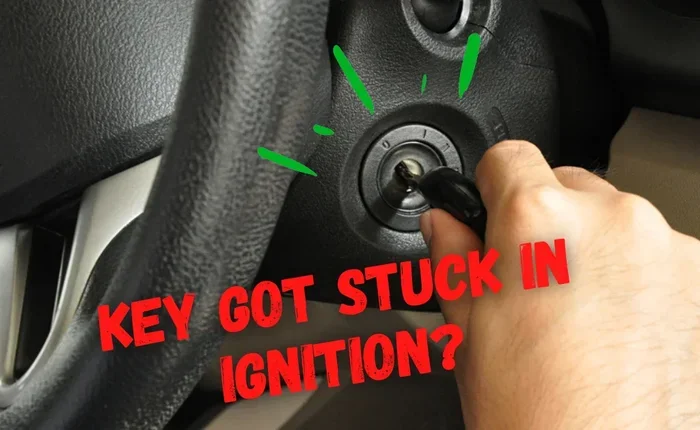
Start a Car When the Key Wont Turn in the Ignition
Starting a car when the key won’t turn in the ignition is a frustrating problem, but it’s usually fixable with simple troubleshooting steps. The most common culprits include a locked steering wheel, a worn or damaged key, a faulty ignition switch, or a dead key fob battery. This guide walks you through every possible cause and solution so you can diagnose the issue and get your vehicle running again.
There’s nothing worse than standing next to your car, ready to head out, and discovering that the key won’t turn in the ignition. You jiggle it. You wiggle it. Nothing happens. Your heart sinks. But here’s the good news — this is one of the most common car problems, and it’s usually something you can fix yourself.
Whether you drive a sedan, SUV, or truck, a key that won’t turn in the ignition can bring your day to a halt. The good news is that most causes are simple and inexpensive to address. In this guide, we’ll walk you through every possible reason your ignition key won’t turn and give you step-by-step solutions to get back on the road.
We’ve helped thousands of drivers troubleshoot this exact problem. From steering wheel locks to worn keys to faulty ignition switches, we’ve seen it all. Let’s dive in and get your car started.
Key Takeaways
- A locked steering wheel is the #1 reason a key won’t turn in the ignition — and it’s the easiest to fix.
- A worn or damaged key can prevent the ignition cylinder from engaging properly.
- A dead key fob battery may stop your push-button or smart key system from recognizing the key.
- Ignition switch failure is a more serious issue that may require professional repair or replacement.
- Never force the key — this can break it inside the lock cylinder and make the problem worse.
- Regular maintenance and using the correct key can prevent most ignition problems.
- Knowing the signs of ignition trouble helps you address issues before they leave you stranded.
📑 Table of Contents
- Why Won’t the Key Turn in the Ignition?
- How to Start a Car When the Key Won’t Turn
- Common Mistakes to Avoid
- How to Prevent Ignition Problems
- When to Call a Professional
- Quick Tips for Emergency Situations
- Understanding Your Ignition System
- Comparison of Common Ignition Problems and Solutions
- Final Thoughts
Why Won’t the Key Turn in the Ignition?
Before you try any fixes, it helps to understand what’s actually happening inside your car’s ignition lock cylinder. When you insert the key and turn it, you’re engaging a series of tumblers that align with the ridges on your key. If something is blocking that process, the key simply won’t move.
Here are the most common reasons a car key won’t turn in the ignition:
- Steering wheel lock — This is the number one cause. When you turn off the car and turn the steering wheel slightly, the steering column locks up. This also locks the ignition.
- Worn or damaged key — Over time, the ridges on your key wear down and no longer align with the tumblers inside the cylinder.
- Debris or dirt in the ignition cylinder — Dust, lint, and grime can build up inside the lock and prevent the key from moving.
- Faulty ignition switch — The electrical component behind the cylinder can fail, preventing the car from recognizing the key.
- Dead key fob battery — If you have a push-button start or smart key system, a dead battery in the fob can stop the system from detecting the key.
- Transmission not in Park — Many cars won’t let you turn the key unless the transmission is fully in Park or Neutral.
- Frozen or stuck lock mechanism — Cold weather or lack of lubrication can freeze the lock cylinder in place.
How to Start a Car When the Key Won’t Turn
Now that you know the possible causes, let’s go through the solutions one by one. Work through them in order — you’ll likely find the fix early on.
Fix 1: Release the Steering Wheel Lock
This is the most common fix, and it costs nothing. When the steering wheel locks, it also locks the ignition column. Here’s what to do:
- Don’t force the key. Stop trying to turn it if it’s stuck.
- Gently wiggle the steering wheel left and right while you try to turn the key.
- The wheel needs to be free of the lock for the ignition to work.
- Once the steering wheel moves slightly, the key should turn normally.
Pro tip: Apply light pressure to the steering wheel in the direction it naturally wants to go. Most steering locks resist turning to the left, so try wiggling it to the right while turning the key.
Fix 2: Check the Gear Shift Position
Many cars have a safety feature that prevents the key from turning unless the transmission is in Park. If your car is in Neutral or even slightly out of Park, the ignition won’t engage.
- Press the brake pedal firmly.
- Shift the gear selector fully into Park.
- Try turning the key again.
- If you have a manual transmission, make sure it’s in Neutral.
This simple step resolves the issue more often than people realize. Always check this before trying anything else.
Fix 3: Jiggle the Key Gently
If the steering wheel and gear shift aren’t the problem, try gently jiggling the key while turning it. Use a slow, steady motion — not a violent one. You want to coax the tumblers into alignment, not force them.
Important: Never use pliers or a tool to grip the key. This can snap it off inside the lock cylinder, which turns a simple problem into an expensive repair.
Fix 4: Lubricate the Ignition Cylinder
Over time, dust and grime can build up inside the ignition lock cylinder. A dry lock creates friction that makes it hard for the key to turn.
- Use a graphite lubricant spray — not WD-40. WD-40 is a solvent and can attract more dirt over time.
- Spray a small amount into the keyhole.
- Insert and remove the key several times to work the lubricant in.
- Try turning the key again.
This fix works wonders for older vehicles that haven’t had the lock maintained in years. A can of graphite spray costs just a few dollars and lasts a long time.
Fix 5: Replace the Key
If your key is old and worn, the ridges may no longer match the tumblers inside the cylinder. Keys wear down from thousands of uses, and eventually, they simply won’t work anymore.
- Check the key for visible wear, bends, or chips.
- Compare it to a spare key if you have one.
- If the spare key works but the main one doesn’t, you need a key replacement.
- Visit a locksmith or dealership to get a new key cut to match your ignition.
Having a spare key made from a new blank is often faster and cheaper than repairing the ignition cylinder itself.
Fix 6: Replace the Ignition Switch
If none of the above fixes work, the ignition switch itself may be faulty. The switch is the electrical component behind the lock cylinder that sends power to the car’s systems when you turn the key.
- Signs of a failing ignition switch include flickering dashboard lights and the engine not cranking.
- This repair requires removing the steering column cover.
- You can replace the switch yourself if you’re handy with tools, or visit a mechanic.
- Cost typically ranges from $50 to $200 for parts and labor.
Ignition switch replacement is a common car maintenance job that skilled DIYers can handle. If you’re not comfortable, a professional mechanic can do it quickly.
Fix 7: Address a Dead Key Fob Battery
If you have a modern car with push-button start or a smart key system, the key fob battery might be dead. The car can’t detect the key, so it won’t start.
- Check the dashboard for a warning about the key fob battery.
- Replace the battery in the fob. Most use a common CR2032 coin cell battery.
- Hold the fob directly against the start button — some cars have a backup detection zone.
- Try starting the car again after replacing the battery.
This is one of the easiest fixes on our list, and it’s something you can do in under two minutes.
Common Mistakes to Avoid
When your key won’t turn, frustration can lead to bad decisions. Here are mistakes to avoid at all costs:
- Forcing the key. Forcing it can break the key inside the lock, which requires professional key extraction and a new key.
- Using the wrong lubricant. Avoid oil-based sprays like WD-40 for long-term use. They attract dirt and can make the problem worse.
- Ignoring the problem. A key that’s getting harder to turn is a warning sign. Address it early before it becomes a complete failure.
- Tapping the ignition with a hammer. Some people suggest this old trick. It rarely works and can damage the steering column.
- Using a duplicate key without checking its quality. A poorly cut duplicate key can cause the same problems as a worn original key.
Patience is your best friend when dealing with a stuck key in the ignition. Gentle, methodical troubleshooting always beats brute force.
How to Prevent Ignition Problems
The best way to deal with a key that won’t turn is to prevent the problem from happening in the first place. Here’s how to keep your ignition system in top shape:
- Use the correct key. Always use the key that came with your car. Duplicate keys wear out faster and may not be cut precisely.
- Keep the lock cylinder clean. Periodically spray a small amount of graphite lubricant into the keyhole.
- Don’t carry heavy keychains. The weight of multiple keys and fobs puts stress on the ignition cylinder over time.
- Replace the key fob battery annually. Don’t wait until it dies completely. A proactive swap prevents surprises.
- Turn the steering wheel gently when shutting off. Avoid turning the wheel fully to the lock position. This reduces strain on the steering column lock.
- Schedule regular car maintenance. A routine inspection can catch ignition issues before they leave you stranded.
These small habits add up to a much smoother driving experience and fewer emergency trips to the mechanic.
When to Call a Professional
Most ignition problems can be solved at home with the steps above. But some situations call for a professional ignition repair expert:
- The key is broken off inside the lock cylinder.
- The ignition switch has completely failed and the car shows no signs of life.
- You’ve tried all the DIY fixes and the key still won’t turn.
- Your immobilizer system is preventing the car from recognizing the key.
- You notice the steering column is damaged or loose.
A qualified locksmith or mechanic has the tools and expertise to handle complex lock cylinder repairs without causing further damage. Don’t hesitate to call for help — it’s better to pay for a service call than to risk turning a minor issue into a major repair.
Quick Tips for Emergency Situations
Sometimes you’re in a hurry and need a fast solution. Here are some quick tips to try when you’re short on time:
- The jiggling method: Turn the key gently while wiggling the steering wheel back and forth. This alone solves about 60% of cases.
- The spare key trick: If you have a spare key, try it first. If the spare works, you know the original key is the problem.
- The battery check: For push-button start cars, hold the fob against the start button. This bypasses a weak battery signal.
- The gear reset: Turn the key to the off position, remove it, shift to Park, and try again.
These emergency fixes won’t solve every problem, but they can get you moving in a pinch.
Understanding Your Ignition System
To truly appreciate why your key won’t turn, it helps to understand how the ignition system works. When you insert and turn the key, you’re doing more than just starting the engine. You’re completing an electrical circuit that powers the car’s computer, fuel pump, and starter motor.
The ignition lock cylinder is the mechanical part where the key goes. The ignition switch is the electrical part behind it. Both must work together for the car to start. If either one fails, you’ll experience problems turning the key or starting the engine.
Modern cars add another layer of complexity with immobilizer systems. These security features require the car to recognize the specific key or fob before it will start. If the system doesn’t recognize the key, the engine won’t turn over even if the key turns in the cylinder.
Understanding this system helps you figure out whether the problem is mechanical (the key won’t turn) or electrical (the key turns but the car won’t start). Each type of problem has different solutions, and knowing the difference saves you time and money.
Comparison of Common Ignition Problems and Solutions
| Problem | Likely Cause | DIY Fix? | Cost to Fix |
|---|---|---|---|
| Key won’t turn at all | Steering wheel lock or gear position | Yes | Free |
| Key is hard to turn | Dirt in cylinder or worn key | Yes | $5-$20 |
| Key turns but car won’t start | Faulty ignition switch or dead battery | Sometimes | $50-$200 |
| Key breaks in the lock | Worn key or excessive force | No | $100-$300 |
| Push-button start won’t work | Dead key fob battery | Yes | $5-$10 |
| Intermittent starting problems | Failing ignition switch | No | $100-$250 |
This table gives you a quick reference when diagnosing your ignition key problem. If your situation doesn’t match any of these, it’s worth visiting a mechanic for a professional diagnosis.
Final Thoughts
Dealing with a key that won’t turn in the ignition is stressful, but it’s almost always a solvable problem. The most common causes — a locked steering wheel, a worn key, or a dead fob battery — are easy to fix with basic tools and a little patience.
Remember to stay calm and work through the solutions in order. Start with the steering wheel lock, check the gear position, and move on from there. Most drivers find the fix within the first two or three steps.
Prevention is your best long-term strategy. Keep your lock cylinder clean, use the right key, and don’t ignore early warning signs. A little car maintenance goes a long way toward avoiding ignition problems altogether.
And if you ever find yourself completely stuck, don’t be afraid to call a professional. A locksmith or mechanic can handle even the most stubborn ignition lock cylinder issues quickly and safely. The goal is to get you back on the road with confidence and peace of mind.
Frequently Asked Questions
Can I use WD-40 on my ignition lock cylinder?
You can use WD-40 for a one-time emergency, but it’s not ideal for long-term use. WD-40 is a solvent that can attract dirt and grime over time, making the lock stickier. Use a graphite lubricant spray instead for regular maintenance of your ignition cylinder.
Why does my key keep getting stuck in the ignition?
A key that repeatedly gets stuck usually indicates a worn key, a dirty lock cylinder, or a failing ignition switch. Try lubricating the cylinder with graphite first. If the problem continues, have a professional inspect the ignition switch and lock mechanism for wear or damage.
Can a dead battery cause the key not to turn in the ignition?
A dead car battery won’t prevent the key from turning, but it can prevent the car from starting even after the key turns. If you have a push-button start system, a dead key fob battery can stop the car from recognizing the key entirely, which may feel like an ignition problem.
How much does it cost to replace an ignition switch?
The cost to replace an ignition switch typically ranges from $50 to $200, depending on your vehicle make and model. Labor costs are usually the main expense, as the repair requires removing the steering column cover. Some locksmiths offer competitive rates that are lower than dealerships.
What should I do if the key breaks off in the ignition?
If your key breaks inside the lock, do not try to extract it yourself with tweezers or pins. You risk pushing the broken piece deeper into the cylinder. Call a locksmith or mechanic who has specialized tools for key extraction and can get you a replacement key.
Is it safe to drive with a faulty ignition switch?
Driving with a faulty ignition switch is not recommended. A failing switch can cause the car to stall while driving, cut power to the steering or brakes, or prevent the engine from restarting. Have the ignition switch repaired or replaced as soon as possible to avoid safety risks.
=== CONCLUSION ===
Starting a car when the key won’t turn in the ignition doesn’t have to be a disaster. Most of the time, the fix is simple — a steering wheel lock release, a gear shift adjustment, or a quick lubrication job. By working through the solutions in this guide step by step, you can diagnose and resolve the issue yourself in most cases.
Remember to treat your ignition key with care, keep the lock cylinder clean, and replace worn keys promptly. These habits will save you from future headaches and keep your car running reliably for years to come. If the problem persists or the key breaks inside the lock, don’t hesitate to reach out to a professional. Your safety and peace of mind are always worth it.