How Do You Remove Windshield Wipers Easily and Safely
Removing your windshield wipers is a simple maintenance task that every car owner should know. This guide walks you through the entire process of safely removing wiper blades, wiper arms, and old rubber squeegees from your windshield. You will learn how to identify different connector types, avoid common mistakes, and prepare for a smooth wiper blade replacement. Whether you need to replace worn wipers or clean your windshield, these steps make the job fast and hassle-free.
Have you ever stood in front of your car, staring at your windshield wipers, wondering how on earth you are supposed to get them off? You are not alone. Many car owners put off windshield wiper maintenance simply because they do not know where to start. The truth is, learning how to remove windshield wipers is one of the easiest and most useful skills you can pick up as a vehicle owner.
Whether your wiper blades are streaking, chattering, or simply old and worn, removing them is the first step toward a clearer windshield and safer driving. In this guide, we will walk you through every single step of the process. We will cover the tools you need, the different types of connectors you might find, and the common mistakes to avoid. By the time you finish reading, you will feel confident enough to handle the job yourself.
Let us be real for a second. You do not need a mechanic to change your wiper blades. You do not even need special training. All you need is a little patience, the right approach, and this guide to walk you through it. So grab your gloves, and let us get started.
Key Takeaways
- Prepare before you start: Gather the right tools and park your car in a safe, flat spot before attempting to remove your windshield wipers.
- Know your connector type: Hook-style, bayonet-style, and side pin connectors are the most common types you will encounter when removing wiper blades.
- Never pull the wiper arm away from the windshield: This can crack the glass. Always keep the arm controlled and close to the windshield during removal.
- Replace wiper blades regularly: Changing your wiper blades every 6 to 12 months keeps your windshield visibility clear and your rubber squeegee in top condition.
- Use protective cloth when removing wipers: Wrapping a cloth around the wiper arm prevents scratches and damage to your windshield glass.
- Reinstall with care: Listen for the click when reattaching new wiper blades to ensure they are properly secured.
- Clean your windshield after removal: This is the perfect time to wash your windshield and wiper fluid reservoir area for optimal performance.
📑 Table of Contents
- Why You Might Need to Remove Windshield Wipers
- Tools and Materials You Will Need
- Step-by-Step Guide to Remove Windshield Wipers
- Common Mistakes to Avoid When Removing Windshield Wipers
- Installing New Windshield Wipers
- How Often Should You Replace Your Windshield Wipers?
- Maintenance Tips to Extend Wiper Blade Life
- Expert Insight on Wiper Blade Selection
- Conclusion
Why You Might Need to Remove Windshield Wipers
There are several reasons why you might need to take your windshield wipers off. Understanding these reasons helps you appreciate the importance of doing the job correctly.
Replacing Worn Wiper Blades
Over time, the rubber on your wiper blades wears down. Sun, rain, dirt, and cold weather all take a toll on the rubber squeegee. When this happens, your wipers leave streaks, skip across the glass, or make annoying chattering noises. Replacing the blades is the most common reason people remove windshield wipers.
Most experts recommend swapping out your wiper blades every six to twelve months. If you live in a harsh climate with lots of sun or extreme cold, you might need to replace them even more often. A clean windshield depends on fresh wiper blades that make proper contact with the glass.
Cleaning the Windshield and Wiper Area
Sometimes you just need to give your windshield and the area around the wiper arms a deep clean. Removing the wipers gives you full access to the glass surface and the rubber squeegee channel. This is a great time to wash away built-up grime, tree sap, or road grime that has accumulated near the base of the wipers.
Winter Damage or Ice Buildup
If you live in a cold climate, ice and frost can freeze your windshield wipers to the glass. In some cases, the rubber can become brittle and crack during winter months. Removing the wipers allows you to inspect them more closely and prevent further damage to both the blades and your windshield.
Upgrading to Better Wiper Blades
Maybe you want to upgrade from standard wiper blades to a premium option like beam-style wipers or winter-grade wipers. Whatever your upgrade plan, the first step is always to remove the old ones. Many drivers also switch to OEM wiper blades that match their vehicle make and model for a perfect fit.
Tools and Materials You Will Need
Before you start removing your windshield wipers, make sure you have everything ready. Having the right tools on hand makes the job faster and prevents frustration.
- New replacement wiper blades – Make sure you have the correct size for your vehicle. Check your owner manual or measure the old blades before purchasing.
- Soft cloth or towel – You will use this to protect your windshield from scratches when handling the wiper arms.
- Flat-head screwdriver or pry tool – Some wiper blade connectors require a little extra leverage to release.
- Windshield cleaner – Use this to clean the glass after you remove the wipers.
- Gloves – Optional, but they keep your hands clean and protected.
That is really it. You do not need any fancy equipment. A simple household setup is all you need to successfully remove and replace your windshield wipers at home.
Step-by-Step Guide to Remove Windshield Wipers
Now we get to the heart of the matter. Follow these steps carefully, and you will have your old wiper blades off in no time.
Step 1: Park Your Car Safely
Start by parking your car on a flat, stable surface. Turn off the engine and make sure the ignition is off. If it is cold outside, wait a few minutes for any ice on the wipers to thaw before you attempt removal. Never try to force a frozen wiper off your windshield because you risk cracking the glass or damaging the wiper motor.
Raise the wiper arms away from the windshield so they stand upright. This gives you better access and keeps the rubber squeegee from dragging across the glass while you work.
Step 2: Identify the Connector Type
This is a crucial step. Wiper blade connectors come in different styles, and each one releases differently. Before you try to pull anything, take a close look at where the wiper blade connects to the wiper arm. Here are the three most common types:
- Hook-style connector – This is the most common type found on many vehicles. It has a small hook that clicks over a tab on the wiper arm.
- Bayonet-style connector – This type has a straight pin that slides into a slot on the arm. It releases with a push or a button press.
- Side pin connector – This connector uses a pin that inserts from the side of the wiper arm. It is common on European and Asian vehicles.
Knowing which type you have will save you a lot of time and effort. If you are unsure, check your vehicle manual or look up your make and model online to find the specific wiper blade connector type.
Step 3: Release the Wiper Blade from the Arm
Now it is time to actually remove the wiper blade from the wiper arm. The exact method depends on your connector type.
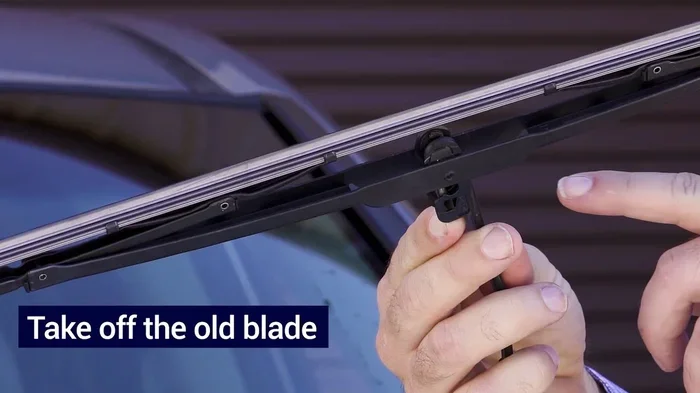
For a hook-style connector, look for a small tab or release button on the connector. Press or slide it while gently pulling the wiper blade downward and away from the arm. You should feel the blade release with a slight click.
For a bayonet-style connector, simply push the pin inward or press the release button, and the blade will slide off the arm.
For a side pin connector, you may need to use a flat-head screwdriver or pry tool to gently lift the pin out of its slot. Be careful not to apply too much force.
Throughout this process, hold the wiper arm steady. Never let the arm snap back onto the windshield uncontrolled. Use your free hand to hold the arm close to the glass to prevent any damage.
Step 4: Remove the Wiper Blade Completely
Once the blade is released from the arm, carefully slide it out from the base of the arm. Hold the blade by the plastic frame, not the rubber squeegee. The rubber is delicate and can tear if you handle it roughly.
Set the old blade aside. If you are disposing of it, wrap it in a cloth or paper to avoid accidentally scratching your car or cutting yourself on the rubber edge.
Step 5: Inspect the Wiper Arm
With the old wiper blade removed, take a moment to inspect the wiper arm. Look for any signs of rust, corrosion, or damage. A damaged wiper arm can cause streaking or poor contact with the windshield. If the arm is bent or corroded, you may need to replace the entire arm, not just the blade.
Also, check the base of the arm where it connects to the vehicle. Make sure the pivot point is secure and does not wobble. A loose wiper arm will not clear your windshield properly.
Step 6: Clean the Windshield
Now that your windshield wipers are off, this is the perfect opportunity to give your windshield a thorough cleaning. Use a quality windshield cleaner and a microfiber cloth to wipe down the entire glass surface. Pay special attention to the areas where the wipers sat, as grime tends to build up in those spots.
Clean the rubber channel on the wiper arm as well. Old rubber residue can accumulate there and affect the performance of your new wiper blades.
Common Mistakes to Avoid When Removing Windshield Wipers
Even though removing windshield wipers is a straightforward task, mistakes do happen. Here are the most common errors to watch out for.
Pulling the Wiper Arm Away Too Quickly
This is the number one mistake people make. The wiper arm is spring-loaded and is under tension. If you release it suddenly, it can snap back onto the windshield and crack the glass. Always control the arm with your hand as you remove the blade.
Forcing a Stuck Connector
If the connector feels stuck, do not force it. Stop and figure out what type of connector you are dealing with. Forcing a bayonet-style connector or side pin connector can break the release mechanism, leaving you with a wiper blade that is even harder to remove.
Removing the Wrong Blade
Before you start, double-check that you are removing the correct wiper blade. Many vehicles have different sizes for the driver and passenger sides. Removing the wrong one can lead to confusion and wasted time.
Forgetting to Turn Off the Ignition
Always make sure your car is completely off before you start working on the wipers. If the ignition is on, the wiper motor could activate unexpectedly, which can be dangerous.
Not Protecting the Windshield
Always place a cloth between the wiper arm and the windshield when you set the arm down. Even a small scratch on your windshield can be expensive to repair and distracting while driving.
Installing New Windshield Wipers
Once you have removed the old windshield wipers and cleaned everything up, it is time to put the new ones on. Here is a quick overview of the installation process.
Match the New Blades to the Correct Arms
Make sure you know which new blade goes on which side. The driver and passenger sides are often different lengths. Mixing them up will result in poor coverage and streaking on your windshield.
Attach the New Blade to the Wiper Arm
Slide the new wiper blade onto the arm connector in the same way the old one came off. For a hook-style connector, you will hear or feel a click when it locks into place. For a bayonet-style connector, push the blade firmly until the pin engages. For a side pin connector, slide the blade on and make sure the pin is fully seated.
After installation, gently tug on the blade to confirm it is secure. A properly attached wiper blade should not wiggle or slide off the arm.
Lower the Wiper Arms Back onto the Windshield
Slowly lower the wiper arm back down onto the windshield. Do not let it snap down. Place it gently so the rubber squeegee makes even contact with the glass.
Test the New Wipers
Turn on your vehicle and activate the wipers. Apply a little windshield wiper fluid and run the wipers through a few cycles. Check for smooth operation, even coverage, and no streaking. If everything looks and sounds good, you are all set.
How Often Should You Replace Your Windshield Wipers?
The general rule of thumb is to replace your wiper blades every six to twelve months. However, several factors can shorten or extend this timeline.
If you live in an area with extreme sun exposure, the UV rays will break down the rubber on your wiper blades faster. Similarly, if you frequently drive in rain, snow, or dusty conditions, your wipers will wear out more quickly. On the other hand, if you mostly park in a garage and rarely use your wipers, they may last a bit longer.
Watch for warning signs that your wiper blades need replacing. Streaking, chattering, skipping, or smearing across the windshield are all clear indicators. If your wipers leave visible marks or make noise during operation, it is time for a change.
Investing in quality OEM wiper blades or well-reviewed aftermarket options can make a big difference in performance. Cheap blades may save you a few dollars upfront, but they often wear out faster and do not clean as effectively.
Maintenance Tips to Extend Wiper Blade Life
Taking care of your windshield wipers can help them last longer and perform better. Here are some simple maintenance tips to keep in mind.
- Clean your wipers regularly: Wipe down the rubber squeegee with a damp cloth to remove dirt and oil buildup. This keeps the blade gliding smoothly across the windshield.
- Use windshield wiper fluid: Never use your wipers on a dry windshield. Always apply wiper fluid first to lubricate the glass and reduce friction on the rubber.
- Lift the wipers in winter: During cold weather, lift the wiper arms away from the windshield to prevent them from freezing to the glass. This also reduces wear on the rubber.
- Avoid using wipers to scrape ice: Your wiper blades are designed for wiping water, not scraping ice. Use an ice scraper instead to protect the rubber squeegee.
- Store your car in a garage when possible: Protecting your vehicle from direct sun and harsh weather extends the life of your windshield wipers and other components.
Expert Insight on Wiper Blade Selection
When shopping for new wiper blades, you will notice several different options on the market. Beam-style wipers, traditional bracket wipers, and winter wipers all serve different purposes.
Beam-style wipers are the most popular choice for everyday driving. They have a sleek design with no exposed metal frame, which reduces streaking and improves contact with curved windshield surfaces. Winter wipers feature a protective rubber boot that shields the blade from ice and snow, making them ideal for cold climates.
For the best results, choose wiper blades that are specifically designed for your vehicle model. Many auto parts stores have lookup tools where you can enter your vehicle information and find the perfect fit. This ensures proper coverage, easy installation, and reliable performance every time you hit the road.
Conclusion
Removing your windshield wipers does not have to be a daunting task. With the right knowledge and a few simple tools, you can handle this maintenance job quickly and safely at home. From identifying your connector type to installing your new wiper blades, every step is manageable when you know what to expect.
Remember to always protect your windshield during the process, never force a stuck connector, and take your time. A little care goes a long way toward keeping your windshield wipers and your vehicle in great shape.
Now that you know how to remove and replace your windshield wipers, you can tackle this task whenever you need to without hesitation. Keep your windshield clear, your visibility sharp, and your drives safe. Your future self will thank you every time you are out on the road in the rain.
Frequently Asked Questions
Can I remove windshield wipers without scratching the windshield?
Yes, you can. The key is to place a soft cloth between the wiper arm and the windshield whenever you set the arm down. Always hold the arm gently and never let it snap back onto the glass. Taking these simple precautions will keep your windshield scratch-free during the entire process.
What is the easiest way to remove old windshield wiper blades?
The easiest way is to first identify your connector type. Most modern vehicles use a hook-style connector that releases with a simple press or slide. Once you know the type, press the release mechanism and gently pull the blade downward off the arm. Watching a quick video specific to your vehicle model can also help.
Do I need any special tools to remove windshield wipers?
No special tools are required in most cases. A soft cloth to protect the glass and a flat-head screwdriver for stubborn connectors are usually all you need. The entire process can be done by hand with minimal effort and no mechanical expertise.
How do I know which size wiper blades to buy?
You can find the correct size by checking your vehicle owner manual or looking up your make and model online. You can also measure the old wiper blades with a ruler before purchasing replacements. Many auto parts stores offer vehicle-specific lookup tools to make this easy.
Is it safe to remove windshield wipers in cold weather?
It is safe as long as you wait for any ice to thaw first. Forcing frozen wipers off the glass can crack the windshield or damage the wiper motor. If the blades are frozen to the glass, use a de-icer or wait for the car to warm up before attempting removal.
Can I leave the windshield wipers up overnight?
Yes, you can leave them up overnight, especially in winter to prevent freezing. However, it is best to lower them back down before driving. Leaving wipers up for extended periods can strain the wiper arm spring and affect how well the blades contact the windshield during use.