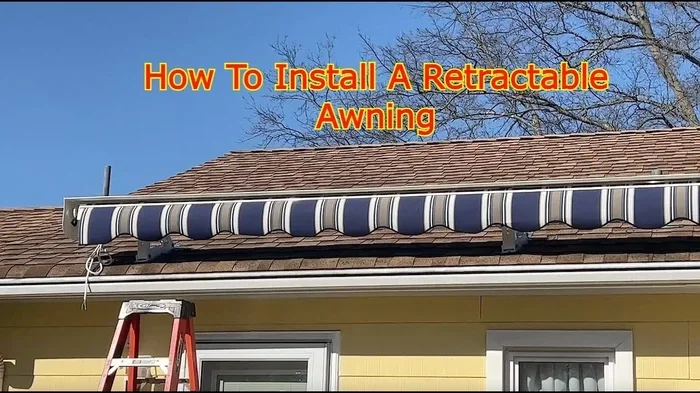
How Do You Fix a Sun Shade That Wont Stay Up Easily
A sun shade that won’t stay up is a frustrating problem, but it is usually easy to fix with the right steps. Most of the time, the issue comes down to a worn-out spring, loose bracket, or a tangled roller. In this guide, you will learn how to identify the root cause and apply simple repairs that get your patio shade working again. We will walk you through every fix from start to finish so you can enjoy your outdoor space without worry.
There is nothing worse than setting up your retractable sun shade on a sunny afternoon only to watch it slowly slide back down. Whether it is a patio shade, a window shade bracket system, or a full-size retractable awning, the same annoying problem keeps showing up: the shade will not stay where you put it.
The good news is that a sun shade that won’t stay up is almost always a fixable issue. You do not need to be a handyman or spend a lot of money. In most cases, a few basic tools and about twenty minutes are all it takes to get things working again. This guide covers every common cause and walks you through each repair step by step.
We will look at the parts inside your shade support mechanism, show you how to spot the problem fast, and give you clear instructions for each fix. By the end, you will know exactly what to do when your sun shade malfunction strikes again. Let us get into it.
Key Takeaways
- Worn springs are the #1 cause: A tired tension spring is the most common reason a sun shade won’t stay up and is easy to replace.
- Loose brackets cause sagging: If your mounting bracket has shifted, tightening or repositioning it can solve the problem fast.
- Roller tube damage matters: A bent or stuck roller tube can prevent your shade from holding its position properly.
- Regular maintenance prevents issues: Simple seasonal checks keep your outdoor shade working smoothly for years.
- Most fixes take under 30 minutes: You do not need advanced skills or expensive tools to handle common sun shade repairs.
- Know when to call a pro: Some problems like a torn shade fabric or complex arm failure need expert attention.
📑 Table of Contents
- Why Your Sun Shade Won’t Stay Up
- Parts That Cause a Sun Shade Won’t Stay Up Problem
- Step-by-Step Fix for a Sun Shade That Won’t Stay Up
- How to Replace a Shade Tension Spring
- Preventing Future Sun Shade Problems
- When to Call a Professional for Sun Shade Repair
- Final Thoughts on Fixing a Sun Shade That Won’t Stay Up
Why Your Sun Shade Won’t Stay Up
Understanding How a Sun Shade Works
A sun shade looks simple from the outside, but the inside has a clever system. Most shades use a shade tension spring to hold the fabric tight. A sunshade roller winds and unwinds the fabric, while awning arms keep the whole thing stretched out at the right angle.
When everything works, the spring pushes the arms outward and the roller holds the fabric in place. But when one part fails, the whole system loses its balance. The shade sags, droops, or falls completely. Understanding this basic setup helps you figure out exactly what went wrong.
The Most Common Reasons Your Sun Shade Falls
Several things can cause a sun shade that won’t stay up. Here are the top reasons we see again and again:
- Worn-out tension spring: The spring loses its strength over time and cannot hold the shade open anymore.
- Loose mounting bracket: If the bracket that holds the shade to your wall or roof shifts, the whole unit becomes unstable.
- Bent awning arm: A bent arm changes the angle and stops the shade from staying in position.
- Tangled or damaged fabric: Creased or torn sun shade fabric can catch on the roller and prevent smooth operation.
- Stuck roller tube: Debris, rust, or a bent shade roller tube can stop the roller from turning freely.
- Wrong size or type: Sometimes the shade was never the right fit for the space, leading to constant sagging.
Knowing which of these causes applies to your situation is the first step toward a solid sun shade repair. The next section helps you figure that out quickly.
Parts That Cause a Sun Shade Won’t Stay Up Problem
The Spring and Tension System
The shade tension spring is the heart of your shade’s ability to stay open. It stores energy and pushes the arms outward. Over months of use, especially in harsh weather, this spring can weaken or snap completely.
You can test your spring by gently pushing the shade arm inward. If it feels loose or does not spring back, the tension is gone. A spring that does not return to its original position needs to be replaced. This is the single most common fix for a sun shade that won’t stay up.
The Roller Tube and Fabric
The sunshade roller is the tube around which the fabric wraps. If this tube gets bent, clogged with dirt, or damaged, the fabric will not roll up or down smoothly. A stuck roller means the shade can lock in a half-down position and refuse to move.
Check the roller by trying to turn it by hand. If it feels rough or gritty, clean it with a damp cloth and a mild cleaner. If the tube is visibly bent, you will likely need to replace it. A damaged shade roller tube is one of the sneaky causes of a sun shade malfunction.
The Mounting Bracket and Arms
The sun shade mounting bracket connects the shade to your wall, ceiling, or soffit. If the screws loosen or the wall anchor fails, the bracket shifts. Even a small shift can change the angle of the arms and cause the shade to sag or fall.
The awning arms themselves can also bend from wind, heavy snow, or accidental bumps. When an arm is bent, it does not extend fully, which throws off the balance of the whole shade. Check both the bracket and the arms when troubleshooting your shade support mechanism.
Step-by-Step Fix for a Sun Shade That Won’t Stay Up
Step 1: Inspect the Shade Mechanism
Before you touch any tools, take a close look at the entire shade. Start by pulling the shade down fully and then slowly rolling it back up. Watch for any spots where the fabric bunches, skips, or gets stuck.
Next, check the arms on both sides. Are they the same length? Do they extend to the same angle? Use a tape measure if needed. Look at the spring housing for any visible damage or rust. This full inspection gives you a clear picture of what needs fixing.
Write down what you find. This makes the next steps much easier and helps you avoid going back and forth. A careful inspection is the foundation of every good sun shade troubleshooting session.
Step 2: Tighten or Replace the Spring
If your spring is weak or broken, this is where you focus your energy. Start by turning off any locking mechanism on the shade. Then use a screwdriver to access the spring housing, which is usually located inside the roller bar or at the base of the arm.
For a simple tightening, there may be an adjustment screw or bolt. Turn it clockwise to increase tension. Test the shade after each quarter-turn to find the right balance. If the spring is snapped or fully stretched out, you will need a shade tension spring replacement.
When replacing the spring, match the exact size and strength of the old one. You can find replacement springs at most hardware stores or online. A retractable sun shade spring replacement kit usually costs under fifteen dollars and takes about ten minutes to install.
Step 3: Check the Roller Tube
With the shade fully retracted, inspect the shade roller tube from both ends. Look for dents, rust spots, or any debris stuck to the surface. Use a flashlight to check inside the tube if possible.
Clean the tube thoroughly with a soft cloth and a gentle degreaser. If you find rust, use fine-grit sandpaper to smooth it out. For a badly bent tube, replacement is the best option. A smooth, straight roller tube is essential for a patio shade that operates without sticking or sagging.
After cleaning or replacing the roller, test the shade by rolling it up and down several times. It should move smoothly with very little effort. If it still catches, double-check for fabric tangles or misaligned arms.
Step 4: Secure the Mounting Bracket
A loose bracket is one of the easiest problems to fix and one of the most overlooked. Start by checking every screw on the mounting bracket. Tighten any that feel loose with a screwdriver or wrench.
If the screw holes feel worn out or the bracket wobbles even when tight, you may need to use larger anchors or move the bracket to a fresh spot. Use a level to make sure the bracket sits perfectly straight. An uneven bracket leads to uneven shade tension, which is a fast track to a sun shade that won’t stay up.
Once the bracket is solid, test the shade again. Push the arms outward and let go. The shade should hold its position firmly without drifting back down. This simple step solves the problem more often than people expect.
How to Replace a Shade Tension Spring
Tools You Will Need
Replacing a shade tension spring is one of the most common sun shade repair jobs, and you do not need many tools. Here is what you should have ready:
- A screwdriver set (Phillips and flathead)
- A pair of adjustable pliers
- The replacement spring (match the exact model)
- A step ladder
- A damp cloth and mild cleaner
- A small bucket or tray for screws
Having everything ready before you start keeps the job smooth and frustration-free. Lay out your tools on a clean surface near the shade so you can reach them easily.
Removing the Old Spring
Start by retracting the shade fully. Locate the spring housing, which is typically at the base of the awning arm or inside the roller bar. Use your screwdriver to remove the housing cover. Carefully take note of how the old spring is positioned and connected.
Use your pliers to release any clips or pins holding the spring in place. Gently remove the old spring and set it aside. Take a photo of the setup before you remove anything, so you have a reference for the new spring. This small step saves a lot of confusion during installation.
Installing the New Spring
Take your new shade tension spring replacement and thread it into the same position as the old one. Make sure it clicks or seats properly into any clips or hooks. Replace the housing cover and tighten the screws securely.
Now test the shade. Push the arms outward and release them. The spring should have enough tension to hold the arms open against the fabric weight. Adjust if needed by slightly repositioning the spring or tightening the housing.
A properly installed spring gives your outdoor shade the tension it needs to stay open all day long. This is often the one fix that transforms a sagging shade back into a reliable sun blocker.
Preventing Future Sun Shade Problems
Regular Maintenance Tips
The best way to avoid a sun shade malfunction is to stay ahead of it with regular care. A few simple habits keep your sun shade repair needs to a minimum and extend the life of your shade by years.
- Clean the fabric monthly: Use a soft brush and mild soap to remove dirt, pollen, and bird droppings that can degrade the material.
- Lubricate moving parts quarterly: Apply a silicone-based lubricant to the roller, arms, and spring housing for smooth operation.
- Check screws and brackets every season: Tighten anything that has loosened from weather or regular use.
- Inspect the spring tension twice a year: Catching a weakening spring early saves you from a sudden shade collapse.
- Remove the shade during storms: High winds and heavy rain put extra stress on the arms and fabric. Retracting it fully protects the whole system.
These habits take very little time but pay off big. Think of them as a quick sun shade troubleshooting routine that keeps problems from ever starting.
Seasonal Care for Your Outdoor Shade
Different seasons bring different challenges for your patio shade. In spring, pollen and debris can build up on the roller tube. In summer, intense UV rays fade and weaken the fabric. Fall brings leaves and moisture that can cause rust. Winter cold can make metal parts brittle.
Adjust your maintenance routine with the seasons. A deep clean in spring, a tension check in summer, a thorough inspection in fall, and a protective cover in winter will keep your shade in top shape. This seasonal approach is the smartest way to prevent a sun shade that won’t stay up from ever becoming a recurring problem.
When to Call a Professional for Sun Shade Repair
Signs You Need Expert Help
Most fixes for a sun shade that won’t stay up are DIY-friendly, but some situations call for a professional. Here are clear signs you should stop and call an expert:
- The shade fabric has a large tear or significant fading that affects more than ten percent of the surface.
- The internal shade roller mechanism is completely jammed and will not move with any manual effort.
- The awning arms are severely bent or broken and replacement requires specialized tools.
- The mounting surface is cracked or damaged, which could compromise the entire installation.
- You have tried the basic fixes and the shade still does not hold position after a full inspection.
Trying to force a repair beyond your skill level can cause more damage and cost more money in the long run. A professional sun shade repair service can diagnose hidden issues and fix them safely.
What to Expect From a Shade Repair Service
A good repair service will start with a thorough inspection of your entire shade support mechanism. They will check the spring, roller, arms, brackets, and fabric. Most professionals can give you a clear estimate on the spot and explain exactly what needs to be done.
Common professional repairs include spring replacement, arm straightening, motor repair for motorized retractable awning systems, and full fabric replacement. Costs vary, but many standard repairs fall between one hundred and three hundred dollars. It is always worth getting a quote before committing to a full replacement.
Remember, a professional fix can save you from buying an entirely new window shade bracket system or patio shade. Sometimes a trained eye spots the small thing you missed, and that one adjustment solves everything.
Final Thoughts on Fixing a Sun Shade That Won’t Stay Up
A sun shade that won’t stay up does not have to ruin your outdoor comfort. As we have covered, the problem usually comes down to a few simple causes: a weak spring, a loose bracket, a stuck roller, or a bent arm. Each of these has a clear and manageable fix that most homeowners can handle on their own.
The key is to start with a careful inspection, identify the root cause, and then apply the right fix step by step. Whether you need a quick spring replacement, a bracket tightening, or a full roller tube swap, the process is straightforward once you know what you are looking for.
Regular maintenance is your best long-term strategy. A little cleaning, lubrication, and seasonal checking go a long way toward preventing a sun shade malfunction in the first place. Your outdoor shade is an investment in comfort, and taking care of it pays off every single sunny day.
So the next time your patio shade starts to sag or slide, do not panic. Grab your tools, follow the steps in this guide, and get your retractable sun shade back up and running. You will be enjoying the shade in no time, and you will feel great knowing you handled it yourself.
Frequently Asked Questions
Why does my sun shade keep falling down?
The most common reason is a worn-out tension spring that has lost its strength. Other causes include a loose mounting bracket, a bent awning arm, or a stuck roller tube. Check each of these parts to find the exact cause of your sun shade that won’t stay up.
Can I fix a sun shade myself or should I hire a professional?
Most common issues like spring replacement, bracket tightening, and roller cleaning are easy DIY jobs that take less than thirty minutes. You only need to call a professional if the fabric is badly torn, the motor is broken, or the mounting surface is damaged.
How much does it cost to replace a sun shade spring?
A replacement shade tension spring typically costs between ten and twenty dollars for the part alone. If you hire a professional, expect to pay around one hundred to two hundred dollars for labor and the spring combined. DIY installation saves you a significant amount.
How often should I maintain my outdoor shade?
You should clean your patio shade fabric monthly, lubricate moving parts every three months, and do a full inspection of the spring, brackets, and arms twice a year. Seasonal deep care before summer and winter keeps your shade performing at its best.
What type of sun shade lasts the longest?
Retractable sun shade systems made with UV-resistant fabric and aluminum components tend to last the longest. Brands with reinforced shade support mechanisms and quality awning arms offer better durability. Proper maintenance also plays a huge role in extending the lifespan of any shade.
Can weather damage cause my sun shade to stop working?
Yes, wind, rain, snow, and intense sun can all damage your shade over time. Wind can bend arms, moisture causes rust on metal parts, and UV rays break down the fabric. Retracting your shade during storms and covering it in winter are the best ways to prevent weather-related sun shade repair needs.