How Do I Know How Much Oil I Have Left in My Engine
Knowing how much oil you have left is essential for engine health. You can check oil levels using a dipstick, digital sensor, or sight glass. Low oil causes serious damage, so regular checks save you money and headaches. This guide covers every method, warning signs, and practical tips.
How Do I Know How Much Oil I Have Left? That is a question every car owner should know the answer to. Your engine oil is the lifeblood of your vehicle. It lubricates moving parts, reduces friction, and keeps things cool under the hood. Without enough oil, your engine can seize up and fail. The good news is that checking your oil level is simple, fast, and free. In this guide, we walk you through every method to find out how much oil you have left. You will learn about dipsticks, digital sensors, warning signs, and practical tips to stay on top of your engine maintenance. Whether you drive a new car or an older model, this guide has you covered.
Many people ignore their oil until something goes wrong. That is a big mistake. Low oil can destroy an engine in just a few minutes. And the worst part? It happens so quietly that most drivers do not notice until it is too late. So let us fix that right now. By the end of this article, you will know exactly how to check your oil, what the numbers mean, and when to take action. Let us get started.
Key Takeaways
- Dipstick Check: The most common and reliable way to measure your oil level at home.
- Digital Sensors: Modern cars use electronic oil level sensors for automatic readings.
- Warning Signs Matter: Dashboard lights and engine sounds tell you when oil is low.
- Regular Checks Prevent Damage: Checking oil weekly or monthly keeps your engine running strong.
- Topping Off Is Not a Fix: Low oil often signals a leak or high consumption that needs attention.
- Use the Right Oil Type: Always match your oil to your vehicle’s specifications.
- See a Mechanic When Needed: Persistent low oil means something deeper is going on.
📑 Table of Contents
Why Checking Your Oil Level Matters
Engine oil does more than just lubricate. It cleans internal parts, prevents rust, and carries heat away from critical areas. When your oil level drops, all of these jobs suffer. Understanding why oil level checks matter helps you take this task seriously.
The Role of Engine Oil in Your Vehicle
Your engine has hundreds of moving parts. Metal rubbing against metal creates enormous heat and wear. Engine oil creates a thin protective film between these parts. This film reduces friction and keeps everything running smoothly. Oil also picks up tiny particles of dirt and debris and carries them to the oil filter. Without enough oil, metal parts grind together. This causes overheating, scoring, and eventually catastrophic engine failure.
The oil capacity of your engine matters too. Every vehicle has a specific oil capacity listed in the owner manual. Overfilling is just as bad as underfilling. Too much oil can foam up and lose its lubricating power. It can also cause pressure buildup that damages seals and gaskets. So knowing your oil capacity and staying within the correct range is essential.
What Happens When Oil Runs Low
Low oil leads to increased friction. Friction leads to heat. Heat leads to engine damage. It is a chain reaction that starts small but grows fast. Here are some things that happen when oil runs low:
- Increased engine wear: Metal parts grind without proper lubrication.
- Overheating: Oil helps absorb and dissipate heat. Less oil means more heat.
- Poor engine performance: Your engine may feel sluggish or lose power.
- Complete engine failure: In worst cases, the engine seizes and needs a full replacement.
These outcomes are avoidable with simple regular checks. A two-minute oil check can save you thousands of dollars in repairs.
How to Check Oil with a Dipstick
The dipstick is the most traditional and widely used tool for checking oil level. Almost every car built before the 2010s has one. Many modern vehicles still include them as a backup. Learning to use a dipstick correctly is a fundamental engine maintenance skill.
Step-by-Step Dipstick Check
Follow these steps to get an accurate reading every time:
- Park on level ground. This ensures the oil settles evenly in the oil reservoir. Checking oil on a slope gives false readings.
- Turn off the engine and wait a few minutes. Hot oil flows quickly and does not sit properly in the pan. Waiting lets it settle back down.
- Open the hood and locate the dipstick. It usually has a brightly colored handle, often yellow or orange. The oil fill cap area is a good reference point.
- Pull the dipstick out and wipe it clean. Use a rag or paper towel. You want a clean reading, not a smeared one.
- Reinsert the dipstick fully. Push it all the way back in. Do not rush this step.
- Pull it out again and read the marks. The dipstick has two lines, holes, or crosshatch marks. The oil level should fall between these indicators.
Reading the Oil Marks Correctly
Dipsticks have different marking systems. Some use two lines. Others use two holes. And some use a crosshatch pattern. Here is how to read each one:
- Two lines: The lower line is the minimum. The upper line is the maximum. Oil between these lines is good.
- Two holes: Same concept. The oil should cover both holes or fall between them.
- Crosshatch area: The oil should reach at least halfway into the crosshatch pattern.
If the oil level is below the minimum mark, you need to add oil. If it is above the maximum mark, you have overfilled and need to drain some out. Both situations are bad for your engine.
Digital Oil Level Sensors and Gauges
Modern vehicles have come a long way from the simple dipstick. Many newer cars use electronic systems to monitor oil levels automatically. These systems make checking oil even easier, but they also have their quirks.
Electronic Oil Level Indicators
Some cars have an oil level sensor built into the oil reservoir. This sensor sends data to your dashboard display. You can check your oil level right on the information screen. No dipstick needed. This is especially convenient for vehicles with tight engine bays where reaching the dipstick is difficult.
However, electronic oil level sensors are not perfect. They can malfunction. They can give inaccurate readings if the sensor gets dirty. And they sometimes need recalibration after an oil change. Always cross-reference your digital reading with a physical dipstick check if you suspect something is off.
Oil Pressure Gauges
An oil pressure gauge measures the force of oil moving through your engine. While it does not directly tell you how much oil you have, it gives important clues. Low oil pressure often means low oil level. It can also signal a failing oil pump or clogged oil filter.
Most cars have a basic oil pressure warning light on the dashboard. If this light comes on, pull over safely and check your oil immediately. Driving with low oil pressure can cause engine failure within minutes.
| Method | Accuracy | Ease of Use | Best For |
|---|---|---|---|
| Dipstick | High | Moderate | Most vehicles, DIY checks |
| Digital Sensor | Good | Very Easy | Modern vehicles, quick checks |
| Oil Pressure Gauge | Good | Moderate | Performance vehicles, diagnostics |
| Sight Glass | Moderate | Easy | Motorcycles, small engines |
Signs Your Engine Oil Is Running Low
Sometimes you cannot check your oil right away. In those moments, your car will tell you. Learning to recognize the signs of low oil is a critical skill for every driver.
Dashboard Warning Lights
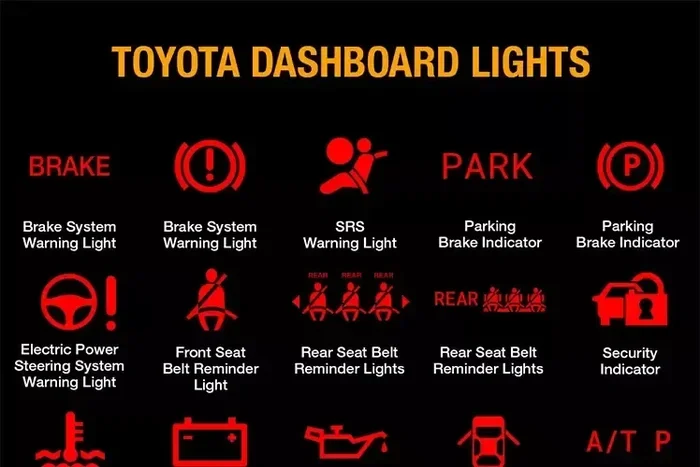
The most obvious sign is the oil warning light on your dashboard. This light looks like an old oil can symbol. When it illuminates, your oil pressure is too low. This is a serious warning. Pull over safely and turn off the engine. Check your oil level immediately.
Some cars also have a maintenance light that reminds you to change your oil. This is different from the oil pressure warning. The maintenance light comes on based on mileage or time intervals. It does not necessarily mean your oil is low right now. But it is a reminder to check and change your oil soon.
Physical Symptoms of Low Oil
Before the dashboard light even comes on, your car may show other signs. Watch for these low oil symptoms:
- Engine knocking or ticking: This sound means metal parts are rubbing without enough lubrication.
- Reduced engine performance: Your car may feel sluggish or hesitate when you press the gas.
- Burning oil smell: A distinct smell inside or outside the car can mean oil is leaking onto hot engine parts.
- Dark or dirty exhaust smoke: Blue or gray smoke from the exhaust can indicate oil burning in the combustion chamber.
- Overheating: Without enough oil to absorb heat, your engine temperature may rise.
If you notice any of these signs, check your oil level right away. Do not ignore them. Even a short drive with very low oil can cause permanent damage.
How Often Should You Check Your Oil?
How often you should check your oil depends on your vehicle, your driving habits, and your age. There is no single answer that fits everyone. But having a regular routine makes all the difference.
Recommended Checking Intervals
Here are general guidelines for how often to check your oil:
- Newer vehicles: Check once a month. Modern engines are tighter and burn less oil.
- Older vehicles (over 100,000 miles): Check every two weeks. Older engines tend to consume more oil.
- High-mileage drivers: Check before every long trip. Long drives put extra stress on your engine.
- After an oil change: Check your oil level a few days after a change. This ensures the new oil has settled properly.
The best habit is to check your oil at the same time every month. Pick a day that is easy to remember, like the first Sunday of each month. Set a reminder on your phone if you need to.
Factors That Increase Oil Consumption
Some driving habits and conditions cause your engine to use more oil than normal. Be extra vigilant if any of these apply to you:
- Towing heavy loads: Your engine works harder and burns more oil.
- Stop-and-go driving: Frequent stopping and starting increases engine heat and oil breakdown.
- Extreme temperatures: Very hot or very cold weather affects oil viscosity and consumption.
- High-performance driving: Racing or aggressive driving puts extra stress on your engine.
- Old or worn engine: As engines age, they naturally burn more oil.
If any of these factors apply to you, consider checking your oil more frequently. Catching low oil early prevents expensive repairs.
What to Do When Oil Is Low
So you checked your oil and the level is low. Now what? Do not panic. There are clear steps you should follow to handle low oil safely and effectively.
Topping Off vs. Changing Oil
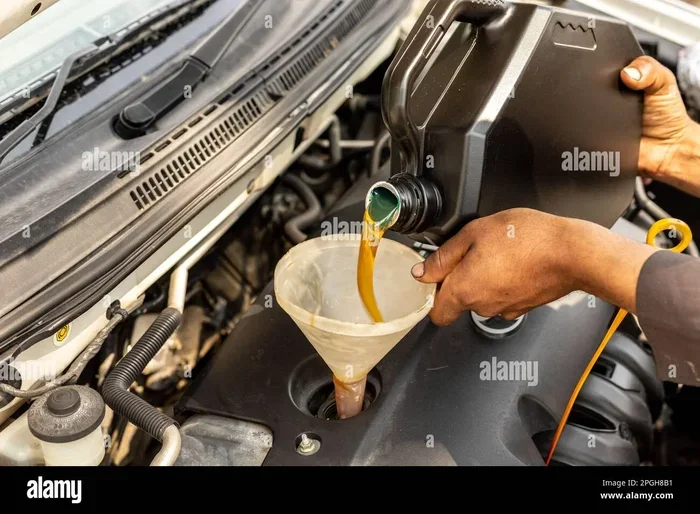
Topping off means adding a small amount of oil to bring the level back up. This is a quick fix, not a permanent solution. You should still figure out why your oil is low. Possible reasons include:
- Oil leak: A leak under your car or around the oil filter can cause oil loss.
- Burning oil: Worn engine parts can let oil enter the combustion chamber.
- Normal consumption: Some engines naturally burn small amounts of oil over time.
Changing your oil means draining the old oil and replacing it with fresh oil along with a new oil filter. This is part of regular engine maintenance and should happen every 5,000 to 7,500 miles for most vehicles. Check your owner manual for the exact oil change interval for your car.
When to See a Mechanic
Sometimes low oil is not something you can fix yourself. See a mechanic if:
- You need to add oil very frequently (more than once a month).
- You see oil puddles under your car when parked.
- The oil warning light stays on even after adding oil.
- Your oil looks very dark, gritty, or smells burnt.
- You hear unusual knocking or grinding sounds from the engine.
A mechanic can inspect for oil leaks, check your oil level sensor, and assess the overall health of your engine. Catching problems early saves money and keeps you safe on the road.
Conclusion
Knowing how do I know how much oil I have left is one of the most important skills every driver should have. Your engine depends on the right amount of clean oil to run properly. Whether you use a dipstick, a digital sensor, or a sight glass, the key is to check regularly and take action when levels drop.
Remember the basics: check your oil on level ground, wait for the engine to cool, read the marks carefully, and top off with the right oil type. Watch for warning signs like dashboard lights, engine knocking, and burning smells. And when in doubt, see a trusted mechanic.
Taking five minutes to check your oil can add years to your engine’s life. Do not wait for a problem to start paying attention. Make oil checks a regular part of your car care routine. Your engine will thank you for it.
Frequently Asked Questions
How often should I check my engine oil level?
For most vehicles, checking your oil once a month is sufficient. However, older cars or those with high mileage should be checked every two weeks. Always check more frequently before long road trips or if you notice any warning signs.
Can I check my oil while the engine is running?
No, you should always turn off the engine and wait a few minutes before checking. Hot oil circulates quickly and does not settle properly in the oil pan. This leads to inaccurate readings on your dipstick and can give you a false sense of security.
What oil type should I use to top off?
Always use the oil type and viscosity recommended in your vehicle owner manual. This information is usually printed on the oil fill cap or in the manual. Using the wrong oil type can affect engine performance and potentially cause damage over time.
Is it normal for oil level to drop between changes?
A small drop is normal, especially in older vehicles. Engines naturally burn a small amount of oil through normal operation. However, if you are losing more than a quart between oil changes, you should have a mechanic inspect for leaks or excessive oil consumption.
What does the oil warning light mean?
The oil warning light means your oil pressure is too low. This is a serious issue that requires immediate attention. Pull over safely, turn off the engine, and check your oil level. Driving with low oil pressure can cause catastrophic engine failure within minutes.
Does synthetic oil last longer than conventional oil?
Yes, synthetic oil generally lasts longer and performs better under extreme temperatures. It resists breakdown better than conventional oil and can extend oil change intervals. However, you should still check your oil level regularly regardless of the oil type you use.