What to Do If the Trunk Wont Close on Your Vehicle
A trunk that won’t close is frustrating, but it’s usually fixable with the right approach. Whether the issue is a stuck latch, worn seal, or misaligned hinge, this guide walks you through every solution step by step. You’ll learn how to diagnose the problem, try easy home repairs, and know exactly when to seek professional help. By the end, you’ll have the confidence to tackle most trunk closing issues on your own.
There are few moments more annoying than walking away from your car only to realize the trunk wont close. Maybe you just loaded groceries, packed for a trip, or tossed in a bag of gear. You push the lid down, pull the release, and nothing happens. The trunk stays stubbornly open, and you’re left standing there wondering what went wrong.
Here’s the good news. In most cases, a trunk that won’t close is a problem you can fix yourself. You don’t need expensive tools or a trip to the mechanic. Often, the fix takes just a few minutes and costs nothing at all. This guide covers every reason your trunk might be stuck, gives you step-by-step solutions, and helps you decide when it’s time to call in the pros.
We’ll walk through everything from a simple trunk latch issue to more complex problems with the trunk seal, hydraulic strut, or trunk hinge. By the end, you’ll know exactly what to do when your rear trunk refuses to cooperate. Let’s get into it.
Key Takeaways
- Most trunk closing problems come from a few common culprits: a faulty latch, worn seal, broken strut, or misaligned hinge.
- Simple DIY fixes like lubrication, realignment, and seal cleaning can solve the issue in minutes without any special tools.
- Replacing a trunk strut or hydraulic closer is affordable and easy to do at home with basic instructions.
- Regular maintenance prevents trunk problems before they start, saving you time and money.
- Knowing when to call a mechanic can prevent costly mistakes from DIY attempts gone wrong.
- Understanding your trunk mechanism helps you troubleshoot faster and communicate better with repair shops.
📑 Table of Contents
- Why Your Trunk Won’t Close: Common Causes
- How to Diagnose the Problem
- Simple Fixes You Can Do at Home
- When to Call a Professional
- Preventing Trunk Problems in the Future
- Quick Tips for Trunk Maintenance
- Understanding Your Trunk Mechanism
- Common Mistakes to Avoid
- How Much Does Trunk Repair Cost?
- Final Thoughts
Why Your Trunk Won’t Close: Common Causes
Before you start fixing anything, it helps to understand what’s actually going wrong. A trunk that won’t close usually comes down to one of a handful of common issues. Let’s break them down so you can narrow things down quickly.
Faulty Trunk Latch
The trunk latch is the mechanism that grabs the trunk lid and holds it shut. Over time, this part can wear out, get stuck, or become misaligned. Dirt and grime build up inside the latch, causing it to stick or fail to engage properly. If you hear a clicking sound but the trunk still won’t latch, the latch itself is likely the problem.
A worn trunk latch is one of the most common reasons a trunk won’t close. The good news is that replacing a latch is usually inexpensive and straightforward. You can find replacement parts for most vehicle models at auto parts stores or online for under $30 in many cases.
Worn or Damaged Trunk Seal
The trunk seal is the rubber gasket that runs around the edge of the trunk lid. It creates a tight barrier that keeps water, dust, and noise out of the cargo area. When this seal gets old, cracked, or warped, the trunk lid can’t sit flush against the car body. That gap means the latch can’t grab properly, and your trunk lid stays open.
You can check your trunk seal by running your hand along the rubber edge. If it feels brittle, sticky, or has visible cracks, it’s time for a trunk seal replacement. A new seal costs between $20 and $60 and usually takes about 15 minutes to swap out.
Broken Trunk Strut or Hydraulic Closer
Most modern vehicles use trunk struts or hydraulic closers to help the trunk lid open and close smoothly. These gas-filled cylinders lift the heavy trunk lid and hold it open. When a strut fails, the trunk lid either slams shut uncontrollably or won’t stay closed at all.
A broken trunk strut is easy to spot. If the trunk lid drops quickly when you let it go, or if it won’t stay open on its own, the strut is likely dead. Replacing a trunk closer is one of the simplest repairs you can do. The new strut usually bolts right into the same mounting points as the old one.
Misaligned Trunk Hinge
The trunk hinge connects the trunk lid to the car body. If the hinge gets bent, loose, or corroded, the trunk lid can sit at an angle that prevents the latch from engaging. This misalignment is especially common after an accident or if someone has leaned heavily on the trunk lid.
You can often spot a trunk hinge problem by looking at the gap between the trunk lid and the car body. If the gap is uneven on one side, the hinge needs adjustment. Tightening the hinge bolts or slightly repositioning the hinge can often solve the issue without any parts replacement.
Trunk Lock Cylinder or Handle Issues
Sometimes the problem isn’t with the closing mechanism at all. A stuck trunk lock cylinder or a broken trunk handle can prevent you from activating the latch. If the key won’t turn in the lock or the release handle feels loose and unresponsive, these components might be the culprit.
The trunk key mechanism can also freeze up in cold weather or after exposure to moisture. Spraying a small amount of lock lubricant into the cylinder often fixes the issue right away. If the handle itself is cracked or detached, it will need to be replaced.
How to Diagnose the Problem
Now that you know the common causes, let’s talk about how to figure out exactly what’s wrong with your trunk that won’t close. A quick diagnostic process can save you a lot of time and guesswork.
Start by examining the trunk lid closely. Look at the gap between the lid and the car body on both sides. Is it even? Next, try opening and closing the trunk by hand, without using the remote or key. Does the latch engage with a satisfying click, or does it feel loose and unresponsive?
Check the trunk seal for any visible damage. Run your fingers along the rubber to feel for cracks, tears, or flat spots. Then look at the trunk strut on each side. Does the lid stay open on its own, or does it drop? These simple observations will point you toward the right fix.
If the trunk latch is the issue, try spraying a small amount of penetrating oil into the latch mechanism. Work the release lever back and forth a few times. Sometimes all it takes is a little lubrication to free up a sticky latch. If that doesn’t work, the latch may need to be replaced entirely.
For trunk hinge problems, check the bolts on both sides of the hinge. Use a wrench to tighten any loose bolts, but be careful not to overtighten and strip the threads. If the hinge itself is bent, you may need to gently bend it back into position or replace it altogether.
Simple Fixes You Can Do at Home
Many trunk closing problems can be solved with basic tools and a little patience. Here are the most effective DIY fixes you can try right in your driveway.
Fix 1: Lubricate the Trunk Latch
A sticky trunk latch is the number one reason a trunk won’t close properly. Grab a can of WD-40 or a dedicated latch lubricant. Spray the lubricant directly into the latch mechanism, making sure to get it into all the moving parts. Work the release lever several times to distribute the lubricant evenly.
After lubricating, try closing the trunk again. If it latches smoothly, you’re done. If not, the latch may need a deeper cleaning or replacement. This fix takes less than five minutes and costs almost nothing.
Fix 2: Replace the Trunk Seal
A damaged trunk seal prevents the lid from sitting flush, which means the latch can’t grab. To replace the seal, peel off the old rubber gasket carefully. Clean the channel where the seal sits with a damp cloth. Then press the new trunk seal into the channel, starting at one corner and working your way around.
Make sure the seal sits evenly without any twists or gaps. Once installed, close the trunk and check that it sits flush all the way around. A proper seal should create a snug fit with no visible gaps between the lid and the body.
Fix 3: Replace a Broken Trunk Strut
If your trunk strut is dead, replacing it is a straightforward job. Open the trunk fully and locate the strut mounts on both the trunk lid and the car body. Remove the mounting bolts, disconnect the old strut, and connect the new one in the same position. Secure the bolts and test the trunk.
It’s a good idea to replace both struts at the same time, even if only one has failed. The second strut is likely close to the end of its life too, and replacing both at once saves you the hassle of doing the job twice later.
Fix 4: Adjust the Trunk Hinge
When the trunk hinge is misaligned, you can often fix it by adjusting the hinge position. Loosen the hinge bolts slightly, then reposition the hinge so the trunk lid sits at the correct angle. Tighten the bolts back up and test the fit.
You want the trunk lid to sit parallel with the car body with even gaps on both sides. This adjustment might take a few tries to get right, but it’s well worth the effort. A properly aligned trunk lid will latch easily and create a weather-tight seal.
When to Call a Professional
While many trunk closing problems are easy to fix at home, some situations call for a professional mechanic. Knowing when to make that call can save you from causing more damage or wasting time on a repair that’s beyond your skill level.
Call a professional if the trunk mechanism involves electrical components that you’re not comfortable working with. Many modern vehicles have electric trunk openers, sensors, and electronic locks that require specialized diagnostic tools. If you’ve tried the basic fixes and the trunk still won’t close, it’s time to get expert help.
Also seek professional assistance if you suspect internal damage from an accident. A bent frame, damaged latch assembly, or compromised structural component needs proper assessment and repair. A mechanic can inspect the full trunk system and recommend the right solution for complex issues.
Before visiting a repair shop, try to describe the problem clearly. Tell them whether the trunk won’t latch, won’t stay closed, or won’t open at all. Mention any noises you’ve heard, like grinding or clicking. This information helps the mechanic diagnose the issue faster and gives you a better estimate upfront.
Preventing Trunk Problems in the Future
The best way to deal with a trunk that won’t close is to prevent the problem from happening in the first place. Regular maintenance and a few simple habits can keep your trunk mechanism working smoothly for years.
- Clean the trunk seal regularly: Wipe the rubber gasket with a damp cloth and a mild cleaner. This removes dirt and debris that can cause the seal to crack or lose its flexibility.
- Lubricate the latch and hinges every six months: A quick spray of lubricant keeps all the moving parts working freely and prevents sticking.
- Don’t overload the trunk: Excessive weight on the trunk lid puts stress on the struts, hinges, and latch. Stay within your vehicle’s recommended cargo capacity.
- Check the trunk struts annually: Look for any signs of leaking or weakening. Replacing a strut before it fully fails prevents sudden trunk lid drops.
- Handle the trunk lid gently: Avoid slamming the lid shut. The impact can misalign the latch, damage the seal, and weaken the hinges over time.
These small habits make a big difference. A little regular care goes a long way toward avoiding the frustration of a trunk that won’t close when you need it most.
Quick Tips for Trunk Maintenance
Here are some bonus tips that experienced car owners swear by for keeping their trunk lid in top shape:
- Keep a seal conditioner in your garage. Products like silicone-based seal protectants help keep the rubber supple and prevent cracking in all weather conditions.
- Check the trunk alignment after car washes. High-pressure water can sometimes shift the trunk lid slightly. A quick visual check after washing can catch any misalignment early.
- Store heavy items low in the trunk. This reduces strain on the trunk lid and struts. Use cargo organizers to keep weight distributed evenly.
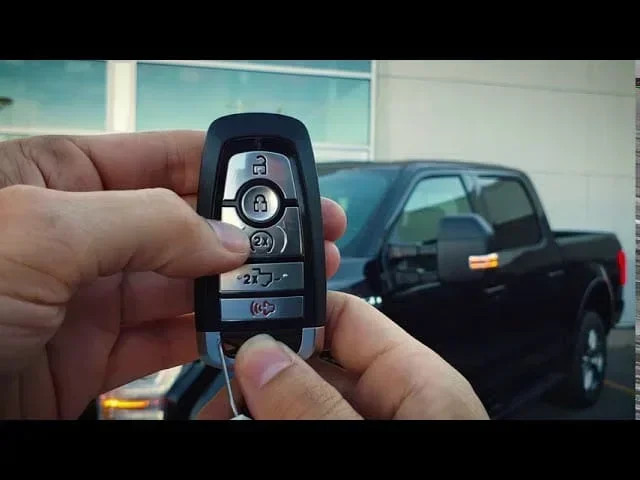
- Replace the trunk key fob battery regularly. A weak battery in your remote can cause the trunk to fail to open or close electronically, even though the mechanical latch is fine.
- Listen for unusual sounds. Any grinding, clicking, or scraping noise when operating the trunk is a warning sign. Catching these early prevents bigger problems down the road.
Taking just a few minutes each month to check your trunk mechanism can save you hours of frustration later. Prevention is always easier and cheaper than repair.
Understanding Your Trunk Mechanism
To truly troubleshoot a trunk that won’t close, it helps to understand how the system works. The trunk mechanism is made up of several parts working together. The trunk lid sits on top of the car body and is connected by hinges. The trunk latch engages when you close the lid, locking it securely in place. Trunk struts or hydraulic closers help lift the heavy lid and control its movement. The trunk seal creates a weatherproof barrier around the edges.
When any one of these components fails, the whole system suffers. A broken strut makes the lid too heavy to control. A worn seal lets the lid sit at the wrong angle. A sticky latch prevents the lock from engaging. Understanding this interconnected system helps you see why fixing even a small part can solve the bigger problem of a trunk that won’t close.
Different vehicles have slightly different setups. Sedans typically have a rear trunk at the back of the car, while SUVs and hatchbacks often have a rear cargo area with a liftgate. The basic principles of diagnosis and repair remain the same across all vehicle types, though the specific parts and their locations may vary.
Common Mistakes to Avoid
When dealing with a trunk that won’t close, people often make a few common mistakes that make the problem worse. Avoiding these pitfalls can save you time, money, and frustration.
One of the biggest mistakes is forcing the trunk lid shut. If the latch isn’t engaging, slamming the lid harder won’t fix it. It can actually bend the hinge, crack the seal, or damage the latch further. Always figure out what’s causing the problem before trying to force it closed.
Another mistake is using the wrong lubricant. WD-40 is great for loosening a sticky latch, but it’s not a long-term lubricant. For moving parts that need ongoing protection, use a dedicated silicone lubricant or white lithium grease. These products last longer and don’t attract dirt the way some lubricants do.
Some people ignore the trunk seal until they notice water leaking into the cargo area. By that point, the seal is already damaged and needs replacement. Regularly inspecting the seal and replacing it at the first sign of wear prevents leaks and keeps the trunk airtight.
Finally, don’t assume the problem is electrical when it’s mechanical, or vice versa. Many trunk closing problems have simple mechanical causes that are easy to fix. Start with the basics before assuming something complex is wrong.
How Much Does Trunk Repair Cost?
The cost of fixing a trunk that won’t close depends entirely on what’s wrong. Here’s a rough breakdown of common repair costs:
- Trunk latch replacement: $20 to $50 for the part, plus $50 to $150 for labor if you hire someone.
- Trunk seal replacement: $20 to $60 for the part. This is one of the easiest and cheapest repairs you can do yourself.
- Trunk strut replacement: $30 to $80 per strut. Most vehicles have two struts, so budget for both.
- Trunk hinge replacement: $40 to $100 per hinge, plus labor costs.
- Trunk lock cylinder replacement: $50 to $150 for the part and installation.
Doing these repairs yourself can cut the cost significantly. Most of these parts are available at auto parts stores or online, and the installation process is straightforward for anyone comfortable working on their car.
Final Thoughts
A trunk that won’t close is one of those car problems that can throw off your entire day. But as you’ve seen, the causes are usually simple, and the fixes are well within reach for most car owners. Whether it’s a quick lubrication job, a new trunk seal, or an adjusted hinge, you have the power to solve the problem yourself in most cases.
Start with the diagnosis. Figure out what’s actually causing the issue before jumping to any fixes. Work through the simple solutions first, and don’t be afraid to call a professional when the problem is beyond your comfort zone. With the right approach, your trunk mechanism will be working smoothly again in no time.
Remember to keep up with regular maintenance. A little care and attention goes a long way toward preventing trunk closing problems before they start. Your trunk is one of the most used parts of your vehicle, and treating it well means it will serve you reliably for years to come.
Frequently Asked Questions
Why won’t my trunk close even when I push it down?
This usually means the trunk latch isn’t engaging properly. The latch might be dirty, worn, or misaligned. Try cleaning the latch mechanism and lubricating it with a penetrating oil. If the latch still doesn’t grab, it may need to be replaced.
Can I drive with my trunk open?
You should avoid driving with the trunk open whenever possible. It creates significant wind noise, reduces fuel efficiency, and can be dangerous if cargo shifts. If you must drive this way, secure all items tightly and drive at lower speeds.
How much does it cost to replace a trunk strut?
A single trunk strut typically costs between $30 and $80 for the part. If you replace both struts at the same time, you’ll spend around $60 to $160 total. The installation is simple enough that most people can do it themselves at home.
What causes a trunk seal to wear out?
Exposure to weather, UV rays, and general age are the main causes of trunk seal deterioration. Dirt buildup, frequent use, and harsh climate conditions all accelerate wear. Regular cleaning and conditioning of the rubber seal can extend its lifespan significantly.
How do I know if my trunk strut is bad?
Signs of a failing trunk strut include the trunk lid dropping quickly when opened, the lid not staying open on its own, or visible leaking of the gas inside the strut. If you notice any of these symptoms, it’s time to replace the strut.
Should I try to fix my trunk myself or go to a mechanic?
Start with simple fixes like lubrication and alignment adjustments. These are easy, free, and often solve the problem. If the issue involves a broken part like a latch, strut, or seal, these are still manageable DIY jobs for most people. Only call a mechanic if the problem involves electrical components or if you’ve tried the basic fixes without success.
=== CONCLUSION ===
A trunk that won’t close doesn’t have to be a stressful experience. With the right knowledge and a few basic tools, you can diagnose and fix most trunk closing problems yourself. From a sticky trunk latch to a worn trunk seal, the solutions are often simpler than you might think.
Start by identifying the root cause. Work through the fixes step by step. And remember that regular maintenance is your best defense against future problems. Your trunk mechanism will thank you for the care and attention.
Now that you know what to do when your trunk wont close, you’re ready to handle the situation with confidence. Grab your lubricant, check your seals, and get that trunk latched shut. You’ve got this.