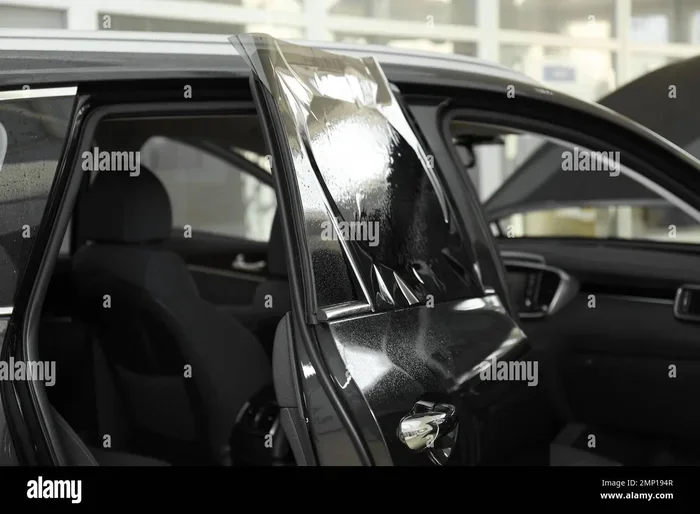
Oregon Window Tint Law The Complete Guide for Drivers
Oregon Window Tint Law sets clear rules for how dark your car windows can be tinted. Drivers must follow specific visible light transmission limits for each window type. This guide covers all legal tint limits, medical exemptions, and penalties in Oregon. Stay compliant and avoid costly fines by reading through these essential details.
If you drive in Oregon, you need to know the Oregon Window Tint Law. The rules can feel confusing at first. But once you understand the basics, everything makes sense. This guide breaks down every rule you need to follow. You will learn about legal tint limits, medical exemptions, and what happens if you get caught with illegal tint. Let us walk through it together.
Window tint is popular for many reasons. It keeps your car cooler in summer. It blocks harmful UV rays. It also adds privacy and style. But every state has its own rules. Oregon is no different. The Oregon Window Tint Law sets specific limits on how dark your tint can be. These limits apply to each window on your vehicle. Knowing these rules helps you stay legal and avoid tickets.
The Oregon Window Tint Law is enforced by law enforcement during traffic stops and vehicle inspections. If your tint is too dark, you could face fines. You might even fail your vehicle inspection. This is why understanding the rules before you tint your windows is so important. Let us dive into the details.
Key Takeaways
- Legal tint limits vary by window: front side windows need over 35% VLT, while rear windows have no minimum darkness requirement.
- Medical exemptions exist: Oregon allows special permits for drivers with sun-sensitive medical conditions like lupus or albinism.
- Windshield tint is restricted: only the top six inches of the windshield can have non-reflective tint under the Oregon Window Tint Law.
- Tint certification matters: installers must use certified film and provide documentation to prove compliance.
- Violations carry real penalties: illegal tint can result in fines, failed vehicle inspections, and required fixes.
- Reflective tint is banned: Oregon prohibits metallic or reflective tint films on all windows.
📑 Table of Contents
What Is the Oregon Window Tint Law?
The Oregon Window Tint Law is a set of regulations that controls how much tint you can apply to your vehicle windows. Oregon uses a measurement called Visible Light Transmission, or VLT. VLT tells you how much light passes through your window film. The lower the VLT number, the darker the tint. For example, a 35% VLT lets 35% of light through. It blocks the rest. Oregon has different VLT requirements for different windows. This ensures drivers can still see clearly while driving.
The law also covers the type of tint material you can use. Reflective tint is not allowed in most cases. Metallic or mirrored finishes are banned. The state wants to prevent glare that could distract other drivers. There are exceptions for medical conditions. We will cover those later in this guide. For now, let us look at the specific legal limits for each window.
Legal Tint Limits by Window
Oregon divides your vehicle windows into specific zones. Each zone has its own VLT requirement. Here is a simple breakdown of what is legal and what is not.
Front Side Windows
The front side windows on your vehicle must allow more than 35% of light to pass through. This means your tint film must have a VLT of 35% or higher. This rule applies to both the driver side and passenger side windows. The reason for this rule is safety. Officers need to see inside your car during traffic stops. You also need clear visibility through your front windows while driving. If you choose a tint darker than 35% VLT, you are breaking the law.
Rear Side Windows
For the rear side windows, Oregon allows darker tint. You can use any level of tint darkness on these windows. This means you can go as dark as you want. There is no VLT minimum for rear side windows. Many drivers choose very dark tint for the back seats. This gives passengers more privacy and comfort. Just keep in mind that darker rear windows can reduce visibility at night. You may want to consider a lighter shade for safety.
Rear Windshield
The rear windshield also has flexible rules. Oregon allows any level of tint on the rear windshield. You can apply dark tint film to this window as well. This is great for people who want a uniform look across their back windows. Again, darker tint can make it harder to see behind you. This is especially true when driving at night or in poor weather. Use common sense when choosing your tint darkness.
Windshield Tint Rules
The windshield has the strictest rules under the Oregon Window Tint Law. You can only tint the top six inches of your windshield. This strip is often called the sun strip or visor strip. The tint on this strip must be non-reflective. It cannot be mirrored or metallic. This rule keeps your view of the road clear. It also helps law enforcement see your dashboard area. Tinting below the six-inch line on the windshield is illegal. It will result in a violation if you are caught.
| Window | Legal Tint Limit | VLT Requirement | Reflective Tint Allowed? |
|---|---|---|---|
| Front Side Windows | 35% or lighter | Over 35% VLT | No |
| Rear Side Windows | Any darkness | No minimum | No |
| Rear Windshield | Any darkness | No minimum | No |
| Windshield | Top 6 inches only | Non-reflective only | No |
This table makes it easy to see the rules at a glance. Keep it handy when you talk to your tint installer. It will save you time and confusion.
Medical Exemptions and Special Permits
Oregon understands that some people need darker tint for health reasons. If you have a medical condition that makes you sensitive to sunlight, you may qualify for an exemption. The Oregon Window Tint Law allows for medical exemptions in certain cases. This is an important option for people with conditions like lupus, albinism, or severe photosensitivity. Sun sensitivity can make driving without proper protection very uncomfortable and even dangerous.
To get a medical exemption, you need a letter from your doctor. The letter must explain your condition and why darker tint is necessary. You then submit this letter to the Oregon DMV. The DMV will review your request and may issue a special permit. This permit allows you to tint your front side windows darker than 35% VLT.
Here is how the process works step by step:
- Visit your doctor and get a written statement about your condition.
- Submit the statement to the Oregon DMV along with an exemption application.
- Wait for the DMV to review and approve your request.
- If approved, carry the permit documentation in your vehicle at all times.
Even with an exemption, you must still follow certain rules. The exemption does not allow you to tint your windshield below the six-inch line. It also does not permit reflective tint. Make sure you understand all the conditions of your permit. Keep the documentation in your glove box. You may need to show it to law enforcement during a traffic stop.
It is also worth noting that medical exemptions are not automatic. The DMV reviews each application individually. Having a strong medical letter from your doctor increases your chances of approval. Do not try to fake or exaggerate your condition. This can lead to serious consequences, including fines and legal trouble. Always be honest with your doctor and the DMV about your needs.
Tint Certification and Installation Rules
Oregon has specific rules about tint film and installation. Not all tint products are legal in the state. The Oregon Window Tint Law requires that tint film meet certain standards. This section covers what you need to know about certification and installation.
Certified Tint Film Requirements
All tint film sold and installed in Oregon must be certified. The manufacturer must certify that the film meets state standards. Look for a certification sticker on the tint film itself. This sticker proves the film is legal for use in Oregon. If your installer uses uncertified film, you could end up with illegal tint on your car.
Certified tint film will have a label or sticker on it. The label shows the VLT percentage and the manufacturer’s certification. Always ask your installer if the film they use is certified. A reputable installer will know this information right away. If they seem unsure, that is a red flag. Choose a shop that is familiar with Oregon tint regulations.
Here are some quick tips when choosing tint film:
- Always ask for proof of certification before installation.
- Check that the VLT matches what you want for each window.
- Avoid films that claim to be limo tint for front windows.
- Make sure the film is non-reflective for the windshield strip.
- Keep your receipts and certification paperwork after installation.
Choosing a Licensed Installer
Oregon does not require tint installers to have a specific license. However, choosing a reputable shop matters a lot. A good installer will know the state rules. They will help you pick legal tint for each window. They will also make sure the film is properly applied. Poor installation can lead to bubbling, peeling, or uneven tint. This can affect your visibility and your legal standing.
When choosing an installer, ask these important questions:
- Do you use certified tint film approved for Oregon?
- What VLT levels do you offer for each window?
- Can you provide documentation of the tint applied?
- Do you offer a warranty on your installation work?
Getting clear answers to these questions will help you make a smart choice. A trusted installer will be happy to answer them. They want you to be satisfied and compliant with the law.
Common Tint Violations and Penalties
Breaking the Oregon Window Tint Law can cost you money. It can also cause headaches with the DMV and law enforcement. Understanding common violations helps you avoid them. Let us look at what happens if your tint is not legal.
What Happens If You Get Pulled Over
If an officer notices your tint is too dark, they can pull you over. This is a primary enforcement in Oregon. That means the officer does not need another reason to stop you. They can stop your vehicle just for illegal tint. The first offense usually results in a fine. The fine amount can vary depending on the county and the severity of the violation.
Here is what you might face if you get a tint ticket:
- A fine for the first violation, which can range from $100 to several hundred dollars.
- A requirement to remove or replace the illegal tint.
- Potential failure of your vehicle inspection.
- Additional fines if you do not fix the issue within the required time.
The officer may give you a fix-it ticket. This means you have a set time to correct the problem. You then return to the officer or DMV to show proof. Once the illegal tint is removed or replaced with legal film, the ticket is dismissed. If you ignore the ticket, the fines can increase. You may also face additional penalties.
It is also important to know that tint violations can affect your car insurance. While a tint ticket alone may not raise your rates, it adds to your driving record. Multiple violations can signal risky behavior to insurance companies. Keeping your tint legal is the simplest way to avoid all of these issues.
Tips for Choosing Legal Window Tint
Now that you know the rules, let us talk about how to choose the right tint. The goal is to stay legal while still getting the benefits you want. A little planning goes a long way.
Quick Tips for Staying Compliant
- Know your VLT needs: Remember that front side windows need over 35% VLT. Plan your tint choice around this rule.
- Ask for documentation: Always get a receipt and certification paperwork from your installer. Keep these in your glove box.
- Consider your driving habits: If you drive a lot at night, a lighter tint on rear windows may be safer.
- Check local city rules: Some cities in Oregon may have additional regulations. Check with your local DMV office before tinting.
- Invest in quality film: Good quality tint lasts longer and performs better. It also reduces the chance of bubbling or peeling.
Common Mistakes to Avoid
Many drivers make mistakes when tinting their windows. Here are the most common ones:
- Choosing too dark a tint for front windows: This is the number one violation. Stick to 35% VLT or higher for front side windows.
- Tinting the windshield below the six-inch line: This is illegal in Oregon. Always keep the tint strip on the top only.
- Using reflective or metallic tint: These are not allowed on any window in Oregon. Avoid them entirely.
- Skipping certification paperwork: Without proof of certification, you have no way to prove your tint is legal.
- Ignoring the rear window tint rule for visibility: Even though you can tint rear windows as dark as you want, too much darkness can be dangerous.
Avoiding these mistakes will keep you on the right side of the law. It will also keep you and your passengers safe on the road.
Final Thoughts
The Oregon Window Tint Law is designed to keep everyone safe on Oregon roads. The rules are clear and reasonable once you understand them. Front side windows need over 35% VLT. Rear windows can be any darkness. The windshield can only have a non-reflective strip on the top six inches. Medical exemptions are available for those who need them. Always use certified film and keep your paperwork handy.
Staying compliant with the Oregon Window Tint Law is not hard. It just takes a little knowledge and planning. Choose a reputable installer. Ask the right questions. Keep your documentation organized. If you follow these steps, you will enjoy the benefits of tinted windows without any legal trouble. Remember, the goal is to stay safe and visible while driving. Legal tint helps you do that while still giving you the comfort and style you want.
Take the time to learn the rules before you tint your windows. Your future self will thank you. You will avoid fines, keep your vehicle inspection current, and drive with confidence. The Oregon Window Tint Law is there to protect you and everyone else on the road. Follow it, and you will be glad you did.
Frequently Asked Questions
Can I tint my front side windows darker than 35% VLT in Oregon?
No, the Oregon Window Tint Law requires front side windows to have a VLT of over 35%. The only exception is with a valid medical exemption from the Oregon DMV. Without a permit, tinting your front windows darker than 35% will result in a violation and a fine.
Do I need a special permit to tint my rear windows as dark as I want?
No, Oregon does not require a permit for dark tint on rear side windows or the rear windshield. You can choose any level of tint darkness for these windows. However, keep in mind that very dark rear windows can reduce nighttime visibility, so use good judgment.
What happens if I get caught driving with illegal window tint in Oregon?
If you are pulled over for illegal tint, you will likely receive a fix-it ticket and a fine. The fine amount depends on your county and the severity of the violation. You will need to remove or replace the illegal tint and provide proof to the court or DMV to have the ticket dismissed.
Is reflective tint allowed on any windows in Oregon?
No, the Oregon Window Tint Law prohibits reflective or metallic tint on all vehicle windows. This includes the front side windows, rear side windows, rear windshield, and the windshield tint strip. Non-reflective tint is allowed only on the top six inches of the windshield.
How do I apply for a medical exemption for window tint in Oregon?
You need a written statement from your doctor explaining your medical condition and why darker tint is necessary. Submit this letter along with an exemption application to the Oregon DMV. If approved, you will receive a permit that allows you to tint your front side windows darker than 35% VLT. Always carry this documentation in your vehicle.
Does Oregon require tint certification stickers on the film?
Yes, all tint film used in Oregon must be certified by the manufacturer. The certification sticker should be visible on the film. This sticker proves the film meets Oregon’s legal standards. If your installer does not provide certified film, you could end up with illegal tint and face penalties.