How Much Is a New Engine for a Hyundai Tucson Find Out Now
So you are wondering how much a new engine for a Hyundai Tucson will cost you? The answer depends on several factors, including the engine type, whether you choose new, remanufactured, or used, and labor costs in your area. On average, expect to pay anywhere from $3,500 to $7,500 for a full engine replacement. This guide breaks down every cost, option, and money-saving tip so you can make the best decision for your Tucson.
Let us talk about something that makes every Tucson owner cringe: engine trouble. Whether you heard a strange knock while driving or your check engine light has been on for a while, the question on your mind is probably the same one. How much is a new engine for a Hyundai Tucson?
The truth is, there is no single price tag that fits every situation. Costs swing wildly based on the engine type you need, the condition of the replacement unit, and where you live. But here is the good news. Once you understand what drives the price, you can make a smart choice that fits your budget.
In this guide, we will walk through every cost breakdown, compare your options, and share practical tips to help you save money. By the end, you will feel confident making the right call for your Tucson. No guesswork. No surprises. Just clear, honest information.
Key Takeaways
- New engine costs: A brand-new Hyundai Tucson engine typically runs between $4,500 and $7,500 including parts and labor.
- Remanufactured options: Choosing a remanufactured engine can cut costs to $3,500 to $5,000 while still offering solid reliability.
- Used engines: A used replacement engine is the cheapest route at $1,500 to $3,000, but comes with more risk.
- Labor matters: Engine replacement labor alone can range from $1,000 to $2,500 depending on your location and mechanic.
- Warranty protection: Always ask about engine warranty coverage, which can save you thousands if something goes wrong.
- DIY risks: While DIY installation saves money, engine replacement is complex and mistakes can lead to costly damage.
- Timing is key: Addressing engine problems early prevents secondary damage that drives up total repair costs significantly.
📑 Table of Contents
- Understanding Hyundai Tucson Engine Options
- How Much Is a New Engine for a Hyundai Tucson: Cost Breakdown
- Factors That Affect Hyundai Tucson Engine Replacement Cost
- New vs. Remanufactured vs. Used: Which Engine Option Is Right for You?
- Signs Your Hyundai Tucson Engine Needs Replacement
- Tips to Save Money on Hyundai Tucson Engine Replacement
- Common Mistakes to Avoid When Replacing a Tucson Engine
- How Long Does a Hyundai Tucson Engine Last?
- Final Thoughts on Hyundai Tucson Engine Replacement Cost
Understanding Hyundai Tucson Engine Options
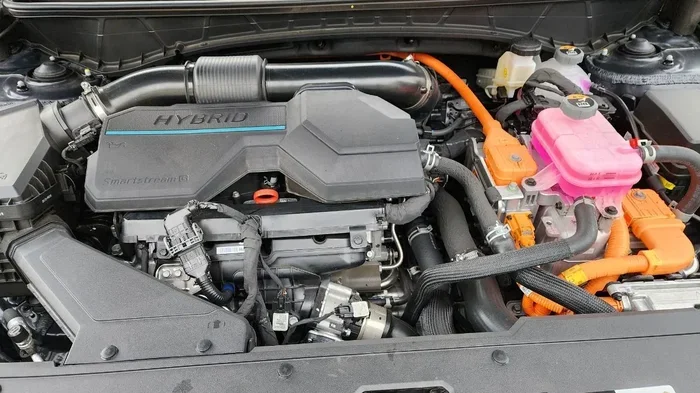
Before we dive into costs, it helps to know what engine your Tucson has. Different model years and trim levels come with different engines. The engine type directly affects replacement pricing.
2.4-Liter 4-Cylinder Engine
Most Tucson models come with a 2.4-liter four-cylinder engine. This is the standard engine for the Tucson and it powers the front wheels. It delivers around 181 horsepower and 175 pound-feet of torque. When this engine fails, replacement costs tend to fall in the lower to mid-range bracket.
The 2.4-liter engine is widely available, which keeps parts prices more affordable. Many mechanics are familiar with this engine, so labor time is usually straightforward. This is the most common Tucson engine, so finding a replacement is not difficult.
1.6-Liter Turbo 4-Cylinder Engine
Some Tucson models feature a 1.6-liter turbocharged engine. This engine produces around 201 horsepower and gives the Tucson a sportier feel. Turbo engines are more complex than naturally aspirated engines, which means higher replacement costs.
Turbo engines also require special care during installation. The turbo unit itself, intercooler lines, and associated wiring all need attention. If your Tucson has this engine, budget a bit more for the replacement process.
2.0-Liter Turbocharged Engine (Sport and Later Models)
Later model Tucsons, especially the Sport trim and newer generations, may come with a 2.0-liter turbocharged engine. This engine produces around 241 horsepower and offers strong performance. Because it is a more powerful and complex engine, replacement costs are on the higher end.
Parts for the 2.0-liter turbo are pricier than the 2.4-liter. Labor also takes longer because of the additional components. If you own one of these models, keep that in mind when planning your budget.
How Much Is a New Engine for a Hyundai Tucson: Cost Breakdown
Now let us get to the heart of the matter. The actual cost of a new Tucson engine depends on several factors. Here is a detailed breakdown to help you understand where your money goes.
New Engine Costs
A brand-new Hyundai Tucson engine from a dealer will cost the most. You are paying for OEM (original equipment manufacturer) parts and the assurance of a factory-fresh unit. Expect to pay between $3,500 and $5,500 for the engine alone.
When you add labor, the total climbs higher. A dealer or certified mechanic will charge between $1,000 and $2,500 for the installation. That brings the total cost of a new engine replacement to roughly $4,500 to $7,500.
Dealers sometimes offer package deals that include both parts and labor. Always ask about these. They can save you a surprising amount of money compared to paying separately.
Remanufactured Engine Costs
A remanufactured engine is a used engine that has been completely rebuilt to factory specifications. Specialists disassemble the engine, replace worn parts, and reassemble it with new components. The result is an engine that performs almost like new.
Remanufactured Tucson engines typically cost between $2,500 and $4,500 for the part. Labor adds another $1,000 to $2,000. So your total comes in around $3,500 to $5,500.
Many remanufactured engines come with a warranty of one to three years. This is a huge advantage over used engines. You get solid reliability at a fraction of the new-engine price.
Used Engine Costs
Used engines come from salvage yards or online suppliers. They are pulled from donor vehicles and sold as-is. The price for a used Tucson engine ranges from $800 to $2,000 for the part itself.
Labor for a used engine is the same as for any other engine, so add $1,000 to $2,500. Your total sits around $1,500 to $3,000.
The risk with used engines is the unknown. You do not always know how many miles the donor engine has on it or how it was maintained. This is the budget-friendly option, but it carries more uncertainty.
Engine Replacement Labor Costs
Labor is a big part of the engine replacement equation. The average mechanic charges between $80 and $150 per hour. A full engine swap takes anywhere from 10 to 20 hours depending on the engine type and Tucson model year.
Here is a quick look at labor costs by engine type:
- 2.4-Liter 4-Cylinder: 10 to 14 hours of labor
- 1.6-Liter Turbo: 12 to 16 hours of labor
- 2.0-Liter Turbo: 14 to 20 hours of labor
Labor costs vary by region. Mechanics in major cities charge more than those in rural areas. Always get quotes from at least three shops before committing.
Factors That Affect Hyundai Tucson Engine Replacement Cost
Not every Tucson engine replacement costs the same. Several factors influence the final price. Understanding these helps you avoid surprises and plan your budget wisely.
Model Year and Trim Level
Older Tucson models generally have cheaper parts because they are more common in the salvage market. Newer models may have more expensive parts due to advanced technology and tighter tolerances.
Higher trim levels often come with more complex engines. The Sport and Limited trims with turbo engines will cost more to replace than a base SE model with the standard 2.4-liter.
Engine Failure Type
The type of engine failure matters a lot. A blown head gasket might only need a gasket replacement, not a full engine swap. A cracked engine block or thrown rod, on the other hand, requires a complete replacement.
Sometimes engine damage leads to secondary problems. A seized engine can damage the transmission or exhaust manifold. Always get a full inspection before deciding on replacement.
Your Location
Where you live affects labor rates significantly. Mechanics in California or New York charge more than those in the Midwest or South. Even within the same state, city rates differ from rural rates.
Transport costs also play a role. If you need a replacement engine shipped from another state, that adds to your total. Local salvage yards often save money on shipping.
Mechanic or Dealer Choice
Dealers charge more for labor but offer OEM parts and factory-trained technicians. Independent mechanics charge less but may use aftermarket parts. Both options have pros and cons.
Choose a mechanic who specializes in Hyundai vehicles if possible. Their experience with the Tucson platform means faster, more accurate work. That saves you money on labor hours.
New vs. Remanufactured vs. Used: Which Engine Option Is Right for You?
Choosing between new, remanufactured, and used engines is one of the biggest decisions you will make. Each option has clear advantages and drawbacks. Let us compare them side by side.
Comparison Table
| Option | Part Cost | Total Cost (Parts + Labor) | Warranty | Risk Level |
|---|---|---|---|---|
| New Engine | $3,500 – $5,500 | $4,500 – $7,500 | 3-5 years | Low |
| Remanufactured | $2,500 – $4,500 | $3,500 – $5,500 | 1-3 years | Low-Medium |
| Used Engine | $800 – $2,000 | $1,500 – $3,000 | None or 90 days | Medium-High |
When to Choose a New Engine
A new engine makes the most sense if your Tucson is still under factory warranty or has low mileage. It gives you the longest coverage and the most peace of mind. If you plan to keep the vehicle for many years, a new engine is the smart investment.
New engines also come with the latest updates and improvements. Hyundai may have made design changes that improve reliability. You get those benefits with a fresh engine.
When to Choose a Remanufactured Engine
Remanufactured engines are the sweet spot for most Tucson owners. They cost significantly less than new engines but still come with a solid warranty. If your Tucson has 100,000 miles or more, a remanufactured engine is a practical choice.
Look for suppliers who offer at least a one-year warranty. Read reviews and ask about their testing process. A quality remanufactured engine should feel and perform like new.
When to Choose a Used Engine
A used engine works best for tight budgets or older Tucsons that are not worth a major investment. If you plan to sell the vehicle soon, a used engine keeps costs low.
Ask the supplier for the mileage and history of the donor engine. Get a written guarantee about the engine’s condition. And always have a mechanic inspect the engine before installation.
Signs Your Hyundai Tucson Engine Needs Replacement
Catching engine problems early can save you thousands of dollars. Here are the most common signs that your Tucson engine needs serious attention.
Unusual Noises
Knocking, ticking, or grinding sounds from the engine bay are never good. A knocking noise often indicates worn rod bearings. Ticking can mean low oil pressure or valve issues. Do not ignore these sounds.
Excessive Smoke from the Exhaust
Blue smoke means oil is burning in the combustion chamber. White smoke suggests a blown head gasket or cracked block. Black smoke indicates too much fuel is being injected. Any of these symptoms point to serious engine trouble.
Loss of Power and Performance
If your Tucson feels sluggish or struggles to accelerate, the engine may be failing. Worn piston rings, clogged fuel injectors, or damaged timing chains can all cause power loss.
Check Engine Light and Error Codes
A flashing check engine light should never be ignored. Have a mechanic run a diagnostic scan. Codes like P0300 (random misfire) or P0420 (catalyst inefficiency) can signal engine problems that need immediate attention.
Oil Leaks and Low Oil Pressure
Oil is the lifeblood of your engine. If you see puddles under your Tucson or the oil pressure gauge drops, get it checked right away. Running an engine low on oil causes catastrophic damage fast.
Tips to Save Money on Hyundai Tucson Engine Replacement
Engine replacement is expensive, but there are smart ways to reduce the cost. Here are practical tips that real Tucson owners have used to save money.
Get Multiple Quotes
Never accept the first quote you receive. Call at least three shops and ask for a detailed breakdown of parts and labor costs. You will often find price differences of $500 or more between shops.
Consider a Remanufactured Engine
As we covered earlier, remanufactured engines offer great value. You save $1,000 to $2,000 compared to a new engine while still getting a reliable unit with warranty coverage.
Ask About Core Charges
Some suppliers charge a core fee, which is refundable when you return your old engine. This can save you $200 to $500. Always ask about core charges before purchasing a replacement engine.
Check Your Warranty Coverage
If your Tucson is still under warranty, the engine replacement might be covered. Even expired powertrain warranties sometimes offer partial coverage. Check with your dealer before paying out of pocket.
Do Not Delay Repairs
Ignoring engine problems makes them worse. A small oil leak today can become a seized engine tomorrow. Addressing issues early keeps repair costs down and prevents secondary damage.
Look for Certified Specialists
Independent shops that specialize in Hyundai vehicles often charge less than dealers but deliver the same quality work. Look for certifications like ASE or Hyundai-specific training credentials.
Common Mistakes to Avoid When Replacing a Tucson Engine
Even with the best intentions, car owners sometimes make costly mistakes during engine replacement. Here are the most common ones and how to avoid them.
Skipping the Diagnostic Step
Never assume you need a new engine without a proper diagnosis. Sometimes what looks like a bad engine is actually a sensor issue, wiring problem, or minor repair. A full diagnostic saves you from unnecessary engine removal.
Choosing the Cheapest Option Without Research
The lowest price is not always the best deal. A used engine with unknown history can fail within months, costing you more in the long run. Always research the source and condition of any replacement engine.
Ignoring Labor Warranty
Many shops only warranty the engine part itself. Ask about labor warranty too. If the new engine develops a problem, you want the installation labor covered as well.
Forgetting to Replace Related Components
When replacing an engine, it is smart to also replace the timing belt, water pump, and thermostat if they are near the end of their life. Doing this during the engine swap saves you from paying double labor later.
Not Keeping Records
Save all receipts, invoices, and warranty documents from your engine replacement. These records protect you if something goes wrong and help maintain your Tucson’s resale value.
How Long Does a Hyundai Tucson Engine Last?
With proper maintenance, a Hyundai Tucson engine can last between 200,000 and 300,000 miles. That is impressive for a compact SUV. Regular oil changes, timely belt replacements, and proper cooling system maintenance all contribute to a long engine life.
Tucson owners who follow the maintenance schedule in the owner’s manual see the best results. Skipping services or ignoring warning signs shortens engine life significantly.
If you are buying a used Tucson, always get a pre-purchase inspection. A mechanic can spot early signs of engine wear before you commit to the purchase. This simple step can save you from a massive repair bill down the road.
Final Thoughts on Hyundai Tucson Engine Replacement Cost
So how much is a new engine for a Hyundai Tucson? The answer really depends on your situation, your budget, and your goals for the vehicle. Whether you choose a new, remanufactured, or used engine, the key is making an informed decision based on your specific needs.
A new engine gives you the most peace of mind and the longest warranty. A remanufactured engine delivers excellent value with solid reliability. A used engine saves the most money but carries the most risk.
Whatever route you choose, do your homework. Get multiple quotes, check warranties, and work with a trusted mechanic. The Tucson is a reliable vehicle, and with the right engine replacement, it can keep running strong for years to come.
Do not let engine costs stress you out. Use the information in this guide to plan your next steps confidently. Your Tucson deserves the best care, and now you have the knowledge to give it that.
Frequently Asked Questions
Can I replace my Hyundai Tucson engine myself?
Engine replacement is one of the most complex automotive jobs you can do. It requires specialized tools, a lift, and advanced mechanical knowledge. Unless you are a very experienced mechanic with the right equipment, it is best to leave this job to a professional. Mistakes during installation can cause serious and expensive damage.
How long does a Hyundai Tucson engine replacement take?
Most engine replacements take between two and four days to complete. The exact time depends on the engine type, the Tucson model year, and the shop’s workload. A straightforward 2.4-liter swap may take less time than a turbo engine replacement. Always ask your mechanic for a time estimate before dropping off your vehicle.
Is it worth replacing the engine on a Hyundai Tucson?
It depends on the overall condition of the vehicle. If the rest of the Tucson is in good shape, a new or remanufactured engine can easily add 100,000 more miles of life. However, if the vehicle has high mileage and other major issues, you may want to consider the cost of a replacement versus the value of the car. A mechanic can help you make this decision.
Does a new engine reset the mileage on a Hyundai Tucson?
No, replacing the engine does not reset the odometer. The mileage on your Tucson reflects the entire vehicle’s life, not just the engine. However, a new engine effectively gives the powertrain a fresh start. Keep all maintenance records to show future buyers that the engine was replaced.
What is the difference between a remanufactured and a rebuilt engine?
A remanufactured engine is rebuilt to original factory specifications using new and recycled parts. It goes through rigorous testing before sale. A rebuilt engine may not meet the same standards and could use more used components. Always ask your supplier to clarify which process they use and what testing they perform.
How can I reduce the cost of a Hyundai Tucson engine replacement?
You can reduce costs by choosing a remanufactured or used engine instead of new, getting multiple quotes from different mechanics, and asking about core charges. Also, having the work done at an independent Hyundai specialist rather than a dealer can save you hundreds of dollars in labor. Always compare the total cost including parts and labor before making your decision.
=== CONCLUSION ===
Figuring out how much a new engine for a Hyundai Tucson costs does not have to be overwhelming. With the right information, you can compare your options and choose the path that fits your budget and your vehicle. Whether you go with a new engine for maximum reliability, a remanufactured engine for great value, or a used engine to stretch every dollar, the key is making a smart, informed choice.
Remember to factor in labor costs, warranty coverage, and the long-term value of your decision. Address engine problems quickly, work with trusted professionals, and keep up with regular maintenance. Your Tucson can keep running strong for many more miles with the right engine under the hood.