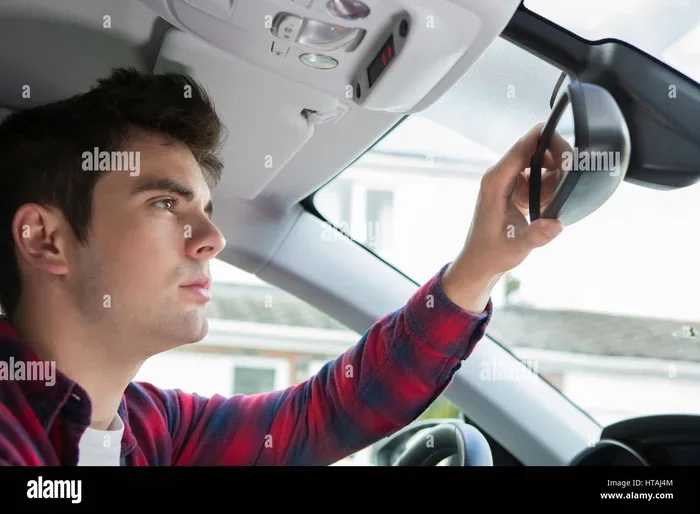
How to Choose the Best Car Rear View Mirror for Safe Driving
Choosing the right car rear view mirror is one of the simplest yet most impactful upgrades you can make for safer driving. This guide walks you through every type, feature, and factor so you can pick the perfect mirror with confidence. We cover auto-dimming, blind spot, convex, and smart mirrors to help you stay aware and reduce glare on every trip.
Key Takeaways
- Right mirror, right ride: Matching your mirror type to your vehicle and driving habits makes a huge difference in visibility.
- Auto-dimming mirrors reduce glare: They automatically dim when bright lights hit from behind, keeping your eyes safe at night.
- Blind spot and convex mirrors expand your view: These add critical coverage that standard mirrors miss.
- Smart mirrors bring new tech: Built-in cameras, heating, and memory settings make driving easier and safer.
- Proper placement matters: Even the best mirror won’t help if it’s not positioned correctly.
- Regular maintenance keeps mirrors clear: Cleaning and checking your mirrors should be part of routine car care.
- Budget options work great: You don’t need to spend a lot to get a safe, reliable rear view mirror.
📑 Table of Contents
- How to Choose the Best Car Rear View Mirror for Safe Driving
- Types of Car Rear View Mirrors
- Key Features to Look For
- How to Properly Position Your Rear View Mirror
- Common Mistakes People Make with Car Mirrors
- Top Tips for Choosing the Right Mirror
- Budget vs Premium: What Do You Really Need?
- Maintaining Your Car Rear View Mirror
- Final Thoughts
How to Choose the Best Car Rear View Mirror for Safe Driving
Your car rear view mirror is one of the most important safety tools in your vehicle. Yet most drivers barely think about it until something goes wrong. Whether you drive a sedan, SUV, or truck, the right mirror setup can change how safely you see the road behind you.
In this guide, we will walk you through everything you need to know. You will learn about different mirror types, key features to look for, and how to position your mirror for the best view. By the end, you will feel confident picking the best car rear view mirror for your needs and budget.
Let us be real for a second. A dirty, cracked, or poorly placed mirror puts you and everyone around you at risk. Safe driving starts with clear visibility. And clear visibility starts with the right mirror choice.
Why Your Car Rear View Mirror Matters More Than You Think
Many car accidents happen because drivers simply cannot see what is behind them. Your rear view mirror gives you a direct line of sight through the back window. Without it, changing lanes, merging, and reversing become dangerous guessing games.
A good car rear view mirror reduces blind spots. It helps you track vehicles approaching from behind. It also lets you spot emergency vehicles quickly. These small advantages add up to a much safer driving experience every single day.
Think about how often you check your mirror while driving. Now imagine if that mirror gave you a fuzzy, limited, or distorted view. That is exactly what happens with a damaged or wrong-sized mirror. This is why choosing the right one matters so much.
Types of Car Rear View Mirrors
Not all mirrors are created equal. Different types serve different purposes. Let us break down the most common options so you can find the one that fits your car and driving style.
Standard Manual Mirrors
The standard car rear view mirror is what comes built into most vehicles. It is a simple flat glass mirror mounted on the windshield. You adjust it by hand, and it gives you a direct, undistorted view of the road behind you.
These mirrors are affordable and reliable. They do not need any power or special installation. However, they can cause glare at night when headlights shine from behind. They also do not offer any extra-wide viewing angle.
Auto-Dimming Mirrors
An auto-dimming mirror is a game changer for night driving. It uses sensors to detect bright light from behind and automatically dims the glass. This reduces glare without you having to do anything.
These mirrors are especially helpful if you often drive behind trucks or on busy highways at night. The auto-dimming feature keeps your eyes adjusted and comfortable. Many premium vehicles come with them standard, but you can also buy aftermarket versions.
Convex and Wide-Angle Mirrors
A convex mirror curves outward and gives you a much wider field of view. These are often used as blind spot mirrors or small add-on mirrors on the sides of your main rear view mirror.
The trade-off is that objects appear closer than they actually are. This is why convex mirrors carry the famous “objects in mirror are closer than they appear” warning. Still, for expanding your coverage, they are very effective.
Smart Mirrors with Cameras
Smart car rear view mirrors use a small camera mounted on the rear of your vehicle. The image displays on a screen inside the car. This gives you a completely unobstructed view, even if your rear window is blocked by cargo or a spoiler.
These mirrors are becoming more popular in newer car models. They also work well for SUVs and trucks with limited rear visibility. The camera feed stays clear in most weather conditions, making them a strong choice for modern drivers.
Towing and Extended Mirrors
If you tow a trailer, boat, or caravan, a standard mirror will not cut it. Towing mirrors are wider and extend further out to give you a clear view along the side and behind your load.
These mirrors clip onto or replace your existing side mirrors. They are essential for safe towing. Always check local laws about mirror requirements before hitting the road with a trailer.
Key Features to Look For
When shopping for a new car rear view mirror, certain features make a big difference. Here is what you should keep in mind during your search.
Glare Reduction
Glare from headlights at night is one of the most common driving complaints. An auto-dimming mirror solves this problem automatically. Manual tilt mirrors also reduce glare but require you to adjust them yourself.
Some mirrors offer a manual night mode. You simply flip a small tab at the bottom of the mirror. This changes the angle of the reflective coating and cuts down glare. It is a simple but effective feature.
Mirror Size and Shape
The size of your mirror affects how much you can see. A larger mirror gives a wider view but may take up more windshield space. A smaller mirror is less obtrusive but might limit your field of vision.
Choose a size that fits your windshield and does not block your forward view. The shape also matters. Rectangular mirrors give a more natural perspective, while curved mirrors offer a broader angle.
Mounting and Stability
A good mirror stays firmly in place, even on bumpy roads. Most car rear view mirrors use a suction cup or adhesive mount. Suction cups work well on smooth windshield glass but can lose grip over time.
Adhesive mounts are more permanent and stable. They bond directly to the windshield and rarely fall off. Some aftermarket mirrors also use a clamp that attaches to the windshield edge. Choose the mounting style that suits your vehicle and preferences.
Built-In Features
Modern mirrors come with extra features that add real value. Some include built-in compass displays. Others have a temperature readout or a garage door opener built right in.
Heated mirrors are great for cold climates. They prevent fogging and icing so your view stays clear. Memory mirrors can store your preferred position, which is handy if multiple people drive the same car.
Compatibility with Your Vehicle
Not every mirror fits every car. Before buying, check the mirror’s compatibility with your vehicle make and model. Pay attention to the mounting style and windshield shape.
If you have a sunroof, you may need a smaller mirror that does not interfere with the roof panel. For trucks and SUVs with larger windshields, you have more flexibility in mirror size and type.
How to Properly Position Your Rear View Mirror
Even the best car rear view mirror will not help if it is not positioned correctly. Proper placement ensures you get the widest and clearest view possible.
Start by sitting in your normal driving position. Adjust the mirror so you can see the entire rear window without moving your head. The mirror should show the road behind you, not the interior of your car.
For the best results, angle the mirror slightly upward. This reduces glare from vehicles behind you while still keeping the road in view. If you use a blind spot mirror, position it so it overlaps slightly with the edge of your main mirror.
Take a few minutes to check your mirror position before every drive. This small habit can make a big difference in your awareness and safety on the road.
Common Mistakes People Make with Car Mirrors
There are a few mistakes that many drivers make when it comes to their mirrors. Avoiding these can improve your visibility and safety significantly.
Mistake 1: Ignoring mirror maintenance. Dust, fingerprints, and grime build up on mirrors over time. A dirty mirror scatters light and reduces clarity. Clean your mirrors regularly with a glass cleaner and a soft cloth.
Mistake 2: Using the wrong mirror type. A convex mirror on the inside of your car can distort distance perception. Use convex mirrors only as add-on blind spot mirrors, not as your main rear view mirror.
Mistake 3: Not adjusting mirrors before driving. Many drivers set their mirrors once and never touch them again. Passenger changes, cargo loads, and even weather can affect how your mirrors sit. Adjust them every time you drive.
Mistake 4: Overlooking cracked or damaged mirrors. A cracked mirror distorts your view and can shatter completely over time. Replace a damaged car rear view mirror right away. It is a small cost for a big safety benefit.
Top Tips for Choosing the Right Mirror
Still not sure where to start? Here are some quick tips to guide your decision.
- Assess your driving conditions. Do you drive mostly at night? Do you tow frequently? Your driving habits should guide your mirror choice.
- Set a budget. Mirrors range from under $10 to over $200. You can find a great option in any price range.
- Read reviews. Check what other drivers say about the mirror you are considering. Real-world feedback is very helpful.
- Check for certifications. Look for mirrors that meet safety standards. This ensures the glass and materials are quality-tested.
- Consider installation ease. Some mirrors are plug-and-play. Others may require professional installation. Know what you are comfortable with.
- Think long term. Choose a durable mirror that will last. A slightly higher upfront cost can save you money over time.
Budget vs Premium: What Do You Really Need?
You do not need to spend a fortune to get a safe and reliable car rear view mirror. Let us look at what each price range offers.
Budget mirrors (under $20) are simple manual mirrors that get the job done. They are perfect for older vehicles or backup mirrors. These mirrors are widely available and easy to replace.
Mid-range mirrors ($20 to $100) offer features like auto-dimming, built-in compass, and better mounting systems. They strike a good balance between cost and functionality. Most drivers will be happy with a mirror in this range.
Premium mirrors ($100 and up) include smart camera systems, heated glass, and advanced glare reduction. These are ideal for drivers who want the best technology available. They are especially useful for luxury vehicles and frequent long-distance drivers.
The best choice depends on your needs and how you use your car. For most everyday drivers, a mid-range mirror with auto-dimming is the sweet spot.
Maintaining Your Car Rear View Mirror
Once you have the perfect mirror, keep it in great shape with regular maintenance. A well-maintained mirror lasts longer and performs better.
Clean the glass weekly with a streak-free glass cleaner. Wipe the mount and base to remove dust and debris. Check the suction cup or adhesive regularly for signs of wear.
If your mirror has electronic features like auto-dimming or heating, inspect the wiring connection. A loose wire can cause the mirror to malfunction. Replace any damaged parts promptly to keep your mirror working at its best.
In winter, remove ice and snow from your mirror gently. Avoid using sharp tools that can scratch or crack the glass. A soft brush or de-icer spray works perfectly.
Final Thoughts
Choosing the best car rear view mirror is easier than most people think. You just need to know your options, understand your needs, and pick a mirror that fits your vehicle and driving style. From simple manual mirrors to advanced smart camera systems, there is a perfect choice for every driver.
Remember that safety always comes first. A well-chosen mirror improves your visibility, reduces glare, and helps you stay aware of what is happening behind you. Take the time to adjust it properly and maintain it regularly. These small habits add up to safer, more confident driving every time you hit the road.
Your car rear view mirror is more than just a piece of glass. It is your window to what is happening behind you. Make it count by choosing the right one today.
Frequently Asked Questions
What is the best type of car rear view mirror for night driving?
An auto-dimming mirror is the best choice for night driving. It automatically reduces glare from headlights behind you, keeping your eyes comfortable and your view clear. You can find aftermarket auto-dimming mirrors that work with most vehicles without any complex installation.
How often should I replace my car rear view mirror?
There is no set schedule for replacement. Replace your mirror when it becomes cracked, loose, or cloudy. Regular cleaning and inspection will help you spot problems early. A damaged mirror should be replaced immediately to maintain safe visibility.
Can I install an aftermarket car rear view mirror myself?
Yes, most aftermarket mirrors are designed for easy DIY installation. Suction cup and adhesive mount mirrors are the simplest to install. If your mirror has wiring for auto-dimming or heating, you may need basic tools and a little patience. Always follow the manufacturer’s instructions carefully.
What is the difference between a rear view mirror and a side mirror?
The car rear view mirror is mounted inside the car on the windshield and shows the view directly behind you. Side mirrors are mounted on the exterior of the vehicle and cover the areas to the left and right. Together, these mirrors give you full visibility around your car.
Do convex mirrors really help with blind spots?
Yes, convex mirrors are excellent for reducing blind spots. They curve outward and capture a wider angle than flat mirrors. However, they make objects appear farther away than they are. Use them as small add-on mirrors, not as your main rear view mirror.
Are smart mirrors with cameras worth the extra cost?
Smart mirrors are worth it if you frequently drive in situations with limited rear visibility. They are especially helpful for SUVs, trucks, and vehicles with large cargo areas that block the rear window. The camera feed provides a clear, unobstructed view that traditional mirrors cannot match.
=== CONCLUSION ===
Your car rear view mirror plays a vital role in keeping you safe every time you drive. By choosing the right type, positioning it correctly, and maintaining it well, you invest in better visibility and greater confidence on the road. Whether you prefer a simple manual mirror or a high-tech auto-dimming model, the most important thing is that it works well for you.
Take a moment today to evaluate your current mirror setup. If it is outdated, damaged, or not giving you a clear view, now is the time to upgrade. A better car rear view mirror is a small change that makes a big difference. Drive safer, stay aware, and enjoy every journey with the confidence that comes from knowing you can see what is behind you.