Can Remote Start Be Added To Your Car And Save Money
Can remote start be added to your car? The short answer is yes, in most cases. Adding a remote start system to your vehicle is one of the smartest upgrades you can make. It saves money on fuel, extends engine life, and adds serious comfort. Whether you drive a sedan, truck, or SUV, a car remote start kit can transform your daily driving routine. Let us walk you through everything you need to know.
Have you ever stood outside in the freezing cold, waiting for your car to warm up? Or maybe you have been sweating in summer heat, desperate to get the AC blasting before you touch the steering wheel. If so, you have probably wondered whether can remote start be added to your vehicle. The good news is that it usually can. Adding a remote start system to your car is one of the most practical upgrades you can make. It is not just about comfort. It is also about saving money and protecting your engine. In this guide, we will cover everything from costs and compatibility to installation tips and real benefits. By the end, you will know exactly whether a car remote start makes sense for you.
A remote start system lets you start your engine from a distance using a key fob or a smartphone app. You can warm up your car on a cold morning or cool it down on a hot afternoon without ever leaving your house. The technology has been around for decades, but it has gotten much better in recent years. Modern kits offer longer ranges, better security, and seamless integration with your vehicle’s existing systems. Whether you drive a compact car, a full-size truck, or something in between, there is likely a kit that fits. Let us dive into the details and answer the big question: can remote start be added to your car?
Key Takeaways
- Remote start can be added to most vehicles: Modern and older cars can both support aftermarket remote start systems with the right kit.
- It saves real money: Warming up or cooling down your car remotely reduces engine wear and can improve fuel efficiency over time.
- Professional installation is recommended: While DIY kits exist, a pro ensures proper wiring and avoids voiding your warranty.
- Costs range from $200 to $500: The total price depends on your vehicle type, kit quality, and labor charges.
- Compatibility matters: Not every car takes every kit. Check your vehicle make, model, and year before buying.
- Keyless entry integration is a bonus: Many modern remote start systems bundle with keyless entry for added convenience.
- Warranty implications exist: Always check with your dealer before installing an aftermarket system.
📑 Table of Contents
What Is a Remote Start System?
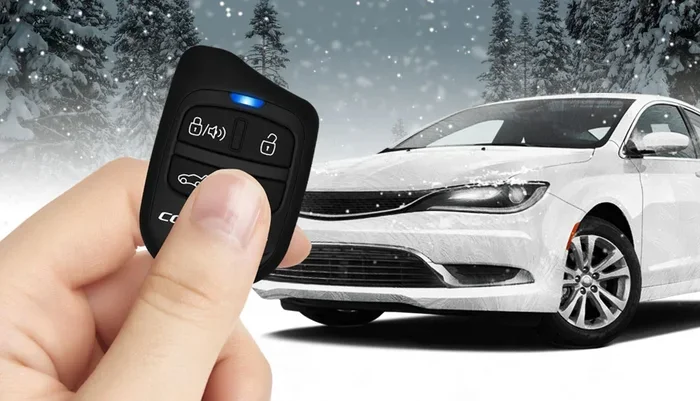
A remote start system is an electronic device that allows you to start your car’s engine remotely. It works through a handheld transmitter, often called a key fob, or sometimes through a smartphone application. When you press the button, the system sends a signal to your vehicle’s ignition. The engine turns over, but the car stays locked. This means you can sit inside your warm home while your vehicle heats up or cools down.
The basic components of a remote start kit include a control module, a bypass module, and a transmitter. The control module is the brain of the system. It communicates with your car’s computer. The bypass module tricks the ignition into starting without a physical key turning. The transmitter is what you carry in your pocket or on your keychain.
Some advanced systems also include features like two-way communication. This means the fob sends a confirmation back to you that the engine has started. Others integrate with GPS tracking, so you can monitor your car from anywhere. These are not just luxury items anymore. They are becoming standard in many new vehicles, but they can also be added to older models.
How Does Remote Start Work?
Here is a simple breakdown of how a vehicle remote start works. You press a button on your fob. The signal travels to the receiver installed in your car. The receiver sends a command to the engine control unit. The engine starts and idles at a preset temperature or for a set time. Most systems run for 10 to 30 minutes before shutting off automatically. If you want more time, you can press the button again.
The entire process happens securely. The car remains locked during this time. The transmission stays in park or neutral. Many systems also include an automatic shutoff if someone tries to put the car in gear without a key present. Safety is built into every reputable remote start kit.
Can Remote Start Be Added To Any Car?
This is the question most car owners ask, and the answer is not a simple yes or no. The truth is that remote start compatibility depends on several factors. Your vehicle’s make, model, year, and engine type all play a role. In most cases, yes, you can add a remote start system. But the process and complexity vary from car to car.
Vehicles That Easily Support Aftermarket Remote Start
Most modern cars with automatic transmissions are great candidates for aftermarket remote start. Popular brands like Toyota, Honda, Ford, Chevrolet, and Jeep have wide compatibility with existing kits. If your car already has a push-button start, you may need a specific type of bypass module. But the good news is that manufacturers have made this easier over the years.
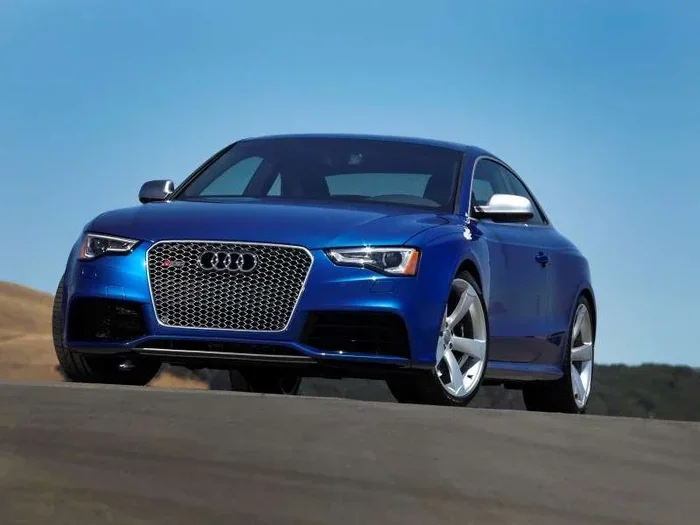
Trucks and SUVs are especially popular for remote start installations. Many truck owners use their vehicles for work or off-roading, and having a warm or cooled cab before heading out makes a big difference. Luxury brands like BMW, Mercedes-Benz, and Audi often have factory-installed options, but aftermarket kits work well too.
Vehicles That May Need Special Considerations
Manual transmission cars can be tricky. Most remote start systems require an automatic transmission to work safely. There are some kits designed for manuals, but they require extra care and proper clutch bypass modules. If you drive a stick shift, check with your installer first.
Diesel engines also need special remote start systems. These engines use glow plugs and different ignition processes. A standard remote start kit for gasoline engines will not work on a diesel. You need a diesel-specific module, which may cost a bit more.
Older vehicles from the 1990s or earlier might not have the electronic systems needed for a modern remote start. However, basic kits designed for older cars do exist. They are simpler and may not offer all the bells and whistles, but they get the job done.
How Much Does It Cost To Add Remote Start?
Cost is always a big factor when considering any car upgrade. So let us talk numbers. The good news is that adding a remote start system is generally affordable. You do not need to spend a fortune to enjoy the benefits.
Breakdown of Remote Start Costs
The price of a remote start kit typically ranges from $50 to $300 for the unit alone. Basic single-function remotes fall on the lower end. Two-way remotes with extended range cost more. Premium systems with smartphone integration can reach $500 or more for the kit alone.
Installation costs vary depending on where you live and the complexity of your vehicle. A professional installer usually charges between $100 and $300 for labor. Some shops bundle the kit and installation together for a flat rate. Here is a quick comparison:
- Basic DIY Kit: $50 to $150 for the unit. You handle the installation yourself.
- Mid-Range Professional Install: $200 to $400 total, including the kit and labor.
- Premium System with Smartphone Control: $400 to $800 total, depending on features.
- Dealership Installation: $500 to $1,200, especially for luxury or European vehicles.
Can Remote Start Save You Money?
Here is where it gets interesting. A remote start system can actually help you save money in several ways. First, warming up your engine remotely in cold weather allows the oil to circulate before you drive. This reduces engine wear and can extend the life of your vehicle. Less wear means fewer repairs over time.
Second, cooling down your car in summer means you are not blasting the AC at full power the moment you start driving. This reduces strain on the AC compressor and can slightly improve fuel economy. Over months and years, these small savings add up.
Third, some insurance companies offer discounts for vehicles with remote start and security features. It is worth asking your provider. Even a small discount can offset the cost of the system within a year or two.
Benefits Of Adding Remote Start To Your Vehicle
Beyond the cost savings, there are many reasons to add a remote start system to your car. Let us explore the most compelling benefits.
Comfort and Convenience
This is the number one reason most people add a car remote start system. Imagine stepping into a warm car on a January morning. The seats are heated, the windshield is clear, and the coffee is hot. Or picture walking to your car on a 95-degree summer day and finding a cool, comfortable interior waiting for you. These are not small luxuries. They improve your daily quality of life in a real way.
Engine Health
Cold engines wear faster than warm ones. When you start your car and immediately drive off, the oil has not yet reached all the moving parts. A remote start system gives your engine time to warm up properly. The oil circulates, the metal parts expand to their operating temperature, and everything runs smoother. Over thousands of miles, this adds up to less engine stress and fewer mechanical problems.
Security Features
Many modern remote start kits come with built-in security features. The car stays locked while the engine is running. The system shuts off if someone tries to move the vehicle without the proper key. Some kits include shock sensors and tilt sensors that trigger alarms if someone tries to tamper with your car. These features add a layer of protection that factory systems sometimes lack.
Faster Defrosting
One of the most practical benefits of vehicle remote start is faster windshield defrosting. In winter, ice and frost on your windshield can delay your commute by several minutes. With a remote start, you can turn on the defroster before you even walk outside. By the time you reach your car, the windshield is clear and you are on your way.
DIY vs. Professional Installation
Once you decide to add a remote start system, you face another choice: do it yourself or hire a professional. Both options have pros and cons, and the right choice depends on your skills, budget, and comfort level.
The DIY Route
DIY installation is appealing because it saves on labor costs. Basic kits come with detailed instructions and wiring diagrams. If you have experience working on cars and understand basic electrical systems, you can probably handle the job. You will need tools like wire strippers, crimpers, a multimeter, and electrical tape.
However, DIY installation comes with risks. Incorrect wiring can damage your vehicle’s electrical system. It can also void your factory warranty. If you are not confident in your abilities, it is better to spend the extra money on professional installation. A mistake could end up costing far more than you saved.
Why Professional Installation Is Worth It
A professional installer has the experience and tools to do the job right the first time. They know how to integrate a remote start system with your car’s specific wiring harness. They can handle tricky bypass modules and ensure everything works seamlessly with your keyless entry and factory security systems.
Most professional installers also offer warranties on their work. If something goes wrong, you have someone to call. This peace of mind is invaluable, especially if you are not mechanically inclined. When you search for remote start installation near me, look for shops with certified technicians and good reviews.
Quick Tips for Choosing an Installer
- Check for certifications from organizations like ASE or AAIA.
- Read online reviews and ask for references.
- Get quotes from at least three shops before deciding.
- Ask what brands of kits they install and why.
- Make sure they offer a warranty on both parts and labor.
- Verify they have experience with your specific vehicle make and model.
Common Mistakes To Avoid When Adding Remote Start
Even with the best intentions, mistakes happen when adding a remote start system. Here are the most common errors car owners make and how to avoid them.
Buying the Wrong Kit for Your Vehicle
Not every remote start kit fits every car. Some kits are designed for specific makes and models. Others are universal but require more wiring. Buying the wrong kit leads to frustration and wasted money. Always check compatibility before you purchase. Look up your vehicle year, make, model, and engine type, and match it to the right kit.
Ignoring Warranty Concerns
One of the biggest concerns car owners have is whether adding a remote start system will void their warranty. The Magnuson-Moss Warranty Act in the United States protects consumers. It states that a manufacturer cannot void your entire warranty just because you added an aftermarket part. However, if the remote start installation directly causes a problem, the dealer may deny the claim for that specific issue.
To protect yourself, have your system installed by a certified professional. Keep all receipts and documentation. If a problem arises, you want to be able to prove that your aftermarket remote start did not cause it.
Skipping the Bypass Module
Some people try to save money by skipping the bypass module. This is a big mistake. The bypass module is essential for most vehicles, especially those with transponder keys or push-button start systems. Without it, your car will not start remotely, or it may trigger anti-theft alarms. Always include the bypass module in your installation plan.
Underestimating Range Needs
Basic remote start systems have a range of about 500 to 1,000 feet. If you live in a dense apartment complex or want to start your car from inside a large building, you may need a system with a longer range. Some premium kits offer up to 3,000 feet or more. Think about how you will actually use the system and choose accordingly.
Forgetting About Climate and Climate Control
Not all remote start systems integrate with your car’s climate control. If you want your AC or heater to turn on automatically, you need a system that supports this feature. Some kits require an additional module for climate control integration. Check the specifications before you buy.
Final Verdict: Should You Add Remote Start to Your Car?
So, can remote start be added to your car? In the vast majority of cases, yes. Whether you drive a daily commuter or a weekend warrior truck, a remote start system is a worthwhile upgrade. It adds comfort, protects your engine, improves security, and can even save you money over time.
The cost is reasonable, especially when you factor in the long-term benefits. A basic system pays for itself through reduced engine wear and potential insurance discounts. Premium systems with smartphone control offer even more convenience and peace of mind.
If you are still on the fence, ask yourself this question: how many mornings have you stood in the cold waiting for your car to warm up? How many summer afternoons have you sat in a scorching hot car, just waiting for the AC to kick in? A car remote start eliminates those problems entirely. It is one of those upgrades that you do not realize you need until you have it.
Do your research. Choose the right kit for your vehicle. Have it installed properly. And enjoy the comfort and savings that come with vehicle remote start technology. Your car, and your wallet, will thank you.
Frequently Asked Questions
Can remote start be added to a manual transmission car?
Yes, but it requires a special clutch bypass module. Not all kits support manual transmissions, so you need to find one specifically designed for stick shifts. Professional installation is highly recommended for manual transmission vehicles to ensure safety and proper function.
Will adding a remote start void my car warranty?
Under the Magnuson-Moss Warranty Act, a dealer cannot void your entire warranty just because you added an aftermarket part. However, if the remote start directly causes a problem, they may deny the claim for that specific issue. Professional installation and keeping all documentation helps protect your warranty.
How far can you start a car with a remote start system?
Most basic systems have a range of 500 to 1,000 feet. Premium systems with extended range can reach up to 3,000 feet or more. Smartphone-based systems can work from anywhere with cellular or Wi-Fi connectivity, effectively giving you unlimited range.
Is it safe to leave my car running with remote start?
Yes, reputable remote start systems include multiple safety features. The car stays locked, the transmission remains in park, and the engine automatically shuts off after a preset time. Most systems also shut down if someone tries to put the car in gear without the proper key present.
Can I install a remote start system myself?
You can, if you have experience with car electrical systems. Basic kits come with instructions and wiring diagrams. However, incorrect wiring can damage your vehicle or void your warranty. For most people, professional installation is the safer and smarter choice.
Do remote start systems work with keyless entry cars?
Yes, but they require a specific bypass module designed for keyless entry and push-button start systems. These modules communicate with your car’s transponder system to allow remote starting without a physical key. Make sure the kit you choose supports your vehicle’s keyless entry technology.
=== CONCLUSION ===
Can remote start be added to your car and save money? Absolutely. Adding a remote start system is one of the most practical and cost-effective upgrades you can make. Whether you choose a basic kit or a premium smartphone-connected system, the benefits are clear. You gain comfort, protect your engine, improve security, and potentially save on fuel and repairs. The installation cost is modest, and the return on investment comes quickly through reduced wear and possible insurance savings. Do not let another freezing morning or scorching afternoon go by without the convenience of vehicle remote start. Make the switch today and feel the difference every single day.