25 Percent Window Tint: The Complete Guide for Beginners
25 percent window tint is a popular choice for drivers who want a balance of style, comfort, and protection. With a visible light transmission (VLT) of 25%, this tint level blocks significant heat and UV rays while keeping your windows legal in most states. In this guide, we walk you through everything you need to know about 25 percent window tint — from benefits and costs to legal rules and installation tips.
Have you been thinking about tinting your car windows but feel overwhelmed by all the options? You are not alone. Window tinting can feel confusing when brands throw around numbers like 5%, 20%, 35%, and 50%. But here is the good news. 25 percent window tint is one of the most popular choices for car owners, and for good reason. It strikes a sweet spot between dark enough to look great and light enough to stay within the law in most places.
Whether you want to beat the summer heat, protect your car interior from sun damage, or just add a sleek look to your ride, this guide has you covered. We will break down everything you need to know about 25 percent tint in simple, easy-to-understand terms. No jargon. No fluff. Just practical advice you can use right away.
Key Takeaways
- 25% VLT tint offers a great balance between style, comfort, and legal compliance for most vehicle owners.
- UV protection and heat rejection are two of the biggest benefits of choosing a 25 percent tint level.
- State tint laws vary widely, so always check your local regulations before installing.
- Ceramic and carbon films outperform dyed tints in durability and performance.
- Professional installation ensures a bubble-free finish and longer film lifespan.
- Cost typically ranges from $100 to $400 depending on vehicle size and film type.
- Aftercare matters — wait at least 3-5 days before rolling down your windows after installation.
📑 Table of Contents
- What Is 25 Percent Window Tint?
- Benefits of Choosing 25 Percent Window Tint
- 25 Percent Tint vs. Other Tint Levels
- Legal Considerations for 25 Percent Tint
- Types of Tint Films for 25 Percent Darkness
- How to Install 25 Percent Window Tint
- How Much Does 25 Percent Window Tint Cost?
- Common Mistakes to Avoid When Tinting Your Windows
- Is 25 Percent Window Tint Right for You?
- Conclusion
What Is 25 Percent Window Tint?
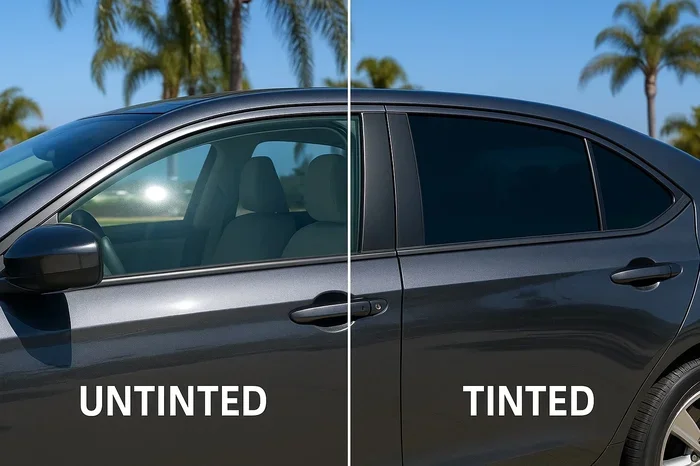
When we say 25 percent window tint, we are talking about the visible light transmission (VLT) percentage. VLT measures how much light the tint film lets through your windows. A 25 percent tint means that only 25% of outside light passes through. The other 75% gets blocked. This includes harmful UV rays and a good amount of infrared heat.
Most factory-tinted windows sit somewhere between 15% and 20% VLT. So a 25% aftermarket tint is often slightly lighter than what many cars come with from the factory. This makes it a very practical choice for people who want improvement without going too dark.
Understanding VLT Percentages
The VLT scale works like this. The lower the number, the darker the tint. A 5% tint is very dark and often called a “limo tint.” A 70% tint is barely noticeable and lets in almost as much light as an untinted window. 25 percent window tint falls right in the middle. It provides a noticeably darker look while still allowing decent visibility.
Here is a quick comparison of common tint levels:
- 5% VLT — Very dark. Often illegal for front side windows.
- 20% VLT — Dark. Popular for rear windows.
- 25% VLT — Medium-dark. A versatile all-around choice.
- 35% VLT — Medium. Good for subtle tinting.
- 50% VLT — Light. Minimal darkening effect.
Benefits of Choosing 25 Percent Window Tint
Why do so many car owners choose 25 percent tint over other darkness levels? There are some real, tangible benefits that go beyond just looks. Let us dive into the top reasons people love this tint level.
UV Protection for You and Your Car
One of the biggest reasons to tint your windows is UV protection. The sun emits ultraviolet rays that can damage your skin and fade your car’s interior. A quality 25 percent window tint can block up to 99% of harmful UV rays. This is especially important for drivers who spend a lot of time on the road.
Over time, UV exposure causes your dashboard, seats, and trim to crack and fade. Tinting helps preserve the look and value of your car’s interior. Think of it as sunscreen for your vehicle.
Heat Rejection and Comfort
Let us talk about heat. If you live in a warm climate, you know how brutal a hot car can be. Sitting down on a scorching leather seat is nobody’s idea of fun. 25 percent tint significantly reduces the amount of solar heat that enters your vehicle.
Most quality tint films reject between 50% and 70% of total solar energy. That means your car stays cooler on hot days. You also rely less on your air conditioning, which can improve fuel efficiency over time. Less AC use means less engine strain and better gas mileage.
Glare Reduction for Safer Driving
Glare from the sun or headlights at night can be distracting and dangerous. 25 percent window tint reduces glare significantly without making your windows too dark. You will enjoy a clearer, more comfortable view of the road. This is especially helpful during early morning and late afternoon drives when the sun is low.
Privacy and Security
Let us be honest. A little privacy in your car feels great. With 25% tint, people outside cannot easily see into your vehicle. This adds a layer of security for your belongings. You can leave your bag on the passenger seat without worrying as much about opportunistic theft.
Aesthetic Appeal
There is no denying it. Tinted windows make any car look better. A 25 percent window tint gives your vehicle a polished, finished look. It is dark enough to make a statement but not so dark that it looks aggressive. This tint level works well on sedans, SUVs, trucks, and everything in between.
25 Percent Tint vs. Other Tint Levels
Not sure how 25 percent tint compares to other options? Let us look at the most common tint levels side by side. This will help you decide if 25% is the right choice for you.
| Tint Level | VLT Percentage | Darkness | Best For |
|---|---|---|---|
| 5% | 5% | Very Dark | Luxury look, rear privacy |
| 20% | 20% | Dark | Rear windows, sporty look |
| 25% | 25% | Medium-Dark | All-around balance, legal compliance |
| 35% | 35% | Medium | Subtle tint, front side windows |
| 50% | 50% | Light | Minimal heat rejection, light tint |
As you can see, 25 percent window tint sits in a very practical middle ground. It is darker than most factory tints and lighter than the ultra-dark options that can cause legal trouble. For most people, this is the ideal tint darkness.
Legal Considerations for 25 Percent Tint
One of the most important things to understand before tinting your windows is the law. Window tint laws vary by state and even by country. What is legal in one place might get you a ticket in another. Let us break this down.
Understanding State Tint Laws
In the United States, each state sets its own rules for how dark your tint can be. Most states allow 25 percent tint on rear side windows and rear windshield without any issues. However, front side windows often have stricter limits.
For example, some states require front side windows to have a VLT of 70% or higher. In those states, a 25% tint on the front doors would be illegal. Other states allow 25% or even darker tints on front windows. You need to research the specific laws in your state before getting your windows tinted.
Medical Exemptions
Some states offer medical exemptions for darker window tints. If you or a family member has a condition that makes you sensitive to sunlight, you may qualify for an exemption. These exemptions allow you to tint your windows darker than the standard legal limit. Check with your state’s Department of Motor Vehicles for the application process.
What Happens If You Get Caught?
Driving with illegal tint can result in a fix-it ticket or a fine. In some states, you may be required to remove the tint immediately. Repeated violations can lead to higher fines and even points on your license. It is simply not worth the risk. Always make sure your tint complies with local regulations.
Types of Tint Films for 25 Percent Darkness
Not all tint films are created equal. When you go for 25 percent window tint, you will find several different film types on the market. Each has its own pros and cons. Let us look at the most common options.
Dyed Film
Dyed tint film is the most affordable option. It uses multiple layers of dye to absorb heat and block light. Dyed films provide decent privacy and a clean look. However, they tend to fade over time and offer less heat rejection than premium options. If you are on a tight budget, dyed film can work, but it may need replacement sooner.
Metalized Film
Metalized tint contains tiny metallic particles that reflect heat away from your car. These films are more durable than dyed tints and offer better heat rejection. The downside is that metalized films can interfere with cell phone signals and GPS reception. They also tend to have a shiny, reflective appearance.
Carbon Film
Carbon tint films are a popular middle-ground option. They do not contain metal, so they do not interfere with electronics. Carbon films offer excellent heat rejection and a matte finish that looks sleek. They are more durable than dyed films and resist fading well. 25 percent carbon tint is a great choice for people who want quality without breaking the bank.
Ceramic Film
Ceramic tint is the premium option. It uses nano-ceramic particles to block heat and UV rays without affecting signal reception. Ceramic films offer the best performance in every category. They are the most durable, the most effective at heat rejection, and they do not fade over time. The downside is the price. Ceramic 25% tint can cost significantly more than other film types.
Which Film Type Should You Choose?
Your choice depends on your budget and priorities. Here is a quick guide:
- Budget-friendly: Go with dyed or carbon film.
- Best performance: Choose ceramic film.
- Signal-friendly: Avoid metalized film.
- Long-lasting: Carbon and ceramic are your best bets.
How to Install 25 Percent Window Tint
Installing window tint can be done yourself or by a professional. Both approaches have their merits. Let us explore what each option looks like.
DIY Installation
If you are handy and patient, you can tint your windows yourself. DIY tint kits for 25 percent window tint are widely available online and at auto parts stores. They typically cost between $20 and $100 per roll.
Here are some tips for a successful DIY install:
- Clean your windows thoroughly with a glass cleaner and lint-free cloth.
- Use a tint application solution to slide the film into position.
- Use a squeegee to push out bubbles and excess water.
- Cut the film slightly larger than the window and trim after application.
- Work on a cloudy day or indoors to avoid dust and direct sunlight.
DIY installation takes practice. Your first attempt may not be perfect, and that is okay. With a little patience, you can achieve a professional-looking result.
Professional Installation
Hiring a professional is the easiest and most reliable option. A skilled installer will prepare your windows, apply the film smoothly, and ensure a bubble-free finish. Most professional installations take about one to two hours for a full car.
Professional installation also often comes with a warranty on the film and labor. This gives you peace of mind if anything goes wrong. If you want the best results with minimal hassle, professional installation is the way to go.
Aftercare Tips for Your New Tint
Proper aftercare extends the life of your 25% tint significantly. Follow these simple tips:
- Wait at least 3-5 days before rolling down your windows.
- Do not clean the tinted side of the windows for at least one week.
- Use a soft cloth and non-ammonia cleaner after the curing period.
- Avoid parking in direct sunlight for the first 48 hours.
- If you notice small bubbles, they usually disappear as the film cures.
How Much Does 25 Percent Window Tint Cost?
Cost is always a factor when considering window tinting. The price of 25 percent window tint depends on several factors. These include the type of film, your vehicle size, and whether you choose DIY or professional installation.
For a standard sedan, you can expect to pay between $100 and $250 for professional installation with a quality film. Larger vehicles like SUVs and trucks may cost $200 to $400 or more. DIY kits are significantly cheaper, usually ranging from $20 to $100 per roll.
Ceramic films cost more but offer superior performance. Carbon films sit in the mid-range. Dyed films are the most affordable but may not last as long. Think of tinting as an investment in your car’s comfort, protection, and appearance.
Cost Breakdown by Film Type
- Dyed film: $50 – $150 (professional installation)
- Carbon film: $100 – $250
- Ceramic film: $200 – $400+
Keep in mind that these are general estimates. Prices vary by location, installer expertise, and film brand. Always ask for a detailed quote before committing to an installation.
Common Mistakes to Avoid When Tinting Your Windows
Even experienced car owners make mistakes when tinting their windows. Here are some common pitfalls to watch out for.
- Choosing the wrong darkness level. Make sure 25% tint is legal for your front windows in your state.
- Skipping the warranty. Always ask about the warranty that comes with your tint film and installation.
- Using cheap film. Low-quality tint bubbles, fades, and peels within a year or two.
- Rolling windows too soon. Wait the recommended curing time to prevent damage to the film.
- Ignoring the rear windshield. Many people forget that the rear windshield also needs tint care and has its own legal limits.
- Not checking for bubbles. Inspect your tint closely after installation and ask for a redo if you see air pockets.
Avoiding these mistakes will save you time, money, and frustration. A little research goes a long way toward a great result.
Is 25 Percent Window Tint Right for You?
After reading through all of this, you might be wondering if 25 percent window tint is the right choice for your situation. The answer depends on your needs, your vehicle, and your local laws.
If you want a tint that looks great, provides excellent UV and heat protection, and stays within legal limits in most states, then yes — 25% tint is a fantastic option. It works well on all windows of your car and offers a balanced level of darkness and functionality.
Think about what matters most to you. Is it protecting your skin during long drives? Is it keeping your car cooler in the summer? Or is it simply giving your car a polished, finished look? Whatever your reason, 25 percent window tint delivers on all fronts.
Take your time choosing the right film type and installer. A little extra effort upfront pays off with years of enjoyment from your tinted windows. Your car — and your future self on a hot summer day — will thank you.
Conclusion
25 percent window tint is one of the smartest upgrades you can make to your vehicle. It offers excellent UV protection, meaningful heat rejection, improved privacy, and a polished look. With the right film type and a proper installation, your tinted windows will look great for years to come.
Remember to check your local tint laws before installation. Choose a film type that fits your budget and performance needs. And take good care of your tint after installation to maximize its lifespan.
Whether you go the DIY route or hire a professional, 25 percent window tint is a worthwhile investment. It enhances your driving comfort, protects your car interior, and adds value to your vehicle. Start your tinting journey today and enjoy the difference on your very next drive.
Frequently Asked Questions
Can I put 25 percent tint on my front windshield?
In most states, tinting the front windshield is restricted to the top few inches, known as the sunstrip. Full windshield tinting with a 25% VLT is typically illegal. Check your state’s specific laws to be sure.
How long does 25 percent window tint take to cure?
Most tint films take about 3 to 5 days to fully cure. In humid or cold climates, curing can take up to 2 weeks. During this time, avoid rolling down your windows and keep your car out of direct sunlight as much as possible.
Will 25 percent tint affect my visibility at night?
A 25% tint may slightly reduce night visibility compared to untinted windows, but it is generally not a major issue. Most drivers adapt quickly. If you do a lot of night driving, consider keeping your front windows slightly lighter or using a high-quality film that maximizes light transmission.
Can I tint my windows myself with a 25% kit?
Yes, you can. DIY tint kits are widely available and affordable. However, professional installation usually produces a cleaner, more durable result. If you choose the DIY route, follow the instructions carefully and take your time.
Does 25 percent tint block heat completely?
No tint blocks 100% of heat, but a quality 25% tint can reject 50% to 70% of solar heat. The exact amount depends on the film type. Ceramic and carbon films offer the best heat rejection at this darkness level.
Is 25 percent tint legal for all car windows?
Not necessarily. Laws vary by state and by window position. Most states allow 25% tint on rear side windows and the rear windshield, but front side windows and windshields often have stricter limits. Always verify your local regulations before getting tinted.