3 Percent Window Tint: How Visibility Actually Works
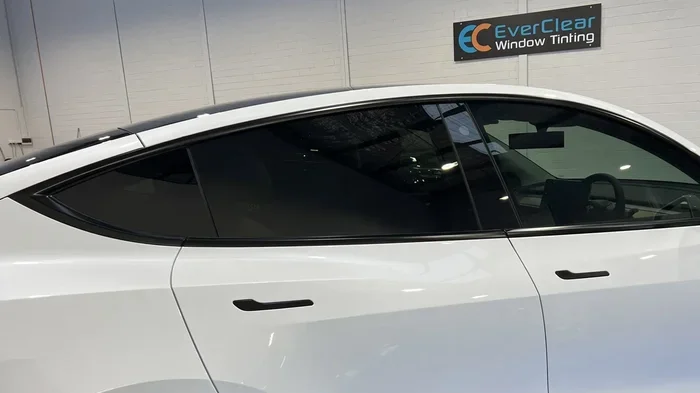
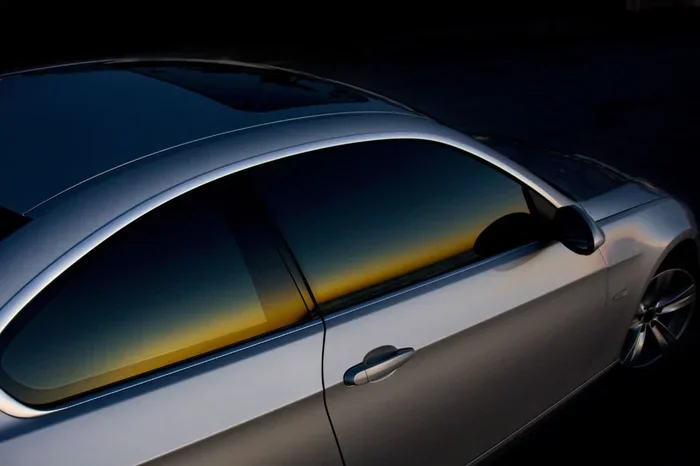
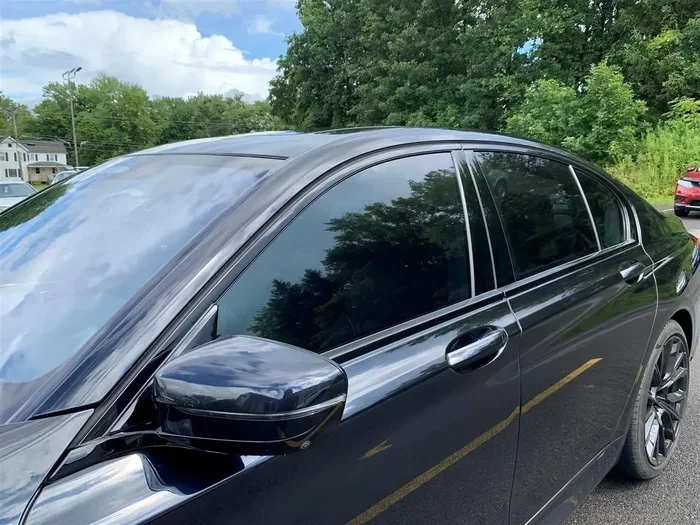
3 percent window tint is one of the darkest tint options available, offering extreme privacy and heat rejection. It allows only 3% of visible light to pass through, which dramatically changes how you see while driving. This guide breaks down how 3 percent window tint visibility really works, what to expect, and whether it’s right for your car. You will learn about VLT ratings, legal limits, and practical tips for staying safe with dark tint.
Have you ever seen a car with windows so dark you could barely see inside? That is likely 3 percent window tint at work. It is one of the darkest tint levels you can get, and it changes the way you see the road — and the way the world sees you. Whether you want privacy, style, or serious heat protection, this level of tint delivers. But it also comes with trade-offs you need to understand before you commit.
In this article, we will walk through everything you need to know about 3 percent window tint visibility. We will cover how it works, what the laws say, and what real-world driving feels like with a very dark tint. By the end, you will know if this level of tint is a smart choice for your vehicle.
Key Takeaways
- Very Low Light Transmission: 3 percent tint blocks 97% of visible light, creating a very dark appearance.
- Reduced Night Visibility: Dark tint can make driving at night or in poor weather significantly harder.
- Legal Restrictions Apply: Most states limit how dark tint can go on front side windows.
- Great for Privacy and Heat Rejection: 3 percent tint excels at keeping interiors cool and blocking prying eyes.
- Quality Film Matters: Ceramic and high-end films perform better than dyed films at the same VLT level.
- Professional Installation Helps: A skilled installer ensures even application and fewer visibility issues.
📑 Table of Contents
- What Is 3 Percent Window Tint?
- How Visible Light Transmission Affects Visibility
- Benefits of 3 Percent Tint for Your Vehicle
- Legal Restrictions and Regulations
- Common Problems with Dark Tint and Visibility
- Tips for Choosing the Right Tint for Visibility
- Expert Insights on Dark Window Tint
- Key Takeaways
- Frequently Asked Questions
- Conclusion
What Is 3 Percent Window Tint?
When we talk about 3 percent window tint, we are referring to the Visible Light Transmission (VLT) percentage. VLT measures how much light the tint film allows to pass through your glass. A 3 percent VLT means only 3% of outside light gets in. That means 97% of light is blocked. This makes for an extremely dark window.
Most factory car windows already block some light. But aftermarket tint film is what takes darkness to the next level. There are several tint darkness levels available:
- 50% VLT: Blocks half the light. A moderate tint.
- 35% VLT: Popular for a balanced look and feel.
- 20% VLT: noticeably darker. Common for rear windows.
- 5% VLT: Often called “limo tint.” Nearly opaque.
- 3% VLT: One of the darkest options available.
3 percent window tint sits near the darkest end of the spectrum. It is darker than most legal limits for front-side windows in the United States. People choose this level for maximum privacy and maximum heat reduction. But the darkness also affects how well you can see through the glass.
How Tint Darkness Is Measured
VLT is measured using a special device called a tint meter. Installers and law enforcement use these tools to check how dark a film is. The measurement applies to the film alone, not the glass. So if your car already has tinted factory glass, the combined VLT will be even darker. This is an important detail to keep in mind when choosing your window tint darkness.
How Visible Light Transmission Affects Visibility
The connection between VLT and visibility is straightforward. Lower VLT means less light enters the vehicle. Less light means a darker interior. A darker interior means your eyes must work harder to see outside. This is the core reason 3 percent window tint visibility can be challenging.
How Your Eyes Adjust to Dark Tint
During the day, your pupils naturally constrict in bright light. When you look through a 3 percent tint film, very little light reaches your eyes. Your pupils dilate to let in more light. But even with dilation, the amount of visual information is limited. You may notice shapes and movement, but fine details become harder to see.
Many drivers report that dark tinted windows feel like wearing sunglasses at all times. During daylight, this can actually be comfortable. But it becomes a problem when light conditions change quickly.
Daytime vs. Nighttime Visibility
During the day, 3 percent window tint can work reasonably well. There is plenty of ambient light bouncing off roads, buildings, and other vehicles. Your brain can fill in the gaps and help you navigate. However, at night, the situation changes dramatically.
At night, there is far less available light. With a 3% VLT tint, almost all of that already limited light is blocked. Driving on unlit roads becomes risky. You may struggle to see pedestrians, animals, or obstacles. Rain, fog, and snow make things even worse. The tint compounds the already reduced visibility that these conditions create.
If you regularly drive at night, you should think carefully before choosing such a dark tint. Many people who go with 3 percent tint keep their front windows lighter for safety.
Benefits of 3 Percent Tint for Your Vehicle
Despite the visibility challenges, 3 percent window tint offers some compelling benefits. Let us look at why so many car owners choose this level of darkness.
Exceptional Heat Rejection
One of the biggest reasons people tint their windows is to reduce heat. A 3% tint film blocks a massive amount of solar energy. High-quality ceramic or carbon window tint at 3% VLT can reject up to 70% or more of total solar energy. This keeps your car interior significantly cooler, especially in hot climates.
Less heat means less reliance on your air conditioning. That can improve fuel efficiency over time. It also makes getting into a hot car far more comfortable.
Superior UV Protection
Tinted windows do more than just reduce heat. Quality UV protection window film blocks up to 99% of harmful ultraviolet rays. This protects your skin during long drives. It also helps prevent fading and cracking of your interior upholstery, dashboard, and trim.
Even with a very dark tint, UV protection is not automatically guaranteed. Always check the specifications of the tint film you choose. Reputable brands will clearly list their UV rejection rates.
Maximum Privacy and Security
With only 3% of light passing through, your car interior is essentially invisible from the outside. This level of privacy glass protects your belongings from view. It also adds a layer of security. Thieves are less likely to target a vehicle when they cannot see what is inside.
For families with children, this privacy can also offer peace of mind. Car seats, child belongings, and personal items stay out of sight from passersby.
Glare Reduction
Glare from sunlight and headlights can be distracting and dangerous. A 3 percent window tint dramatically cuts down on glare. This can reduce eye strain on long drives. It also helps you maintain better focus on the road ahead.
However, there is a trade-off here. While the tint reduces glare from outside, it also reduces your ability to see outside. The balance between comfort and safety is something every driver must consider.
Legal Restrictions and Regulations
Window tint laws vary widely from state to state and country to country. Before you install 3 percent window tint, you need to know what is legal in your area.
Front Side Window Rules
In most U.S. states, front side windows must allow at least 50% VLT. Some states allow as low as 35% on the front doors. Very few states permit 3% VLT tint on front side windows. This means you may only be able to apply 3% tint to your rear and back windows.
Here is a general idea of common front-side window limits:
- California: 70% VLT minimum on front side windows.
- Texas: 25% VLT minimum on front side windows.
- Florida: 28% VLT minimum on front side windows.
- New York: 70% VLT minimum on front side windows.
- Arizona: 33% VLT minimum on front side windows.
These numbers change, so always check your local legal tint limits before scheduling an installation. Getting caught with illegal tint can result in fines and mandatory removal.
Rear Window and Rear Window Rules
Most states allow darker tint on rear windows. Many permit 3 percent window tint on the back seat windows and rear windshield without restriction. Some states require dual side mirrors if the rear window is tinted below a certain VLT level.
Medical Exemptions
Some states offer medical exemptions for darker tint. People with certain skin conditions or light sensitivities may qualify. If you think you might be eligible, check with your state’s Department of Motor Vehicles. They can provide the proper documentation and application process.
Common Problems with Dark Tint and Visibility
Choosing 3 percent window tint is not without risks. Many drivers experience problems they did not anticipate. Understanding these issues ahead of time helps you make a smarter decision.
Reduced Depth Perception
One of the most overlooked problems with dark tint is reduced depth perception. When your eyes receive very little light, judging distances becomes harder. This affects your ability to gauge how far away other cars are. It also impacts parking and merging, especially in tight spaces.
Difficulty Seeing Mirrors
Your side mirrors and rearview mirror rely on reflected light. With 3% VLT tint on your side and rear windows, the reflection inside your car is much dimmer. This can make it harder to check your mirrors effectively. You may need to adjust your mirror-checking habits to compensate.
Signal and GPS Interference
Some tint films, especially metalized ones, can interfere with electronic signals. This may affect your GPS navigation, phone reception, and even your toll pass or keyless entry system. If you choose a 3 percent tint, look for non-metallic or ceramic options. These types of film are less likely to cause signal problems.
Heat Buildup on the Film Itself
Dark tint absorbs a lot of solar energy. This absorbed energy turns into heat on the film surface. In extreme cases, the tint can become very hot to the touch. Over time, this can cause the film to bubble or peel. Choosing a high-quality ceramic tint with good thermal management helps prevent this issue.
Tips for Choosing the Right Tint for Visibility
If you are still interested in 3 percent window tint, there are ways to make the experience better. Here are practical tips to help you choose wisely and stay safe.
Consider Hybrid Darkness Levels
Many car owners choose a hybrid approach. They apply 3% tint to the rear windows for maximum privacy and heat rejection. For the front side windows, they choose a lighter tint, such as 20% or 35%. This gives you the dark look you want while keeping the driver and front passenger safer.
This approach is also more likely to stay within legal tint limits. You get the best of both worlds: style and safety.
Invest in Quality Film
Not all tint film is created equal. Cheap dyed films at 3% VLT often look hazy and distort vision. High-quality ceramic or sputter-coated films maintain clarity even at very low VLT levels. The difference in optical quality is significant.
When shopping for 3 percent window tint, ask the installer about the film brand. Look for warranties and read reviews. A slightly higher upfront cost pays off in better visibility and durability.
Choose the Right Installer
Installation quality matters just as much as film quality. A poor installation can create bubbles, creases, and uneven darkness. These flaws make visibility even worse. Choose an experienced, reputable installer who has worked with dark tint before.
Ask to see their previous work. A skilled installer will ensure the film adheres smoothly and the edges are clean. This makes a big difference in both appearance and visibility.
Test Drive Before Committing
If possible, test a sample piece of 3% tint film on a window before committing to a full vehicle wrap. Sit in the car and try to see through it at different times of day. Check how it affects your view in the mirrors. This simple test can save you from a decision you might regret.
Keep Your Windshield Clear
Most window tint laws prohibit tint on the front windshield above a certain strip. This strip, often called the sun strip or visor strip, is usually about 4 to 6 inches tall. Keep this area clear and untinted. It plays a vital role in your overall visibility, especially during sunrise and sunset.
Expert Insights on Dark Window Tint
Professional installers and automotive experts have strong opinions about 3 percent window tint. Here is what the experts want you to know.
Start with the rear windows. Most experts recommend applying your darkest tint to the rear side windows and back windshield first. These windows have the least impact on your driving visibility. You get the privacy and heat rejection benefits without compromising your ability to see the road.
Do not skip the heat rejection test. A good installer will measure the heat rejection of your tinted windows using a heat lamp or thermal camera. This gives you a clear picture of how much the tint is actually blocking. Ceramic films at 3% VLT often outperform cheaper options at much higher VLT levels.
Think about resale value. Very dark tint is not for everyone. While it appeals to some buyers, it can turn off others. If you plan to sell your car soon, a moderate tint level may offer a better return on investment.
Remember the legal risks. Even if you love the look of 3 percent window tint, getting pulled over for illegal tint is not worth it. The fines can add up, and you may be forced to remove the tint entirely. Stay informed about your local regulations and comply with them.
Key Takeaways
- Very Low Light Transmission: 3 percent tint blocks 97% of visible light, creating a very dark appearance.
- Reduced Night Visibility: Dark tint can make driving at night or in poor weather significantly harder.
- Legal Restrictions Apply: Most states limit how dark tint can go on front side windows.
- Great for Privacy and Heat Rejection: 3 percent tint excels at keeping interiors cool and blocking prying eyes.
- Quality Film Matters: Ceramic and high-end films perform better than dyed films at the same VLT level.
- Professional Installation Helps: A skilled installer ensures even application and fewer visibility issues.
Frequently Asked Questions
Is 3 percent window tint legal everywhere?
No, 3% VLT tint is illegal for front side windows in most U.S. states. It is typically allowed only on rear windows and the back windshield. Always check your local window tint laws before installation to avoid fines or removal orders.
Can I see through 3 percent tint at night?
Visibility through 3 percent tint at night is very limited. The film blocks 97% of available light, making it extremely difficult to see through the glass. Most experts advise against using such dark tint on any window you need to see through while driving after dark.
Does 3 percent tint block UV rays?
Yes, quality 3 percent tint film blocks up to 99% of harmful UV rays, regardless of the darkness level. UV protection comes from the film’s chemical composition, not just its darkness. Always confirm the UV rejection rating with the manufacturer or installer.
What is the difference between 3 percent and 5 percent tint?
The difference is small but noticeable. 5% VLT tint (often called limo tint) allows slightly more light in than 3% VLT tint. In practice, both are very dark. The 3% option offers slightly better privacy and heat rejection but at the cost of even less visibility.
Can I apply 3 percent tint myself?
You can, but it is not recommended. Dark tint films are harder to apply without bubbles, creases, or misalignment. Professional installation ensures a clean, even finish that looks better and lasts longer. For 3 percent window tint, the skill of the installer makes a big difference in the final result.
How long does 3 percent tint last?
High-quality ceramic or carbon tint films at 3% VLT can last 10 to 15 years with proper care. Cheaper dyed films may peel or fade within 3 to 5 years. The longevity of your tinted windows depends heavily on the film quality and the skill of the installer.
Conclusion
3 percent window tint is a powerful choice for drivers who want maximum privacy, heat rejection, and UV protection. It transforms the look of any vehicle and keeps the interior remarkably cool. But it also comes with real visibility challenges, especially at night and in poor weather conditions.
Understanding how 3 percent window tint visibility works is the first step toward making a smart decision. Weigh the benefits against the risks. Know your local legal tint limits. Choose quality film and a skilled installer. And consider a hybrid approach that keeps your front windows lighter for safety.
The right tint can enhance your driving experience in meaningful ways. But the wrong tint — or the wrong darkness level for your needs — can create unnecessary problems. Take your time, do your research, and choose the option that fits your lifestyle best. With the right approach, 3 percent window tint can be a great addition to your vehicle.