The Average Car Length in Feet and Why You Should Know
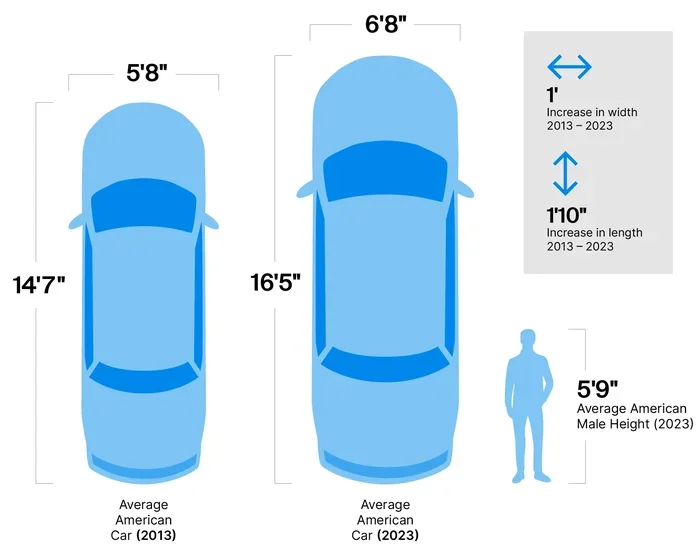
The average car length in feet varies by vehicle type, but most standard sedans fall between 14 and 16 feet long. Knowing your average car length in feet helps you park better, buy the right vehicle, and plan for garage space. This guide covers everything from subcompact cars to full-size SUVs and explains why car dimensions matter more than you think.
When you think about buying a car, what comes to mind first? Most people focus on color, fuel economy, or price. But one detail often gets overlooked: the average car length in feet. Your vehicle’s length affects how you park, where you store it, and how comfortable your drives feel. Understanding car dimensions before you buy can save you from big headaches down the road.
Whether you are shopping for a compact car or a full-size truck, knowing the numbers helps. This guide breaks down the average car length in feet across all vehicle types. You will learn why vehicle size matters, how to measure your car, and what to consider when choosing the right fit for your life.
Key Takeaways
- Most cars range from 12 to 18 feet: The average car length in feet depends on the vehicle class, from small subcompacts to large trucks.
- Vehicle type changes everything: Compact cars are shorter than mid-size sedans, and SUVs are longer than both.
- Parking matters: Knowing your car’s length helps you fit into spots, garages, and tight spaces with confidence.
- Garage size is key: Always measure your garage before buying a car to ensure a comfortable fit.
- Driving comfort improves with the right size: Choosing the correct vehicle length enhances road trips and daily driving.
- Car dimensions affect more than length: Width and height also play a role in fit and function.
📑 Table of Contents
What Is the Average Car Length in Feet?
The average car length in feet for a standard sedan sits around 14 to 15 feet. But that number changes fast when you look at different vehicle types. A tiny subcompact might be just 12 feet long, while a large full-size SUV could stretch past 18 feet. The vehicle classification system groups cars by size, and each group has its own typical length range.
Car measurements include more than just length. You also need to think about car width and car height. Together, these three dimensions shape the vehicle footprint. The footprint tells you how much space the car takes up on the road and in your garage. Before you dive into specifics, here is a quick look at how car sizes break down by class.
Why Vehicle Classification Matters
Car makers use vehicle classification to group vehicles by size. This system helps buyers compare options. It also affects insurance rates, fuel taxes, and even toll fees in some areas. The main classes include subcompact, compact, mid-size, and full-size. Each class has a different average car length in feet. Knowing these ranges gives you a solid starting point for your car search.
Vehicle classification is not just a marketing term. It has real-world implications for your daily driving experience. A subcompact car is built for efficiency and ease of parking. A full-size car is built for comfort and space. Understanding where each vehicle falls on the scale helps you make a smarter choice.
How Car Length Varies by Vehicle Type
The average car length in feet changes a lot depending on what type of vehicle you are looking at. Let us walk through each category and see how they stack up. This section covers everything from small city cars to big pickup trucks.
Subcompact Cars
Subcompact cars are the smallest passenger vehicles on the road. They typically measure between 12 and 14 feet long. These tiny vehicles are perfect for city driving and tight parking spots. Popular subcompact models include the Honda Fit and the Hyundai Accent. Their small size makes them easy to maneuver in crowded streets.
If you live in a city apartment with limited parking, a subcompact is a smart choice. The compact car length gives you great fuel economy too. These vehicles are often the most affordable options on the lot. They are a great starting point for first-time drivers and young buyers. The subcompact car length also means lower insurance premiums in many cases.
Compact Cars
Compact cars are slightly larger than subcompacts. The average compact car length falls between 14 and 15.5 feet. Models like the Toyota Corolla and Honda Civic are popular choices in this class. They offer a great balance of space, fuel efficiency, and affordability.
Many families choose compact cars as their daily drivers. They have enough room for four or five passengers comfortably. The compact car length also makes them easy to park in standard parking garages. If you want a practical, no-fuss vehicle, this class is worth your attention. Compact cars are the sweet spot for many first-time buyers and small families alike.
Mid-Size Cars
Mid-size cars sit in the middle of the size spectrum. They typically measure between 15.5 and 17 feet long. The Toyota Camry and Honda Accord are well-known mid-size sedans. These vehicles offer more interior space than compacts while staying easy to handle.
Road trips are more comfortable in a mid-size car. You get extra legroom and cargo space without the bulk of a full-size model. The average car length in feet for mid-size sedans makes them versatile for both city and highway driving. They are a popular choice for commuters and families alike. The mid-size car length also means you get a smooth ride without feeling like you are driving a tank.
Full-Size Cars
Full-size cars are the largest passenger sedans. They typically range from 17 to 19 feet in length. Models like the Ford Taurus and Chevrolet Impala fall into this category. These vehicles offer maximum interior space and comfort for long drives.
The full-size car length means you need more garage space. Parking can also be a challenge in tight urban areas. However, if you value comfort and room, a full-size sedan is hard to beat. They are especially popular with families who need extra space for road trips and daily errands. The full-size vehicle footprint provides a sense of stability and presence on the road.
SUVs and Trucks
SUVs and trucks are the longest vehicles on most roads. The average SUV length ranges from 15 to 20 feet, depending on the size class. A compact SUV might be around 15 feet, while a full-size SUV like the Chevrolet Tahoe can stretch past 20 feet. The truck length for full-size pickups like the Ford F-150 is typically between 17 and 22 feet.
These large vehicles come with big advantages. They offer towing capacity, cargo space, and commanding road presence. But they also come with downsides. A large vehicle footprint makes parking harder. It also means higher fuel costs. When shopping for SUVs and trucks, always check the SUV length and truck length before you decide. The vehicle size you choose should match your real needs, not just your wants.
Quick Comparison Table
| Vehicle Type | Typical Length (Feet) | Example Models |
|---|---|---|
| Subcompact Car | 12 – 14 | Honda Fit, Hyundai Accent |
| Compact Car | 14 – 15.5 | Toyota Corolla, Honda Civic |
| Mid-Size Car | 15.5 – 17 | Toyota Camry, Honda Accord |
| Full-Size Car | 17 – 19 | Ford Taurus, Chevy Impala |
| Compact SUV | 15 – 17 | Honda CR-V, Toyota RAV4 |
| Full-Size SUV | 18 – 20+ | Chevy Tahoe, Ford Expedition |
| Full-Size Truck | 17 – 22 | Ford F-150, Ram 1500 |
This table gives you a clear picture of the average car length in feet across different vehicle types. Use it as a reference when you are comparing models at the dealership or online. Keep in mind that these are general ranges. Individual models may vary slightly based on trim level and optional features.
Why Knowing Car Length Matters
You might wonder why the average car length in feet is such a big deal. It is not just a number on a spec sheet. Vehicle length affects your daily life in more ways than you might expect. Here are the main reasons why car dimensions matter for every driver.
Parking and Maneuverability
Parking is the most obvious reason to care about car length. A shorter vehicle fits into tight parallel parking spots with ease. Longer vehicles need more space and can be tricky in crowded lots. If you have ever struggled to fit into a parking garage, you know how frustrating a poor vehicle size fit can be.
Maneuverability also improves with a shorter car. You can navigate narrow streets and sharp turns more confidently. This matters a lot in city driving. Even on highways, a shorter vehicle is easier to position in lanes and change lanes safely. The vehicle footprint directly impacts how easily you can handle your car in tight spaces.
Garage and Storage Planning
Before you buy a car, measure your garage. The garage size needs to comfortably fit your vehicle with room to open the doors. A full-size truck that is 22 feet long will not fit in a 20-foot garage. This is a common mistake that buyers make. Always account for car width and car height too, not just length.
Storing your vehicle outdoors exposes it to weather damage. A car that does not fit in the garage takes a beating from rain, sun, and snow. Protecting your investment starts with knowing the average car length in feet and comparing it to your available space. A proper garage fit also keeps your car cleaner and reduces maintenance costs over time.
Driving Comfort and Safety
Vehicle size affects driving comfort in surprising ways. A longer car gives you more cabin space and cargo room. But it can also feel harder to control in tight spaces. Shorter cars are nimble and easy to drive, but they may feel cramped on long road trips.
Safety is another factor. Car dimensions influence crash dynamics. Longer vehicles often provide more crumple zone space, which can improve crash protection. But they also have larger blind spots. The best car length for you balances comfort, safety, and practical needs. Always sit in a car and test drive it before deciding that the vehicle size is right for you.
Fuel Economy and Running Costs
Vehicle size directly impacts fuel economy. Shorter, lighter cars use less gas than long, heavy trucks. The average car length in feet often correlates with weight, which affects your fuel costs. Over time, these costs add up significantly. When you are budgeting for a car, consider the long-term cost of the vehicle size you choose. A smaller vehicle footprint generally means lower running costs across the board.
How to Measure Your Car’s Length Correctly
Measuring your car is simpler than you might think. You do not need fancy tools. Just a tape measure and a flat surface will do. Here is how to get accurate car measurements every time.
Step-by-Step Measurement Guide
Follow these steps to measure your vehicle length correctly:
- Step 1: Park your car on a flat, level surface.
- Step 2: Find the farthest forward point of the car. This is usually the front bumper or grille.
- Step 3: Find the farthest rear point. This is typically the rear bumper.
- Step 4: Place the start of your tape measure at the front point.
- Step 5: Pull the tape measure straight back to the rear point.
- Step 6: Read the measurement in feet or inches.
For the most accurate car measurements, repeat the process two or three times. Make sure the tape measure stays straight and level. If you are buying a used car, you can also check the owner’s manual or the manufacturer’s website for official specs. Car dimensions are listed in every vehicle listing, so you do not always need to measure yourself.
Common Mistakes to Avoid
Many people make simple errors when measuring car length. Do not add the tow hitch if it is removable. Do not count roof racks or spoilers unless they are permanent fixtures. These extras can throw off your car dimensions and give you incorrect numbers. Stick to the main body of the vehicle for the most accurate reading.
Another common mistake is confusing length with wheelbase. The wheelbase is the distance between the front and rear axles. It is not the same as the total vehicle length. Understanding this difference matters when you are comparing car models or planning garage space. Always double-check whether a spec refers to overall length or wheelbase before you make a decision.
Car Length and Parking: What You Need to Know
Parking is where car length hits home the most. Whether you are parallel parking on a city street or fitting into a garage, your vehicle size makes all the difference.
Standard Parking Space Sizes
Most standard parking spaces are about 8.5 to 9 feet wide and 18 to 20 feet long. A compact car with a compact car length of around 14 feet fits easily into these spots. A full-size SUV at 20 feet or more may feel tight. Always check parking space requirements before you buy a larger vehicle.
Angle parking spots are usually a bit more forgiving than parallel spots. But if you have a long vehicle, even angle parking can be a challenge. Practice parking in empty lots before you try it in a crowded lot. Confidence comes with experience and knowing your vehicle size. The parking space requirements for larger vehicles are also different in some commercial garages, so always check posted signs.
Quick Tips for Parking Large Vehicles
- Use your mirrors and cameras to judge distance.
- Park in slightly larger spaces when available.
- Avoid tight underground garages with large SUVs or trucks.
- Consider a backup sensor or rearview camera for safety.
- Measure your garage door opening before buying a long vehicle.
- Practice parallel parking in an empty lot until you feel confident.
- Remember that car width matters just as much as car length in tight spots.
Tips for Choosing the Right Car Size
Choosing the right car size is one of the most important decisions you will make. The average car length in feet should match your lifestyle, not just your taste. Here are some practical car shopping tips to help you decide.
Assess Your Daily Needs
Think about how you use your car every day. Do you commute alone or carpool with coworkers? Do you have a family that needs extra seats? Do you haul gear for sports or hobbies? Your daily needs should drive your vehicle size choice. A single person living in a city apartment does not need a full-size truck. A family of five who loves camping needs the cargo space of a larger SUV.
Consider the vehicle classification that best fits your routine. If you mostly drive alone, a compact or subcompact saves money and fuel. If you carpool or have a growing family, a mid-size or full-size vehicle gives you the room you need. The right vehicle size is the one that fits your actual life, not your dream life.
Consider Future Changes
Life changes, and your car should be ready. Are you planning to start a family? Do you expect to need more cargo space in the coming years? Think about the vehicle footprint that will work for you not just today, but in two or three years. This forward-thinking approach helps you avoid buying a car that is too small or too large down the road.
Future-proofing your car purchase means thinking about resale value too. Cars that are too large for a buyer’s current needs often sell for less when they upgrade. Finding the right balance between present and future needs is a key part of smart car shopping.
Test Drive Before You Buy
Always test drive a car before purchasing. Sit in the driver seat and check the visibility. Open the doors and see how much space you have inside. Drive it in traffic and on the highway. The driving comfort level is something you cannot judge from a spec sheet alone. Trust your instincts and how the vehicle feels on the road.
During the test drive, pay attention to how the car handles your usual routes. If you drive on narrow city streets, a shorter vehicle length will feel better. If you spend most of your time on open highways, a longer car might feel more stable. Your real-world driving conditions should influence your vehicle size decision.
Expert Insight: The Sweet Spot for Most Buyers
Most automotive experts agree that the mid-size class hits the best balance. The average car length in feet for a mid-size car gives you plenty of room without being unwieldy. You get good fuel economy, easy parking, and comfortable seating. If you are unsure what size to buy, the mid-range is a safe and smart choice for most buyers.
Experts also recommend considering the compact SUV class for families who need more space. A compact SUV offers the cargo room of a larger vehicle without the full-size truck length. This vehicle size category has grown enormously in popularity for good reason. It bridges the gap between car comfort and SUV utility.
Conclusion
The average car length in feet is more than just a number. It shapes your parking experience, your driving comfort, and your overall satisfaction with your vehicle. From subcompact cars to full-size trucks, every vehicle type has its own length profile that suits different needs and lifestyles.
Knowing your car dimensions before you buy helps you make a smarter choice. You will avoid costly mistakes, find better parking, and enjoy every drive more. Whether you are a first-time buyer or upgrading to a new vehicle, keep the average car length in feet in mind. It is one of the most practical details that can make your car ownership experience better every single day.
Take the time to measure your space, compare vehicle sizes, and test drive your top picks. The right car length for you is out there. You just need to know what to look for. Happy car shopping!
Frequently Asked Questions
What is the average car length in feet for a standard sedan?
A standard sedan typically measures between 14 and 16 feet long. The average car length in feet for most mid-size sedans falls right around 15 feet. Compact sedans are closer to 14 feet, while full-size sedans can reach 17 or 18 feet.
How does the average car length in feet affect parking?
Shorter vehicles are easier to park in tight spaces. A car with a compact car length of around 14 feet fits into most standard parking spots with room to spare. Longer vehicles, like full-size SUVs, need more space and can be harder to park in crowded lots or garages.
What is the typical SUV length in feet?
The average SUV length ranges from 15 to 20 feet. Compact SUVs like the Honda CR-V are around 15 to 17 feet long. Full-size SUVs like the Chevrolet Tahoe can stretch past 20 feet. The SUV length you need depends on your family size and cargo requirements.
Does car length affect fuel economy?
Yes, it does. Shorter and lighter cars generally get better fuel economy than longer, heavier vehicles. The average car length in feet often correlates with vehicle weight and aerodynamic drag. If fuel economy is a priority, consider a compact or mid-size car rather than a full-size SUV or truck.
Can I fit a 16-foot car in a 15-foot garage?
It will be very tight and not recommended. You need a few extra feet for clearance when opening the doors and walking around the vehicle. Always choose a garage that is at least 2 to 3 feet longer than the average car length in feet you are considering. This ensures comfortable storage and protects your car from weather damage.
What are the most important car dimensions to consider when buying?
The three key car dimensions are length, width, and height. The average car length in feet determines parking fit and garage requirements. Car width affects lane comfort and side mirror visibility. Car height matters for garage clearance and overall stability. Always consider all three dimensions together when making your purchase decision.