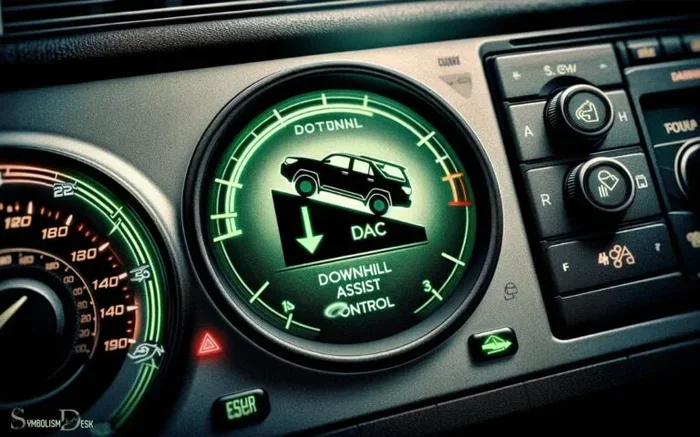
Why Is My Downhill Assist Control Blinking And What To Do
The downhill assist control blinking light can worry any driver, but it usually signals a simple issue you can fix. This light means your vehicle’s hill descent system needs attention, and ignoring it could affect your safety on steep roads. In this guide, we will walk you through the most common reasons for a blinking downhill assist control warning and show you exactly what to do about it.
You are driving down a steep hill. Everything feels fine. Then you glance at your dashboard and see a light blinking. It says something about downhill assist control. Your heart skips a beat. What does it mean? Should you pull over right now? Is your vehicle in danger?
Here is the good news. A blinking downhill assist control light is usually not a life-threatening emergency. It is your vehicle trying to tell you something. And once you know what that something is, you can take action. This guide will explain exactly why your downhill assist control is blinking and give you clear steps to fix it.
We will cover everything from what this system does to the most common causes behind the warning light. You will also learn simple fixes you can try at home and know when it is time to see a professional. Whether you drive a Toyota Land Cruiser, a Jeep Wrangler, or a Honda CR-V, this article has you covered.
Key Takeaways
- Blinking downhill assist control lights often point to sensor issues, low brake fluid, or electrical faults in your vehicle.
- Understanding what the downhill assist control does helps you respond correctly when the warning light appears.
- Simple fixes like resetting the system, checking fluid levels, or inspecting sensors can resolve the problem quickly.
- Ignoring the blinking light may lead to reduced braking performance on steep or rugged terrain.
- Regular vehicle maintenance prevents most downhill assist control issues before they start.
- Knowing when to visit a mechanic saves you time and prevents costly repairs down the road.
📑 Table of Contents
- What Does the Downhill Assist Control Do?
- Common Reasons Why Your Downhill Assist Control Is Blinking
- How to Diagnose the Blinking Light on Your Vehicle
- Step-by-Step Fixes for Downhill Assist Control Issues
- Preventing Downhill Assist Control Problems
- When to See a Mechanic
- Comparison: Common Downhill Assist Control Issues
- Key Takeaways
- Conclusion
What Does the Downhill Assist Control Do?
Before we dive into why the light is blinking, let us understand what the downhill assist control actually does. This system is designed to help drivers maintain a safe speed when going down steep hills. It works by automatically applying the brakes to each wheel. You do not need to pump the brake pedal yourself.
The system uses sensors to read road conditions. It then adjusts braking force to keep your vehicle steady. This feature is especially helpful on rugged terrain like muddy trails, gravel roads, or icy slopes. Many modern trucks and SUVs come with this system built in. It is part of a larger family of vehicle stability control technologies.
The downhill assist control is closely related to hill descent control. Some brands use different names for the same idea. For example, Toyota calls it Downhill Assist Control, while Jeep uses Hill Descent Control. Both systems serve the same purpose. They help you drive safely on steep downhill roads without you having to manage the brakes manually.
This system relies on several components working together. The ABS sensors monitor wheel speed. The electronic control module processes that data. The brake actuator applies the right amount of force. When any of these parts have a problem, the warning light starts blinking. That is your first clue that something needs attention.
Common Reasons Why Your Downhill Assist Control Is Blinking
Now let us get to the heart of the matter. Why is your downhill assist control blinking? There are several reasons this can happen. Some are minor and easy to fix. Others need a mechanic’s attention. Let us look at each one closely.
1. Faulty Wheel Speed Sensors
The most common reason for a blinking downhill assist control light is a bad wheel speed sensor. These small devices sit near each wheel. They measure how fast each wheel is spinning. The electronic control module uses this data to decide when to apply brakes.
When a sensor gets dirty or damaged, it sends wrong signals. The system cannot work properly without accurate data. This triggers the warning light. You might also notice your traction control acting strangely. In some cases, the ABS light will come on too.
Wheel speed sensors can fail because of road grime, metal shavings, or simple wear and tear. Driving through deep water or mud can also cause temporary sensor issues. Cleaning the sensor or replacing it usually fixes the problem fast.
2. Low Brake Fluid Level
Your braking system depends on brake fluid to work. When the fluid level drops too low, the downhill assist control may start blinking. This is your vehicle telling you that the hydraulic system is not getting the pressure it needs.
Low brake fluid can happen for a few reasons. A slow leak in the brake line is one common cause. Worn brake pads can also cause the fluid level to drop over time. When the pads wear down, the calipers extend further, using up more fluid.
Check your brake fluid reservoir under the hood. The fluid should be between the minimum and maximum marks. If it is low, top it off with the correct type of fluid for your vehicle. If the fluid keeps dropping, you have a leak that needs professional repair.
3. Electrical or Wiring Problems
Modern vehicles rely on complex electrical networks. The downhill assist control system is connected to the main electronic control module through wiring harnesses. A corroded connector, a broken wire, or a loose ground can all cause the light to blink.
Water intrusion is a common culprit for electrical issues. If you drive through deep puddles or flood-like conditions, moisture can get into connectors. Over time, this causes corrosion. The signals between sensors and the control module get interrupted.
In older vehicles, wiring harnesses can become brittle and crack. This is especially common in trucks that have been used for off-road driving. A visual inspection of the wiring around the brake system and sensors can reveal obvious damage.
4. Malfunctioning Brake Actuator
The brake actuator is the part that actually applies the brakes when the downhill assist control is active. It receives signals from the control module and pushes the right amount of pressure to each wheel. When this component fails, the system cannot do its job.
A failing brake actuator may cause the light to blink and the system to disengage. You might feel a difference in braking feel when going downhill. Some drivers report a clicking or buzzing sound from the rear of the vehicle when the actuator is starting to fail.
Replacing a brake actuator can be expensive. The part itself costs money, and the labor involves working on the brake system. This is one reason why early diagnosis is so important. Catching the problem early can prevent a small issue from becoming a big repair bill.
5. Steering Angle Sensor Calibration Issues
Your vehicle has a steering angle sensor that tells the electronic control module which direction the wheels are pointed. This information helps the downhill assist control adjust braking force correctly. If the sensor is out of calibration, the system may not work properly.
Steering angle sensors can lose calibration after a wheel alignment, a steering rack replacement, or even after hitting a large pothole. The blinking downhill assist control light is one sign that the sensor needs recalibration.
Fixing this usually requires a diagnostic tool. A mechanic can reset the sensor to factory settings. In some vehicles, you can recalibrate the sensor yourself with the right equipment and a little patience.
6. Four-Wheel Drive System Conflicts
If your vehicle has four-wheel drive, the downhill assist control system works closely with the transfer case and front axle engagement. When the drivetrain components are not communicating properly, the warning light can start blinking.
This often happens when switching between two-wheel drive and four-wheel drive modes. The system may need a moment to re-sync. If the light stays on, there could be an issue with the transfer case motor or the front axle actuator.
Vehicles like the Jeep Wrangler and Toyota 4Runner are known for this issue. Off-road enthusiasts who frequently switch drive modes should pay extra attention to any warning lights that appear after the switch.
How to Diagnose the Blinking Light on Your Vehicle
Seeing the downhill assist control light blink is one thing. Figuring out exactly what is causing it is another. Fortunately, there are steps you can take to narrow down the problem.
Step 1: Check the Dashboard for Other Warning Lights
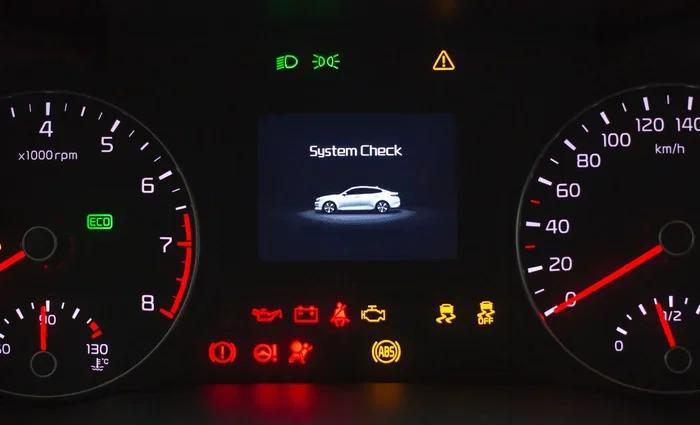
Look at your full dashboard when the downhill assist control light is on. Are other lights also glowing? The ABS light, the traction control light, or the check engine light might also be active. These related lights give you clues about the root cause.
If multiple warning lights are on at the same time, the problem is likely electrical or sensor-related. A single blinking light might point to a simpler issue like low fluid or a temporary glitch.
Step 2: Use an OBD2 Scanner
An OBD2 scanner is one of the best tools for diagnosing blinking warning lights. You can buy a basic scanner for under $30 at most auto parts stores. Plug it into the diagnostic port under your dashboard. The scanner will read error codes stored in the electronic control module.
Each code tells you which part of the system is having trouble. For example, a code starting with C0035 usually points to a left front wheel speed sensor issue. A code like C0040 might indicate a right front sensor problem. These codes save you from guessing and help you target the right fix.
Step 3: Inspect the Physical Components
Pop the hood and check your brake fluid level. Look under the vehicle for any visible leaks. Inspect the area around each wheel for dirt buildup or sensor damage. Sometimes a visual check reveals the problem faster than any scanner.
Clean the wheel speed sensors with a soft brush and brake cleaner. Dirt and metal debris can coat the sensors and cause inaccurate readings. A simple cleaning might reset the system and turn off the blinking light.
Step-by-Step Fixes for Downhill Assist Control Issues
Once you know what is causing the downhill assist control light to blink, you can start fixing it. Here are the most common solutions, listed from simplest to most complex.
Fix 1: Reset the System
Sometimes the system just needs a reset. Turn off your vehicle and remove the key from the ignition. Wait for at least 30 seconds. Reconnect the battery if you feel comfortable doing so. Start the vehicle and see if the light stays off.
This simple step works when the light is triggered by a temporary sensor glitch. It is like restarting a computer. The system clears any minor errors and starts fresh. Many drivers have fixed a blinking downhill assist control light with nothing more than a battery reset.
Fix 2: Top Off Brake Fluid
If the brake fluid level is low, this is an easy fix. Locate the brake fluid reservoir under the hood. It is usually near the back of the engine bay on the driver’s side. Check the fluid level against the markings on the side of the reservoir.
Add the correct type of brake fluid for your vehicle. DOT 3 and DOT 4 are the most common types. Check your owner’s manual to be sure. After adding fluid, start the vehicle and see if the light goes off.
Remember that low brake fluid often means something else is wrong too. A leak or worn brake pads could be the real cause. Topping off the fluid is a quick fix, but you should still investigate why the level dropped in the first place.
Fix 3: Clean or Replace Wheel Speed Sensors
If the OBD2 scanner shows a wheel speed sensor code, cleaning the sensor is your first move. The sensor is usually mounted near the rear of the brake rotor or hub assembly. Remove it carefully and wipe it down with brake cleaner and a soft cloth.
If cleaning does not work, you may need to replace the sensor. Replacement sensors are relatively affordable, usually between $20 and $80 per sensor. The job takes about 30 to 60 minutes with basic tools. Many car owners can do this repair in their driveway.
Fix 4: Repair Wiring and Connectors
For electrical issues, inspect the wiring harness connected to the sensors and the control module. Look for frayed wires, corroded connectors, or loose pins. Use electrical tape or heat shrink tubing to repair minor damage.
For corroded connectors, clean them with a wire brush and electrical contact cleaner. If a wire is completely broken, you will need to splice in a new section or replace the harness. Electrical repairs require patience and attention to detail, but they are very doable for most DIY mechanics.
Fix 5: Recalibrate the Steering Angle Sensor
If the diagnostic codes point to a steering angle sensor issue, recalibration is the fix. This process varies by vehicle. In many models, you can find the calibration procedure in the service manual or online.
Generally, you need to drive the vehicle straight on a level surface for a set distance while the system self-calibrates. Some vehicles require a scan tool to initiate the calibration process. If you are not comfortable doing this yourself, a mechanic can complete the calibration in about 30 minutes.
Preventing Downhill Assist Control Problems
Prevention is always better than repair. Here are simple habits that keep your downhill assist control system working properly for years.
- Check brake fluid regularly. Make it part of your monthly vehicle inspection routine. Low fluid is one of the easiest problems to prevent.
- Keep sensors clean. When washing your vehicle, gently clean the area around each wheel speed sensor. Remove any mud, dirt, or debris buildup.
- Inspect wiring after off-road trips. If you drive on rugged terrain, check for damage to wiring harnesses and connectors. Mud and rocks can cause abrasion over time.
- Do not ignore other warning lights. If the ABS light or traction control light comes on, address it quickly. These systems share components with the downhill assist control.
- Follow the maintenance schedule in your owner’s manual. Regular brake inspections and fluid changes prevent most system failures.
Taking care of your vehicle pays off. A well-maintained brake system means the downhill assist control will work when you need it most. On a steep mountain road or a muddy trail, you want to know your vehicle is ready.
When to See a Mechanic
Some downhill assist control issues can be fixed at home. But there are times when professional help is the right call. If you have tried the basic fixes and the light keeps coming back, it is time to visit a shop.
You should also see a mechanic if you notice any of these signs. The vehicle pulls to one side when braking. You hear grinding or squealing sounds from the wheels. The brake pedal feels soft or spongy. The downhill assist control light flashes rapidly instead of blinking steadily. Any of these symptoms suggest a serious problem that needs immediate attention.
Trusting a professional with complex repairs like actuator replacement or control module diagnostics is smart. These jobs require specialized tools and expertise. A qualified mechanic can diagnose the issue correctly and fix it safely. The cost of a professional diagnosis is small compared to the risk of driving with a malfunctioning braking system.
When you visit the mechanic, share the diagnostic codes you found with your OBD2 scanner. This information helps the mechanic work faster and gives you a better idea of what the repair will cost. Always ask for a written estimate before any work begins.
Comparison: Common Downhill Assist Control Issues
Not all downhill assist control problems are the same. Here is a quick comparison of the most common issues and how they affect your vehicle.
- Wheel Speed Sensor Fault: Most common cause. Usually costs $50 to $150 to fix. Easy DIY repair in most cases. Vehicle drives normally on flat roads but may lose hill descent assistance.
- Low Brake Fluid: Easy to check and fix. Cost is just the price of fluid, usually under $20. Often a sign of worn brake pads or a leak that needs attention. Driving safety is compromised until fluid is topped off.
- Wiring or Connector Damage: Common in older vehicles or after off-road use. Repair cost ranges from $50 to $300 depending on severity. Can cause intermittent blinking that comes and goes.
- Brake Actuator Failure: More serious issue. Repair cost typically $300 to $800. Requires professional diagnosis and replacement. The system will not work at all until the actuator is replaced.
- Steering Angle Sensor Calibration: Moderate issue. Calibration costs $50 to $150 at a shop or can be done DIY with the right tools. Vehicle may pull slightly to one side or handle differently on slopes.
As you can see, the severity of the problem varies widely. A sensor issue is minor and affordable. A brake actuator failure is serious and expensive. This is exactly why you should not ignore the blinking light. The sooner you diagnose the problem, the simpler and cheaper the fix will be.
Key Takeaways
- A blinking downhill assist control light usually points to a sensor issue, low brake fluid, or an electrical fault in your vehicle.
- Understanding what the downhill assist control does helps you respond correctly when the warning light appears on your dashboard.
- Simple fixes like resetting the system, checking fluid levels, or cleaning sensors can resolve the problem quickly at home.
- Ignoring the blinking light may lead to reduced braking performance on steep roads or rugged terrain, putting your safety at risk.
- Using an OBD2 scanner gives you quick insight into the specific problem, saving time and money at the mechanic.
- Regular maintenance of your brake system and sensors prevents most downhill assist control issues from ever occurring.
- Knowing when to call a professional mechanic ensures complex problems are fixed safely and correctly.
Conclusion
A blinking downhill assist control light does not have to be scary. In most cases, it signals a fixable problem that you can handle yourself. Whether it is a dirty wheel speed sensor, low brake fluid, or a simple calibration issue, the solutions are straightforward and affordable.
The key is to act quickly. Do not ignore the warning light and hope it goes away. A downhill assist control system is there to protect you on steep roads and off-road adventures. When it is not working correctly, your safety is at risk. Take the time to diagnose the issue using the steps in this guide. Check your fluids, inspect your sensors, and use an OBD2 scanner to read error codes.
Most importantly, know your limits. Simple fixes are great for confident DIYers. But if the problem seems complex or you are unsure, a trip to the mechanic is always a smart choice. Your vehicle is a big investment, and taking care of it means it will take care of you on every road, every hill, and every trail.
Drive safely. Stay alert. And remember that a blinking light is just your vehicle asking for a little attention. Give it that attention, and you will be back on the road with confidence in no time.
Frequently Asked Questions
Can I drive with the downhill assist control blinking?
You can drive short distances with the downhill assist control light blinking, but you should avoid steep hills and rugged terrain until the issue is fixed. The system may not engage properly when you need it most. Have the problem diagnosed as soon as possible to stay safe on the road.
Is downhill assist control the same as hill descent control?
Yes, these terms refer to the same type of system. Different vehicle manufacturers use different names. Toyota uses Downhill Assist Control, while Jeep calls it Hill Descent Control. Both systems automatically manage your braking speed on steep downhill roads to keep you safe.
Does downhill assist control work on all vehicles?
No, downhill assist control is typically found on trucks, SUVs, and vehicles with four-wheel drive capabilities. Many modern crossovers like the Honda CR-V and Toyota RAV4 also include this feature. Check your owner’s manual to confirm whether your specific vehicle has this system.
How much does it cost to repair a blinking downhill assist control?
The cost depends on the root cause. Simple fixes like cleaning a sensor or topping off brake fluid cost under $50. Replacing a wheel speed sensor runs $100 to $200. More complex repairs like a brake actuator replacement can cost $300 to $800. An OBD2 scan helps you understand the scope of the repair before spending money.
Can low brake fluid cause the downhill assist control to blink?
Yes, low brake fluid is one of the most common reasons for a blinking downhill assist control warning light. The braking system and the hill descent system share hydraulic components. When fluid levels drop, the entire system may malfunction. Always check your brake fluid when you see the warning light.
Does the downhill assist control turn off automatically?
The downhill assist control typically turns off automatically when you accelerate above a certain speed or when road conditions level out. However, if the warning light stays on or keeps blinking, the system has detected a fault and needs attention. It will not turn off on its own until the underlying problem is resolved.