Simple Ways How to Clear Codes Without a Code Reader
Discover simple ways how to clear codes without a code reader and get your check engine light off quickly. Whether you have an OBD2 port or not, you can troubleshoot and reset diagnostic trouble codes at home. These easy methods save you money and time without needing expensive tools.
Have you ever seen that dreaded check engine light pop up on your dashboard and thought, “I need to clear these codes without a code reader”? You are not alone. Millions of drivers face this situation every single day. The good news is that you do not need to spend hundreds of dollars on a fancy OBD2 scanner to get the job done.
There are several simple and effective methods to clear diagnostic trouble codes right from your driveway. Whether your car is a newer model or an older ride, you have options. In this guide, we will walk you through every method step by step. You will learn how to reset your engine light, understand what those blinking symbols mean, and save serious money on mechanic visits.
Before we dive in, let us be clear. Clearing codes is one thing. Fixing the underlying problem is another. We will cover both so you do not end up stuck with the same light coming back again and again. These car diagnostic tips are practical, easy to follow, and work for most vehicles on the road today.
Key Takeaways
- Disconnect the battery: A simple and effective way to clear error codes and reset the ECU.
- Use the OBD2 port directly: You can access codes without a dedicated scanner using basic tools.
- Try the ignition cycling method: This trick works on many older vehicle models.
- Fix the root cause first: Clearing codes without fixing the problem will only lead to the light returning.
- Know your vehicle: Different cars respond differently to code clearing methods.
- Drive cycles matter: Completing a proper drive cycle after clearing helps the system relearn.
- Safety first: Always disconnect the negative terminal properly to avoid electrical damage.
📑 Table of Contents
- Understanding Diagnostic Trouble Codes
- Method 1: Disconnect the Battery
- Method 2: Use the OBD2 Port Without a Scanner
- Method 3: The Ignition Cycling Technique
- Method 4: Remove and Reset the ECU Fuse
- Method 5: Complete a Drive Cycle
- When to See a Professional
- Common Mistakes People Make When Clearing Codes
- Quick Tips for Success
- Frequently Asked Questions
- Final Thoughts
Understanding Diagnostic Trouble Codes
What Are Error Codes Anyway?
When your check engine light turns on, your vehicle’s onboard computer has detected something wrong. The ECU (Engine Control Unit) stores a fault code that tells you what went wrong. These codes are called DTC codes, which stands for Diagnostic Trouble Codes.
Each code starts with a letter followed by four numbers. For example, P0301 means a specific cylinder misfire. The letter tells you the system involved:
- P – Powertrain (engine and transmission)
- B – Body (airbags, climate control)
- C – Chassis (brakes, suspension)
- U – Network (communication between modules)
Why Do Codes Come Back After Clearing?
This is the number one question people ask. You clear the codes, drive for a few miles, and the light comes right back. Why? Because the root problem was never fixed. Clearing fault codes does not repair anything. It simply erases the stored information from the ECU memory.
Think of it like turning off a smoke alarm while there is still a fire. The alarm stops, but the problem remains. Always diagnose the real issue first. Then fix it. Only after that should you reset the codes. This approach saves time, money, and frustration in the long run.
Method 1: Disconnect the Battery
The Most Popular DIY Method
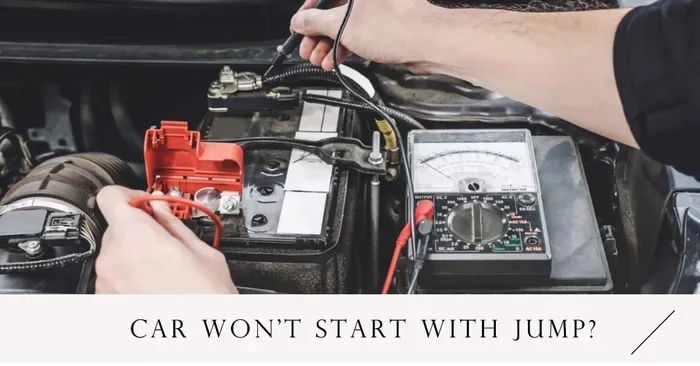
Disconnecting the battery is the most well-known way to reset check engine light without any special tools. It works by draining the ECU’s short-term memory. When you reconnect the battery, the computer starts fresh.
Here is how you do it safely:
- Turn off your engine and remove the key from the ignition.
- Open the hood and locate the battery. Find the negative terminal (it has a minus sign).
- Use a wrench to loosen the nut on the negative cable.
- Carefully pull the cable off the battery post.
- Wait at least 15 minutes. Some vehicles need longer.
- Reconnect the cable and tighten the nut securely.
- Turn the ignition on (do not start the engine) and wait 30 seconds.
- Start the engine and check if the light is off.
Important Safety Tips
Before you disconnect anything, remember a few key things. Your radio presets may reset. Your clock will likely go back to default. Some vehicles need a special code to unlock the radio after a battery disconnect. Also, never disconnect the battery while the engine is running. This can damage the electrical system.
Always disconnect the negative terminal first. Always reconnect it last. This prevents short circuits. If you are not comfortable working with car batteries, ask a friend for help or visit a local auto parts store. Many stores will check your codes for free.
Method 2: Use the OBD2 Port Without a Scanner
What Is the OBD2 Port?
Every car made after 1996 has an OBD2 port. This is the standardized onboard diagnostics connection. It is usually located under the dashboard on the driver’s side. You might need to look behind a small panel or near the steering column.
Once you find the port, you will see a 16-pin connector. This is where a code reader tool normally plugs in. But here is the trick — you do not always need one. There are ways to communicate with the port using other methods.
The Paperclip Method (For Older Vehicles)
Some older vehicles allow you to jump specific pins in the OBD2 port to read or clear codes. This method involves bridging pins 4 and 5 with a paperclip or jumper wire. The check engine light will flash in a specific pattern to give you code information.
However, this method is tricky and not recommended for beginners. The pin layout varies by vehicle brand. Doing it wrong could cause electrical issues. If you want to try this, look up your specific vehicle model first. Watch a trusted video tutorial before attempting anything.
Using a Smartphone as a Diagnostic Tool
Modern technology gives you another option. You can buy a cheap Bluetooth or WiFi adapter that plugs into the OBD2 port. Then you pair it with your phone using a free app. These apps can read and sometimes clear codes without needing a full scanner.
Popular options include Torque Pro, Car Scanner, and OBD Fusion. A basic adapter costs around 10 to 20 dollars. This is much cheaper than a full OBD2 scanner. Just keep in mind that these adapters may not work for all vehicles. Check compatibility before buying.
Method 3: The Ignition Cycling Technique
How It Works
The ignition cycling method works on many older vehicles, especially those from the 1990s and early 2000s. It involves turning the key on and off in a specific pattern. This sends a signal to the ECU to clear stored codes.
The exact steps vary by vehicle. Here is the general process:
- Turn the ignition to the ON position (do not start the engine).
- Wait for 3 to 5 seconds.
- Turn the ignition OFF.
- Wait another 3 to 5 seconds.
- Repeat this cycle 3 to 5 times.
- Turn the ignition ON and check the dashboard.
Which Vehicles Does This Work On?
This method works best on older vehicles without complex computer systems. Some Ford, GM, and Chrysler models respond well to this technique. However, newer vehicles from 2010 and up usually need a different approach. The onboard computer in modern cars is too sophisticated for simple cycling to work.
If you have a newer vehicle, do not waste time on this method. Go straight to the battery disconnect or the adapter method. Trying the wrong approach can leave you frustrated and confused.
Method 4: Remove and Reset the ECU Fuse
Locate the ECU Fuse
Some vehicles have a separate fuse for the ECU or the instrument cluster. Removing this fuse for a few minutes can clear the codes. The fuse box is usually located under the dashboard or in the engine compartment.
Check your owner’s manual to find the correct fuse. Look for labels like “ECU,” “Engine Control,” or “Check Engine.” Not all vehicles have a dedicated ECU fuse. If yours does not, this method will not work.
Steps to Reset via Fuse
Once you find the right fuse, follow these steps:
- Turn off the engine and remove the key.
- Open the fuse box and identify the ECU fuse.
- Use a fuse puller or a pair of tweezers to remove the fuse.
- Wait 10 to 15 minutes.
- Reinsert the fuse securely.
- Start the engine and check the dashboard.
This method is clean and does not affect your radio or clock settings. It is a great alternative if you do not want to disconnect the battery. However, it only works if your vehicle has a removable ECU fuse.
Method 5: Complete a Drive Cycle
What Is a Drive Cycle?
A drive cycle is a specific driving pattern that tells the ECU to relearn sensor values and clear temporary codes. After you fix the problem that caused the fault, a drive cycle helps the system confirm everything is working properly.
Different vehicles have different drive cycle requirements. A general drive cycle looks like this:
- Start the engine and let it idle for 2 minutes.
- Drive at a steady speed of 55 mph for 5 minutes.
- Decelerate without braking for 2 minutes.
- Stop and idle for 1 minute.
- Repeat the highway driving segment.
- Finish with city driving for 10 minutes.
Why Drive Cycles Matter
Completing a proper drive cycle after trouble code clearing is essential. It allows the ECU to run all its self-tests. The system checks sensors, emissions components, and fuel trim values. If everything passes, the check engine light stays off.
If you skip the drive cycle, the ECU may not fully reset. The light could return after a few drives. Always complete at least one full drive cycle after clearing any codes. This ensures your vehicle diagnostics system has a clean baseline to work from.
When to See a Professional
Signs You Need Expert Help
Not every code clearing situation is a DIY job. Sometimes you need a professional mechanic. Here are signs that you should seek expert help:
- The check engine light flashes instead of staying solid.
- You experience poor engine performance or stalling.
- Multiple codes return immediately after clearing.
- You notice unusual noises, smells, or smoke.
- The vehicle goes into limp mode or restricts power.
- You have tried clearing codes multiple times without success.
What a Mechanic Can Do That You Cannot
Professional mechanics have access to advanced automotive diagnostic equipment. They can read pending codes, live data streams, and manufacturer-specific information. Some problems require specialized tools that cost thousands of dollars. A mechanic has access to all of them.
Also, some codes indicate serious issues that need immediate attention. A flashing check engine light usually means a severe problem. Do not ignore it. Pull over safely and get the vehicle towed if needed. Trying to clear engine codes on a serious problem can lead to expensive damage down the road.
Common Mistakes People Make When Clearing Codes
Mistake 1: Clearing Codes Without Fixing the Problem
This is the biggest mistake. People clear the light and hope the problem goes away. It does not work. The code will return because the underlying issue is still there. Always diagnose the problem first. Then fix it. Then clear the codes.
Mistake 2: Using the Wrong Method for Your Vehicle
Not every method works on every car. Older vehicles respond to battery disconnects and ignition cycling. Newer vehicles need more sophisticated approaches. Always research your specific make and model before trying any method.
Mistake 3: Rushing the Process
Clearing codes is not instant magic. The ECU needs time to relearn and run its tests. After clearing, drive for at least 50 to 100 miles before assuming the problem is fixed. Give the system time to complete its self-checks.
Mistake 4: Ignoring Pending Codes
Some codes are “pending” before they become “confirmed.” A pending code means the computer has detected an issue once but has not yet triggered the check engine light. Clearing pending codes without addressing them can lead to a confirmed code and a solid light. Pay attention to early warnings.
Quick Tips for Success
Here are some fast tips to make your code clearing experience easier and more successful:
- Write down your codes first. Take a photo or write them down before clearing anything. You will need them for diagnosis.
- Keep a code reference guide. A simple book or online resource helps you understand what each code means.
- Check your gas cap. A loose gas cap triggers many check engine lights. Tighten it and see if the light goes off on its own.
- Use free code check services. Many auto parts stores read codes for free. This saves you time and gives you a head start.
- Keep your OBD2 adapter handy. Even if you do not buy a full scanner, a basic Bluetooth adapter costs very little and is useful for future checks.
- Reset your adaptations after clearing. Some vehicles need a reset of idle relearn and throttle position after code clearing. Check your model-specific procedure.
Frequently Asked Questions
Can I clear codes without any tools at all?
Yes, you can clear codes without any special tools in many cases. Disconnecting the battery is the most tool-free method. You only need a basic wrench to loosen the battery terminal. The ignition cycling method also requires no tools at all. However, these methods work best on older vehicles. Newer cars may need an adapter or scanner for complete code clearing.
Will clearing codes damage my car?
No, clearing codes will not damage your car. It simply erases stored information from the ECU memory. The vehicle’s systems will relearn as you drive. However, repeatedly clearing codes without fixing the underlying problem can mask serious issues. Always address the root cause before clearing codes to keep your car running safely.
How long does it take for the check engine light to reset?
The reset time varies by method and vehicle. After disconnecting the battery, the light usually resets immediately. After fixing the problem, you may need to drive 50 to 100 miles to complete a drive cycle. The ECU needs this distance to run all its self-tests and confirm the repair was successful.
Is it legal to clear codes before a smog check?
Clearing codes right before a smog check is not recommended and may be illegal in some states. Most smog testing facilities check for pending and historical codes. If you clear codes too close to the test, the vehicle may fail because the ECU has not completed its readiness monitors. Always fix the problem and complete a full drive cycle before any emissions testing.
What is the difference between a code reader and a scan tool?
A code reader is a basic device that reads and clears diagnostic trouble codes. It gives you the code definition but limited information. A scan tool is more advanced. It provides live data streams, freeze frame data, and manufacturer-specific diagnostics. For most DIYers, a basic code reader or Bluetooth adapter is sufficient.
Can I drive with the check engine light on?
It depends on the severity. A solid check engine light usually means a non-emergency issue. You can drive carefully to a repair shop. A flashing check engine light means a serious problem, often a misfire that can damage the catalytic converter. Do not drive far with a flashing light. Get the vehicle checked immediately to avoid costly repairs.
Final Thoughts
Learning how to clear codes without a code reader is a valuable skill for any car owner. It saves money, builds confidence, and keeps you from being overcharged at the repair shop. The methods we covered in this guide work for most vehicles on the road today. From disconnecting the battery to using a smartphone adapter, you have plenty of options.
Remember that clearing codes is only half the battle. The real work starts when you diagnose and fix the actual problem. Use the codes you recorded to research the issue. Check online resources, watch tutorial videos, and consult with trusted mechanics. Taking a systematic approach ensures your car stays healthy and your check engine light stays off.
Start with the simplest method first. Try the battery disconnect or the ignition cycling technique. If those do not work, move to the OBD2 adapter or fuse reset method. Always prioritize safety and take your time. With the right knowledge and a little patience, you can handle most check engine light situations on your own.
Now that you know these simple ways how to clear codes without a code reader, you are better equipped to handle this common car problem. Keep this guide saved for future reference. Share it with friends who might need it. And most importantly, keep your vehicle running strong with the confidence that comes from understanding your own car.