Can Lightning Strike a Car Everything You Need To Know
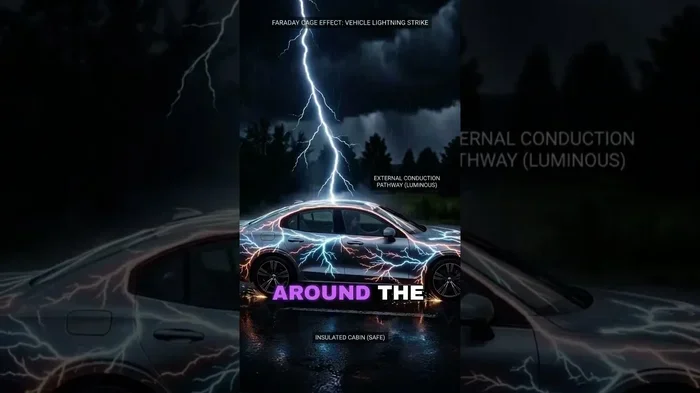
Yes, lightning can strike a car, but your vehicle is one of the safest places to be during a thunderstorm. The metal body of a car acts as a natural Faraday cage, directing electrical energy around you and into the ground. Understanding how lightning and cars interact can save your life and protect your vehicle from serious damage.
Have you ever been driving down a highway when dark clouds roll in fast? Maybe you heard that distant rumble of thunder and thought, “Can lightning strike a car?” It is a fair question. Many people worry about their safety inside a vehicle during a storm. The good news is that cars are actually one of the safest places to be when lightning is in the area. But there is more to the story than most people realize.
In this guide, we will walk through everything you need to know about lightning striking a car. We will cover how it works, what happens during a strike, which vehicles are safer, and what you should do before, during, and after a thunderstorm. Whether you drive a sedan, an SUV, or a pickup truck, this article has practical advice that can keep you and your family safe.
Key Takeaways
- Lightning can and does strike cars: Vehicles are frequent targets during thunderstorms, but the metal shell protects occupants.
- The Faraday cage effect is real: The metal body of a car channels electrical current around the cabin, not through it.
- Convertibles and fiberglass cars offer less protection: Non-metal roofs reduce the shielding effect significantly.
- Never touch metal parts inside a car during a storm: Interior metal surfaces can carry residual current after a strike.
- Park safely and turn off electronics: Simple steps reduce the risk of car damage from lightning and personal injury.
- Modern cars with electronic systems are vulnerable to surges: A lightning strike can fry sensors, computers, and entertainment systems.
- Know what to do after a strike: Inspect your vehicle and call for help if needed.
📑 Table of Contents
- Can Lightning Strike a Car? The Short Answer
- How Lightning and Cars Interact
- The Faraday Cage: Your Car’s Built-In Protection
- What Happens When Lightning Hits a Vehicle
- Which Vehicles Offer the Best Protection
- Tips for Staying Safe During a Thunderstorm
- Common Myths About Lightning and Cars
- How to Protect Your Car From Lightning Damage
- What to Do If You Witness Someone’s Car Getting Hit by Lightning
- Final Thoughts
Can Lightning Strike a Car? The Short Answer
The short answer is yes. Lightning absolutely can strike a car. In fact, vehicles are struck by lightning more often than most people think. Cars, trucks, buses, and motorcycles all get hit regularly during thunderstorms. But here is the important part: being inside a metal-bodied car during a lightning strike is far safer than being outside.
When lightning hits a vehicle, the electrical current travels through the metal shell and flows into the ground. This process keeps the people inside the car protected. The car takes the hit, not you. That said, the vehicle itself can suffer significant damage. Tires can blow out. Electronics can fry. The paint can get scorched. And in rare cases, the strike can start a fire.
So while your car can be struck by lightning, the design of modern vehicles offers a layer of protection that has saved countless lives. Let us dig deeper into how this works.
How Lightning and Cars Interact
What Is Lightning, Exactly?
Lightning is a giant discharge of electricity in the atmosphere. When the balance between clouds and the ground becomes too great, nature equalizes the charge. A bolt of lightning can travel at about one-third the speed of light. The temperature of a lightning bolt can reach around 54,000 degrees Fahrenheit. That is five times hotter than the surface of the sun.
When this massive electrical charge heads toward the ground, it looks for the easiest path to reach the earth. Tall objects, metal structures, and yes, cars can all become that path. A lightning strike does not choose its target based on what it is. It simply follows the route of least resistance.
Why Cars Get Hit
Cars are often hit because they are large metal objects sitting on the road. When a thunderstorm rolls through, the metal body of a car can attract the electrical charge from a cloud. This does not mean the car “pulls” lightning toward it on purpose. It simply means that a metal object in an open area provides a convenient channel for the electrical discharge.
Here are some common situations where cars get struck:
- Parked under a tree: A tree gets hit, and the current jumps to your car.
- Driving in an open field: The car is the tallest object in a flat area.
- Near tall structures: Lightning can side-flash from a building to a nearby car.
- On a highway or open road: Flat terrain makes your vehicle a likely target.
Understanding these scenarios helps you make smarter decisions when a storm approaches. The next time you see dark clouds building, think about where you are and what is around you.
The Faraday Cage: Your Car’s Built-In Protection
What Is the Faraday Cage Effect?
The reason you are safe inside a car during a lightning strike comes down to physics. A Faraday cage is a structure made of conductive material that distributes electrical charges around the outside of the cage. The current flows through the shell and into the ground, leaving the interior unaffected.
Your car’s metal body acts as a natural Faraday cage. When lightning hits your vehicle, the electrical energy travels along the outer surface of the metal shell. It does not pass through the cabin where you are sitting. This is why you are protected. The metal cage redirects the dangerous current away from your body.
This principle was discovered by scientist Michael Faraday in the 1800s. He found that an enclosure made of conductive material could block external electric fields. Your car does the same thing every time it gets struck by lightning.
Why Rubber Tires Do Not Protect You
Here is a popular myth that needs to die. Many people believe that rubber tires protect a car from lightning. They think the rubber insulates the vehicle from the ground. This is not true. Lightning carries so much energy that it easily jumps through rubber tires. The rubber has nothing to do with your safety.
What actually protects you is the metal frame of the car. The conductive shell channels the electricity around you and into the ground. So the next time someone tells you that rubber tires save you from lightning, you can politely correct them.
What Kind of Metal Matters
Not all car bodies are created equal when it comes to lightning protection. The Faraday cage effect works best with a continuous metal shell. Here are some important details:
- Steel-bodied cars: These offer the best protection. The full metal shell conducts electricity efficiently.
- Aluminum-bodied cars: These also work well. Aluminum is conductive and forms a good cage.
- Cars with plastic or fiberglass bodies: These provide much less protection. The material does not conduct electricity the way metal does.
- Cars with metal roofs but plastic sides: Protection is reduced but still better than a fully non-metal vehicle.
The key takeaway is that a full metal body creates the best shielding. If your car has a metal roof and metal sides, you have the strongest natural protection available.
What Happens When Lightning Hits a Vehicle
Immediate Effects of a Strike
When lightning strikes a car, several things happen in a fraction of a second. The electrical current enters the vehicle through the roof or the highest point. It travels through the metal frame and exits through the tires or the undercarriage into the ground. During this process, the car experiences a massive surge of energy.
Here are the most common immediate effects:
- Loud bang or explosion sound: The air around the strike point expands rapidly, creating a shockwave.
- Bright flash: Lightning produces intense light that can temporarily blind nearby drivers.
- Tire blowouts: The extreme heat can cause tires to burst.
- Burn marks on the exterior: The paint and metal surface can get scorched or melted.
- Electrical system failure: The car’s electronics may shut down momentarily or permanently.
Most of the time, the occupants inside the car feel nothing more than a loud noise and a vibration. The Faraday cage does its job. But the vehicle itself may need significant repairs.
Damage to Car Electronics
Modern cars are packed with electronic systems. Engine control units, sensors, infotainment systems, backup cameras, and GPS modules all rely on delicate electrical circuits. A lightning strike can send a powerful surge through these systems, causing widespread damage.
Common electronic problems after a lightning strike include:
- The dashboard lights flickering or going completely dark.
- The engine refusing to start.
- The radio, GPS, or Bluetooth system malfunctioning.
- Power windows stopping working.
- The car’s computer systems throwing error codes.
Repairing car electronics damage from a lightning strike can be expensive. In some cases, the damage is so severe that the car is considered a total loss. This is why it is so important to take precautions before a storm hits.
Damage to the Car Body
The exterior of a car can suffer visible damage from a lightning strike. The intense heat of the electrical discharge can melt or vaporize metal at the strike point. You might see:
- Pitted or melted spots on the roof or hood.
- Scorch marks along the sides of the vehicle.
- Damaged or missing paint in the strike area.
- Cracked or shattered windows from the shockwave.
- Melted antenna or exterior accessories.
Even if the damage looks bad, it is almost always repairable. A qualified auto body shop can fix most lightning-related exterior damage. The bigger concern is usually the hidden electrical damage to the car’s systems.
Which Vehicles Offer the Best Protection
Safest Vehicles During a Lightning Storm
Not all vehicles offer the same level of protection during a thunderstorm. The safest vehicles are those with a full metal body and a metal roof. Here is a breakdown of different vehicle types and their lightning safety:
| Vehicle Type | Protection Level | Why |
|---|---|---|
| Standard sedan or SUV (metal body) | Excellent | Full metal shell acts as a Faraday cage |
| Pickup truck (metal cab) | Good | Metal body protects occupants in the cab |
| Minivan or hatchback | Excellent | Enclosed metal body with roof |
| Convertible | Poor | No metal roof to conduct electricity |
| Motorcycle | Poor | No enclosed cabin or full metal shell |
| Golf cart | Poor | Open structure, often fiberglass or plastic |
| Car with fiberglass body | Poor | Non-conductive material does not form a cage |
If you drive a standard metal-bodied car, SUV, or truck, you are in good shape during a thunderstorm. If you drive a convertible or motorcycle, you are much more exposed and should seek shelter elsewhere.
What About Cars with Composite Bodies?
Some modern cars use composite materials or carbon fiber in their construction. These materials are lightweight and strong, but they do not conduct electricity the way metal does. A car with a composite body does not provide the same Faraday cage effect.
If you drive a car with a composite or fiberglass body, you should take extra precautions during thunderstorms. The best advice is to avoid driving when storms are nearby. If you are caught in a storm, pull over safely and avoid touching any metal parts inside the car.
Tips for Staying Safe During a Thunderstorm
Before the Storm Arrives
The best way to stay safe is to plan ahead. Check the weather forecast before you head out. If thunderstorms are predicted, consider delaying your trip. If you must drive, follow these tips:
- Keep your windows closed. An open window can let electrical energy enter the cabin.
- Turn off the radio and GPS. Electronics can be damaged by a nearby strike or a power surge.
- Park away from tall objects. Avoid parking under trees, near flagpoles, or next to tall buildings.
- Stay informed. Use a weather app on your phone to track storm activity.
During the Storm
If you are driving when a thunderstorm hits, stay calm. Here is what you should do:
- Pull over to a safe location. Find a sheltered area away from open fields and tall objects.
- Turn off the engine. This reduces the risk of electrical damage to your car’s systems.
- Keep your hands in your lap. Do not touch the steering wheel, gear shift, or any metal surfaces inside the car.
- Do not lean on the doors or windows. The metal frames can carry current after a strike.
- Wait for the storm to pass. Stay parked for at least 30 minutes after the last thunderclap.
These simple steps can make a big difference in keeping you safe. The goal is to minimize your contact with anything that could conduct electricity.
After the Storm Passes
Once the storm has moved on, it is time to check on your vehicle. Here are some post-storm tips:
- Inspect your car for visible damage. Look for burn marks, dents, or cracked windows.
- Test your electronics. Turn on the headlights, radio, and power windows to make sure everything works.
- Check your tires. A lightning strike can cause sudden tire failure.
- Smell for burning. If you notice a burning smell, do not drive the car. Call for roadside assistance.
- Document any damage. Take photos for your insurance claim.
If your car was struck by lightning, contact your insurance company as soon as possible. Most auto insurance policies cover lightning damage, but you will want to file a claim promptly.
Common Myths About Lightning and Cars
Myth 1: Rubber Tires Protect You From Lightning
This is one of the most persistent myths about cars and lightning. The truth is that rubber tires do not insulate a car from a lightning strike. The voltage in a lightning bolt is so high that it easily jumps through rubber. Your safety comes from the metal body of the car, not the tires.
Myth 2: Convertibles Are Just as Safe as Hardtop Cars
This is false. Convertibles lack a metal roof, which means they do not provide a proper Faraday cage. The electrical current has no clear path to travel around the cabin. If you are in a convertible during a thunderstorm, you are much more exposed to danger.
Myth 3: Lightning Never Strikes the Same Place Twice
This is completely false. Lightning frequently strikes the same location multiple times. Tall buildings, trees, and vehicles can be hit repeatedly during the same storm or over many years. Never assume you are safe just because an area was not struck before.
Myth 4: You Should Get Out of Your Car Immediately After a Strike
No. If your car has been struck by lightning, stay inside until you are sure the electrical charge has dissipated. The metal frame of the car may still be carrying current. Exiting too quickly could put you at risk. Wait at least a few minutes before stepping out.
Myth 5: Only Open Vehicles Get Hit by Lightning
Cars with roofs get struck just as often as open vehicles. Lightning does not care whether your car has a roof or not. It simply follows the path of least resistance. A metal-bodied car in an open area is just as likely to be hit as a convertible.
How to Protect Your Car From Lightning Damage
While you cannot prevent lightning from striking your car, you can reduce the risk and minimize potential damage. Here are some practical steps you can take:
- Park in a garage when possible. A garage provides the best protection for your vehicle during a storm.
- Use a car cover. A quality cover can help protect the exterior paint from scorch marks.
- Install a lightning rod on your garage. If you have a home with a garage, a lightning rod can help direct strikes away from your vehicle.
- Avoid parking near tall or isolated trees. These are prime lightning targets, and a side flash can jump to your car.
- Unplug accessories. Remove phone chargers and other devices from the car before a storm hits.
- Consider a surge protector for your car’s electrical system. Some aftermarket devices can help absorb electrical surges.
Taking these precautions may not guarantee that your car will never get struck, but they can reduce the likelihood and limit the damage if a strike does occur.
What to Do If You Witness Someone’s Car Getting Hit by Lightning
If you see another vehicle get struck by lightning, your first instinct might be to rush over and help. Resist that urge. The car may still be carrying an electrical charge. Instead, stay back and call emergency services if the occupants appear injured.
If the occupants are okay and the car is not on fire, advise them to stay inside until you are sure the electrical charge has dissipated. Offer to call for roadside assistance or a tow truck if needed. A lightning strike can cause hidden damage that is not immediately visible.
Final Thoughts
So, can lightning strike a car? Yes, it absolutely can. But thanks to the Faraday cage effect, your car is designed to protect you in that very situation. The metal body channels the electrical current around the cabin and into the ground, keeping you safe inside.
That said, your vehicle can suffer serious damage from a lightning strike. Electronics can fail. The body can get scorched. Tires can blow out. And in rare cases, a fire can start. This is why it is so important to take precautions and know what to do before, during, and after a thunderstorm.
The next time you hear thunder rolling in, do not panic. Pull over safely, turn off your electronics, keep your hands in your lap, and wait for the storm to pass. Follow these simple steps, and you will be just fine. Lightning may strike a car, but it does not have to strike you.
Stay weather-aware, stay prepared, and remember that your car is one of the best shelters available during a thunderstorm. Drive safe, stay smart, and let the storm pass you by.
Frequently Asked Questions
Can lightning strike a car while it is moving?
Yes, lightning can strike a car while it is driving. Moving vehicles are just as vulnerable as parked ones during a thunderstorm. The metal body of the car provides the same Faraday cage protection whether the vehicle is in motion or stationary. If you are driving when lightning strikes, keep your hands in your lap and avoid touching any metal surfaces inside the car.
Is it safe to use your phone inside a car during a lightning storm?
Using a cell phone inside a car during a thunderstorm is generally safe. The phone itself does not attract lightning. However, it is a good idea to avoid charging your phone during a storm, as a power surge from a nearby lightning strike can damage the charger or the phone. Keep your phone unplugged and use it only if necessary.
What should you do if your car catches fire after a lightning strike?
If your car catches fire after being struck by lightning, exit the vehicle immediately. Move at least 50 feet away from the car to avoid the risk of explosion or further electrical shock. Call emergency services right away. Do not attempt to extinguish the fire yourself if flames are large or spreading quickly. Your safety comes first.
Does the color of your car affect the chance of being struck by lightning?
No, the color of your car has no effect on whether lightning will strike it. Lightning is attracted to the height and conductivity of an object, not its color. A red car and a white car sitting in the same open field have the same chance of being hit during a thunderstorm.
How long should you wait after the last thunderclap before getting back in your car?
You should wait at least 30 minutes after the last thunderclap before getting back in your car and resuming driving. Lightning can strike from as far as 10 miles away from the storm center. If you can hear thunder, you are within striking distance. Wait until the storm has fully passed before driving again.
Can a lightning strike damage a car’s engine?
Yes, a lightning strike can damage a car’s engine. The electrical surge can fry the engine control unit, sensors, and wiring harnesses. In some cases, the engine may not start after a strike. The fuel system can also be affected if the lightning ignites fuel vapors. Have a professional mechanic inspect your car thoroughly after a lightning strike.
=== CONCLUSION ===
Can lightning strike a car? Yes, it can, and it does. But with the right knowledge and a few simple precautions, you can stay safe and minimize damage to your vehicle. The Faraday cage effect of a metal-bodied car is one of nature’s most reliable forms of protection during a thunderstorm. Remember to keep your windows closed, avoid touching metal surfaces, and pull over safely when a storm approaches. After the storm, inspect your car for damage and contact your insurance company if needed. Stay prepared, stay informed, and let your car do what it was designed to do: protect you from the storm.