Can I Pay My Car Payment With a Credit Card Right Now
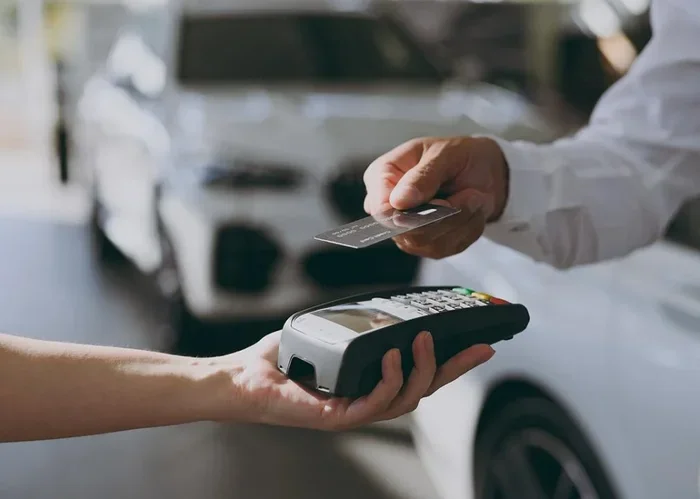
Yes, you can pay your car payment with a credit card right now, but it’s not always a good idea. This guide breaks down the fees, risks, and smart ways to use a credit card for your auto loan without hurting your finances. You’ll learn which lenders allow it, how to avoid hidden costs, and when it makes sense to swipe.
You’re staring at your car payment due date, and your bank account looks a little thin. The thought pops up: Can I Pay My Car Payment With a Credit Card? It feels like an easy fix, right? Just swipe the plastic and buy yourself a little more time. But before you do, there are some important things you need to know. The answer is yes, you often can, but the real question is whether you should.
Paying a car loan with a credit card comes with a mix of benefits and hidden costs. Some people do it to earn rewards or bridge a temporary cash gap. Others might not realize their lender even allows it. In this article, we’ll walk through every angle. You’ll learn how to check if your lender accepts credit cards, what fees you’ll face, and when it makes sense to use this payment method. By the end, you’ll have a clear plan to avoid extra charges and keep your finances on track.
Let’s dive into the details. Whether you’re dealing with a tight month or just curious about payment flexibility, this guide has you covered. We’ll break down the pros, cons, and smart strategies so you can make the best decision for your budget.
Key Takeaways
- You can pay with a credit card: Many lenders accept it, but not all.
- Expect a convenience fee: Typically 2-4% of the payment amount.
- Interest can eat you alive: If you carry a balance, the APR on your credit card will apply immediately.
- Check your lender first: Call or log in to confirm they allow credit card payments.
- Use it only for emergencies: The rewards rarely outweigh the costs.
- Consider balance transfers carefully: A 0% APR card might help, but watch the timeline.
📑 Table of Contents
- The Short Answer: Can You Pay a Car Loan With a Credit Card?
- Why People Consider Paying a Car Payment With a Credit Card
- The Real Cost: Fees, Interest, and Hidden Traps
- How to Check if Your Lender Accepts Credit Card Payments
- Step-by-Step: Making a Payment With a Credit Card
- Pros and Cons: Is It Worth It?
- Smart Alternatives and When to Use This Strategy
- Conclusion
The Short Answer: Can You Pay a Car Loan With a Credit Card?
The short answer is yes, in many cases you can pay your car payment with a credit card. However, it’s not as simple as swiping your card at a gas pump. Some lenders welcome credit card payments with open arms. Others treat them like cash advances and slap on heavy fees. The key is knowing where your lender stands before you try it.
Here’s what you need to remember:
- Not all lenders accept credit cards. Some auto loan servicers only allow bank transfers, checks, or debit cards.
- Your credit card issuer may treat it as a cash advance. This means no grace period and a higher interest rate from day one.
- A convenience fee is common. You might pay 2% to 4% of the payment amount just to use a credit card.
Quick Tip: Always check your card’s terms for cash advance fees. A quick call to the number on the back of your card can save you from a surprise charge.
Common Mistake: Assuming all lenders accept credit cards. If you show up at the payment portal and it doesn’t accept cards, you’ll be stuck. A five-minute phone call can prevent this headache.
Why People Consider Paying a Car Payment With a Credit Card
There are several reasons someone might want to use a credit card for their auto loan. Understanding these motivations can help you decide if it’s right for your situation.
Earning Rewards and Cash Back
Many credit cards offer 1% to 5% cash back or points on purchases. If you normally pay your car loan with a check or bank transfer, using a rewards card can turn a boring bill into a small perk. For example, a $400 car payment with a 2% cash back card earns you $8. That’s not huge, but it adds up over a year.
Emergency Cash Flow
Sometimes life throws a curveball. Your paycheck is late, and the car payment is due tomorrow. A credit card can act as a short-term bridge. Just be aware that this should be a rare move, not a monthly habit.
Building Credit Utilization
Using a small portion of your credit limit and paying it off on time can help your credit score. A car payment is a predictable, on-time expense. If you put it on a card and pay the full balance right away, you’re showing lenders you’re responsible.
Payment Due Date Flexibility
Credit cards give you a built-in grace period. If your car payment is due on the 1st but your bank account won’t have funds until the 5th, a credit card lets you pay on time and avoid a late fee.
Expert Insight: Financial planner Sarah Chen says, “Using a credit card for a car payment only makes sense if you have a plan to pay the card off in full. The moment you carry a balance, the interest erases any reward you earned.”
The Real Cost: Fees, Interest, and Hidden Traps
The biggest danger of paying a car loan with a credit card is the cost. What looks like a simple convenience can quickly become an expensive mistake. Let’s break down the real numbers.
Convenience Fees
Many lenders charge a convenience fee for credit card payments. This is a flat percentage, usually between 2% and 4%. On a $350 monthly payment, a 3% fee means you’re paying an extra $10.50. Over a year, that’s $126 gone just for the privilege of using plastic.
Cash Advance APR
If your credit card issuer classifies the car payment as a cash advance, you’ll lose the grace period. Interest starts accruing immediately, often at a rate of 25% or higher. A $350 payment carried for just two weeks could cost you several dollars in interest. Over months, this adds up fast.
No Rewards to Offset the Cost
Even if you earn 3% cash back, a 3% convenience fee wipes it out. You’re left paying extra for nothing. If your card charges a cash advance fee on top of the lender’s convenience fee, you’re paying double penalties.
| Payment Method | Typical Fee | APR | Rewards? |
|---|---|---|---|
| Credit Card | 2-4% convenience fee | 25%+ (cash advance) | Yes, but often offset by fees |
| Bank Transfer | Free | N/A | No |
| Debit Card | Free (sometimes $2) | N/A | Rarely |
| Check | Free | N/A | No |
Quick Tip: Before you pay, calculate the total cost. Multiply your car payment by the convenience fee percentage. If the result is more than the rewards you’d earn, skip the credit card.
Common Mistake: Ignoring the cash advance APR. Many people check the rewards rate but forget to check how their card treats auto loan payments. A quick look at your cardholder agreement can save you hundreds of dollars.
How to Check if Your Lender Accepts Credit Card Payments
Not all auto loan servicers are the same. Some are happy to take your credit card. Others strictly prohibit it. Here’s how to find out for sure.
- Call the customer service number on your loan statement. Ask directly, “Do you accept credit card payments for my auto loan?”
- Log into your online portal. Look at the payment options. If you see a credit card option, great. If not, it’s likely not allowed.
- Read the payment terms. Some lenders mention credit card acceptance in the fine print of your loan agreement.
- Ask about payment processing. Even if they accept credit cards, find out if they use a third-party processor that charges a fee.
Lender acceptance varies widely. Big banks like Chase or Bank of America often have online portals that accept credit cards. Smaller credit unions or buy-here-pay-here dealers might not. Never assume—always confirm.
Expert Insight: Loan officer Mike Torres says, “I tell clients to treat their auto loan payment like rent. You wouldn’t pay rent with a credit card and carry a balance. The same logic applies here.”
Step-by-Step: Making a Payment With a Credit Card
If your lender does accept credit cards, the process is usually straightforward. Here’s how to do it safely.
- Confirm your card’s credit limit. Make sure you have enough available credit to cover the payment plus any fees.
- Log into your lender’s portal or call their payment line. Select the credit card option.
- Enter your credit card details. This includes the card number, expiration date, and CVV.
- Review the payment amount. Make sure the total includes the principal plus any convenience fee.
- Submit the payment. You should receive a confirmation email or reference number.
- Monitor your credit card statement. Ensure the payment posts correctly and the fee is listed.
Quick Tip: Set a calendar reminder to pay your credit card bill on time. A missed credit card payment can hurt your credit score and trigger penalty APR.
Common Mistake: Forgetting that the payment takes time to process. If you pay your credit card on the due date, your lender might not receive the funds in time. Always pay a few days early.
Pros and Cons: Is It Worth It?
Every payment method has trade-offs. Here’s a clear look at the advantages and disadvantages of using a credit card for your car loan.
| Pros | Cons |
|---|---|
| Earn cash back or points on a predictable bill | Convenience fees reduce or erase rewards |
| Builds positive payment history if paid on time | Cash advance APR applies if treated as cash advance |
| Provides short-term flexibility in emergencies | Risk of falling into credit card debt |
| Avoids late fees on your car loan | Adds another monthly bill to manage |
When it makes sense: You have a rewards card with no convenience fee, you’ll pay the balance in full that month, and your lender accepts it without treating it as a cash advance.
When it doesn’t make sense: You carry a balance on your credit card, your lender charges a high convenience fee, or you’re using it as a long-term crutch.
Expert Insight: Credit counselor David Lee advises, “If you’re using a credit card for a car payment more than once a year, it’s a sign your budget needs adjustment. Build an emergency fund so you don’t rely on plastic for fixed bills.”
Smart Alternatives and When to Use This Strategy
If you decide a credit card isn’t the best fit, there are other ways to manage your car payment without stress.
Balance Transfer Credit Cards
A 0% intro APR balance transfer card can be a powerful tool. You transfer a chunk of your car loan balance (if the lender allows it) and pay it off interest-free for 12 to 18 months. Just watch the transfer fee, usually 3-5%, and make sure you can pay it off before the intro period ends.
Autopay from a Checking Account
Setting up autopay ensures you never miss a due date. Many lenders offer a small discount for autopay, saving you money over the life of the loan. It also removes the temptation to use a credit card.
Refinancing Your Auto Loan
If your monthly payment feels too high, refinancing can lower your interest rate or extend your term. This frees up cash without adding credit card debt. A lower rate means more of your payment goes to the principal.
The One-Time Emergency Use
If you’re truly stuck, using a credit card once is okay. Just make a plan to pay it off immediately. Use any extra cash, like a tax refund or bonus, to clear the balance before interest kicks in.
Common Mistake: Using a credit card for a car payment every month. This creates a cycle of debt that’s hard to break. The convenience fee and interest turn a $350 payment into a $400+ burden.
Quick Tip: If you must use a credit card, pay it off in full the same day you make the car payment. Set up a payment from your bank account to your credit card immediately to avoid any interest.
Conclusion
So, can you pay your car payment with a credit card? Yes, you often can. But the better question is whether you should. For most people, the fees, interest, and risk of debt outweigh the small rewards. Use a credit card for your car payment only as a short-term emergency tool, and only if you can pay the balance in full right away.
Before you swipe, check with your lender, read your credit card terms, and run the numbers. A little planning can save you money and keep your finances healthy. The goal is to own your car, not let the payment own you. Make the choice that keeps your budget strong and your credit score growing.
Remember, Can I Pay My Car Payment With a Credit Card is a question with a nuanced answer. Now you have the knowledge to answer it for your own situation. Take control of your payments, and drive forward with confidence.
Frequently Asked Questions
Is it legal to pay a car payment with a credit card?
Yes, it’s legal as long as your lender accepts it. However, your credit card issuer might treat it as a cash advance, which can trigger fees and higher interest. Always check both your lender’s and your card issuer’s policies before proceeding.
Will paying my car with a credit card hurt my credit score?
It can, if you carry a balance and miss payments. On-time payments boost your score, but high credit utilization and interest charges can hurt it. Use a credit card for your car payment only if you can pay the full balance each month.
What happens if my credit card payment is declined?
If the payment is declined, you may face a late fee on your car loan and potential credit score damage. To avoid this, ensure your card has enough available credit and that your lender accepts credit cards. Have a backup payment method ready.
Can I use a credit card for a car down payment?
Some dealerships allow credit card down payments, but they often charge a convenience fee. Others may limit the amount you can put on a card. Always ask the dealer upfront about their credit card policy for down payments.
How do convenience fees work for car payments?
A convenience fee is a flat percentage of your payment, usually 2% to 4%. It’s charged by the lender or a third-party processor for the privilege of using a credit card. This fee is separate from your interest rate and is not tax-deductible.
Should I use a balance transfer credit card for my car loan?
A balance transfer can be smart if you have a 0% intro APR offer and can pay off the balance before the rate increases. Watch for transfer fees, which typically range from 3% to 5%. Only use this strategy if you’re disciplined about repayment.