How to Make a Car Last 500000 Miles Without Breaking Bank
Want to know how to make a car last 500000 miles? It all comes down to consistent care, smart spending, and knowing when to act. With the right car maintenance routine, your vehicle can easily surpass the 500k mark. This guide shares practical, budget-friendly strategies that real owners use every day. You will learn exactly what to do, when to do it, and how to save money along the way.
Owning a car for hundreds of thousands of miles is not some fairy tale. Plenty of drivers reach the 500,000-mile mark and still have a reliable daily driver. The secret? It is not luck or magic. It is a combination of consistent car maintenance, smart driving habits, and a willingness to stay on top of small problems before they grow.
If you have ever wondered how to make a car last 500000 miles, you are in the right place. This guide breaks down everything you need to know. From engine longevity tips to budget-friendly preventive maintenance strategies, we cover it all. You do not need to be a mechanic. You just need the right information and a little discipline.
The truth is, most cars are capable of far more miles than people realize. The problem is neglect. When owners skip services, ignore warning signs, or use cheap parts, mileage drops fast. But with a solid plan, you can keep your car running strong for decades. Let us dive into the details.
Key Takeaways
- Stick to a strict maintenance schedule: Regular oil changes, fluid flushes, and inspections are the backbone of vehicle longevity.
- Drive gently and wisely: Smooth driving habits reduce wear on your engine, brakes, and transmission.
- Address small problems early: Ignoring minor issues leads to expensive repairs down the road.
- Invest in quality parts and fluids: Cheap shortcuts cost more in the long run when trying to extend vehicle life.
- Keep the exterior and interior protected: Rust prevention and interior care preserve your car’s value and structure.
- Know when to replace vs. repair: Smart decisions about major components save thousands over time.
📑 Table of Contents
Follow a Strict Maintenance Schedule
The single most important factor in extending vehicle life is following a maintenance schedule. Every car comes with a factory-recommended service interval. Sticking to it is not optional if you want serious mileage. Think of maintenance as an investment, not an expense.
Oil Changes Are Non-Negotiable
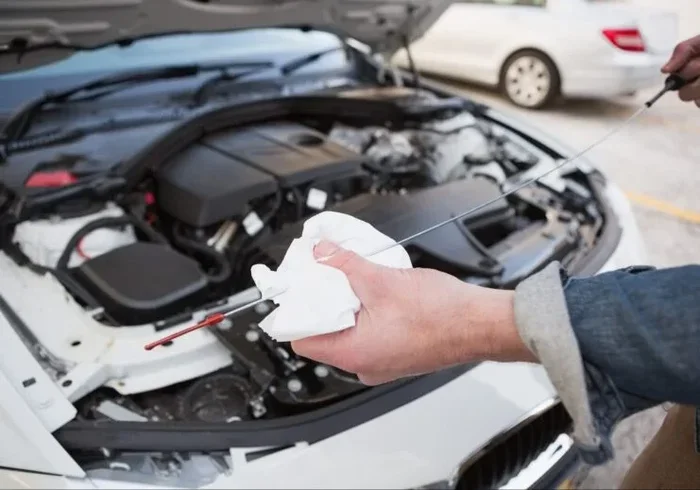
Fresh oil keeps your engine lubricated and cool. Over time, oil breaks down and loses its effectiveness. Dirty oil causes friction, heat, and eventually engine damage. For high mileage vehicles, consider switching to high-mileage oil. It contains additives that condition seals and reduce wear.
- Change conventional oil every 5,000 to 7,500 miles
- Change synthetic oil every 7,500 to 10,000 miles
- Always replace the oil filter at the same time
- Check oil level between changes
Transmission Fluid and Coolant Flushes
Most people forget about transmission fluid. But burnt or old fluid causes transmission failure. A fluid flush every 60,000 to 80,000 miles can save you thousands. The same goes for coolant. Old coolant becomes acidic and corrodes internal engine parts. A coolant flush every 30,000 to 50,000 miles keeps things running smoothly.
Timing Belt and Drive Belt Replacement
The timing belt is one of the most critical car care items. If it snaps, it can destroy your engine. Most manufacturers recommend replacing it between 60,000 and 100,000 miles. The drive belt, which powers your alternator and water pump, should also be inspected regularly. Replacing these belts on schedule is cheap insurance against catastrophic failure.
Quick Tips for Maintenance
- Keep a detailed log of every service and repair
- Set calendar reminders for upcoming services
- Use your owner’s manual as your guide
- Find a trusted mechanic and build a relationship
Protect Your Engine for the Long Haul
The engine is the heart of your car. Taking care of it directly determines whether you hit 500,000 miles or fall short at 200,000. Engine longevity depends on more than just oil changes. Several daily habits and regular services play a role.
Warm Up Your Engine Properly
Cold starts are tough on engines. When you start your car in the morning, give it 30 to 60 seconds to let the oil circulate. Avoid revving the engine immediately. In winter, this becomes even more important. High mileage car owners swear by gentle warm-up routines.
Watch Your Temperature Gauge
Overheating is one of the fastest ways to kill an engine. If your temperature gauge climbs into the red zone, pull over immediately. Common causes include a failing thermostat, low coolant, or a broken water pump. Catching these issues early keeps your engine healthy for the long term.
Use Quality Fuel
You do not always need premium gas. But using top-tier fuel from reputable stations helps. Cheap gas often contains more contaminants and fewer detergents. Over time, carbon buildup in the fuel system can reduce performance and efficiency. A fuel system cleaner every 30,000 miles helps keep things clean.
Keep the Drivetrain and Suspension Healthy
Your drivetrain and suspension handle the rough stuff. They absorb bumps, transfer power to the wheels, and keep you stable on the road. Ignoring these components leads to costly repairs and unsafe driving conditions.
Tire Rotation and Alignment
Uneven tire wear is a sign of misalignment or suspension problems. Rotating your tires every 5,000 to 7,500 miles promotes even wear and extends tire life. Proper alignment also improves fuel economy and keeps your car driving straight. This is one of the easiest car maintenance tasks with the biggest payoff.
Replace Suspension Parts Before They Fail
Shocks, struts, and bushings wear out over time. Worn suspension parts cause poor handling, uneven tire wear, and extra strain on other components. Listen for clunking noises over bumps. If you notice your car bouncing excessively or pulling to one side, get it checked. Replacing suspension parts early is much cheaper than repairing the damage they cause.
Brake System Care
Your brake system is essential for safety and vehicle longevity. Brake pads wear down over time and need replacement. Brake fluid absorbs moisture over the years, which reduces braking performance. Flush your brake fluid every 2 to 3 years. Also, pay attention to grinding or squealing sounds. They are early warning signs that should never be ignored.
Practice Smart Driving Habits
How you drive affects how long your car lasts. Aggressive driving puts extra stress on every component. Gentle driving, on the other hand, reduces wear and improves fuel economy.
Avoid Hard Acceleration and Braking
Jackrabbit starts and slamming on the brakes wear out your engine, transmission, and brake pads faster. Smooth, gradual acceleration is easier on all systems. Anticipating stops and coasting to red lights saves your brakes and improves fuel efficiency.
Do Not Idle for Long Periods
Extended idling causes carbon buildup in the engine cylinders. It also wastes fuel. If you expect to sit for more than a minute, turn off the engine. Modern engines do not need extended warm-up time. Just drive gently for the first few minutes after starting.
Reduce Short Trips When Possible
Short trips are tough on engines because they do not reach full operating temperature. This allows moisture and fuel to accumulate in the oil. If you can combine errands into one trip, your engine will thank you. This simple habit is one of the best car care tips for high mileage ownership.
Expert Insight
Experienced mechanics often say, “Your driving style is the cheapest maintenance you can do.” Smooth drivers consistently see fewer repairs and longer-lasting vehicles. It costs nothing to change how you drive, but the benefits are enormous.
Prevent Rust and Protect the Body
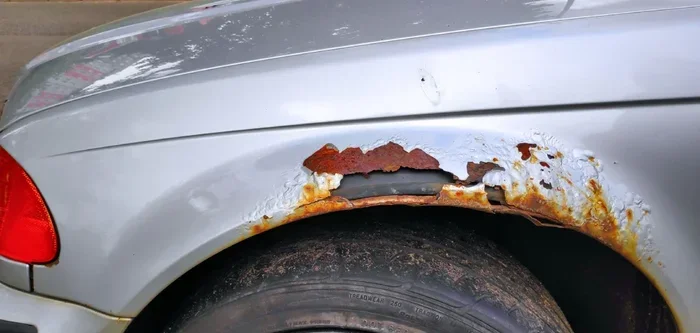
Rust is one of the biggest enemies of vehicle longevity. Once rust takes hold, it spreads quickly and weakens the structure of your car. Prevention is far easier and cheaper than repair.
Wash Your Car Regularly
Road salt, dirt, and moisture accelerate rust formation. Washing your car every two weeks during winter months is a smart move. Pay special attention to the undercarriage, wheel wells, and door sills. Many car washes offer undercarriage rinses for a small fee. This one step goes a long way toward rust prevention.
Apply Wax and Sealant
A good coat of wax creates a barrier against moisture and UV damage. Waxing every three to four months protects your paint and preserves the body. Paint protection film on vulnerable areas like the front bumper and rocker panels adds extra defense against chips and corrosion.
Fix Small Dents and Scratches Immediately
Any break in the paint exposes metal to moisture. A small scratch can turn into a rust hole within months. Touch up paint chips as soon as you notice them. This tiny effort prevents a much bigger problem down the line.
Know When to Repair vs. When to Replace
Even with the best care, major repairs will come up. The key is knowing when to invest in a repair and when it makes more sense to move on. This decision saves money and keeps your high mileage car on the road longer.
Major Repairs That Are Usually Worth It
Some repairs make financial sense even on older vehicles:
- New brakes and rotors: Essential for safety and costs a few hundred dollars
- Transmission rebuild: Expensive but far cheaper than a new car payment
- Head gasket replacement: Costly upfront but extends engine life significantly
- Suspension overhaul: Restores handling and prevents further damage
Signs It Is Time to Move On
Sometimes the numbers do not make sense. Watch for these signs:
- Repair costs exceed the car’s current market value
- Frame or structural rust is extensive
- Multiple major systems are failing at once
- The car no longer meets your safety or emissions requirements
Making this decision honestly saves you from throwing good money after bad. It also frees up budget for your next reliable vehicle.
Common Maintenance Costs vs. Repair Costs
| Service | Average Cost | Repair It Prevents |
|---|---|---|
| Oil Change | $40-$70 | Engine wear and failure |
| Timing Belt | $300-$700 | Engine destruction |
| Coolant Flush | $80-$120 | Overheating and head gasket failure |
| Transmission Flush | $150-$250 | Transmission replacement ($2,000+) |
| Brake Fluid Flush | $70-$100 | Brake system failure |
Keep the Interior and Electrical Systems in Shape
A car that lasts 500,000 miles is not just about the engine. Interior and electrical systems need attention too. Neglecting these areas leads to discomfort, safety issues, and expensive fixes.
Battery Maintenance
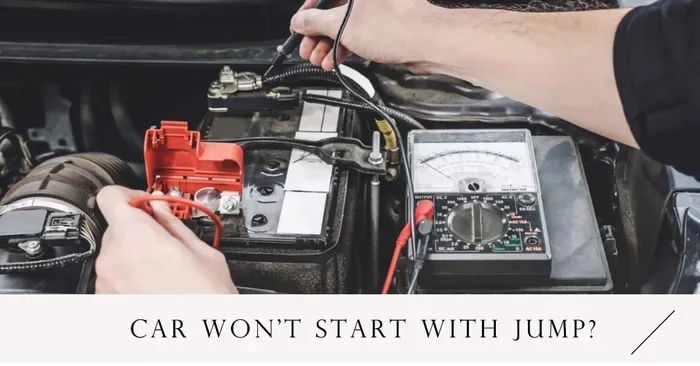
Car batteries typically last 3 to 5 years. Clean the terminals regularly to prevent corrosion. If your car sits for long periods, use a battery maintainer. In cold climates, a battery blanket helps during winter months. Replacing a weak battery before it dies prevents being stranded.
Spark Plugs and Air Filter
Worn spark plugs reduce engine performance and fuel economy. Replace them according to your service schedule. A clogged air filter restricts airflow and makes your engine work harder. Both are inexpensive parts with a big impact on engine longevity.
Keep Electrical Connections Clean
Corroded battery terminals and loose ground connections cause all sorts of electrical gremlins. A simple cleaning with a wire brush and baking soda solution solves most issues. Check connections during routine maintenance to catch problems early.
Key Takeaways
- Follow a strict maintenance schedule and never skip oil changes or fluid flushes
- Protect your engine with proper warm-up routines and quality fuel
- Maintain drivetrain and suspension components before they cause bigger problems
- Drive smoothly to reduce wear on all systems
- Prevent rust through regular washing, waxing, and prompt repairs
- Make smart repair vs. replace decisions based on cost and vehicle value
- Care for the interior and electrical systems to keep the whole car healthy
Conclusion
Knowing how to make a car last 500000 miles comes down to one simple principle: take care of it before it breaks. Every oil change, every fluid flush, and every gentle driving decision adds up over hundreds of thousands of miles. You do not need to spend a fortune. You just need to be consistent and proactive.
The strategies in this guide are not theoretical. They are the same habits that real owners use to keep their cars on the road for 500,000 miles and beyond. Start with the basics. Follow your maintenance schedule. Drive with care. Address small problems before they become big ones. Over time, these habits compound into a vehicle that keeps running strong and saves you thousands in replacement costs.
Your car is one of the biggest purchases you will ever make. Treat it well, and it will reward you with years of reliable service. The road ahead is long. With the right approach, you and your car are ready for it.
Frequently Asked Questions
Is it really possible to make a car last 500000 miles?
Yes, absolutely. Many vehicles reach 500,000 miles with proper care. The key is consistent car maintenance, gentle driving, and addressing issues early. Make sure you follow the manufacturer’s recommended service schedule and use quality parts and fluids.
How often should I change the oil to extend my car’s life?
For conventional oil, change it every 5,000 to 7,500 miles. For synthetic oil, you can stretch it to 7,500 to 10,000 miles. If your car has high mileage, consider switching to high-mileage oil. It contains additives that help protect older engines.
What is the biggest mistake people make that shortens their car’s lifespan?
The biggest mistake is ignoring small problems. A minor noise, a fluid leak, or a check engine light might seem harmless. But these are early warning signs. Ignoring them leads to bigger, more expensive damage over time.
Does driving style really affect how long a car lasts?
Yes, driving style has a huge impact. Aggressive acceleration, hard braking, and excessive idling all increase wear on your engine, transmission, and brakes. Smooth, steady driving reduces stress on every system and significantly improves vehicle longevity.
How can I prevent rust on my car?
Wash your car regularly, especially during winter when road salt is common. Wax the exterior every few months. Fix any paint chips or scratches immediately. Applying a rust inhibitor or undercoating adds extra protection against corrosion.
Are expensive parts always better for making a car last longer?
Not always, but quality matters. OEM parts and reputable aftermarket brands offer reliability. Cheap parts may save money upfront but often wear out faster. For critical components like brakes, suspension parts, and timing belts, investing in quality is worth it.