Does Two Axles Mean 4WD Here Is What You Need To Know
Does two axles mean 4WD? Not necessarily. Two axles simply refer to a vehicle having two sets of wheels, but that does not automatically mean it has four-wheel drive. Understanding the difference between axle count and drivetrain type is essential for making smart vehicle choices.
Have you ever looked at a truck and wondered, does two axles mean 4WD? It is a really common question. Lots of people see a vehicle with two sets of wheels and assume it must have four-wheel drive. But that is not always true. The truth is simpler than most folks think. Two axles just means a vehicle has two wheel pairs. It does not tell you anything about the drivetrain. In this article, we will break it all down. You will learn what axles really do. You will understand how 4WD systems work. And you will know exactly how to tell if your vehicle is 4WD or not. Let us get into it.
Whether you are shopping for a new vehicle or just curious about your current ride, this guide has you covered. We will cover everything from basic axle definitions to drivetrain differences. You will also find practical tips to help you make better decisions. So grab a coffee and let us dive in.
Key Takeaways
- Two axles do not equal 4WD: Axle count and drivetrain are two separate things.
- Most two-axle vehicles are 2WD: Pickup trucks, SUVs, and cars often use a two-wheel drive setup.
- 4WD depends on the drivetrain system: The transfer case, differentials, and drive shafts determine if a vehicle is 4WD.
- Knowing your drivetrain matters: It affects traction, fuel economy, off-road ability, and daily driving comfort.
- Check your vehicle specs: Look at the owner’s manual or door jamb sticker to confirm your drivetrain type.
- Two axles can be part of a 4WD system: But only if the vehicle is specifically built with a 4WD drivetrain.
- Talk to a mechanic: When in doubt, a professional can confirm your vehicle’s drivetrain configuration.
📑 Table of Contents
What Does Two Axles Actually Mean?
Before we answer the big question, let us talk about what axles are. An axle is a rod or shaft that connects two wheels on the same side of a vehicle. It holds the weight of the vehicle and helps the wheels spin together. Most cars and trucks have two axles. One is in the front and one is in the rear. That is why they are called two-axle vehicles.
Front Axle and Rear Axle Explained
The front axle handles steering and absorbing bumps from the road. The rear axle just pushes the vehicle forward or holds it in place when braking. In a two-wheel drive vehicle, only one axle receives power from the engine. In a four-wheel drive vehicle, both axles get power. But here is the key point. Having two axles does not mean both are getting power. That is where the drivetrain comes in.
Think of it this way. Two axles are like two legs. But having two legs does not mean you are running. You could be standing still. The same idea applies to vehicles. Two axles just means the vehicle has two pairs of wheels. It says nothing about how power gets to those wheels.
Common Two-Axle Vehicles You See Every Day
Most vehicles on the road today have two axles. Here are some examples:
- Sedans: Cars like the Toyota Camry or Honda Accord have two axles.
- SUVs: Many family SUVs use a two-axle setup.
- Pickup Trucks: Some pickups are two-axle but only two-wheel drive.
- Vans: Cargo vans and passenger vans typically have two axles.
- Light Trucks: Small and medium trucks often use two axles.
Now here is the important part. Not all of these vehicles are 4WD. Some are two-wheel drive. Some are all-wheel drive. The axle count alone does not tell you the drivetrain type. So does two axles mean 4WD? No, not by itself.
What Is 4WD and How Does It Work?
Now that we know what two axles means, let us talk about 4WD. Four-wheel drive is a drivetrain system that sends power to all four wheels at the same time. This gives the vehicle better traction. It is especially useful on rough terrain like mud, snow, or rocks. But how does it actually work?
The Role of the Transfer Case
The heart of a 4WD system is the transfer case. This is a special gearbox that sits between the front and rear drivetrain. It takes power from the engine and splits it between the front and rear axles. Without a transfer case, a vehicle cannot be true 4WD. So if your vehicle does not have one, it is probably not 4WD.
The transfer case also lets the driver switch between modes. Most 4WD trucks have a high range and a low range. High range is for everyday driving on slippery roads. Low range is for serious off-roading. It gives the vehicle more torque at slower speeds. This is what makes 4WD so powerful in tough conditions.
Part-Time vs Full-Time 4WD
Not all 4WD systems are the same. There are two main types:
- Part-Time 4WD: This system lets the driver choose between two-wheel drive and four-wheel drive. You use 2WD on pavement for better fuel economy. You switch to 4WD when the road gets rough. Most traditional trucks use this type.
- Full-Time 4WD: This system sends power to all four wheels all the time. It works well on all surfaces. Some modern SUVs and trucks come with full-time 4WD. It offers great traction without any driver input.
Both types have two axles. But both are true 4WD systems because they deliver power to all four wheels. So does two axles mean 4WD? Only if the drivetrain is set up that way. Axle count alone is not enough.
Does Two Axles Automatically Mean 4WD?
This is the big question. And the short answer is no. Two axles do not automatically mean 4WD. A vehicle can have two axles and still be a two-wheel drive vehicle. The axle count just tells you how many wheel pairs the vehicle has. It does not tell you which wheels get power.
Two-Axle Vehicles That Are NOT 4WD
Let us clear this up with some examples. Most front-wheel drive cars have two axles. The front axle gets power. The rear axle just rolls along. These vehicles are not 4WD at all. They are two-wheel drive.
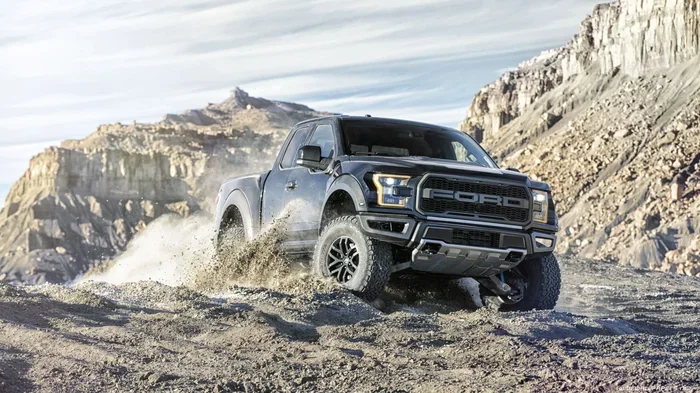
Same goes for many rear-wheel drive trucks. A standard pickup truck might have two axles. But power only goes to the rear wheels. The front axle just steers the vehicle. So it is a two-wheel drive truck with two axles. Does two axles mean 4WD in this case? Absolutely not.
Here are some common two-axle vehicles that are not 4WD:
- Most family sedans
- City delivery vans
- Standard rear-wheel drive pickup trucks
- Many compact SUVs
- Economy cars
These vehicles all have two axles. But none of them are 4WD. The drivetrain is different. That is the whole point. Axles and drivetrain are not the same thing.
How to Tell If Your Vehicle Is 4WD
If you are not sure whether your vehicle is 4WD, there are a few easy ways to check. First, look for a 4WD or 4LO badge on the truck. Many 4WD vehicles have a sticker or engraving on the tailgate or grille. Second, check the driver’s side door jamb. There is usually a sticker there with vehicle specs. It will list the drivetrain type. Third, look at the transfer case. If your vehicle has a transfer case under the truck, it is likely 4WD. Finally, check the owner’s manual. It will clearly state the drivetrain configuration.
These are simple steps anyone can take. You do not need to be a mechanic to figure it out. A quick look at a few spots on your vehicle will give you the answer.
Key Differences Between 2WD and 4WD
Now that we have answered does two axles mean 4WD, let us compare the two drivetrain types. Understanding the differences helps you make a better choice when buying a vehicle or maintaining one.
Traction and Off-Road Performance
4WD vehicles have a clear advantage when it comes to traction. Power goes to all four wheels. This means better grip on slippery surfaces. Mud, snow, ice, and gravel are no match for a good 4WD system. The vehicle can keep moving when two-wheel drive trucks would get stuck.
Two-wheel drive vehicles rely on just two wheels for power. On dry pavement, this is usually fine. But on wet or uneven surfaces, traction drops fast. The wheels can spin and lose grip. That is why 4WD is so popular in rural areas and off-roading communities.
Here is a quick comparison of traction performance:
- 4WD: Excellent traction on all surfaces. Best for off-roading and severe weather.
- 2WD Front-Wheel Drive: Good traction on paved roads. Decent in light snow.
- 2WD Rear-Wheel Drive: Fair traction on dry roads. Poor in snow and mud.
Fuel Economy and Daily Driving
There is a trade-off with 4WD. It uses more fuel. The drivetrain is heavier and more complex. Power has to go to four wheels instead of two. This means the engine works harder. Over time, that adds up at the pump.
Two-wheel drive vehicles are generally more fuel efficient. They are lighter and simpler. For daily commuting and city driving, 2WD often makes more sense. You save money on gas and maintenance. The vehicle is easier to handle too.
However, modern 4WD systems have gotten much better. Many come with automatic disengagement. This means the system switches to 2WD when you do not need 4WD. It helps improve fuel economy without sacrificing capability.
Maintenance and Cost
4WD vehicles cost more to maintain. There are more moving parts. The transfer case, front differential, and additional drive shafts all need attention. Regular maintenance is important to keep everything running smoothly. But the payoff is worth it for many drivers. The off-road capability and safety in bad weather make it a smart investment.
Two-wheel drive vehicles are simpler and cheaper to maintain. Fewer parts means fewer things that can break. For most everyday drivers, 2WD is more than enough. It keeps costs down and reliability high.
Common Myths About Axles and 4WD
There are a lot of myths out there about axles and drivetrains. Let us clear up some of the most common ones.
Myth 1: Two axles always means 4WD. We have already covered this. Two axles just means two pairs of wheels. It does not tell you the drivetrain type. Does two axles mean 4WD? No, not always.
Myth 2: All-wheel drive and 4WD are the same thing. They are similar but not identical. All-wheel drive sends power to all wheels all the time. 4WD usually lets the driver choose when to engage. The systems work differently even though both use two axles.
Myth 3: Bigger axles mean better 4WD. Axle size has more to do with load capacity than drivetrain type. A heavy-duty truck might have larger axles but still be 2WD. The drivetrain is what matters.
Myth 4: You need 4WD for winter driving. This is not always true. Good all-season tires and a front-wheel drive vehicle can handle most winter conditions. 4WD helps, but it is not always necessary.
Myth 5: More axles means more power. Adding axles does not add engine power. It just adds more wheels to distribute weight. A six-wheel truck might have three axles but the same engine as a two-axle truck.
Understanding these myths helps you make smarter decisions. Do not let marketing hype or assumptions guide your choice. Know the facts about drivetrain and axle configuration.
How to Choose the Right Drivetrain for You
Now that you understand the difference between axle count and drivetrain, how do you choose the right one? It depends on your needs. Let us break it down.
If you live in a city or suburb and do most of your driving on paved roads, a two-wheel drive vehicle is probably all you need. It is more affordable, gets better gas mileage, and is easier to maintain. You do not need the extra capability of 4WD for daily commuting.
If you live in an area with heavy snow, frequent rain, or rough roads, 4WD might be a good choice. The extra traction gives you confidence and safety. It also helps if you haul cargo or tow a trailer. The added grip makes a real difference in these situations.
For off-road enthusiasts, 4WD is a must. Whether you hit the trails on weekends or work on a remote job site, four-wheel drive gives you the capability to go where two-wheel drive vehicles cannot. Look for a part-time 4WD system if you want flexibility. It lets you switch between modes based on conditions.
Here are some quick tips to help you decide:
- Think about where you drive most often.
- Consider the weather and road conditions in your area.
- Factor in fuel costs and maintenance budgets.
- Decide if you need off-road capability.
- Test drive both 2WD and 4WD versions of the same vehicle.
The right choice depends on your lifestyle. There is no one-size-fits-all answer. But now you have the knowledge to make a confident decision.
Expert Tips for Understanding Your Vehicle’s Drivetrain
Want to know more about your specific vehicle? Here are some expert tips that can help you get the most out of your drivetrain.
First, learn where your transfer case is located. On most 4WD trucks, it sits underneath the vehicle between the transmission and the rear driveshaft. If you see it, you have a 4WD system. If not, you likely have a 2WD setup.
Second, pay attention to your dashboard. Most 4WD vehicles have a selector switch or shifter. It lets you choose between 2H, 4H, and 4L modes. If your truck has this, it is definitely 4WD.
Third, check your axle ratio. The axle ratio affects how much torque reaches the wheels. A higher ratio means more torque but lower top speed. This is important for off-road driving and towing. You can find the axle ratio on the vehicle label or in the owner’s manual.
Fourth, keep your drivetrain fluids fresh. Transfer case fluid, front differential fluid, and rear differential fluid all need regular changes. Dirty fluid leads to wear and reduced performance. Staying on top of maintenance keeps your system running strong for years.
Fifth, do not forget about your tires. The right tires make a huge difference in any drivetrain system. All-terrain tires work well with 4WD. All-season tires are fine for 2WD vehicles in most conditions. Matching your tires to your drivetrain maximizes performance and safety.
These tips come from years of experience in the automotive world. They apply to most vehicles on the road today. Use them to get the best out of your ride.
Conclusion
So, does two axles mean 4WD? The answer is clear. Two axles do not automatically mean your vehicle has four-wheel drive. Axle count and drivetrain type are two completely different things. Two axles just means your vehicle has two pairs of wheels. The drivetrain is what determines if power goes to two wheels or all four wheels.
Understanding this difference is important. It helps you make better buying decisions. It helps you maintain your vehicle properly. And it keeps you safe on the road. Whether you drive a two-wheel drive sedan or a four-wheel drive truck, knowing your drivetrain gives you an advantage.
Take some time to learn about your own vehicle. Check the door jamb sticker. Read the owner’s manual. Look for drivetrain badges. A little knowledge goes a long way. The next time someone asks you does two axles mean 4WD, you will have the answer ready.
Drive smart, stay informed, and keep your vehicle running its best. The road ahead is full of possibilities when you understand what is under your wheels.
Frequently Asked Questions
Can a two-axle vehicle be all-wheel drive?
Yes, absolutely. Many two-axle vehicles come with all-wheel drive systems. The axle count does not determine the drivetrain type. AWD and 4WD are both possible with just two axles. The difference lies in how the drivetrain delivers power to the wheels.
What is the difference between 4WD and AWD?
4WD typically lets the driver manually switch between two-wheel drive and four-wheel drive. AWD sends power to all wheels automatically all the time. Both systems use two axles but operate differently. 4WD is often found on trucks and off-road vehicles. AWD is common in cars and crossovers.
Does a pickup truck with two axles always have 4WD?
No, many pickup trucks have two axles but are only two-wheel drive. The standard rear-wheel drive pickup is a common example. You need to check the vehicle specs or look for a 4WD badge to confirm. The axle count alone does not tell you the drivetrain.
How can I find out if my vehicle is 4WD?
Check the driver’s side door jamb for a vehicle information sticker. Look for a 4WD badge on the truck. Check the owner’s manual for drivetrain details. You can also look underneath the vehicle for a transfer case. These are all easy ways to confirm your drivetrain type.
Is 4WD better than 2WD for everyday driving?
It depends on your driving conditions. 4WD offers better traction in snow, mud, and off-road situations. But for daily driving on paved roads, 2WD is usually fine. 2WD vehicles also get better fuel economy and cost less to maintain. Choose based on your needs and driving environment.
What should I look for when buying a 4WD vehicle?
Look for a transfer case, 4WD selector, and proper axle and differential setup. Check the vehicle history for any drivetrain issues. Test drive on different surfaces if possible. Also consider fuel economy, maintenance costs, and your typical driving conditions. A good 4WD vehicle matches your lifestyle and needs.