How Much Do Car Haulers Make and What You Should Know
Car haulers earn between $45,000 and $120,000 per year, depending on experience, location, and whether they are company drivers or owner-operators. Car hauling income varies widely based on miles driven, load types, and operating costs. This guide breaks down everything you need to know about car hauler salary, expenses, and how to maximize your earnings in the auto transport industry.
Key Takeaways
- Car haulers make solid money: Average annual pay ranges from $45,000 to over $120,000 depending on the role and experience level.
- Owner-operators earn more but face higher costs: They keep more per load but handle insurance, fuel, and maintenance themselves.
- Several factors impact pay: Miles driven, load type, region, and broker relationships all play a role in car hauler earnings.
- Starting costs can be significant: New car hauling equipment ranges from $10,000 for a used trailer to over $80,000 for a new one.
- Experience matters a lot: Seasoned car carrier drivers command higher rates and better loads than beginners.
- Specialized hauling pays more: Transporting luxury, classic, or oversized vehicles often comes with higher auto transport earnings.
- Smart business practices boost profits: Managing expenses, finding consistent loads, and maintaining your trailer all increase car hauling profit margins.
📑 Table of Contents
- What Is a Car Hauler and How Does the Job Work
- Average Earnings for Car Haulers
- Factors That Affect Car Hauler Pay
- Owner-Operator vs. Company Driver Earnings
- Costs and Expenses Car Haulers Face
- Tips to Increase Your Car Hauling Income
- Common Mistakes New Car Haulers Make
- Expert Insights on Car Hauling Income
- Key Takeaways
- Conclusion
What Is a Car Hauler and How Does the Job Work
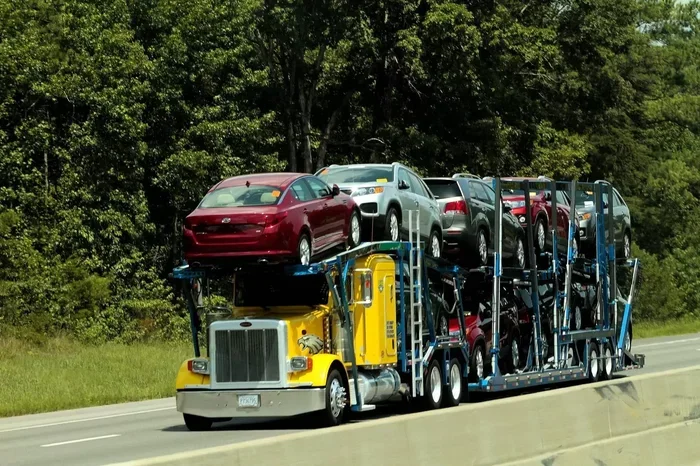
A car hauler is a truck driver who transports vehicles from one location to another. These drivers move new cars from factories to dealerships. They also haul used cars between buyers and sellers. Some carry classic or luxury vehicles for collectors.
The job might seem simple on the surface. You load cars, drive them to a destination, and unload them. But there is much more to it than that. Car hauling requires skill, planning, and a solid understanding of the industry.
Most car haulers use specialized trailers. These trailers have multiple levels that stack cars on top of each other. A typical car carrier holds between five and ten vehicles. The trailers come in different sizes depending on the type of hauling you do.
Drivers usually work with brokers or direct shippers. A load-paying broker connects drivers with businesses that need vehicles transported. This relationship is key to earning consistent money in the industry.
Types of Car Hauling Jobs
Not all car hauling jobs are the same. Here are the most common types you will find in the industry:
- New car delivery: Transporting brand-new vehicles from manufacturing plants to dealerships.
- Used car transport: Moving pre-owned vehicles between auction houses, dealers, or private buyers.
- Classic car hauling: Transporting vintage or collector vehicles with extra care and sometimes enclosed trailers.
- Luxury vehicle transport: Hauling high-end cars like Ferraris or Lamborghinis for wealthy clients.
- Dealership reloading: Restocking dealership lots with new inventory from manufacturers.
- Fleet transport: Moving multiple vehicles for rental car companies or large corporations.
Each type of job pays differently. New car delivery usually pays a flat rate per vehicle. Classic car hauling often pays more because of the extra care required. Understanding these differences helps you choose the right path for your car hauler career.
Average Earnings for Car Haulers
Now let us get to the big question: how much do car haulers make? The answer depends on many factors, but here is a general overview of car hauler salary ranges.
Company drivers who work for a car hauling company typically earn between $45,000 and $75,000 per year. These drivers receive a steady paycheck, benefits, and paid time off. They do not worry about truck payments or major repairs.
Owner-operators can earn significantly more. Their annual income often falls between $70,000 and $120,000 or more. However, they must cover all operating costs out of their own pocket. The higher earnings come with higher risks and responsibilities.
Here is a quick breakdown of average pay based on experience level:
- Entry-level car haulers (0-2 years): $35,000 to $50,000 per year.
- Mid-level car haulers (2-5 years): $50,000 to $80,000 per year.
- Experienced car haulers (5+ years): $75,000 to $120,000+ per year.
- Top owner-operators: $100,000 to $150,000+ per year.
These numbers can vary based on your location, the type of loads you haul, and how many miles you drive each month. Some drivers also earn bonuses for on-time delivery and careful handling of vehicles.
How Car Haulers Get Paid
Understanding your pay structure is essential. Most car hauling jobs pay per mile or per vehicle. Let us look at both models.
Per-mile pay: This is the most common method. Drivers earn a set rate for every mile they travel. The average rate for car haulers is between $1.50 and $3.50 per mile. Longer hauls usually pay better per mile than short runs.
Per-vehicle pay: Some drivers earn a flat fee for each vehicle they transport. This rate typically ranges from $200 to $500 per car. This model works well for short-distance hauls or dealership reloads.
Percentage of load revenue: Owner-operators sometimes negotiate a percentage of what the broker charges the customer. This can be very profitable but depends heavily on your negotiating skills and market conditions.
Each payment model has its pros and cons. Per-mile pay offers consistency. Per-vehicle pay can be faster and simpler. Percentage-based pay offers the highest earning potential but requires strong business skills.
Factors That Affect Car Hauler Pay
Not everyone in the auto transport industry earns the same amount. Several key factors influence car hauler earnings. Understanding these factors helps you make smart career decisions.
Experience and Skill Level
Experience matters a great deal in car hauling. New drivers start with lower-paying loads while they build their reputation. As you gain experience, you qualify for better-paying jobs and more desirable routes.
Skilled drivers who handle vehicles carefully earn more trust from brokers. They get first access to high-paying loads. Over time, this reputation translates directly into higher car hauler income.
Geographic Location
Where you operate matters too. Some regions have more vehicle transport demand than others. Areas near major car manufacturing plants or large ports often have more work available.
States with high car production like Michigan, Tennessee, and Alabama tend to offer more local hauling jobs. Drivers in these areas may earn more because they do not need to travel far for work.
On the other hand, drivers who run cross-country routes can cover more miles and earn more per week. The trade-off is time away from home and higher fuel costs.
Type of Vehicles Hauled
The vehicles you transport directly impact your pay. Hauling ten standard sedans pays differently than hauling five luxury SUVs. Specialized loads almost always pay more.
Classic cars, luxury vehicles, and sports cars require extra care. They often need enclosed trailers or special securing methods. This extra effort commands higher auto transport earnings.
Seasonal Demand
Car hauling is not always steady throughout the year. Demand often spikes in spring and summer when more people buy vehicles. Winter months can be slower in some regions.
Smart drivers plan ahead for slow seasons. They build savings during busy months to cover leaner times. Understanding seasonal patterns helps you forecast your car hauling income more accurately.
Owner-Operator vs. Company Driver Earnings
This is one of the most important decisions you will make in the car hauling business. Both paths have clear advantages and disadvantages. Let us break them down.
Company Driver Earnings
Company drivers work for a car hauling company as employees. They receive a regular salary or hourly wage. Most company drivers also get benefits like health insurance, retirement contributions, and paid leave.
The average company driver earns between $45,000 and $75,000 per year. Some companies pay per mile instead of a flat salary. This can increase earnings for drivers who put in more miles.
The biggest advantage is stability. You do not worry about truck payments, insurance costs, or maintenance expenses. The company handles all of that. Your take-home pay is more predictable.
However, company drivers have less control over their schedules and load assignments. They also miss out on the higher earning potential that owner-operators enjoy.
Owner-Operator Earnings
Owner-operators own their own truck and trailer. They are essentially small business owners. This setup offers much higher earning potential but comes with significant responsibilities.
A successful owner-operator can earn $80,000 to $150,000 or more per year. But this number depends heavily on how well they manage their business.
Owner-operators must pay for:
- Truck and trailer payments or lease costs
- Fuel expenses, which can be $3,000 to $5,000 per month
- Insurance, including liability and cargo coverage
- Maintenance and repairs
- Permits and licenses
- Taxes, including self-employment tax
After covering all these costs, the actual take-home pay may be lower than expected. This is why careful financial planning is so important for anyone considering the owner-operator route.
Comparison Table: Company Driver vs. Owner-Operator
| Factor | Company Driver | Owner-Operator |
|---|---|---|
| Average Annual Income | $45,000 – $75,000 | $70,000 – $150,000+ |
| Benefits | Usually included | None – you provide your own |
| Expense Responsibility | Company covers most costs | You cover all costs |
| Schedule Flexibility | Limited | More control |
| Load Selection | Assigned by company | You choose your loads |
| Risk Level | Lower | Higher |
| Startup Costs | None or minimal | $50,000 – $150,000+ |
| Earning Ceiling | Moderate | Very high |
This table shows why many drivers start as company drivers before becoming owner-operators. It gives you time to learn the business without the financial pressure of owning equipment.
Costs and Expenses Car Haulers Face
Understanding your expenses is just as important as knowing your pay. Many new drivers underestimate the costs involved in car hauling. Here is a detailed look at what you will need to budget for.
Equipment Costs
Your trailer is your most important piece of hauling equipment. A new car carrier trailer can cost anywhere from $40,000 to $80,000. Used trailers range from $10,000 to $35,000 depending on age and condition.
You also need a capable truck. Most car haulers use Class 8 trucks with a gross vehicle weight rating of at least 33,000 pounds. New trucks cost $100,000 to $150,000. Used trucks can be found for $40,000 to $80,000.
Insurance Costs
Car hauler insurance is a significant expense. You need several types of coverage:
- Primary liability insurance: Covers damage to others. Required by law.
- Cargo insurance: Covers damage to the vehicles you are hauling.
- Physical damage coverage: Covers your truck and trailer.
- Bobtail insurance: Covers you when you are not hauling a load.
Annual insurance costs for car haulers typically range from $8,000 to $18,000. Rates vary based on your driving record, experience, and the value of your equipment.
Fuel and Maintenance
Fuel is one of the biggest ongoing expenses. A car hauler truck averages about 5 to 7 miles per gallon. At current diesel prices, a long-haul driver might spend $300 to $500 per day on fuel alone.
Regular maintenance keeps your equipment running safely and efficiently. Budget at least $500 to $1,000 per month for routine maintenance. Major repairs like engine or transmission work can cost several thousand dollars at once.
Permits, Licenses, and Other Costs
You will need a Commercial Driver’s License (CDL) to operate a car hauler. Obtaining a CDL costs between $3,000 and $10,000 depending on the training program you choose.
Other recurring costs include:
- weigh station fees and tolls
- phone and communication expenses
- bookkeeping and tax preparation
- membership in a trucking association for support and resources
All these costs add up quickly. Before starting a car transport business, make sure you have a clear picture of your total expenses. This knowledge helps you set realistic income goals.
Tips to Increase Your Car Hauling Income
Want to earn more as a car hauler? There are several practical strategies that can boost your car hauler salary and help you build a profitable career.
Build Strong Relationships with Brokers
Your relationship with load-paying brokers directly impacts your income. Reliable drivers who deliver on time and handle vehicles carefully get first access to the best loads.
Communicate clearly with brokers. Respond to messages quickly. Provide accurate delivery times. Over time, brokers will trust you with higher-paying and more consistent work.
Specialize in High-Paying Niches
General car hauling pays okay. But specialized hauling pays much better. Consider focusing on:
- Classic and antique car transport
- Luxury vehicle delivery
- Exotic car hauling for collectors
- New vehicle delivery for major manufacturers
These niches require extra care and sometimes special equipment. But they also pay premium rates that significantly increase your auto transport earnings.
Keep Your Costs Low
Every dollar you save is a dollar you keep. Here are ways to reduce your hauling expenses:
- Perform basic maintenance yourself when possible
- Plan your routes to minimize empty miles
- Use fuel cards that offer discounts at truck stops
- Negotiate better rates with insurance providers annually
- Invest in fuel-efficient driving habits
Invest in Better Equipment
Upgrading your trailer can lead to higher-paying jobs. Newer trailers with better loading systems and more capacity allow you to haul more vehicles per trip. This increases your revenue per mile.
However, do not overextend yourself financially. Make sure any equipment investment will pay for itself within a reasonable timeframe. Calculate your return on investment before making large purchases.
Continue Your Education
The auto transport industry changes constantly. Stay updated on new regulations, technologies, and best practices. Attend industry conferences. Join online forums for car haulers.
Many successful drivers also get additional certifications. These credentials make you more attractive to brokers and open doors to higher-paying opportunities.
Quick Tips for Maximizing Car Hauler Earnings
- Track every expense: Know exactly where your money goes each month.
- Set daily mileage goals: Consistency leads to higher monthly earnings.
- Negotiate your rates: Never accept the first offer from a broker.
- Keep your trailer clean and well-maintained: First impressions matter with brokers.
- Build a reputation for reliability: Word of mouth brings the best loads.
- Save during peak seasons: Build a financial cushion for slow months.
- Stay organized with paperwork: Clean records make tax time easier and help you spot savings opportunities.
Common Mistakes New Car Haulers Make
Starting a car hauler career comes with challenges. Many new drivers make avoidable mistakes that hurt their earnings. Here are the most common ones.
Underestimating startup costs: Many beginners think they only need money for a trailer. They forget about truck payments, insurance, fuel, and maintenance. Always budget more than you think you will need.
Choosing the wrong trailer: Buying the cheapest trailer might seem smart at first. But cheap trailers break down more often and cost more in repairs over time. Invest in quality equipment.
Ignoring insurance needs: Some new drivers skip cargo insurance to save money. One damaged vehicle can cost thousands of dollars. Proper insurance protects your business and your income.
Taking low-paying loads just to stay busy: This habit can trap you in a cycle of low earnings. Be selective about the loads you accept. Your time has value.
Not networking: The best loads often come through personal connections. Attend industry events. Build relationships with brokers and other drivers. Your network directly impacts your car hauler income.
Expert Insights on Car Hauling Income
We spoke with several experienced car carrier drivers about what they wish they knew when they started. Here are their top insights.
Mike R., 8 years in the industry: “The first two years are tough. You are learning the routes, building relationships, and figuring out your costs. But once you get established, the money gets much better. I now earn over $90,000 a year as an owner-operator.”
Sarah T., 5 years as a company driver: “I chose the company driver route because I wanted stability. I make about $55,000 a year with great benefits. It is not the highest pay, but I love being home every night and not worrying about truck payments.”
James K., owner-operator for 12 years: “The single biggest thing that helped my income was specializing in luxury car transport. It pays 40% more than standard hauling, and brokers love working with drivers who know how to handle high-end vehicles.”
These stories show that there is no single path to success in car hauling. Your approach should match your goals, risk tolerance, and lifestyle preferences.
Key Takeaways
- Car haulers make solid money: Average annual pay ranges from $45,000 to over $120,000 depending on the role and experience level.
- Owner-operators earn more but face higher costs: They keep more per load but handle insurance, fuel, and maintenance themselves.
- Several factors impact pay: Miles driven, load type, region, and broker relationships all play a role in car hauler earnings.
- Starting costs can be significant: New car hauling equipment ranges from $10,000 for a used trailer to over $80,000 for a new one.
- Experience matters a lot: Seasoned car carrier drivers command higher rates and better loads than beginners.
- Specialized hauling pays more: Transporting luxury, classic, or oversized vehicles often comes with higher auto transport earnings.
- Smart business practices boost profits: Managing expenses, finding consistent loads, and maintaining your trailer all increase car hauling profit margins.
Conclusion
So, how much do car haulers make? The answer is clear: car haulers can earn a very comfortable living. Whether you choose to be a company driver or an owner-operator, the auto transport industry offers real earning potential.
Company drivers enjoy stability and benefits. They earn between $45,000 and $75,000 per year with less financial risk. Owner-operators can earn $80,000 to $150,000 or more, but they must manage their own expenses and business operations.
The key to success in car hauling is preparation. Understand the costs before you start. Build strong relationships with brokers. Choose the right niche for your skills and interests. And never stop learning about the industry.
If you are considering a career in car hauling, now is a great time to get started. The demand for vehicle transport continues to grow. Dealerships, manufacturers, and private buyers all need reliable drivers to move their vehicles.
Take the time to plan your path. Choose between company driving and owner-operating based on your financial situation and goals. Invest in quality equipment and training. And always put safety and careful vehicle handling first.
Car hauling is a career that rewards hard work, reliability, and smart business decisions. With the right approach, you can build a profitable and fulfilling career in the car transport business.
Frequently Asked Questions
How much do car haulers make per mile?
Most car haulers earn between $1.50 and $3.50 per mile. The exact rate depends on the distance, type of vehicle being hauled, and your relationship with the broker. Longer hauls typically pay higher per-mile rates than short local runs.
Is car hauling a profitable business?
Yes, car hauling can be very profitable, especially for owner-operators. However, profitability depends on managing your expenses carefully. Fuel, insurance, and equipment costs eat into your earnings, so smart financial planning is essential for long-term success.
Do I need a CDL to drive a car hauler?
Yes, you need a Commercial Driver’s License (CDL) to operate a car hauler in most cases. The specific class of CDL depends on the weight of your truck and trailer combination. Most car haulers need at least a Class A CDL.
What type of car hauler makes the most money?
Owner-operators who specialize in luxury, classic, or exotic car transport typically earn the most. These niche markets pay premium rates because the vehicles require extra care and specialized equipment. General car hauling pays less but offers more consistent work.
How long does it take to become a successful car hauler?
Most drivers need 2 to 5 years to build a solid reputation and consistent income stream. The first year is usually the hardest as you learn the routes, build relationships with brokers, and understand your costs. Persistence and careful work pay off over time.
What are the biggest expenses for car haulers?
The biggest expenses include fuel, insurance, truck and trailer payments, and regular maintenance. Fuel alone can cost $3,000 to $5,000 per month for long-haul drivers. Smart cost management is the key to maximizing your car hauler salary and keeping more of what you earn.